


The recovery pathway
Recovering from ACL repair
— week by week
STARR and BioBrace are minimally invasive day-case operations, but a good outcome is built in the months that follow theatre. Here is what a structured recovery looks like from the first fortnight to a confident return to sport.
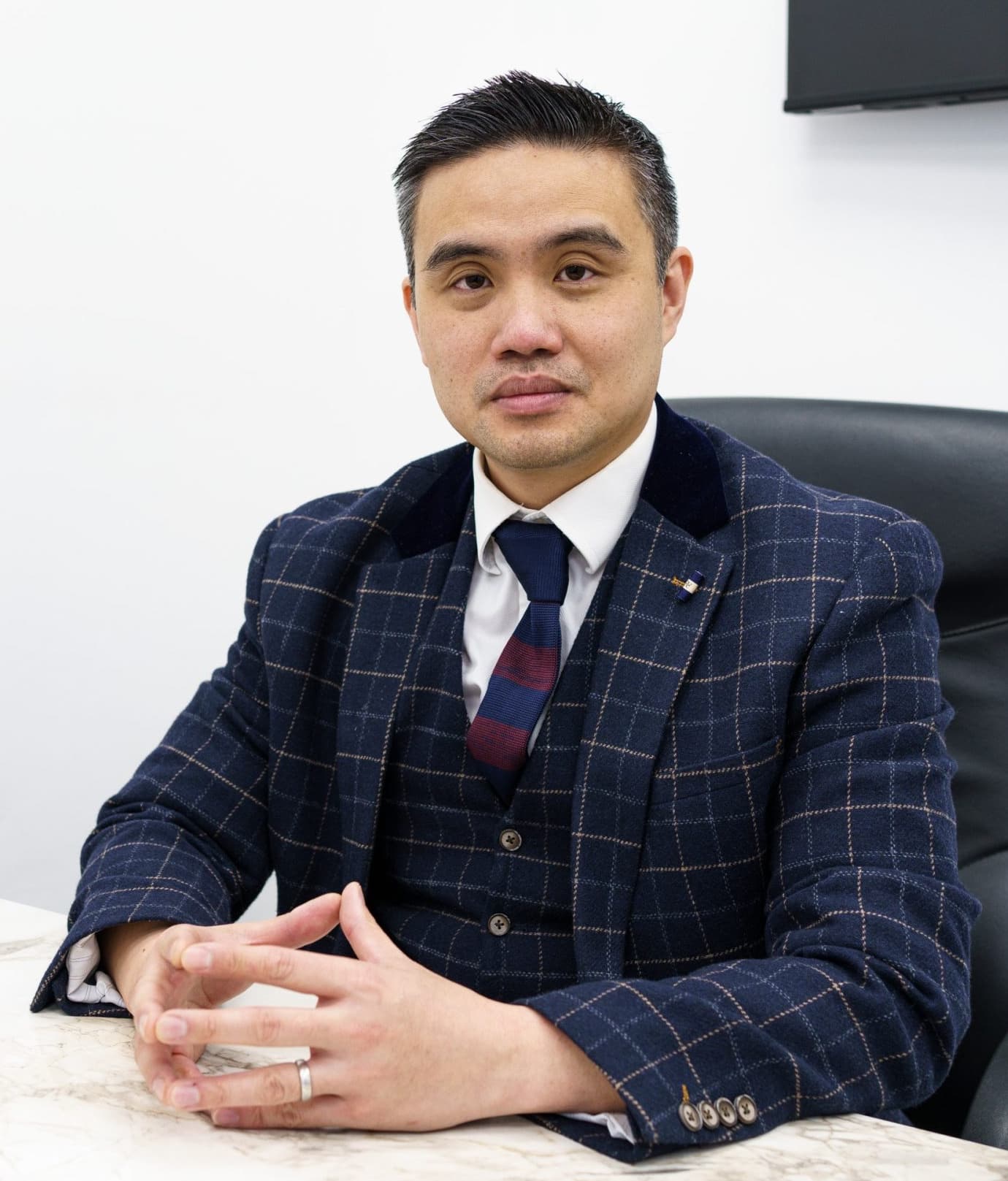 Reviewed byProfessor Paul Lee MBBch, FRCS (Tr & Orth), PhDCartilage and joint preservation expertise
Quick Answer
Recovery after a STARR or BioBrace ACL repair follows three broad phases: a protect phase in the brace-supported first fortnight, a rebuild phase of progressive physiotherapy from weeks 2 to 12, and a return-to-sport phase guided by objective testing at around month six. Recovery is typically quicker than reconstruction and free of donor-site pain.
Key facts
- Day case. STARR is a minimally invasive arthroscopic procedure — most patients go home the same afternoon.
- Weeks 1–2 (protect): brace-supported early movement, settling swelling, restoring gentle range.
- Weeks 2–12 (rebuild): progressive physiotherapy of quadriceps, hamstrings and glutes — free of donor-site pain because no tendon was harvested.
- Around month 6 (return to sport): objective strength, hop and control testing decides readiness — not the calendar.
Recovery is a process, not an event
A predictable shape, a personal timeline
A good outcome after an ACL repair is built in the months that follow surgery, not just in theatre. STARR is performed as a minimally invasive, arthroscopic day-case procedure, and most patients go home the same afternoon. From there, recovery follows a structured, progressive path designed to protect the repair while steadily rebuilding strength, control and confidence.
Everyone’s timeline is slightly different, but the shape of the journey is consistent and predictable. The plan flexes around your sport, your goals and how your tissue responds.
The three phases
What each stage looks like
- Phase 1Weeks 1–2
Protect
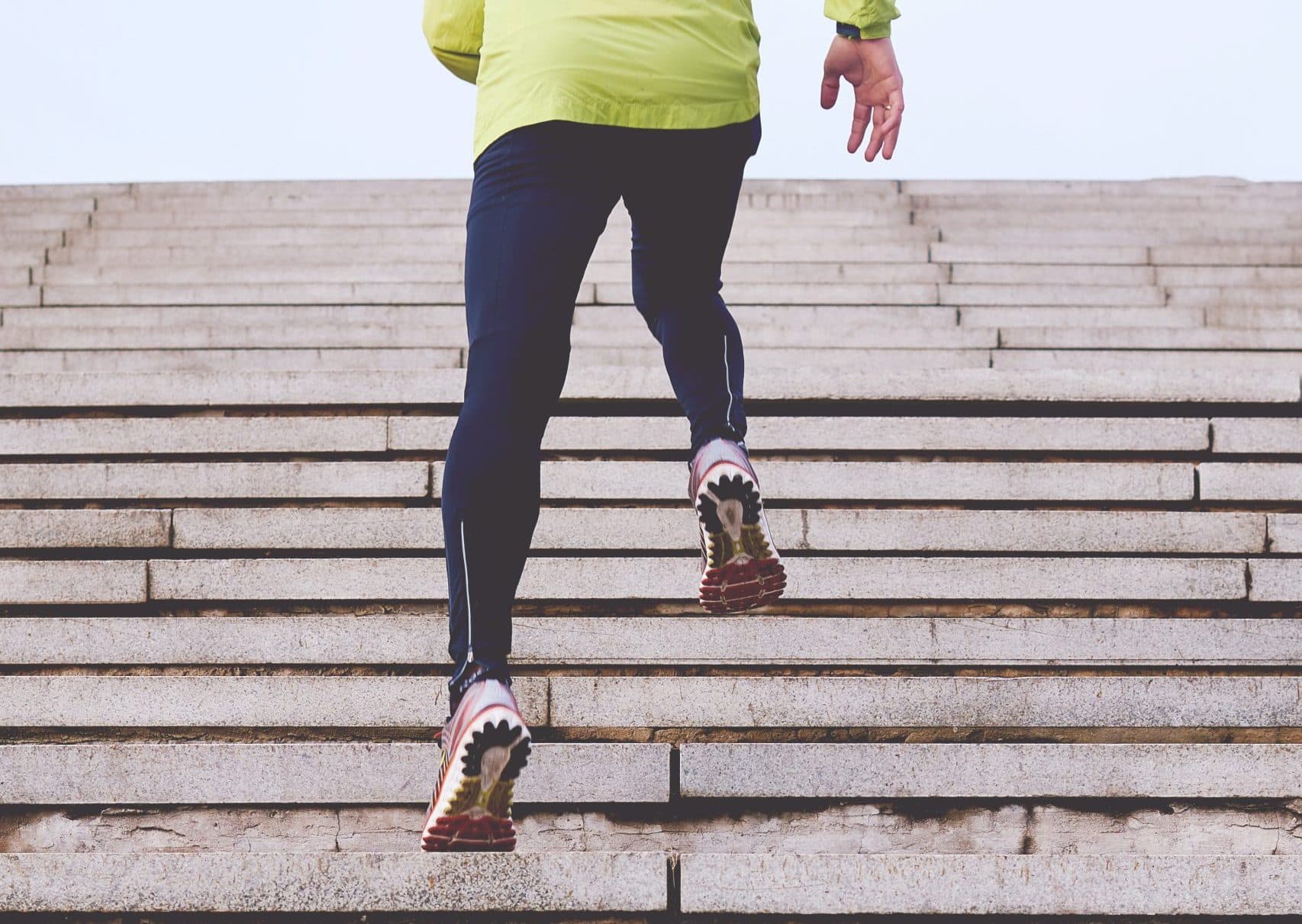
Early, safe movement is encouraged within the protection of the internal suture-tape brace. The focus is on settling swelling, restoring gentle range of motion and waking the muscles up — not on pushing.
- Phase 2Weeks 2–12
Rebuild
Progressive, specialist-led physiotherapy targets the quadriceps, hamstrings and glutes. Because no tendon was harvested, this phase is typically free of donor-site pain, which can make the strengthening work more comfortable and efficient.
- Phase 3Around month 6
Return to sport
Return to pivoting sport is guided by objective testing rather than the calendar alone. Strength, control and movement quality are measured to make sure the knee is genuinely ready, reducing the risk of re-injury.
What helps recovery go well
Treat rehabilitation as part of the treatment
The patients who do best treat rehabilitation as part of the treatment, not an afterthought. Consistency with your physiotherapy programme, sensible loading, good sleep and patience through the slower early weeks all compound into a stronger, more reliable knee.
Your team will adjust the plan to your sport and your goals at every stage. Around month six the focus shifts from rehab to readiness, with objective return-to-sport testing replacing the calendar as the decision-making tool.
Stick to the programme
Consistent, specialist-led physiotherapy across the weeks matters more than any single hard session.
Settle swelling first
Persistent swelling slows everything. Early icing, elevation and graded movement protect the rest of the plan.
Quality over quantity
Range of motion, control and movement quality are the priority through the rebuild phase — not just load.
Let the test, not the date, decide
Return to pivoting sport is gated by objective strength, hop and control testing — not a fixed week.
Ready to start the pathway?
The first step is a same-day MRI
Recovery only matters if your ACL is still repairable. Confirm your window with the 2-minute self-check, then let the team arrange imaging and a consultation.
FAQ
Recovery — common questions
When can I drive again?
It varies, but many patients return to driving once they have regained confident control of the leg and are off any sedating pain relief. Your surgeon will give you specific guidance.
Will I need a brace the whole time?
The brace protects the repair in the early weeks. As strength and control return, your reliance on it is reduced according to your progress.
Is the recovery easier than after reconstruction?
Recovery varies by individual but typically is quicker than reconstruction, with many patients resuming light activities within weeks. Because no tendon was harvested, the strengthening phases are typically free of donor-site pain, which can make rehabilitation more comfortable. See repair vs reconstruction for the broader comparison.
When can I return to pivoting sport?
Return to pivoting sport is guided by objective testing rather than the calendar alone. Strength, control and movement quality are measured to make sure the knee is genuinely ready, reducing the risk of re-injury. For most patients this is around month six, but it varies with the sport and the rehab progression.
Reviewed by
Professor Paul Y.F. Lee
MBBch · MRCS · MSc · PhD · FEBOT · FRCS (Tr & Orth)
Consultant Orthopaedic Surgeon at London Cartilage Clinic, originator of the STARR ACL repair technique, and an internationally recognised authority bridging surgical precision and regenerative medicine.