








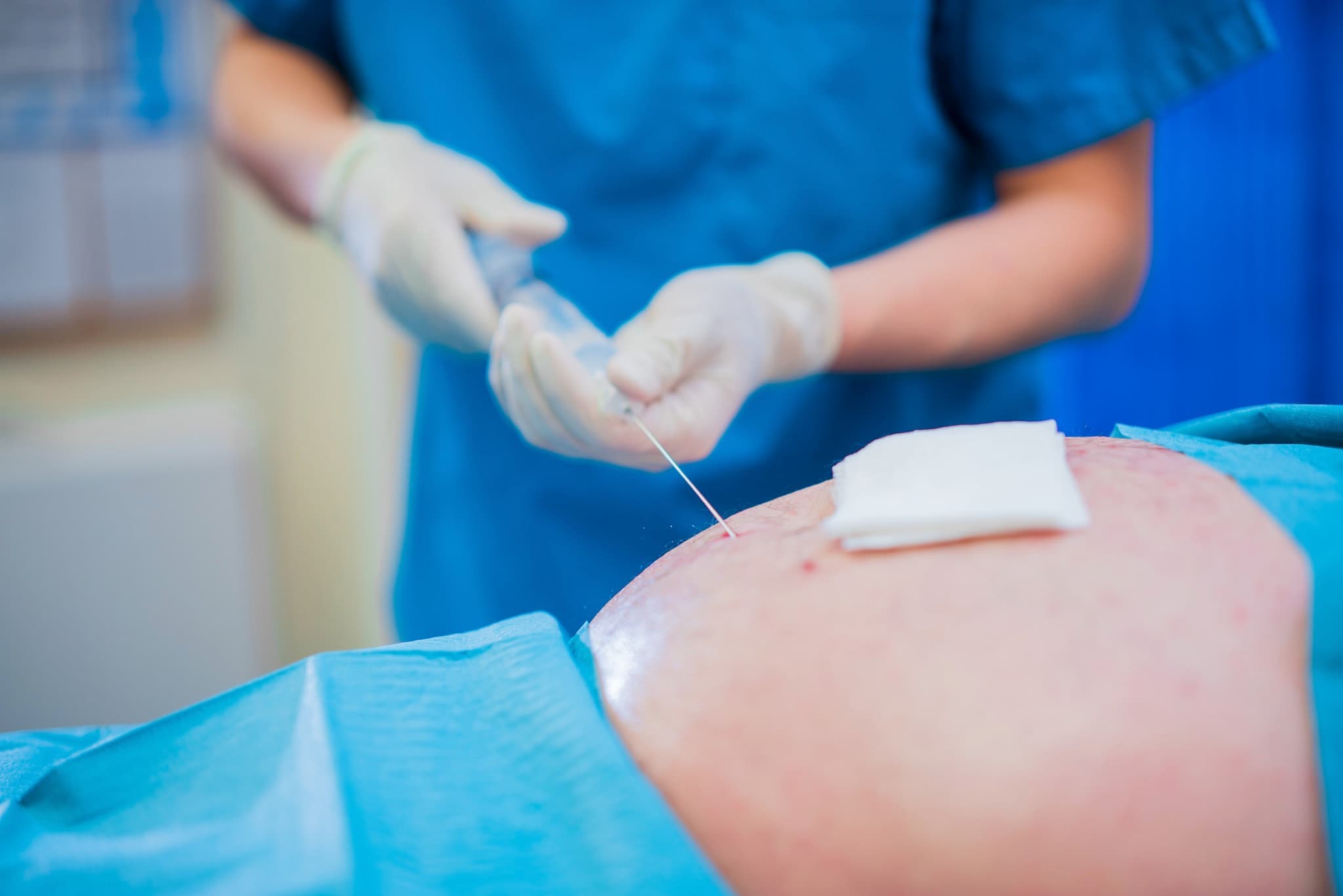



Sterile setup for knee injection preparation

MPFL repair

From £9,800
View Price List

Guide price only. Final cost is confirmed after assessment.

The medial patellofemoral ligament (MPFL) is a ligament that stabilises the knee. It makes up part of the soft tissue in the knee joint, attaching to the underside of the patella and the femur bone. Damage to the MPFL can occur when kneecap is dislocated or fractured, with the common causes being a sporting injury or fall. When this happens, the kneecap can become loose as it can no longer be held in the groove at the end of the thigh bone.

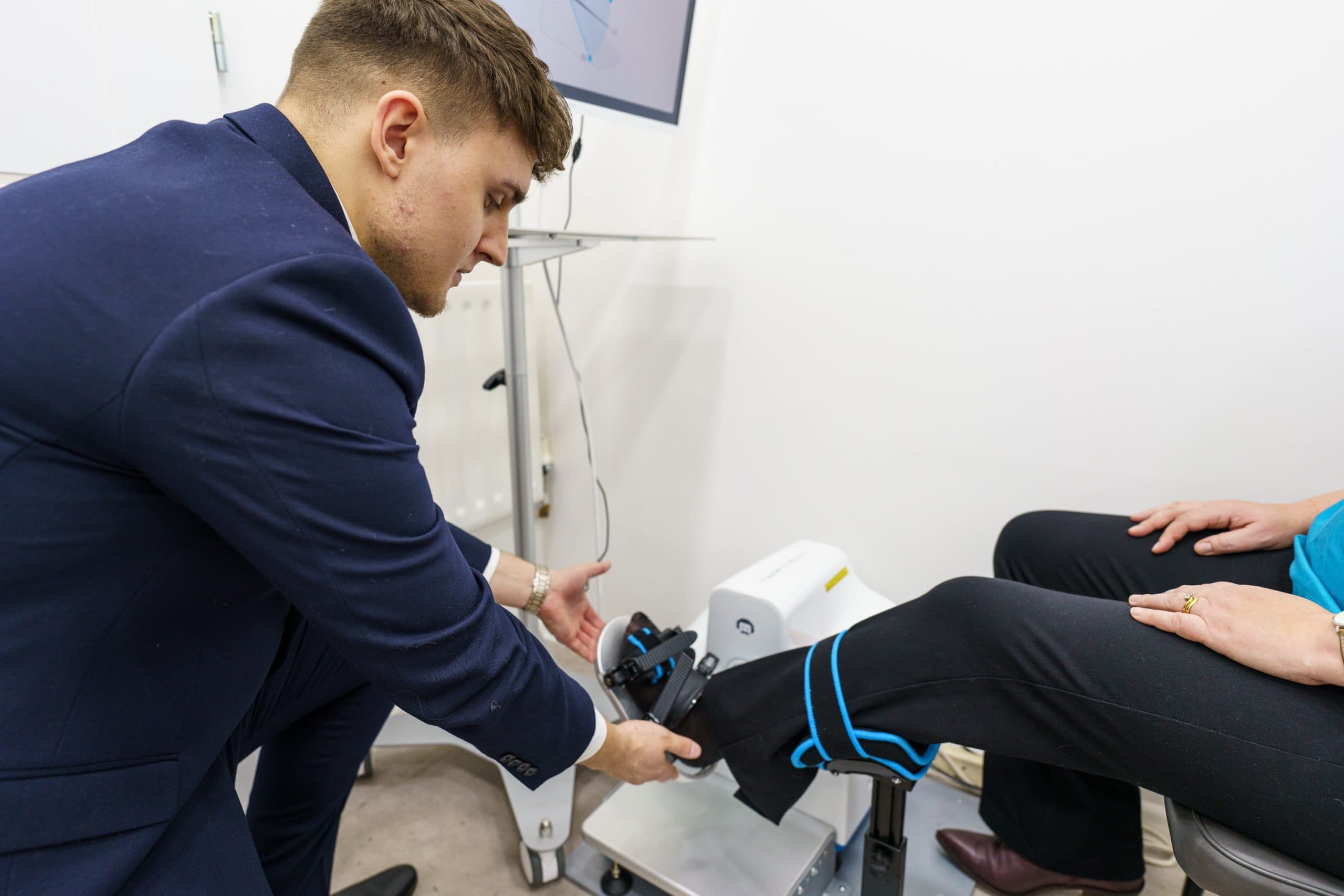
Clinician adjusting ankle and knee support device

When MPFL repair may be recommended

The MPFL is a key stabiliser that helps keep the kneecap tracking correctly. Repeated dislocation, persistent instability, or associated cartilage injury can indicate the need for surgical treatment.

  • Recurrent kneecap dislocation or subluxation episodes.
  • Painful instability affecting walking, sport, or confidence.
  • Imaging findings that suggest high risk of further patellar damage.

Depending on tissue quality and anatomy, treatment may involve repair, reconstruction, or a combined stabilisation strategy.

Benefits of specialist MPFL surgery at London Cartilage Clinic

Specialist MPFL treatment aims to restore kneecap stability, reduce recurrent dislocation risk, and protect the joint surface from repeated trauma.

  • Detailed pre-operative assessment of alignment and instability drivers.
  • Technique selection tailored to your anatomy and activity goals.
  • Structured rehabilitation to rebuild strength and movement confidence.

Our goal is not only symptom relief, but durable patellofemoral stability and a safe return to daily activity and sport.

Runner jogging on a rural track
consulting-in-office-with-pen

Frequently Asked Questions

What is the recovery time for MPFL surgery?

Most patients will be able to return home the same day of the surgery. However, you will experience difficulty bending the knee which is likely to be accompanied by swelling of the knee.

Can I have MPFL repair surgery on medication?

It depends on what the medication is. You will need to notify your surgeon if you are on warfin or clopidogrel, but it is worth asking their advice for other medications also. They will then advise accordingly ahead of the procedure.

What happens if I don’t have the MPFL operation?

If it’s your first kneecap dislocation, there is a chance that physiotherapy will prove to be an effective treatment option. However, if your patella has dislocated multiple times before, you will continue to experience joint pain and discomfort if left untreated. MPFL damage can also lead to complications with arthritis.

Still have more specific concerns?

Free Discovery Call

London Cartilage Clinic

Latest Insights

Clinical updates, cartilage treatment guidance, and recovery-focused articles from our specialist team.

Safe Movement Strategies for Torn Meniscus Recovery
Eleanor Hayes

Safe Movement Strategies for Torn Meniscus Recovery

A torn meniscus injury requires careful management to maintain mobility while preventing further damage. This article outlines expert-recommended strategies for safe movement, highlighting the importance of gentle walking with supportive aids and avoiding knee-stressing activities like twisting or deep squats. It emphasizes low-impact exercises such as swimming and stationary cycling, complemented by physical therapy to strengthen surrounding muscles and enhance knee stability. Key signs to watch for include pain, swelling, and knee locking, with prompt medical consultation advised if symptoms worsen. Expert rehabilitation programs have proven effective in improving knee range of motion post-injury. Ultimately, balancing cautious activity with professional guidance supports optimal recovery and preserves knee function.

ChondroFiller as a Regenerative Collagen Scaffold for Cartilage Repair
Eleanor Hayes

ChondroFiller as a Regenerative Collagen Scaffold for Cartilage Repair

ChondroFiller is an innovative cartilage repair treatment using a collagen scaffold that supports natural tissue regeneration without stitching. Acting like both a stabilizing gel and a growth guide, it fosters the body's own cells to heal cartilage defects effectively. This less invasive option offers advantages over stem cell therapies by simplifying recovery and reducing risks. Clinical studies confirm its safety, integration with existing cartilage, and positive patient outcomes. Ideal for those seeking advanced, minimally invasive cartilage repair, ChondroFiller is best used under expert medical guidance to tailor treatment and optimize recovery.

Hip and Knee Pain Connections Causes and Relief Strategies
Eleanor Hayes

Hip and Knee Pain Connections Causes and Relief Strategies

Hip and knee pain often occur together due to their interconnected structure and function, leading to compensatory movements and referred pain. Common causes include osteoarthritis, bursitis, ligament injuries, and overuse. Effective management involves gentle exercise, proper sleeping positions, and multidisciplinary care as emphasized by experts like Professor Paul Lee at the London Cartilage Clinic. Prompt medical attention is crucial for severe or persistent symptoms, such as night pain or swelling, to prevent further damage. Understanding these links and treatment strategies helps improve joint health and quality of life.