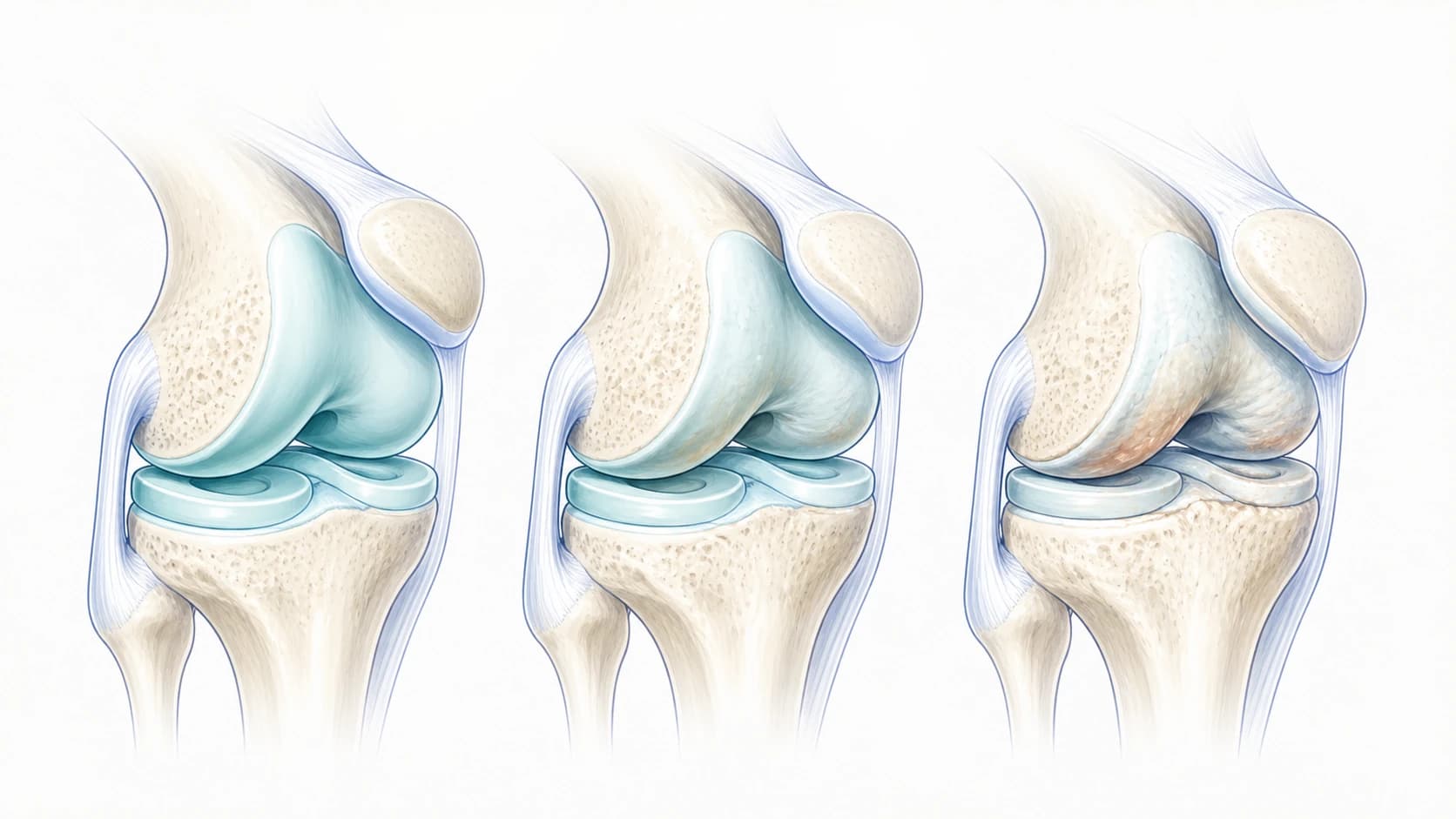
It surprises most people, so it is worth explaining. The cartilage in your outer ear is a type called elastic cartilage, surrounded by a layer called the perichondrium that is rich in progenitor cells, the cells that can become new cartilage. Gram for gram, it holds more of this regenerative potential than the smooth cartilage inside a joint.
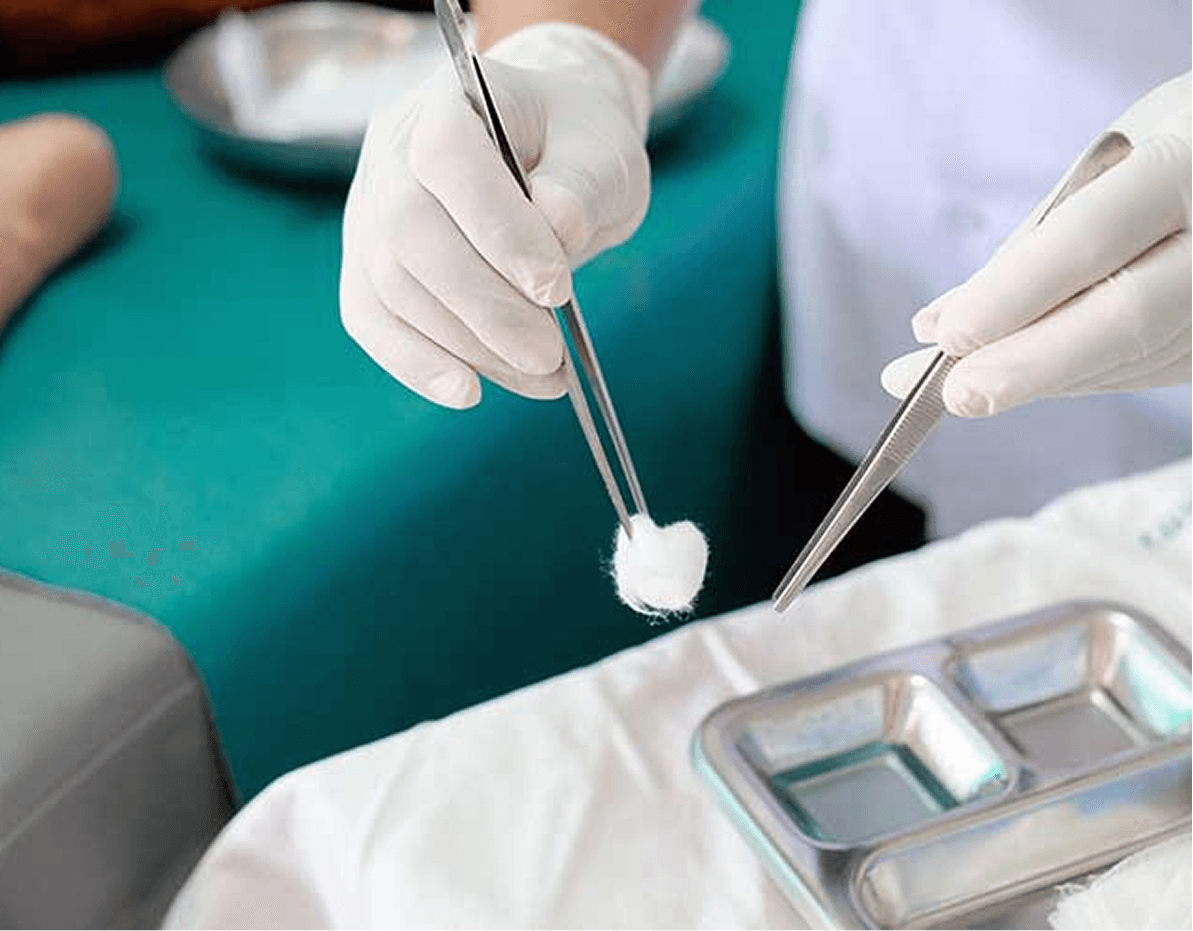
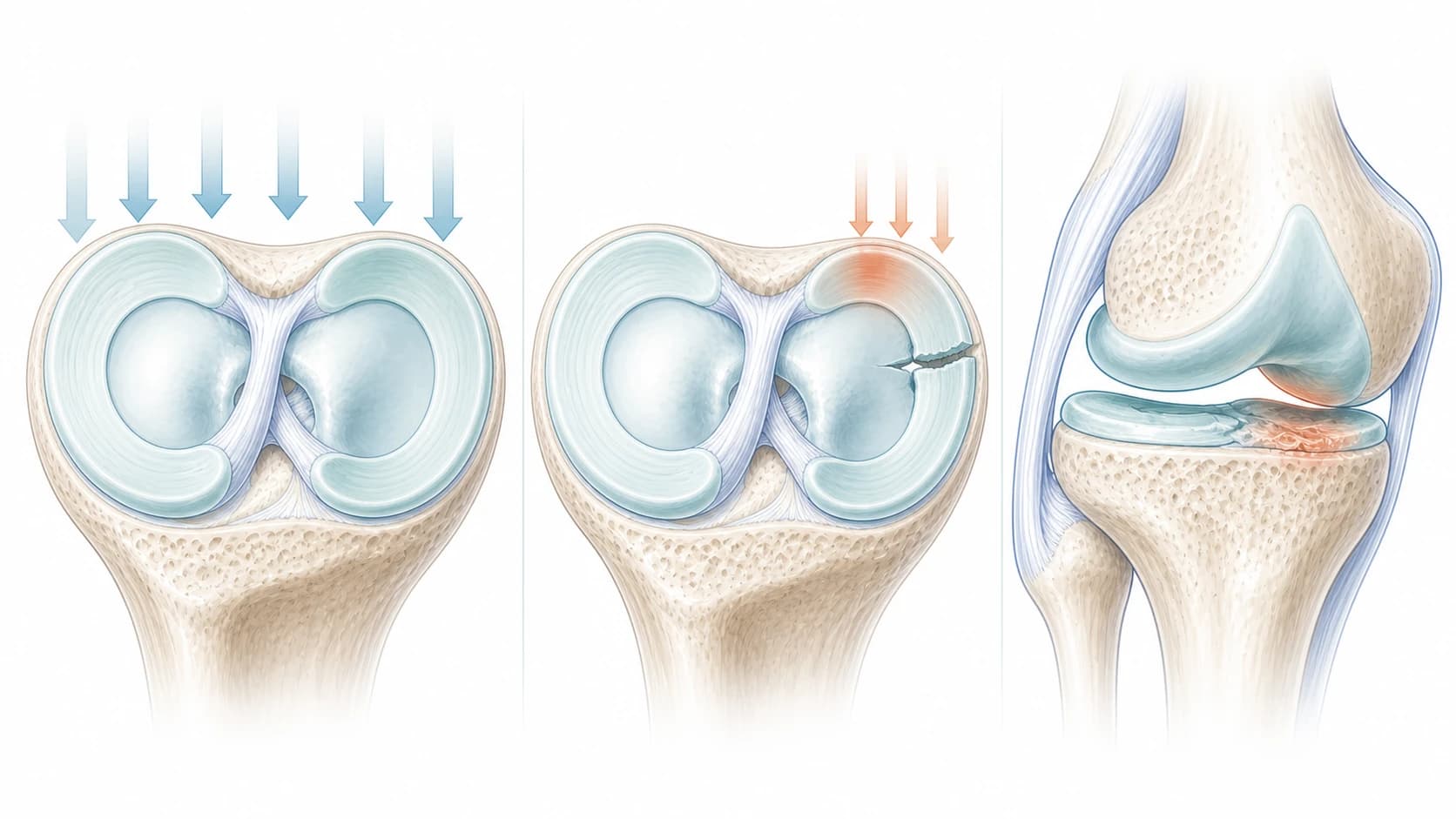
It is also easy to reach and quick to heal. Only three small samples of around 2.5 mm are taken, under local anaesthetic, from behind the ear where any mark is hidden. The same principle is already used in reconstructive surgery, where ear cartilage is valued for exactly these properties. Taking cells from the joint itself would mean disturbing the very surface you are trying to protect.