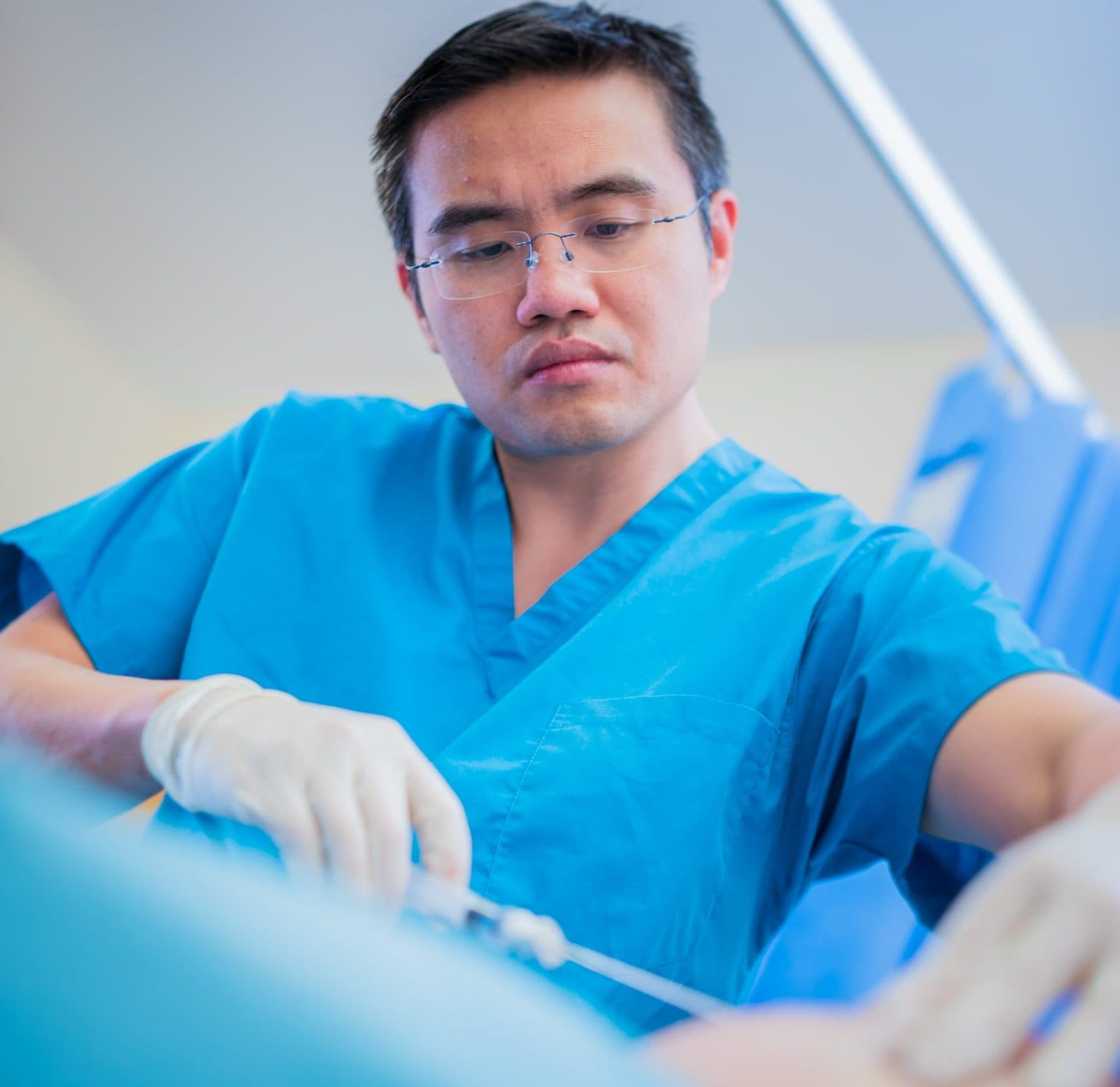
Surgical team performing matrix-assisted cartilage cell implantation

MACi vs STACi

MACi is a surgery that uses your own cartilage cells to repair damaged cartilage in a joint. It needs two operations several weeks apart, with the cells grown in a specialist lab in between. Most often used in the knee, the same approach can be applied to any joint with a focal cartilage defect. STACi is the modern version of the same idea: it does everything MACi does and more, with the option of a single operation in many cases, and it is offered for any joint that needs it. STACi is the only such procedure available in the UK and is offered exclusively at London Cartilage Clinic. This page compares the two so you can see why STACi is now the preferred choice.
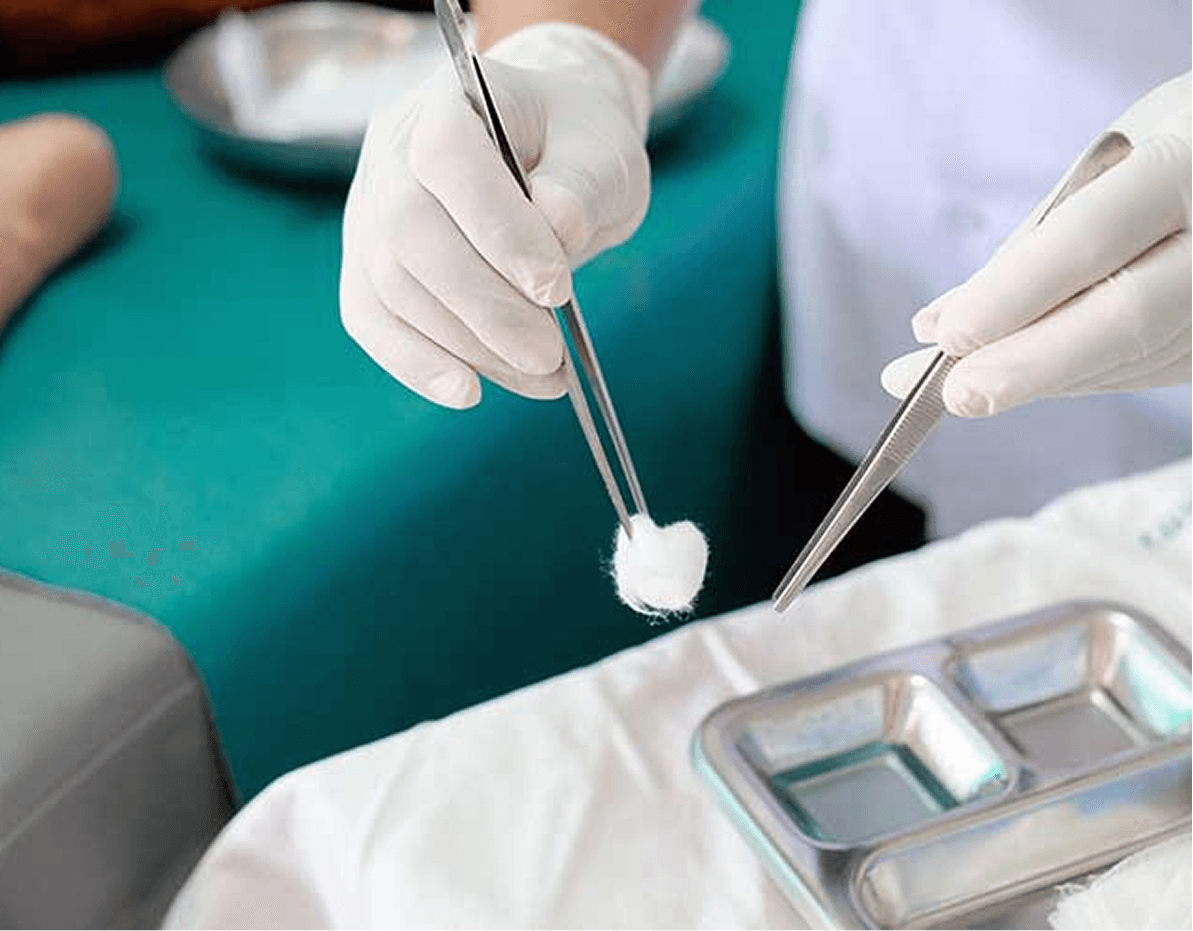
Arthroscopic view during cartilage assessment

What MACi is and what it does well

MACi treats a damaged area of cartilage in a joint using your own cartilage cells. Cartilage is the smooth, slippery surface that lets a joint glide. Once it is damaged it does not usually heal on its own. The cells that build and maintain it are called chondrocytes (pronounced KON-droh-sites). MACi was developed for the knee, where cartilage damage is most common, but the same approach can be used in any joint with a focal cartilage defect.

A small sample of those cells is taken from the affected joint, sent to a specialist laboratory to multiply over four to six weeks, then attached to a thin collagen sheet (a flexible membrane made from natural body protein). At a second operation that sheet is fitted into the damaged area, a bit like patching a worn-out area on a tyre.

Key facts about MACi

The defining features of how MACi delivers cartilage cells, how many operations it needs, and what kind of cartilage damage it was designed for.

Two operations

A small keyhole biopsy first, then a second operation four to six weeks later to fit the cell-loaded sheet into the damaged area.

Focal defects up to ~4 cm²

Designed for clear holes in the cartilage with healthy tissue around the edges. Most often performed in the knee, applicable across joints.

Cells on a flat 2D sheet

The cultured cells are seeded onto a thin collagen sheet, then secured into the defect with a tissue glue (fibrin) or fine sutures.

MACi is a proven technology for the right kind of cartilage damage. Its main limitations are how big a defect it can reliably treat, the fact that it relies on a flat 2D sheet rather than a 3D structure, and the requirement for two operations several weeks apart.

How STACi improves on MACi point by point

STACi keeps everything that works about MACi: it uses your own cartilage cells, grown and placed back into the damaged area to repair it. What it changes is how those cells are delivered. Instead of being attached to a flat collagen sheet, they sit inside a three-dimensional scaffold (a sponge-like structure) that supports cell growth in depth as well as across the surface, much closer to the way natural cartilage is built.

That single design change means STACi can do everything MACi does, plus the things MACi cannot. It is suitable for the same patients MACi was designed for, and also for those who would have been turned away from MACi because their defect was too large or too complex. And because the scaffold approach is reliable across joints, STACi is offered for the knee, hip, shoulder, ankle and other joints, not only the knee where MACi has historically been most used.

Surgeon performing advanced cartilage implantation

MACi vs STACi: side by side

The same principle, delivered in a way that does more for more patients.

What to compareMACiSTACi
How the cells are held in placeFlat 2D collagen sheet3D sponge-like scaffold, closer to natural cartilage structure
Number of operationsTwo operationsOne operation in most cases
Range of damage it can treatBest for defects up to around 4 cm²Suitable for the same defects MACi treats, plus larger and more complex ones
Joints it is offered forMost often used in the kneeKnee, hip, shoulder, ankle and other joints
Wait between operations4 to 6 weeks of laboratory cell growthNo wait when performed as a single operation
Where it is available in the UKA small number of specialist centresLondon Cartilage Clinic only

Read the full STACi page for the procedure detail, who it is suitable for, recovery pathway and pricing, or book a consultation to have your imaging reviewed.

You may have more options than you think

Most patients have more treatment options than they have been told

At London Cartilage Clinic we follow a structured clinical framework across four areas of treatment. Before recommending a single procedure, we assess which combination of approaches gives you the best outcome.

Preserve

Protect what you have. Slow degeneration and manage symptoms.

Repair

Fix specific damage. Torn tissue, unstable joints, structural problems.

Regenerate

Rebuild lost tissue. Biological treatments that stimulate new growth.

Replace

When other options are exhausted. Joint replacement as a last resort.

This treatment can be applied across multiple joints. Select yours to see the full range of options we offer, organised by clinical approach.

Explore All Treatment Options
consulting-in-office-with-pen

Frequently Asked Questions

What is MACi?

MACi (Matrix-Assisted Autologous Chondrocyte Implantation) is a two-stage cartilage regeneration procedure. Cartilage cells are biopsied arthroscopically from the affected joint, expanded in a specialist laboratory over four to six weeks, seeded onto a Type I/III collagen membrane, and implanted into the prepared cartilage defect at a second operation.

Which joints can MACi be used in?

MACi was developed and is most often used in the knee, where focal cartilage damage is most common. The same matrix-assisted cell-therapy principle has been applied in other joints including the ankle, hip and shoulder. At London Cartilage Clinic the modern equivalent (STACi) is offered for any joint where cartilage can be damaged, so patients enquiring about MACi for a non-knee joint are typically assessed for STACi.

How is STACi different from MACi?

STACi delivers the cells within a three-dimensional scaffold rather than on a two-dimensional collagen membrane. The 3D scaffold supports cartilage cell growth in depth as well as area, allows treatment of larger and more complex defects, can be performed as a single-stage procedure in selected cases, and is reliably applicable across joints. MACi remains a two-stage procedure with a laboratory wait between operations and is most commonly used in the knee.

Why does the scaffold matter?

Native hyaline cartilage is a three-dimensional tissue with depth and zonal organisation. A 2D membrane carrier delivers cells across the surface of the defect but does not provide structural support through the depth of the regenerating tissue. A 3D scaffold gives the cells a framework that more closely mimics native cartilage architecture, supporting more durable regeneration.

Is STACi better than MACi for larger defects?

Yes. MACi outcomes deteriorate as defect size increases, particularly above four square centimetres. STACi was designed to treat larger and more complex defects than the membrane technique allows, including defects that would otherwise be referred for cartilage replacement (OATS, OCA) or earlier joint replacement.

Is recovery different between MACi and STACi?

The early rehabilitation pathway is similar: protected weight-bearing for six to eight weeks, early range of motion under physiotherapy, return to low-impact activity from four to six months and higher-impact sport from nine to twelve months. The main practical difference is the option of a single-stage STACi procedure in selected cases, removing the laboratory wait that MACi always requires.

Does London Cartilage Clinic offer MACi?

London Cartilage Clinic has moved to STACi as the standard cell-based cartilage regeneration procedure. Patients enquiring about MACi are assessed for STACi and the wider range of regenerative options as part of the consultation pathway.

I have been recommended MACi. What should I do?

Book a consultation. The team will review your imaging and clinical history and advise whether STACi, classical MACi-style cell therapy, cartilage replacement (OATS, OCA), an injectable scaffold such as ChondroFiller, or a combination is the best option for your defect.

How much does STACi cost?

STACi is priced from £28,000 at London Cartilage Clinic. The price list page sets out what is included; the final cost is confirmed after assessment.
Still have more specific concerns?

Free Discovery Call

London Cartilage Clinic

Latest Insights

Clinical updates, cartilage treatment guidance, and recovery-focused articles from our specialist team.

Bioactive Gels for Natural Cartilage Regrowth and Joint Health
Eleanor Hayes

Bioactive Gels for Natural Cartilage Regrowth and Joint Health

Bioactive gels represent a groundbreaking advancement in cartilage repair, promoting the natural regrowth of durable hyaline cartilage rather than just symptom relief. These gels serve as scaffolds attracting chondrocytes and stem cells to regenerate smooth, shock-absorbing cartilage, offering an innovative alternative to traditional joint injections. Clinical studies demonstrate their efficacy in filling cartilage defects, improving joint function, and reducing pain. Technologies include collagen-based and peptide-based gels that closely mimic natural cartilage matrix, enhancing cellular regeneration. Led by experts like Professor Paul Lee at the London Cartilage Clinic, these treatments combine advanced gel therapies with personalized rehabilitation for optimal outcomes. While ongoing research continues, bioactive gels offer promising long-term solutions for osteoarthritis and cartilage injury patients seeking genuine healing and improved mobility.

Dietary Strategies for Healthy Knee Cartilage
Eleanor Hayes

Dietary Strategies for Healthy Knee Cartilage

Discover how diet plays a crucial role in maintaining and repairing knee cartilage to reduce discomfort and improve mobility. Backed by expert insights and scientific research, this guide highlights key nutrients like proteins, antioxidants, omega-3 fatty acids, vitamin D, and zinc that support cartilage health. Explore top foods such as lean meats, oily fish, legumes, colorful fruits, and leafy greens, alongside Mediterranean diet principles to protect joints. Learn about the benefits of collagen supplements and practical meal ideas to incorporate these nutrients daily. Avoid processed foods and inflammatory diets that can accelerate cartilage wear. For lasting joint health, embrace balanced nutrition combined with professional orthopaedic guidance for optimal knee care.

Inflamed Meniscus Symptoms and Management in the UK
Eleanor Hayes

Inflamed Meniscus Symptoms and Management in the UK

An inflamed meniscus, a crucial knee cartilage, causes pain, swelling, and stiffness impacting mobility. Common in athletes and older adults, inflammation arises from injury, overuse, or aging. Effective management ranges from rest and physiotherapy to surgery for severe cases. Recent studies link inflammation to osteoarthritis progression and explore molecular mechanisms like microRNAs affecting healing. Early expert assessment ensures accurate diagnosis and personalised treatment. Specialist care, as provided by orthopaedic experts like Professor Paul Lee, supports optimal recovery and pain-free movement. Awareness of symptoms and timely intervention are key to restoring knee function and preventing long-term joint damage.

Privacy & Cookies Policy