





Cartilage regeneration
NanoACi®
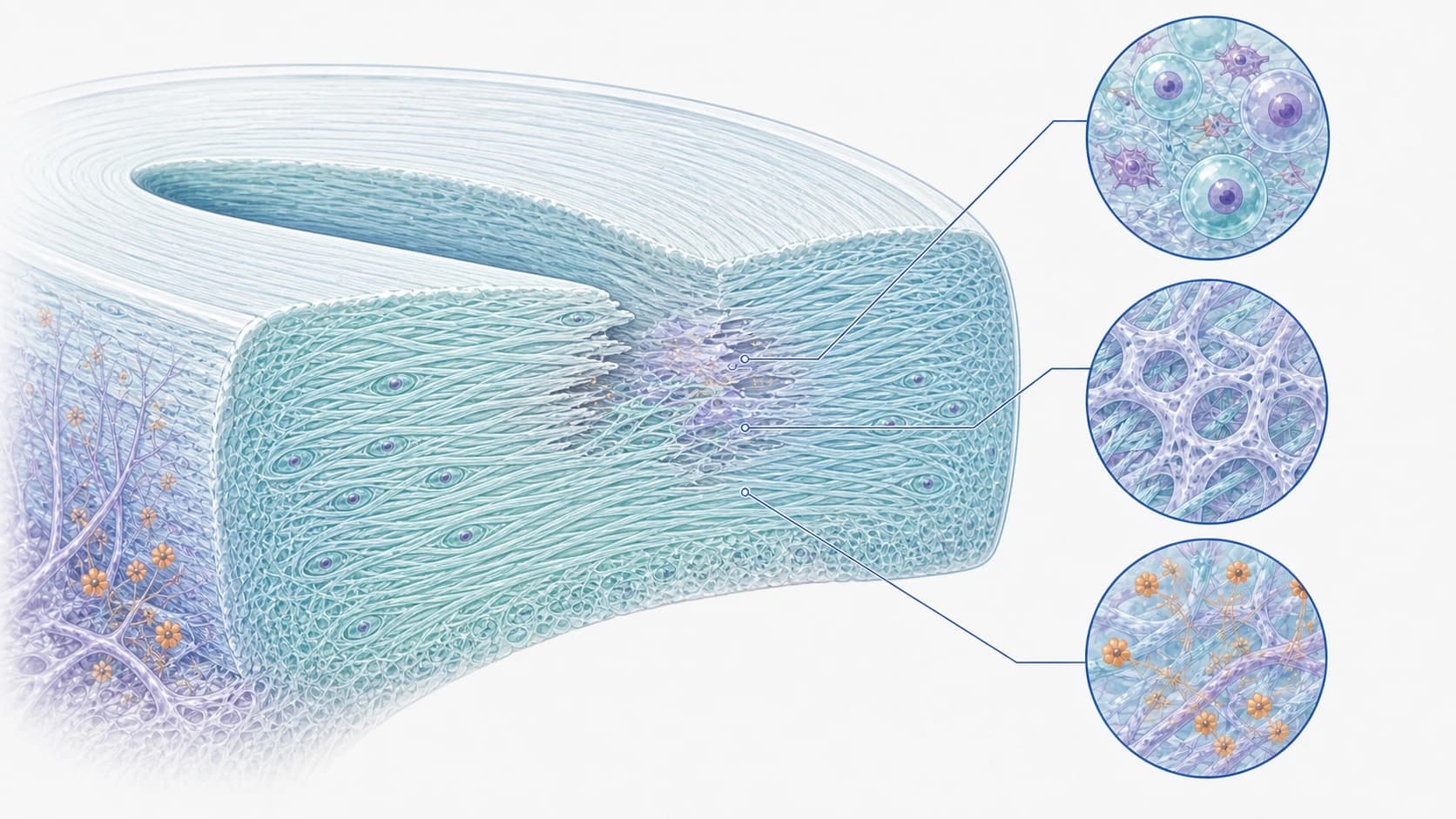
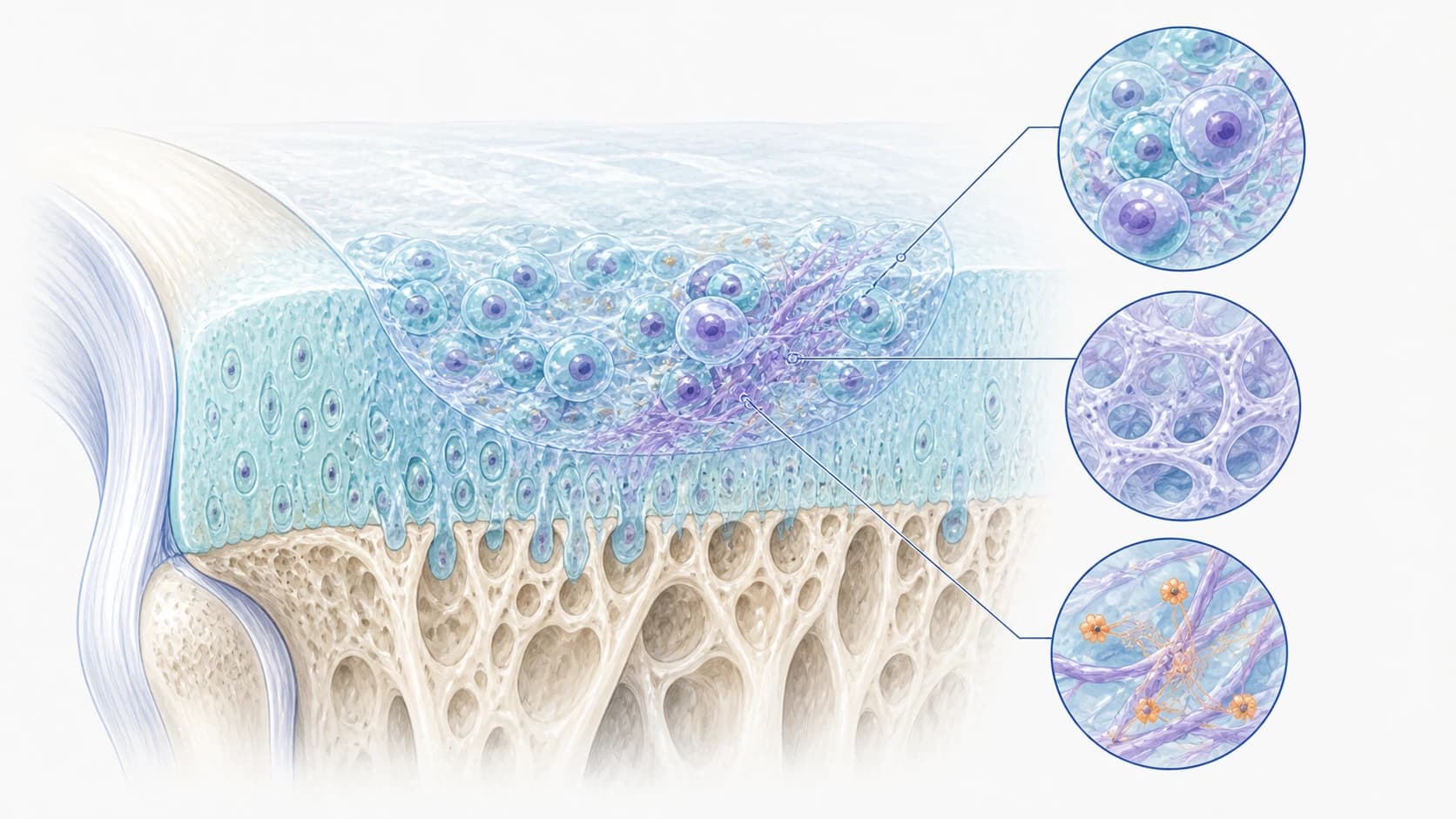
A non-arthroscopic Seed, Soil and Signal pathway using an auricular-cartilage micrograft, collagen scaffold and platelet-rich fibrin.
Consultant-led joint preservation · 66 Harley Street
Tissue-first care for cartilage, meniscus, tendon and ligament damage—combining advanced non-surgical pathways with specialist surgery when structure must be corrected.
20+ years
Specialist experience
Harley Street
Central London clinic
Start with the right category
These treatments solve different problems. Some are image-guided injections; others repair structural damage through surgery. Your diagnosis and scans—not the best-known treatment name—determine the right path.
No operation
Cartilage regeneration
A non-arthroscopic Seed, Soil and Signal pathway using an auricular-cartilage micrograft, collagen scaffold and platelet-rich fibrin.
Platelet-rich fibrin
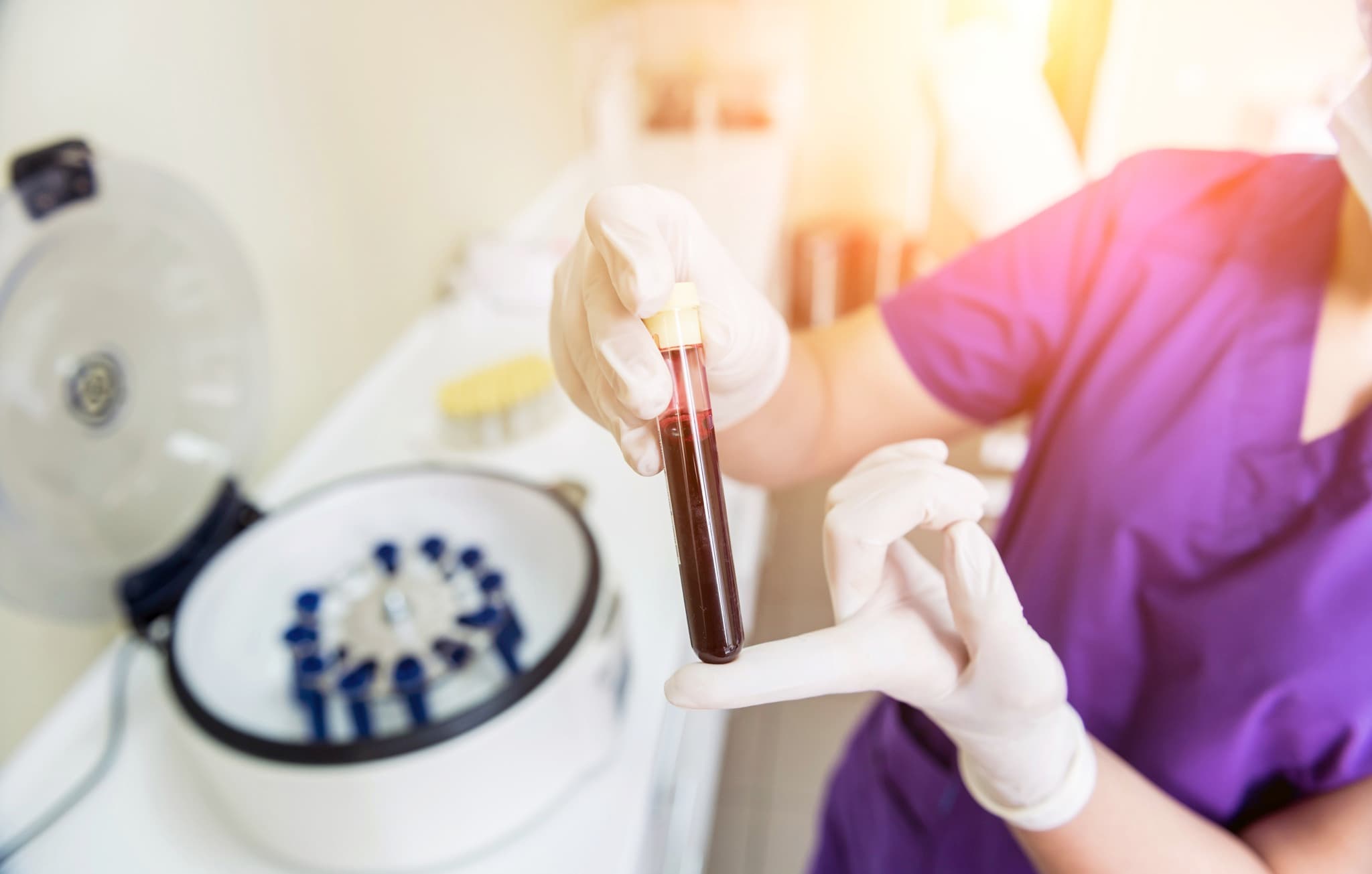
An autologous platelet-rich fibrin matrix prepared from your own blood to provide a sustained biological signal for selected joint and soft-tissue treatments.
Collagen scaffold injection
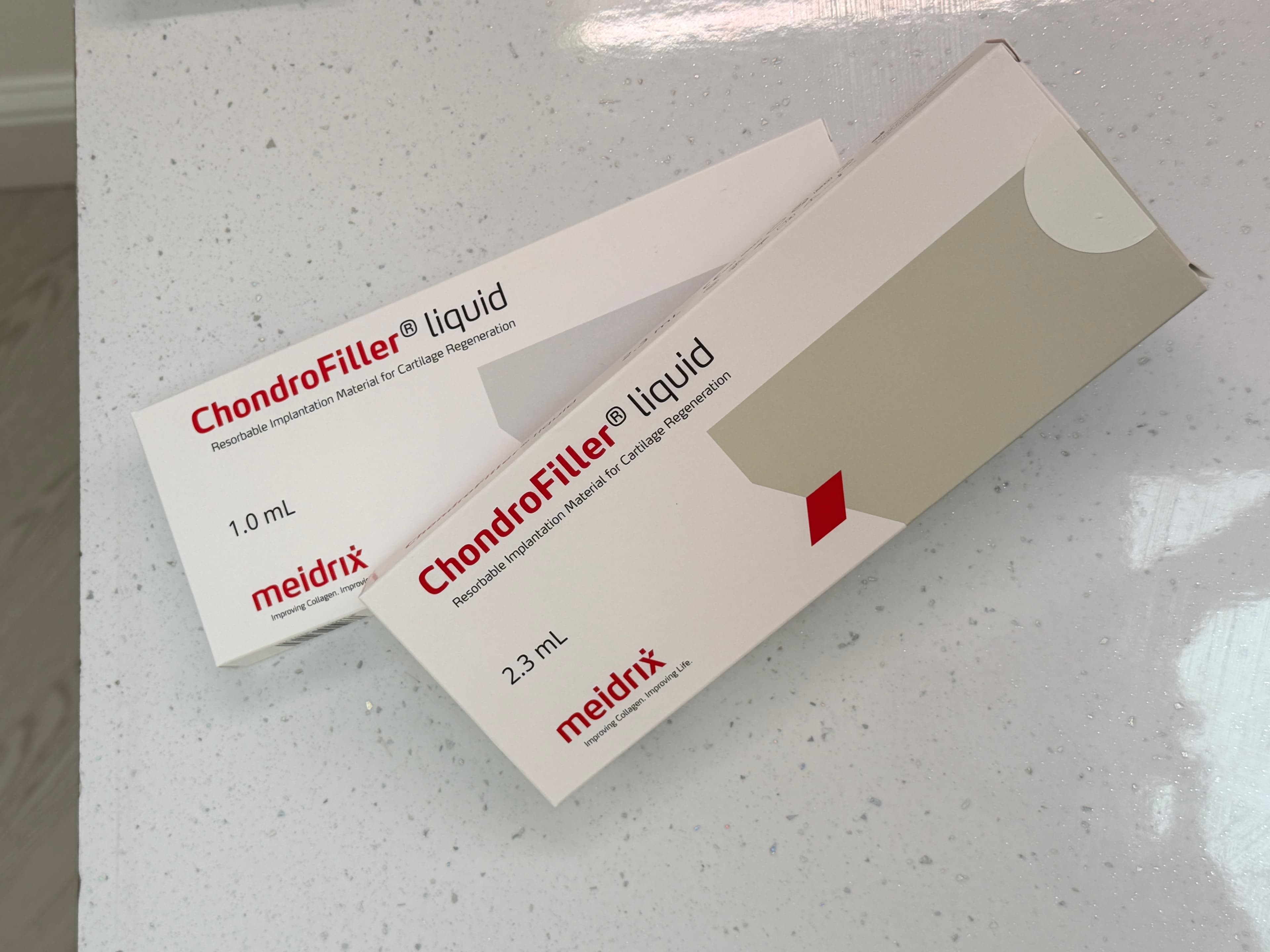
An injectable, cell-free type-I collagen scaffold for selected focal cartilage defects.
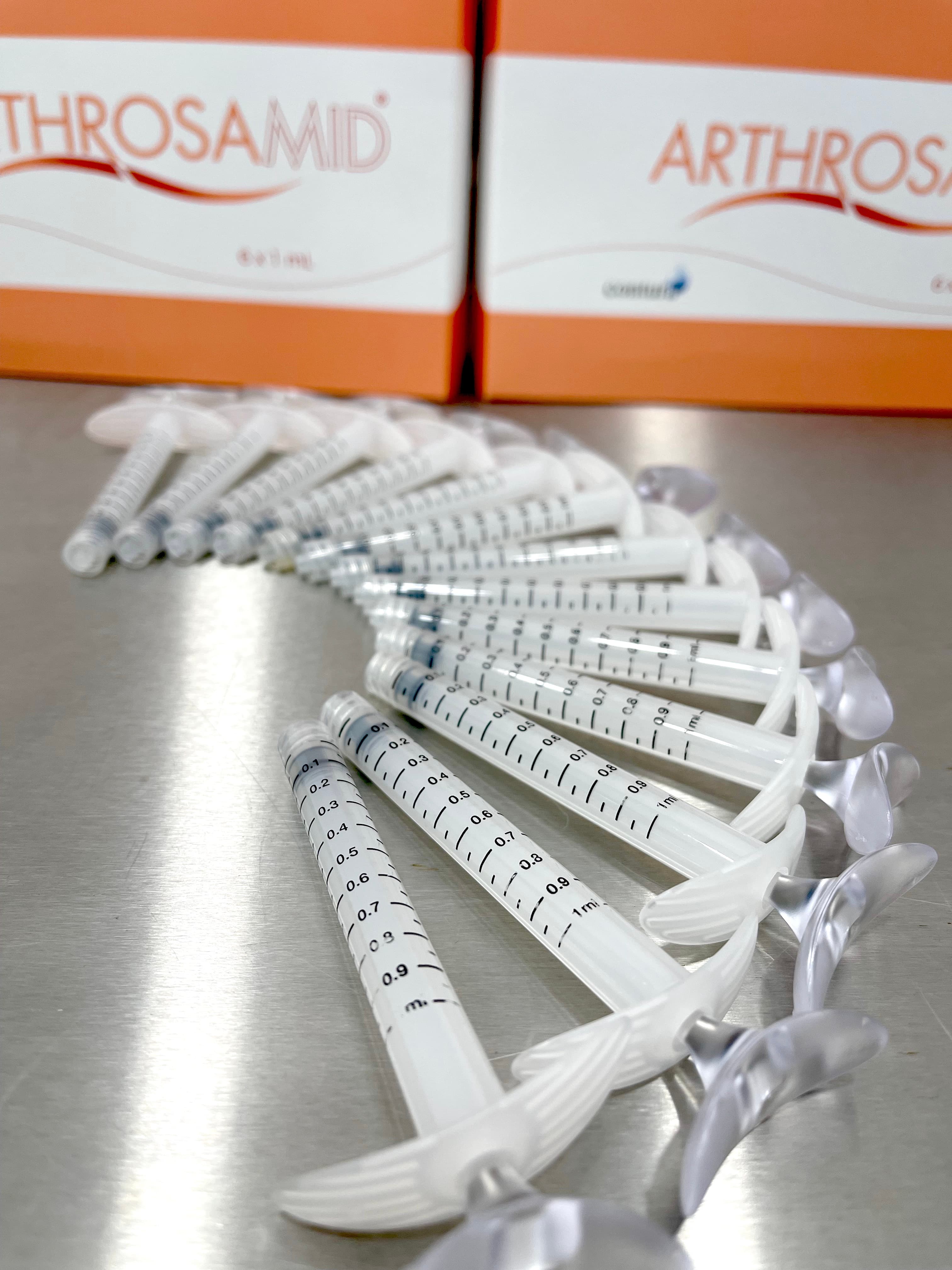
Knee osteoarthritis
A single-dose polyacrylamide hydrogel injection used to treat symptoms of knee osteoarthritis.
Operation required
Surgery is considered when a structural problem needs to be repaired, restored or replaced—not simply because pain has persisted.
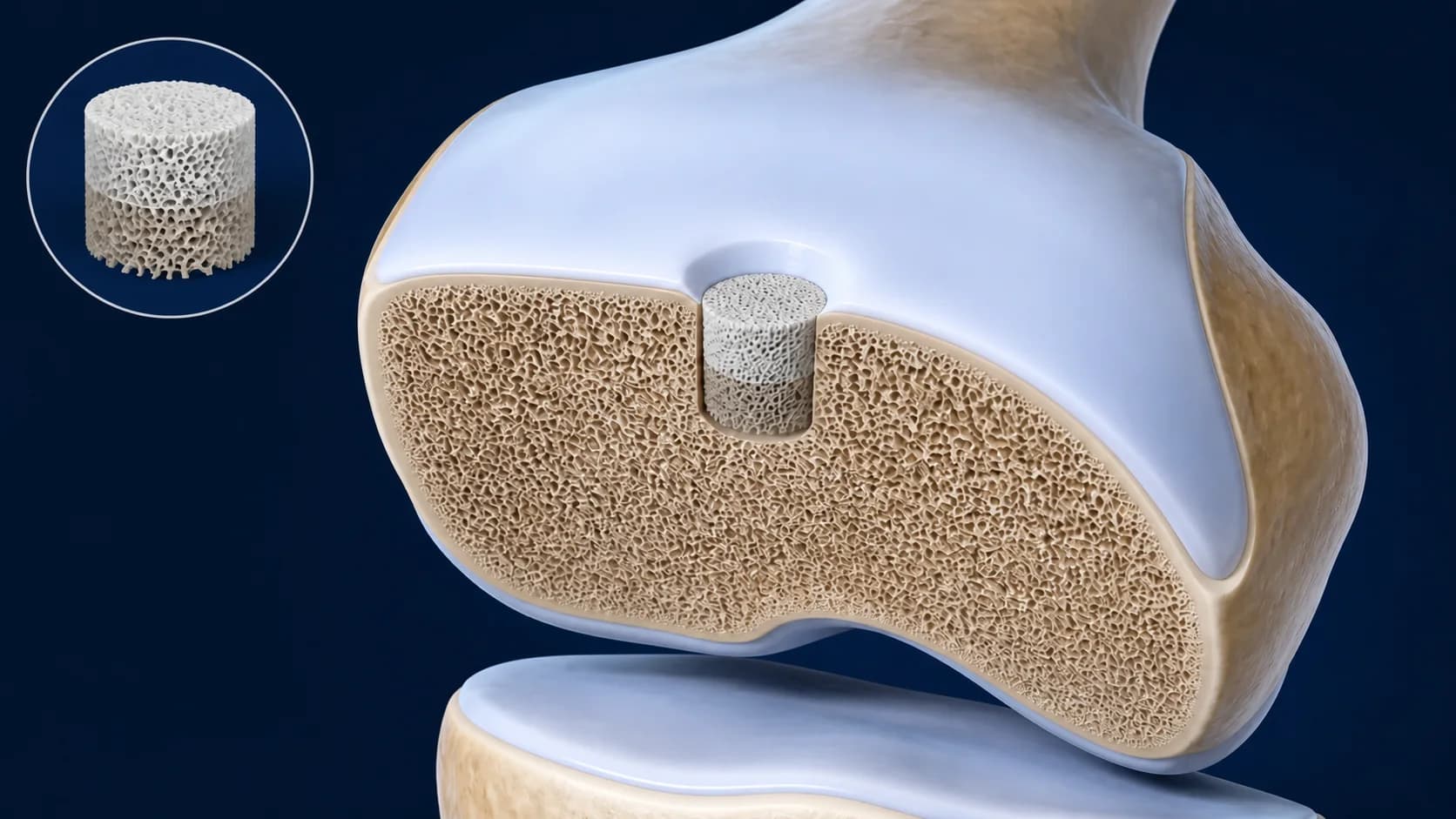
Cartilage surgery · now available
A single-stage biphasic scaffold implanted into selected knee cartilage and underlying bone defects.

STARR · tissue-preserving surgery
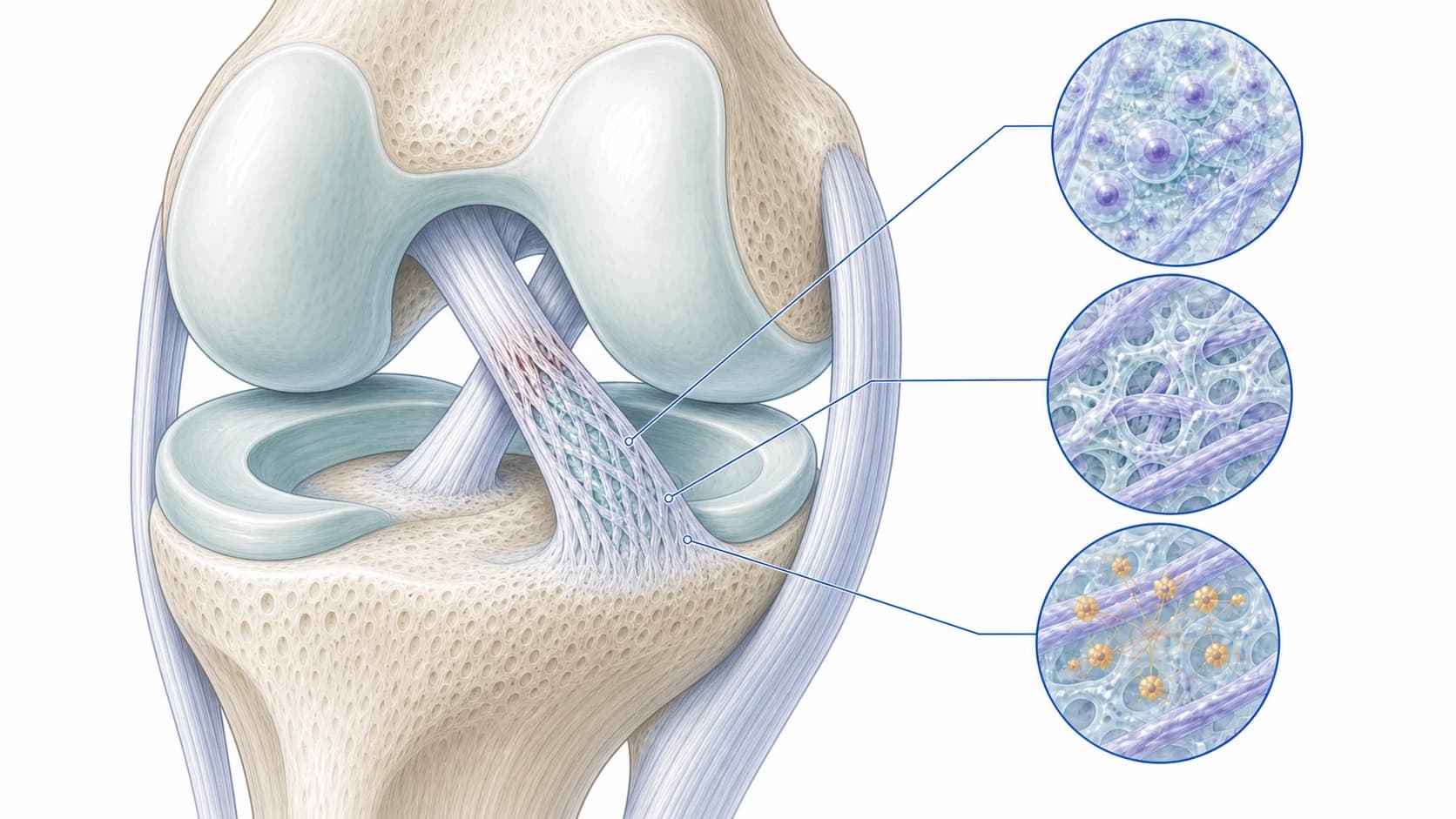
Repair of a suitable recently torn ACL while preserving the patient’s own ligament rather than taking a tendon graft.

Knee preservation surgery
Keyhole repair for selected meniscus tears where preserving the knee’s natural shock absorber remains possible.
Professor Lee's regenerative framework
Seed. Soil. Signal.
Start with the tissue and its mechanical job—not a generic injection. RegenRepair™ combines patient-derived biology, a collagen scaffold and a biological signal in tissue-specific pathways for cartilage, meniscus, tendon and ligament damage.
STARR is the cartilage-preserving ACL repair pioneered by Professor Paul Lee. No tendon graft taken from your leg, recovery in six weeks to three months, and the ligament you were born with stays where it belongs.
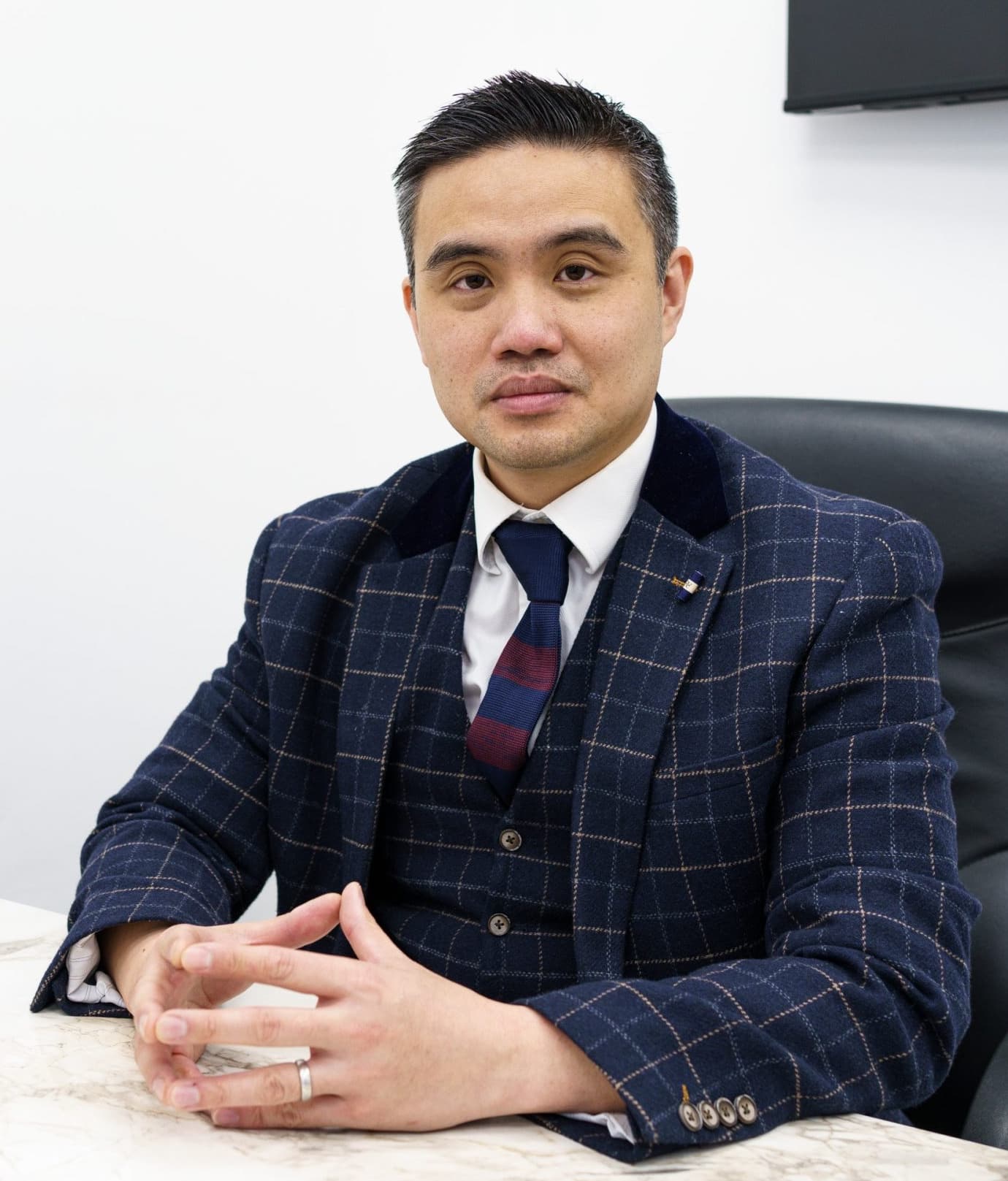
Founder & Surgical Director
MBBch, FRCS (Tr & Orth), PhD · GMC 6115197
Internationally recognised cartilage surgeon, regenerative medicine doctor, and medical engineer. Founder of London Cartilage Clinic, MSK Doctors, and The Keep Clinic. Honorary Professor at the University of Lincoln, Visiting Professor at the University of Chester, Royal College of Surgeons of Edinburgh Ambassador, and Founding President of the International Association of Regenerative Medicine.
2026 · BOA
Robert Jones Medal & Association Prize
International leadership
Founding President, IAMRegen
Cartilage education
ICRS Teaching Centre of Excellence
Featured in









Most patients arrive thinking the only path is replacement. We see your joint as a spectrum of choices, and replacement is the last resort, not the first.
Protect what you still have. Targeted injections and treatments that slow cartilage wear, manage arthritis, and keep your joint working.
Fix specific damage. A torn meniscus, a damaged ligament, a kneecap problem. Procedures that restore what is broken — time matters.
Rebuild damaged cartilage. Advanced biological treatments that stimulate your body to grow new tissue. Several available only at London Cartilage Clinic.
When other options are exhausted, replacement restores function — but only after we have explored every alternative.
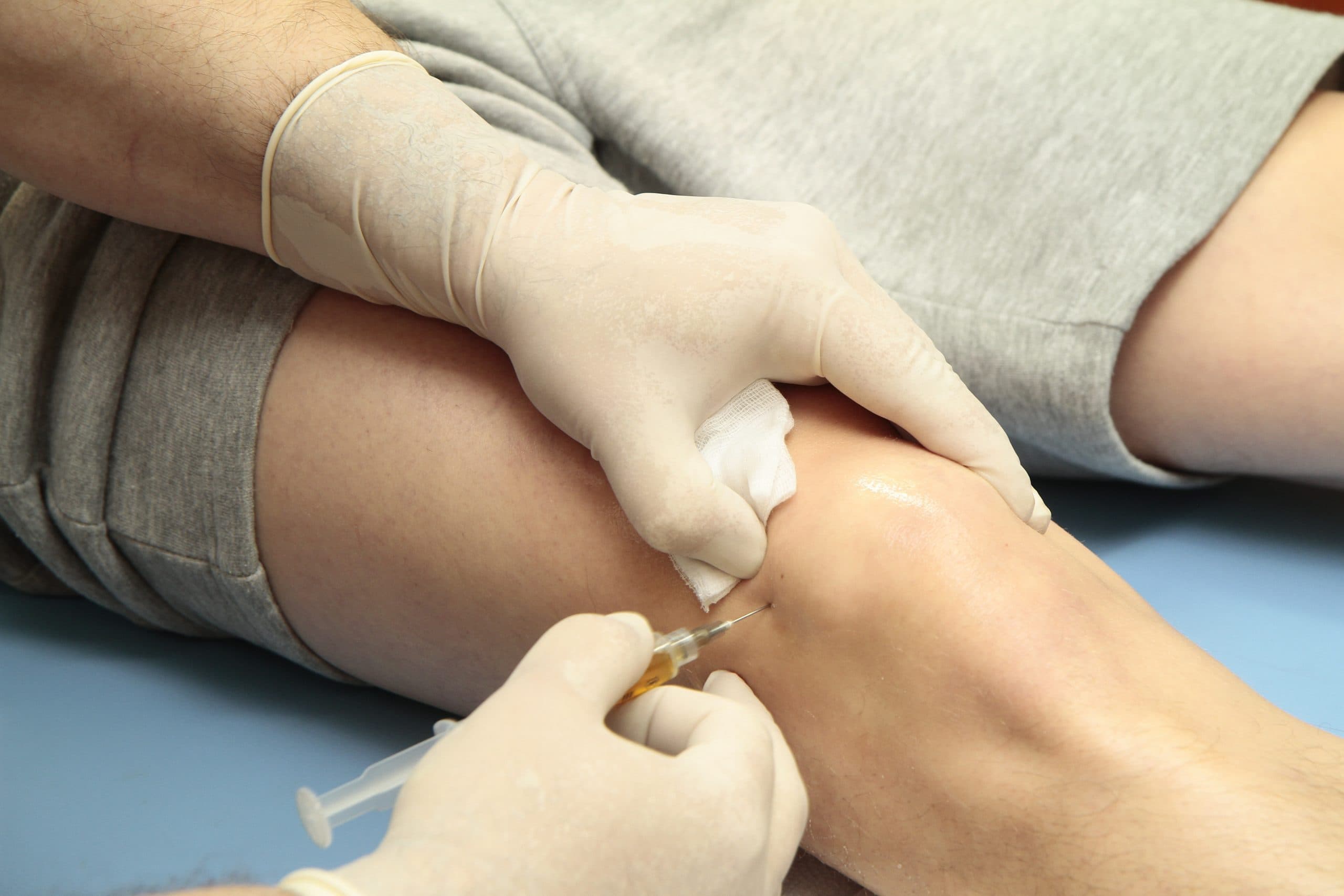
Stem Cell / Medicinal Signaling Cell therapy has proven to be a very effective way of treating symptoms of degenerative conditions in the knee. If you’re looking for the best possible option regardless of the cost, Stem Cell / Medicinal Signaling Cell injections could be right for you.
Learn More
We specialise in utilising Mesenchymal Stem Cells / Medicinal Signaling Cells (MSCs) for the regeneration and repair of cartilage. Offering an effective, non-invasive alternative to traditional surgical methods by harnessing the body's innate ability to repair tissue.
Learn More
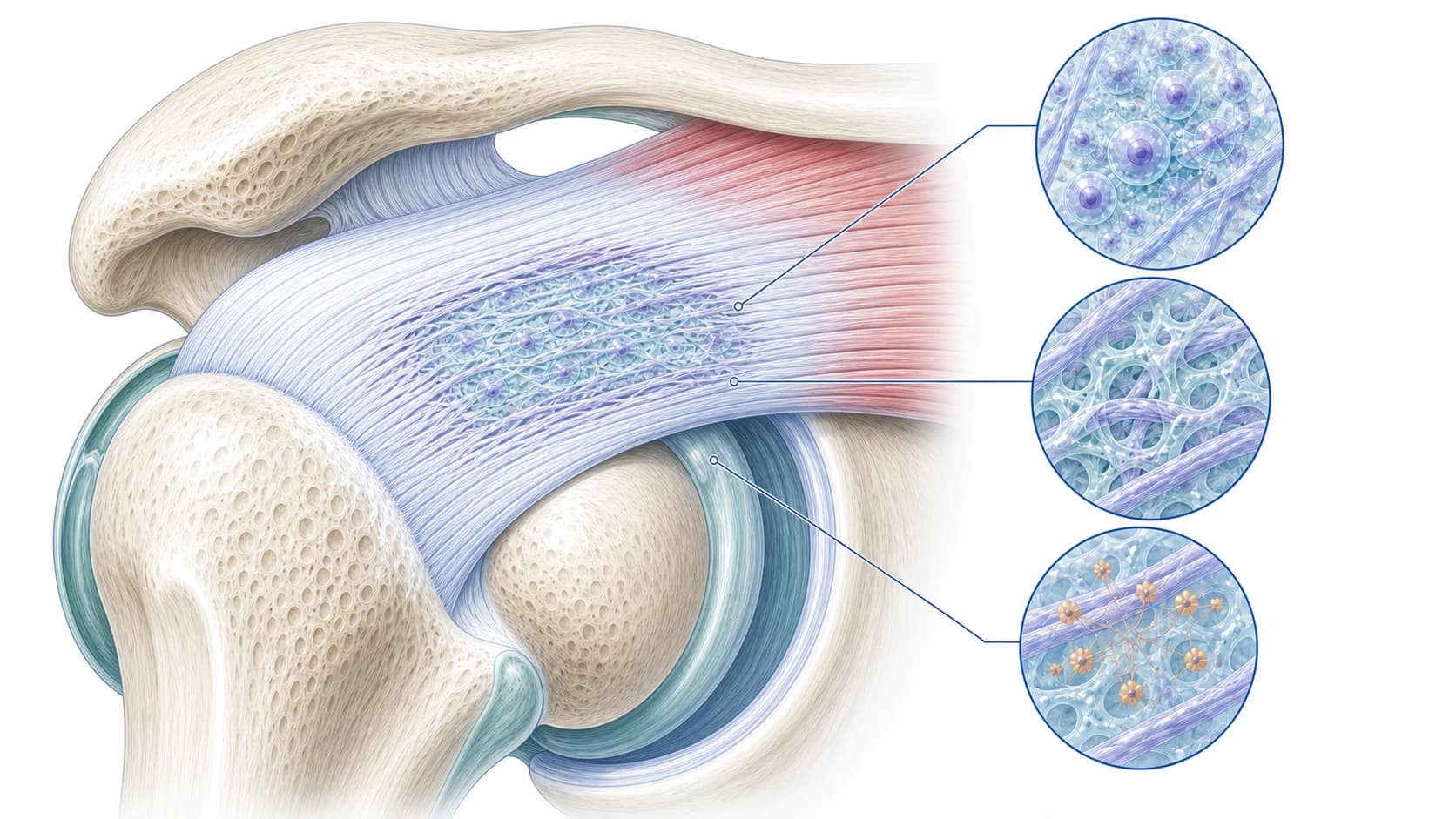
Offering state-of-the-art shoulder therapy utilising MSCs. Our innovative approach targets the natural regeneration of shoulder joint tissues, aiming to restore mobility and reduce pain without invasive surgeries.
Learn More
Our pioneering hip therapy provides non-surgical solutions using MSC regenerative capabilities. This treatment aims to enhance joint function and alleviate pain in patients experiencing chronic hip issues.
Learn MoreStem Cell / Medicinal Signaling Cell therapy has proven to be a very effective way of treating symptoms of degenerative conditions in the knee. If you’re looking for the best possible option regardless of the cost, Stem Cell / Medicinal Signaling Cell injections could be right for you.
Learn MoreWe specialise in utilising Mesenchymal Stem Cells / Medicinal Signaling Cells (MSCs) for the regeneration and repair of cartilage. Offering an effective, non-invasive alternative to traditional surgical methods by harnessing the body's innate ability to repair tissue.
Learn MoreOffering state-of-the-art shoulder therapy utilising MSCs. Our innovative approach targets the natural regeneration of shoulder joint tissues, aiming to restore mobility and reduce pain without invasive surgeries.
Learn MoreOur pioneering hip therapy provides non-surgical solutions using MSC regenerative capabilities. This treatment aims to enhance joint function and alleviate pain in patients experiencing chronic hip issues.
Learn MoreMeet the people behind the treatment journeys. Watch a short patient film, see what a clinic visit involves, and explore the next step that interests you.
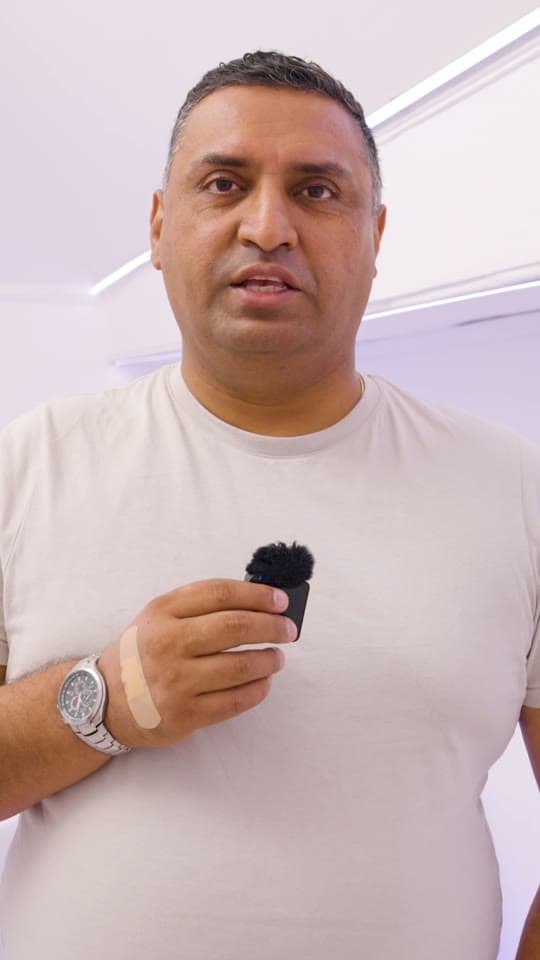
NanoACi
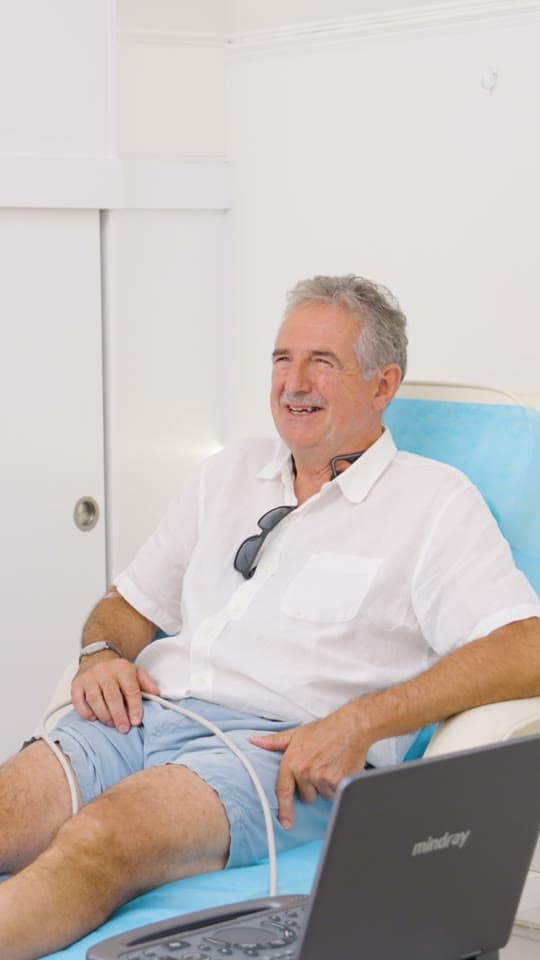
Meet Rahul and follow his visit, from treatment through to recovery support at the clinic.
Explore NanoACi suitabilityOne person’s experience. Treatment and recovery vary.
Verified patient reviews
“I had ACL surgery a few months ago and was really worried about the recovery process. A friend recommended Professor Lee and I am so glad I followed her advice. The surgery was successful, and I recovered much faster than I expected.”
Private patient
Verified
“Thank you, Professor, for reviewing all of my notes and going over the scans with me. I had consulted five private orthopaedic specialists, but none picked up on my knee plica. I am very grateful for your time and expertise.”
Private patient
Verified
“I cannot believe the incredible improvement in my knee pain since I had a meniscus repair with biological scaffolding. Professor Lee has been amazing throughout the entire process.”
Private patient
Verified
“My doctor recommended Professor Lee's meniscus repair with cells. The treatment has been very effective in reducing my pain and improving my mobility. I would highly recommend.”
Private patient
Verified
There may be options worth exploring first. A discovery call with our team is the fastest way to find out.
Each hub explains your options across all four approaches — from simple injections to advanced cartilage care.
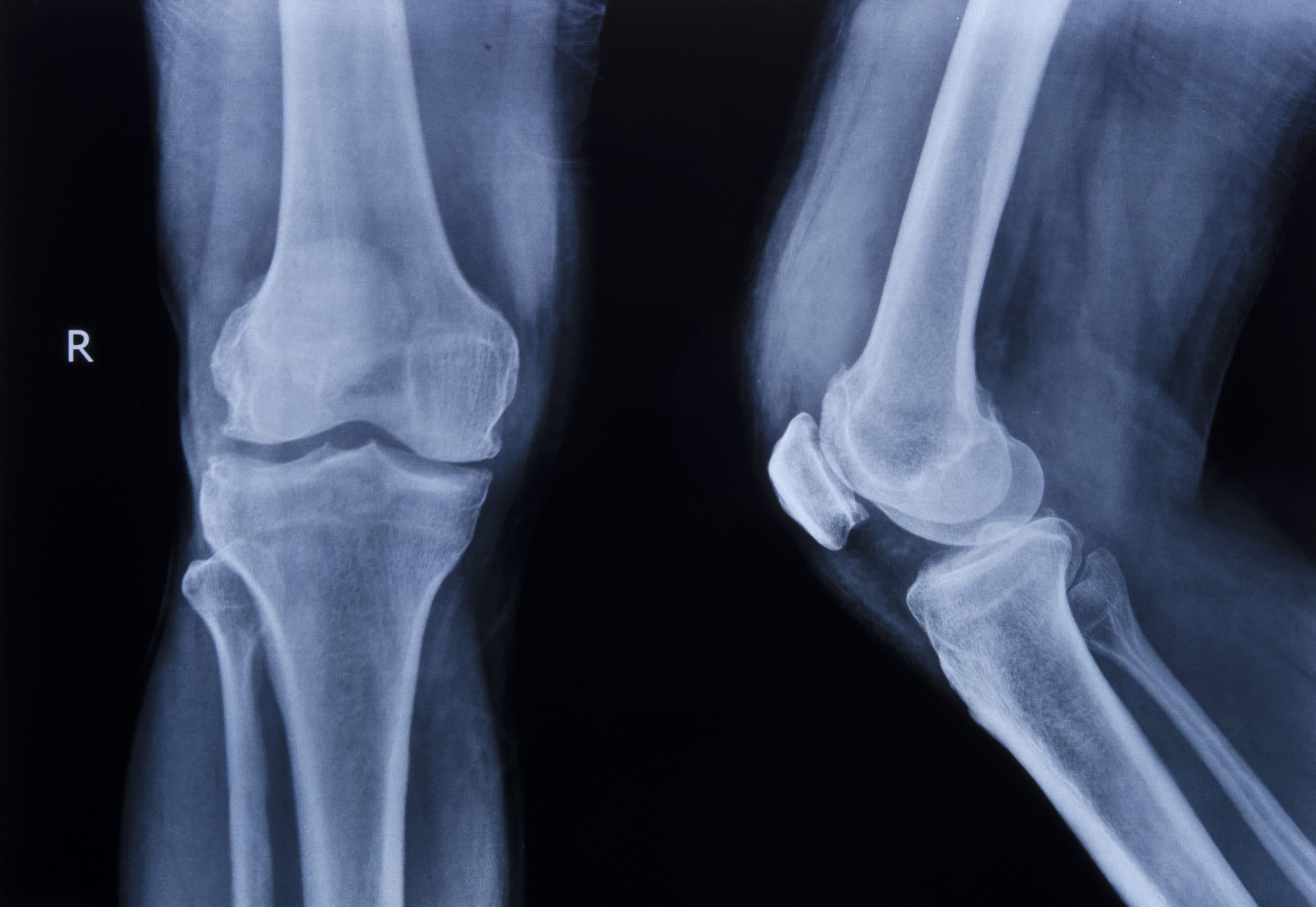
Repair, regeneration and replacement — chosen to match the size, location and depth of the defect, and your own goals.
Learn more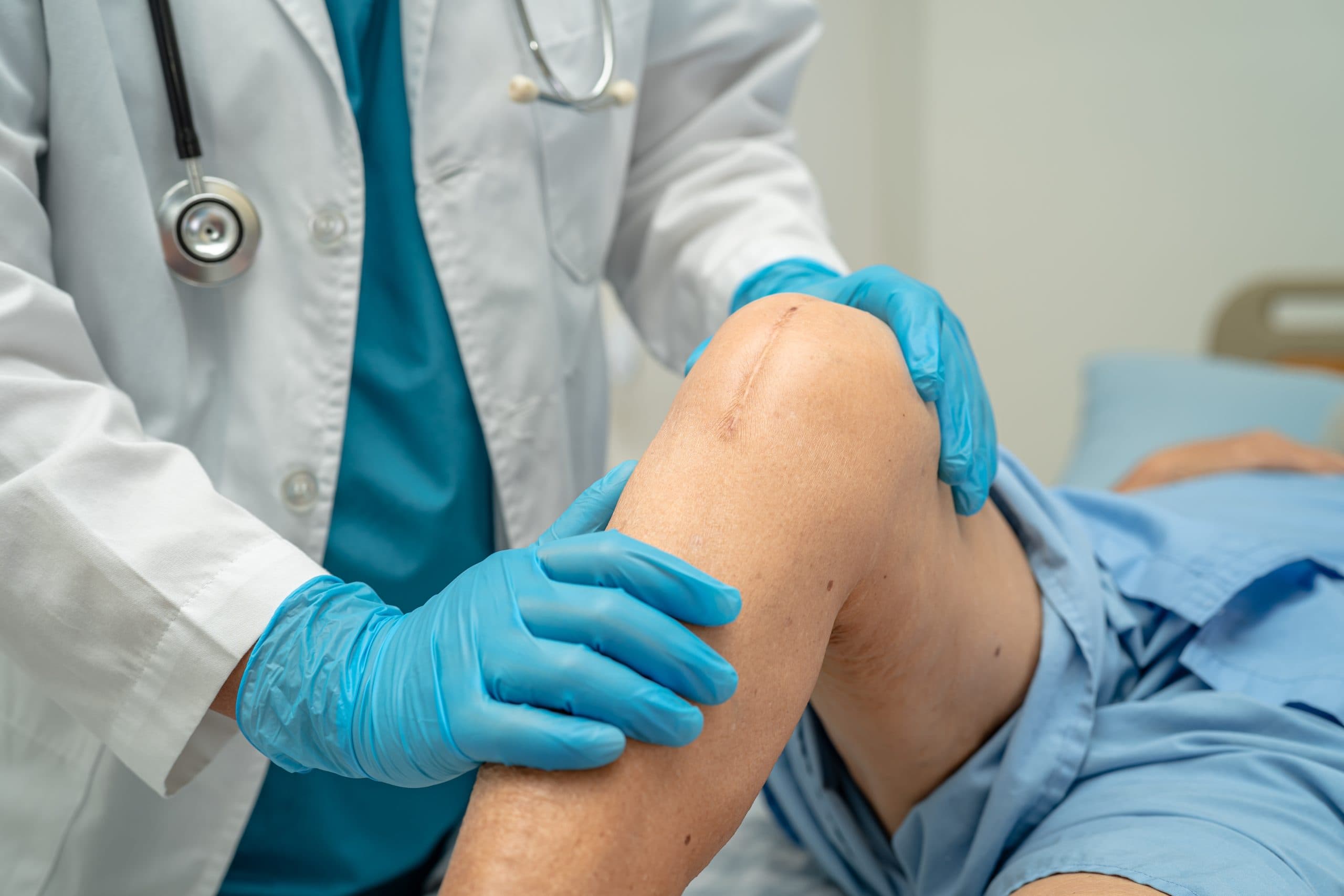
Repair, partial repair, regeneration, and replacement — keeping the meniscus where possible to protect your underlying cartilage.
Learn moreCartilage-preserving ACL repair pioneered by Professor Paul Lee. No graft harvested, recovery in six weeks to three months.
Learn moreLooking for a specialist opinion?
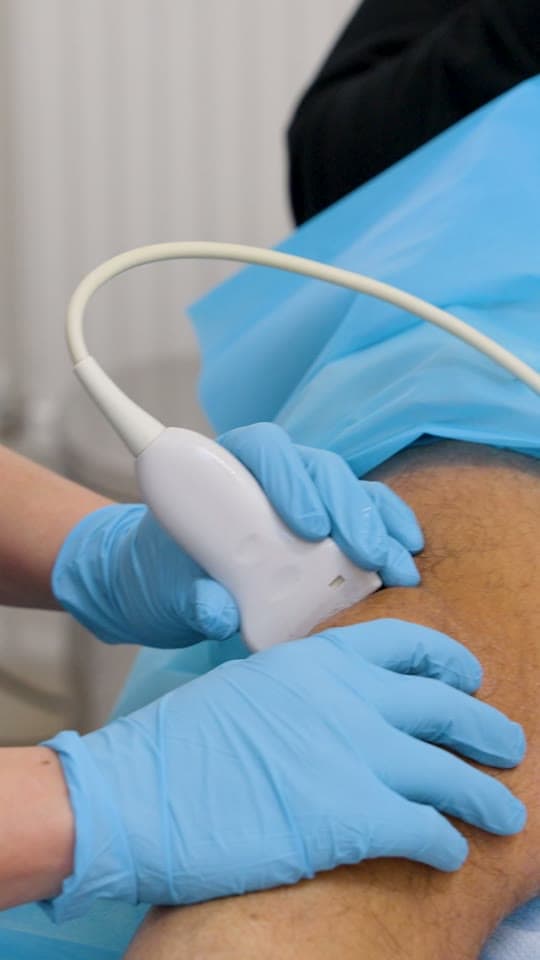
Consult with our team to discuss the best treatment path for your condition.
Ready to take the next step?
A short discovery call is the fastest way to understand what's possible for your joint — without travelling, paying, or waiting.
London Cartilage Clinic
Clinical updates, cartilage treatment guidance, and recovery-focused articles from our specialist team.

In the TRIUMPH-1 trial, retatrutide reduced knee osteoarthritis pain in people with obesity. Professor Paul Lee sets out what the result does not show and why metabolic health may matter for joint preservation.

ChondroFiller is a collagen scaffold that gels on injection and recruits the body's progenitor cells, regenerating hyaline cartilage; published data show average functional gains of 30 points with reoperation rates of 3–8% across 19,000 procedures.

Pain deep in the groin crease that worsens with sitting, squatting, and pivoting — especially with mechanical symptoms like clicking or catching — signals femoroacetabular impingement or labral tear, not muscle strain; diagnostic delay narrows the window for joint-preserving surgery.