







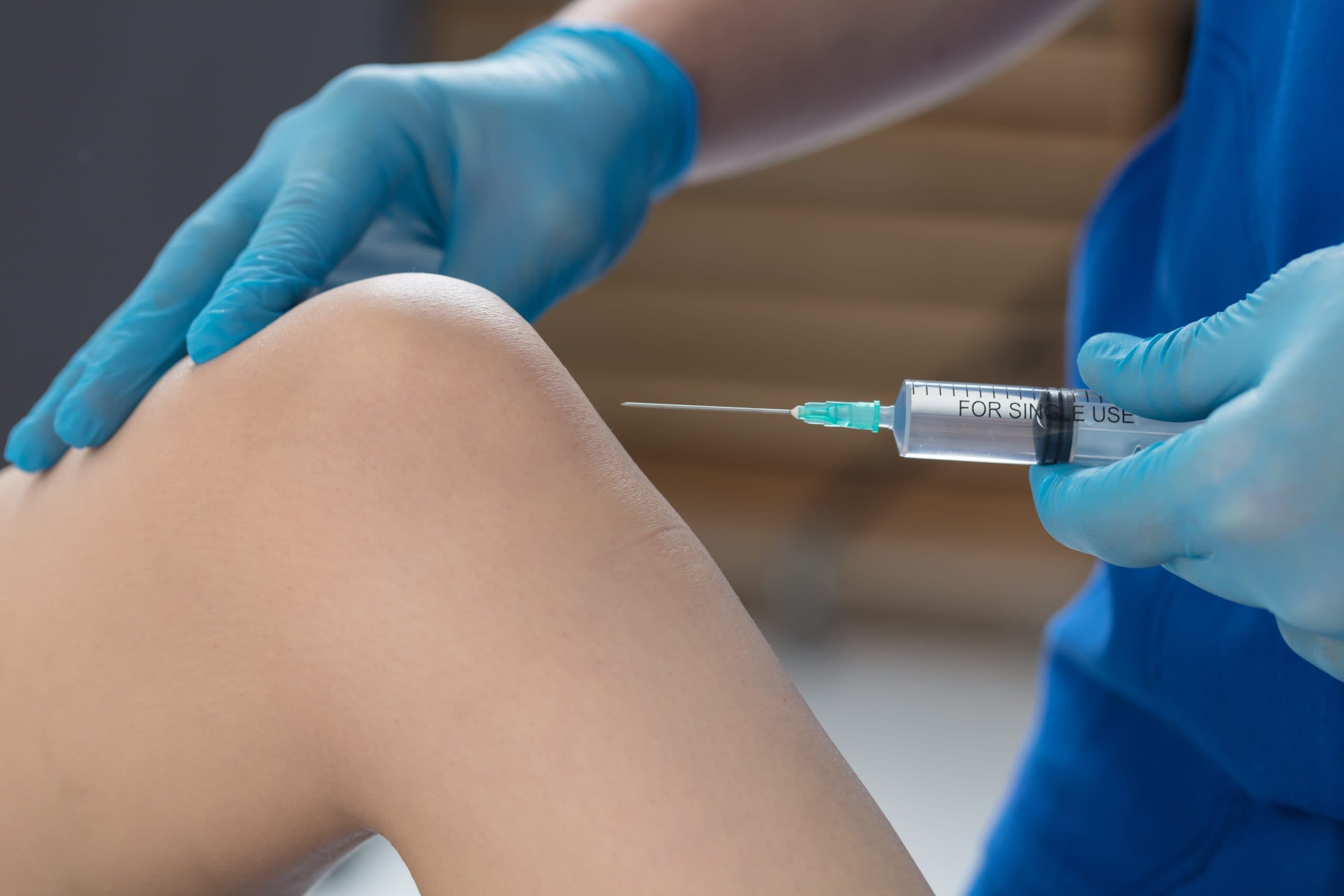



Needle positioned near knee with blue gloves

BMAC Injection

From £3,000
View Price List

Guide price only. Final cost is confirmed after assessment.

BMAC (Bone Marrow Aspirate Concentrate) injection is an advanced regenerative therapy offered at the London Cartilage Clinic. This cutting-edge treatment utilizes the healing properties of the patient's own bone marrow cells to treat various knee conditions, including osteoarthritis, sports injuries, and cartilage damage. BMAC injections are minimally invasive and provide a promising alternative to more extensive knee surgeries.

Surgeon in blue scrubs performing procedure

How BMAC injection works from marrow to treatment site

BMAC therapy uses your own bone marrow aspirate, concentrated to increase the cellular and growth-factor components delivered to the affected area.

  • Bone marrow is aspirated under sterile, controlled conditions.
  • The sample is processed to concentrate regenerative components.
  • Prepared BMAC is injected with targeted image guidance.

This approach aims to reduce inflammation, improve function, and support tissue repair while avoiding more invasive surgery in selected cases.

Why choose BMAC for knee pain management

BMAC is often selected for patients seeking a biologic, minimally invasive option for degenerative or sports-related knee conditions.

  • Potential improvement in pain, mobility, and activity tolerance.
  • Lower procedural burden than major reconstructive surgery.
  • Can be incorporated into a wider rehabilitation and injection pathway.

At London Cartilage Clinic, BMAC protocols are specialist-led and individualised to your pathology, imaging findings, and recovery goals.

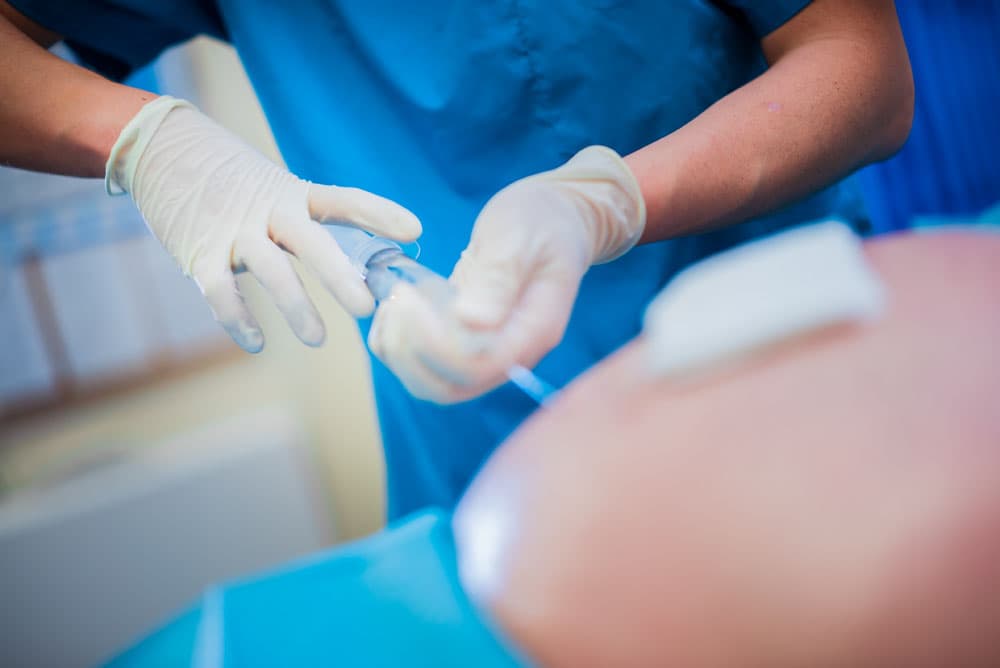
Gloved hands preparing injection material

You may have more options than you think

Most patients have more treatment options than they have been told

At London Cartilage Clinic we follow a structured clinical framework across four areas of treatment. Before recommending a single procedure, we assess which combination of approaches gives you the best outcome.

Preserve

Protect what you have. Slow degeneration and manage symptoms.

Repair

Fix specific damage. Torn tissue, unstable joints, structural problems.

Regenerate

Rebuild lost tissue. Biological treatments that stimulate new growth.

Replace

When other options are exhausted. Joint replacement as a last resort.

This treatment can be applied across multiple joints. Select yours to see the full range of options we offer, organised by clinical approach.

Explore All Treatment Options
consulting-in-office-with-pen

Frequently Asked Questions

What Conditions Can BMAC Injection Treat?

BMAC injections are effective in treating a range of knee conditions, including osteoarthritis, sports-related injuries, and cartilage degeneration.

Is the BMAC Injection Procedure Painful?

Patients typically experience minimal discomfort during the BMAC injection procedure. Local anesthesia is used to ensure patient comfort.

How Long Does It Take to See Results After a BMAC Injection?

Results can vary, but many patients report improvement in pain and mobility within a few weeks of the treatment. The full benefits of the injection may continue to develop over several months.

Still have more specific concerns?

Free Discovery Call

London Cartilage Clinic

Latest Insights

Clinical updates, cartilage treatment guidance, and recovery-focused articles from our specialist team.

Bioactive Gels for Natural Cartilage Regrowth and Joint Health
Eleanor Hayes

Bioactive Gels for Natural Cartilage Regrowth and Joint Health

Bioactive gels represent a groundbreaking advancement in cartilage repair, promoting the natural regrowth of durable hyaline cartilage rather than just symptom relief. These gels serve as scaffolds attracting chondrocytes and stem cells to regenerate smooth, shock-absorbing cartilage, offering an innovative alternative to traditional joint injections. Clinical studies demonstrate their efficacy in filling cartilage defects, improving joint function, and reducing pain. Technologies include collagen-based and peptide-based gels that closely mimic natural cartilage matrix, enhancing cellular regeneration. Led by experts like Professor Paul Lee at the London Cartilage Clinic, these treatments combine advanced gel therapies with personalized rehabilitation for optimal outcomes. While ongoing research continues, bioactive gels offer promising long-term solutions for osteoarthritis and cartilage injury patients seeking genuine healing and improved mobility.

Dietary Strategies for Healthy Knee Cartilage
Eleanor Hayes

Dietary Strategies for Healthy Knee Cartilage

Discover how diet plays a crucial role in maintaining and repairing knee cartilage to reduce discomfort and improve mobility. Backed by expert insights and scientific research, this guide highlights key nutrients like proteins, antioxidants, omega-3 fatty acids, vitamin D, and zinc that support cartilage health. Explore top foods such as lean meats, oily fish, legumes, colorful fruits, and leafy greens, alongside Mediterranean diet principles to protect joints. Learn about the benefits of collagen supplements and practical meal ideas to incorporate these nutrients daily. Avoid processed foods and inflammatory diets that can accelerate cartilage wear. For lasting joint health, embrace balanced nutrition combined with professional orthopaedic guidance for optimal knee care.

Inflamed Meniscus Symptoms and Management in the UK
Eleanor Hayes

Inflamed Meniscus Symptoms and Management in the UK

An inflamed meniscus, a crucial knee cartilage, causes pain, swelling, and stiffness impacting mobility. Common in athletes and older adults, inflammation arises from injury, overuse, or aging. Effective management ranges from rest and physiotherapy to surgery for severe cases. Recent studies link inflammation to osteoarthritis progression and explore molecular mechanisms like microRNAs affecting healing. Early expert assessment ensures accurate diagnosis and personalised treatment. Specialist care, as provided by orthopaedic experts like Professor Paul Lee, supports optimal recovery and pain-free movement. Awareness of symptoms and timely intervention are key to restoring knee function and preventing long-term joint damage.

Privacy & Cookies Policy