








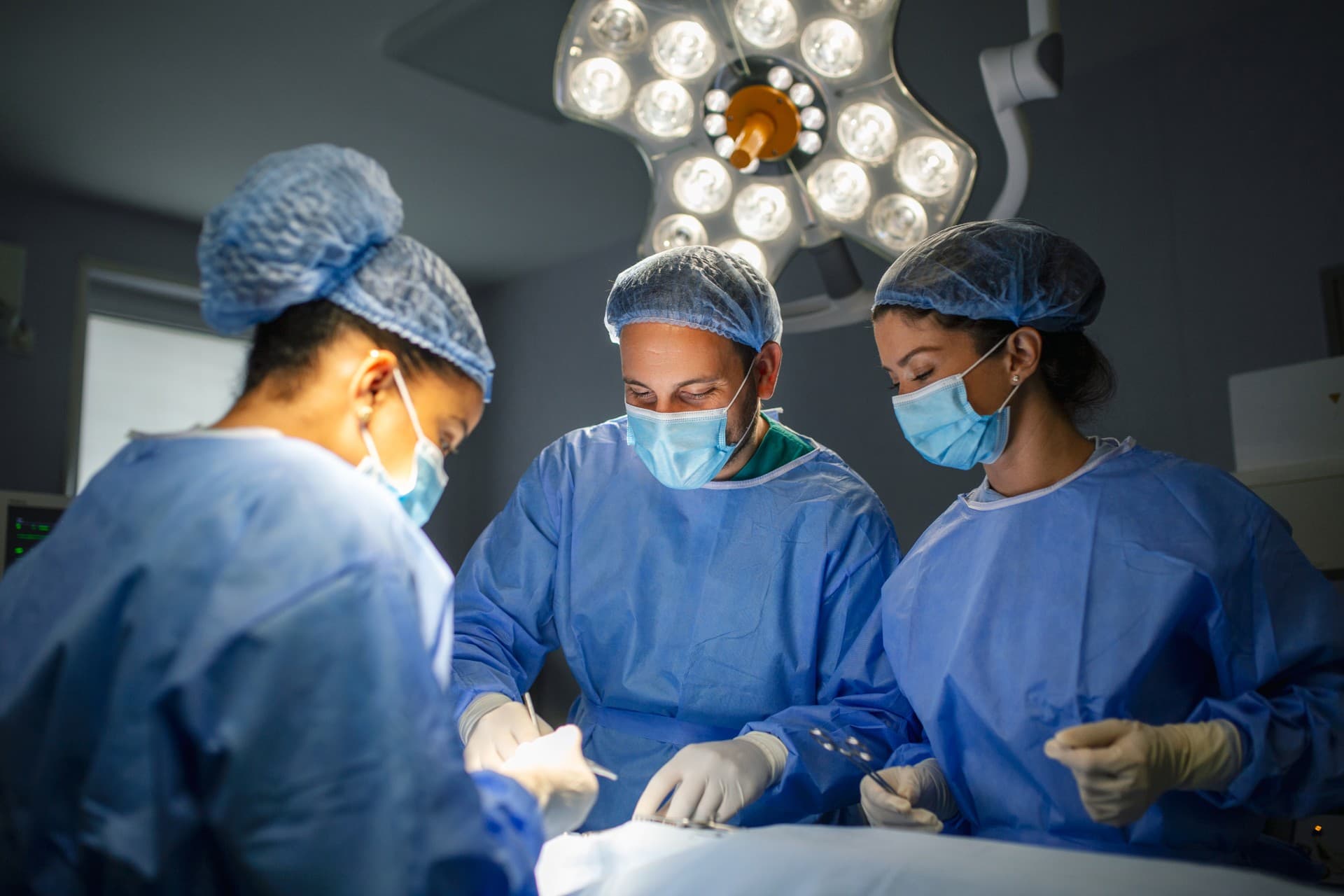
The Surgical Pathway
LCSLiquid Cartilage™ Surgery: ChondroFiller® scaffold and MSC co-delivery, in a single keyhole procedure.
Our proprietary technique pairs the ChondroFiller® collagen scaffold with medicinal signalling cells (MSCs) from the patient’s own bone marrow, fat or platelet-rich fibrin — co-delivered under arthroscopic vision in a single surgical visit. Flat £9,800, as a fixed price.
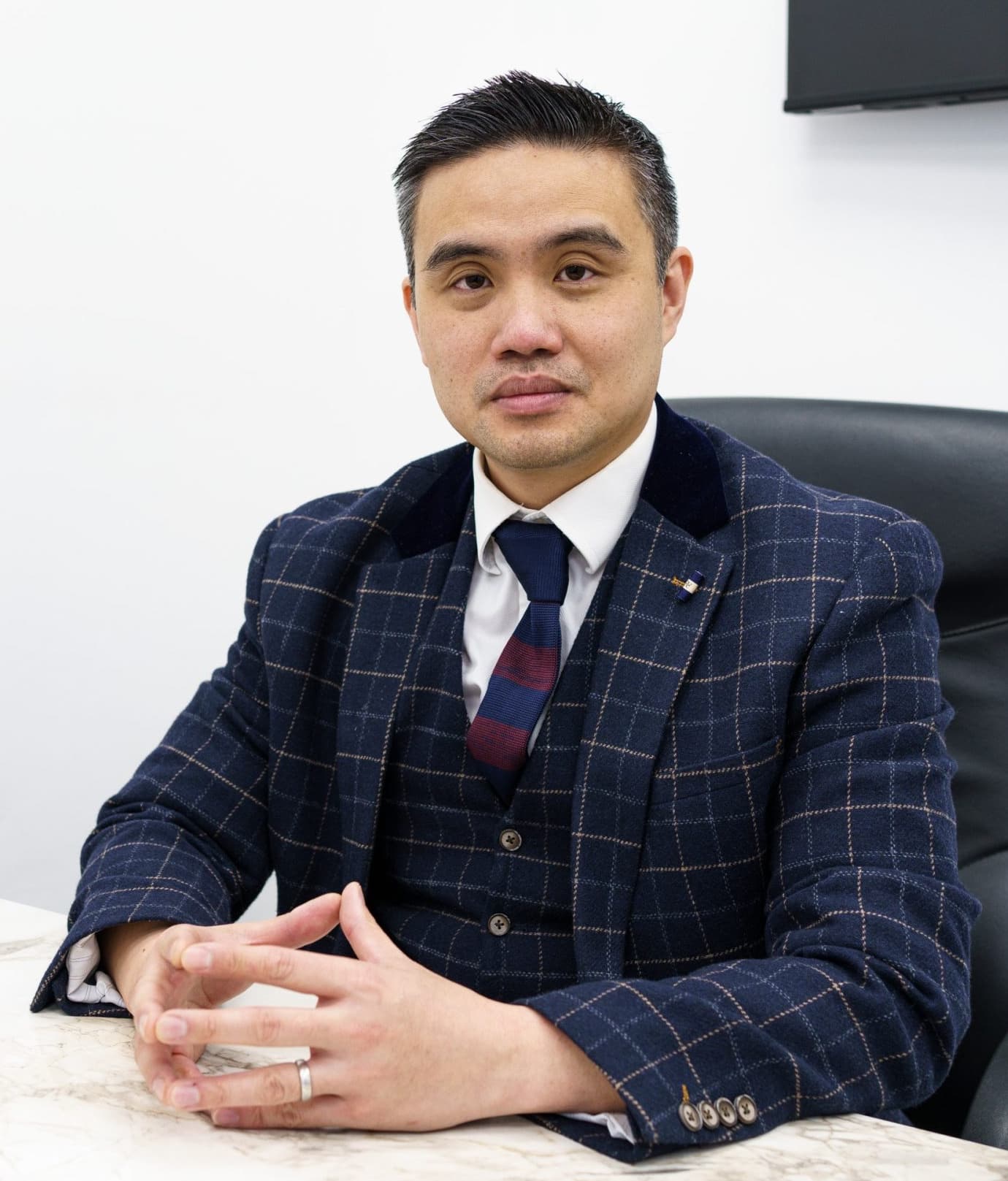 Reviewed byProfessor Paul Lee MBBch, FRCS (Tr & Orth), PhDCartilage and joint preservation expertise
Quick Answer
LCS (Liquid Cartilage™ Surgery) is our proprietary keyhole-surgery technique for cartilage repair. It pairs a collagen scaffold (the ChondroFiller® product) with medicinal signalling cells (MSCs) — taken from the patient’s own bone marrow, fat or platelet-rich fibrin — co-delivered under arthroscopic vision in a single procedure. Flat £9,800 inclusive of imaging review, anaesthetic, the surgical venue, the product, MSC co-delivery, IV antibiotic cover and the post-operative review schedule. It is the right answer for cartilage defects too large or complex for a stand-alone in-clinic injection, or where the combined scaffold-plus-cells biology is clinically appropriate.
Liquid Cartilage™ at London Cartilage Clinic
Treatment at a glance
- Location
- Consultation at 66 Harley Street; surgery at our Weymouth Street venue
- Procedure
- Single-stage keyhole arthroscopy with ChondroFiller® scaffold and MSC co-delivery
- Best suited for
- Focal cartilage defects too large or complex for a stand-alone injection, with surrounding cartilage reasonably preserved
- Led by
- Professor Paul Y.F. Lee, with anaesthetic care from Dr Sara McNeillis
- Price
- £9,800 flatNo box-tier upgrades; same price regardless of defect size within single-stage keyhole repair limits.
- Includes
- Imaging review, anaesthetic, surgical venue, ChondroFiller product, MSC co-delivery, IV antibiotic cover, post-operative review schedule. Consultation (£350) charged separately
- Access
- Self-funded private treatment (not NHS or PMI)
- Next step
- Free discovery call or paid consultation with imaging review
The Single-Stage Procedure
How Liquid Cartilage™ works
One arthroscopic visit, scaffold and cells delivered together, regenerative biology playing out over the following months.
“Liquid Cartilage™ is like regenerating a specific damaged section of road, where the road is sound overall but one area is broken through. That area is excavated and rebuilt so the surface regrows. Because the body has to regenerate new tissue at that site, suitability is about biological age, not chronological age, and that is what we assess at consultation.”
- 1
Map the defect
Arthroscopic access under anaesthetic. The cartilage defect is examined directly and prepared, with any unstable or damaged tissue tidied at the same time.
- 2
Harvest MSCs
Medicinal signalling cells are taken from the patient’s own bone marrow, fat or platelet-rich fibrin (chosen at consultation) and concentrated at the point of care.
- 3
Co-deliver scaffold + cells
The ChondroFiller® collagen scaffold and the prepared MSC concentrate are co-delivered into the defect under direct arthroscopic vision. The scaffold sets in minutes.
- 4
Regenerate over months
Cells migrate into the scaffold and lay down new cartilage matrix over six to twelve months. Graded rehabilitation alongside tissue formation.
Watch: The Scaffold Biology
ChondroFiller® scaffold and cell migration, on video
A short manufacturer video showing how the ChondroFiller® collagen scaffold is placed into a cartilage defect and how cells migrate in to rebuild tissue. In Liquid Cartilage™, that scaffold is paired with medicinal signalling cells in a single arthroscopic procedure — the biology shown here is the foundation; the MSC co-delivery is what makes it Liquid Cartilage™.
ChondroFiller® is a registered trademark of Meidrix Biomedicals GmbH.
A core part of this approach
Your own living cells, working inside the scaffold
This approach pairs the ChondroFiller scaffold with MSC (Medicinal Signalling Cells), your body's own repair cells, in the same visit. The scaffold gives new tissue a structure to form into; the cells add the biological signal that supports the rebuilding. In early studies the combination has shown even greater improvement than the scaffold alone.
Harvest, on the day
Your own Medicinal Signalling Cells (MSC) are gently harvested during your appointment, from bone marrow, fat or platelet-rich fibrin. The source is chosen with you at consultation.
Load into the scaffold
The cells are placed inside the ChondroFiller collagen scaffold. The scaffold holds them exactly where they are needed, so they stay put rather than dispersing.
Stay and rebuild
Held in place, the cells add a biological signal that supports the cells doing the rebuilding, working alongside the scaffold to drive regeneration.
The cell source and handling are agreed at your consultation with Professor Lee.
Patient Selection
Who is suitable for Liquid Cartilage™?
Liquid Cartilage™ is for defects in the middle of the cartilage-disease ladder — bigger than what an injection comfortably treats, but the joint is still salvageable.
Good candidates may include
- Focal cartilage defects too large or multi-zone for a stand-alone injection.
- Cases where the surrounding cartilage is reasonably preserved and the subchondral bone plate is stable.
- Patients who want both a scaffold and an MSC signal in one procedure rather than a two-stage cell-based pathway.
- Patients fit for a single-stage keyhole anaesthetic, with realistic recovery expectations.
Where caution is needed
- Diffuse bone-on-bone osteoarthritis — replacement is usually the right answer and we will say so honestly.
- Significant subchondral bone irregularity or oedema requiring a bony component.
- Patients medically unfit for general or regional anaesthetic.
- Patients whose imaging supports a stand-alone ChondroFiller® injection — surgery is over-treatment when an injection will do the job.
Where It Sits Among the Alternatives
How Liquid Cartilage™ compares
The cartilage-repair toolkit has several options. The right one depends on defect size, location and the patient picture — not on which technique is fashionable. Here is how Liquid Cartilage™ sits among the main alternatives.
vs the in-clinic ChondroFiller® injection
The in-clinic injection delivers the same scaffold under ultrasound, in clinic, without anaesthetic. Liquid Cartilage™ adds two things: keyhole access, so the defect can be prepared and the scaffold placed under direct vision; and MSC co-delivery, so cells and signal are added at the same time. The injection is the right answer for smaller, accessible defects; Liquid Cartilage™ is the step up when the defect is larger, multi-zone, or where the combined scaffold-plus-cells biology is wanted.
vs microfracture
Microfracture is bone-marrow-stimulation surgery: small holes drilled through the subchondral bone plate so a clot forms and matures into fibrocartilage. Liquid Cartilage™ targets the same focal-defect indication but aims for more hyaline-like repair tissue, with no drilling of the bone plate and the added MSC signal.
vs MACI and ACI (cell-based implantation)
MACI and ACI deliver cultured chondrocytes — the patient’s own cartilage cells grown in a specialist laboratory over four to six weeks — at a second surgery. Liquid Cartilage™ is single-stage: the scaffold and the cells (MSCs, not laboratory-expanded chondrocytes) are delivered together at the same procedure. Different cellular source, different biology, single visit.
vs stem cell or PRP injection alone
Stand-alone biologic injections add cells or growth factors but no scaffold to fill the defect. Liquid Cartilage™ pairs the cells with a structural scaffold in a single procedure — the cells have somewhere to settle and rebuild, not just a signal floating in the joint cavity.
vs knee replacement
Liquid Cartilage™ is joint-preservation surgery for salvageable joints with a focal defect; knee replacement is the definitive operation for end-stage bone-on-bone arthritis. Liquid Cartilage™ is not a substitute where replacement is the clinically appropriate answer, and we will say so honestly when that is the case.
The underlying ChondroFiller® scaffold has a longer publication record on its own. For the detailed scaffold-side comparisons against microfracture, MACI, ACI, PRP, stem-cell injection and knee replacement, see the ChondroFiller® comparison pages — the same scaffold biology applies; Liquid Cartilage™ adds the MSC co-delivery and surgical access.
Cost
Flat £9,800, fixed price
A single price covers imaging review, the anaesthetic, the surgical venue, the ChondroFiller® product, the MSC co-delivery, IV antibiotic cover and the full post-operative review schedule. The consultation with Professor Lee (£350) is charged separately. No per-box upgrade tier and no surprise add-ons.
Why London Cartilage Clinic
What makes our Liquid Cartilage™ pathway different
Joint-preservation specialist
Professor Paul Y.F. Lee leads the clinic and delivers Liquid Cartilage™ directly. The same consulting clinician performs the surgery — one point of accountability.
Weymouth Street surgical venue
Theatre care is delivered at our partner surgical venue with anaesthetic from Dr Sara McNeillis. Consultations and follow-up stay in our Harley Street rooms.
Conservative infection protocol
Routine IV antibiotic cover at induction; surgical sterility throughout. The same conservative protocol we use across Arthrosamid® and ChondroFiller®.
Regeneration over replacement
The aim is to keep the joint, not to replace it. Liquid Cartilage™ exists for the cases where a scaffold-plus-MSC pathway is the best chance to do that.
Imaging-first decision
MRI review before quoting. We will say no to Liquid Cartilage™ when the imaging shows it is not the right answer, and route you to the injection or to honest replacement advice.
Single point of contact
Consultation, surgery and follow-up are coordinated through the same team. No handoff between consultant and operator on the day of treatment.
Liquid Cartilage™
Frequently asked questions
What is Liquid Cartilage™?
Liquid Cartilage™ is London Cartilage Clinic’s proprietary keyhole-surgery technique for cartilage repair. It combines a collagen scaffold (we use ChondroFiller® as that scaffold component) with medicinal signalling cells (MSCs) — taken from the patient’s own bone marrow, fat or platelet-rich fibrin — co-delivered into a cartilage defect in a single arthroscopic procedure. The proprietary part is the technique itself: scaffold and cells together, surgically placed, single-stage. If you are looking instead for the in-clinic ChondroFiller® injection, that is a separate pathway.
How is Liquid Cartilage™ different from a ChondroFiller® injection?
Two main differences. First, delivery: Liquid Cartilage™ is delivered under direct arthroscopic vision, the injection is delivered in clinic under ultrasound guidance. Second, biology: Liquid Cartilage™ pairs the scaffold with medicinal signalling cells in the same procedure for an added biological signal beyond scaffold alone. It is the right answer for larger, more complex or multi-zone defects where keyhole access is the better route. See our comparison pages for how the two pathways sit alongside other treatments.
How much does Liquid Cartilage™ cost?
Liquid Cartilage™ is a flat £9,800, inclusive of imaging review, anaesthetic, surgical venue, the ChondroFiller® product, the MSC co-delivery, IV antibiotic cover and the post-operative review schedule. The consultation with Professor Lee (£350) is charged separately. There is no per-box upgrade tier — the price is the same regardless of defect size up to the limits of single-stage keyhole repair.
Who is suitable for Liquid Cartilage™?
Patients with a focal cartilage defect that is too large or complex for a stand-alone injection, or where the combined scaffold-plus-MSC biology is wanted. Diffuse bone-on-bone osteoarthritis is generally not suitable — replacement surgery is usually the right answer in that case. The decision is made at consultation with imaging review.
Is Liquid Cartilage™ available on the NHS?
No. Liquid Cartilage™ is a private treatment at London Cartilage Clinic. NHS pathways for cartilage repair (microfracture and MACI in selected cases) remain available for clinically eligible patients and we will say so honestly when an NHS route is the right answer.
Where is the surgery performed?
Consultations and follow-ups take place at our Harley Street clinic. The surgery itself is delivered at our partner surgical venue on Weymouth Street, London, with anaesthetic care provided by Dr Sara McNeillis.
How long is the recovery?
The arthroscopy itself is a same-day procedure. Most patients walk out the same day with crutches and start graded loading within days. New cartilage tissue forms in the scaffold over six to twelve months — the same regenerative window as the stand-alone injection. The specific rehabilitation protocol is agreed at consultation with Prof. Lee.
Book Liquid Cartilage™
Joint preservation by single-stage surgery
A consultation with imaging review is the right first step. We will tell you honestly whether Liquid Cartilage™ is the answer for your defect, whether the in-clinic injection is enough on its own, or whether a different pathway fits better.
Continue Exploring
Useful context for your decision
ChondroFiller® Injection
The in-clinic, ultrasound-guided injection pathway. Right for smaller and accessible focal defects where keyhole access is not required. From £3,000.
Read about the injectionCFI+ Combination
ChondroFiller plus, where separately indicated for an adult knee, Arthrosamid symptom management. From £5,500.
Read about CFI+CFI++
For very worn joints: ChondroFiller plus your own MSC plus Arthrosamid, without surgery. From £10,500.
Read about CFI++Professor Paul Y.F. Lee
The consultant orthopaedic surgeon who developed and delivers the Liquid Cartilage™ technique. Profile, surgical background and publications.
Meet Prof. LeeChondroFiller® is a registered trademark of Meidrix Biomedicals GmbH. Liquid Cartilage™ is a London Cartilage Clinic technique combining ChondroFiller® with medicinal signalling cells. London Cartilage Clinic is not affiliated with or endorsed by Meidrix Biomedicals.