







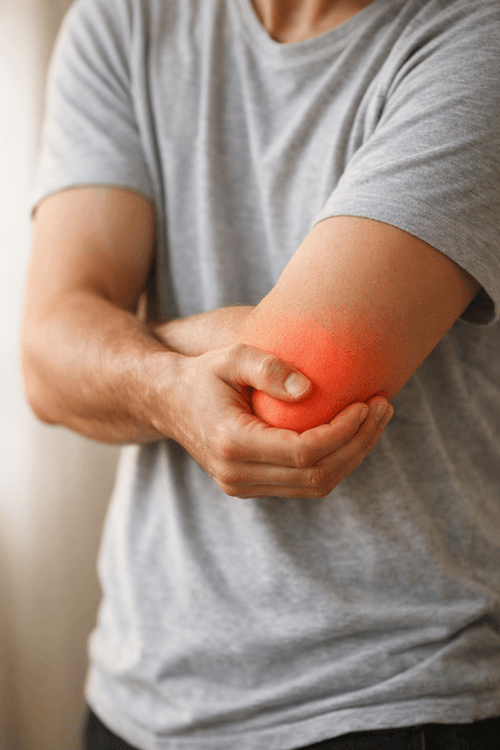

RegenRepair™ · Tendon pathway
NanoATi
Autologous Tendon Injection
A tendon-specific Seed, Soil, Signal RegenRepair™ technique for suitable tendinopathy and partial-thickness damage, with donor tissue, targeting and rehabilitation adapted to the tendon involved.
 Reviewed byProfessor Paul Lee MBBch, FRCS (Tr & Orth), PhDCartilage and joint preservation expertise
Quick answer
NanoATi is RegenRepair™ for tendon. It may suit selected tendinopathy and partial-thickness damage where useful continuity remains, including applications in the rotator cuff, Achilles, patellar and elbow tendons. The treatment is tissue-led; the assessment and rehabilitation are adapted to the anatomy and mechanical task.
NanoATi—also written Nano ATi—means a non-arthroscopic, needle-delivered, one-stage autologous tendon injection technique.
Verified across three networks
Trusted by patients on Doctify, Google and Top Doctors
Two-minute tendon assessment
Does your tendon pattern fit NanoATi?
Work through tendon continuity, strength, previous rehabilitation and imaging. Your result explains whether NanoATi may stand alone or sit alongside tendon repair.
- Separates persistent tendinopathy or partial damage from mechanical failure
- Accepts current MRI or diagnostic ultrasound where appropriate
Identify the structural problem
Rotator-cuff damage is not one diagnosis
Shoulder pain can reflect overload, tendinopathy, partial-thickness rotator-cuff damage or complete failure. This rotator-cuff example shows the distinction, while other NanoATi applications require the same tendon-specific assessment in their own anatomy.

RegenRepair™ for tendon
A tendon-specific Seed for the injured tissue
The Seed may come from a small direct tendon sample, retaining tissue-specific tenocytes, or from a hair-follicle-bearing dermal sample as an accessible fibroblast-rich alternative. Type-I collagen provides the Soil and platelet-rich plasma the autologous Signal.

A staged pathway
Diagnose precisely, deliver precisely, reload deliberately

Tendon capacity
Recovery is measured by load, not the calendar alone
Every tendon must regain its real mechanical task. For the rotator cuff that means reaching, lifting and controlling the arm; for the Achilles it means walking, running and storing energy. Rehabilitation uses symptoms, strength and function to guide anatomy-specific progression.
The goal is not permanent rest. It is a controlled return to useful force.

Questions assessment answers
- Is the tendon continuous or mechanically failed?
- Where is the abnormal tissue on ultrasound or MRI?
- What load currently provokes symptoms?
- What strength and task must the tendon regain?
When injection is not enough
Complete rupture, marked retraction, tendon detachment from bone, major weakness or another structural lesion may need surgical reconstruction. NanoATi cannot substitute for reattaching tissue, but its biology may be considered separately to augment healing around an appropriate repair.
Explore treatment optionsRegenRepair™ · Seed, Soil, Signal
Choose the tissue, then understand the pathway
The biological design is shared. The target, delivery plan and rehabilitation change with the structure being treated.
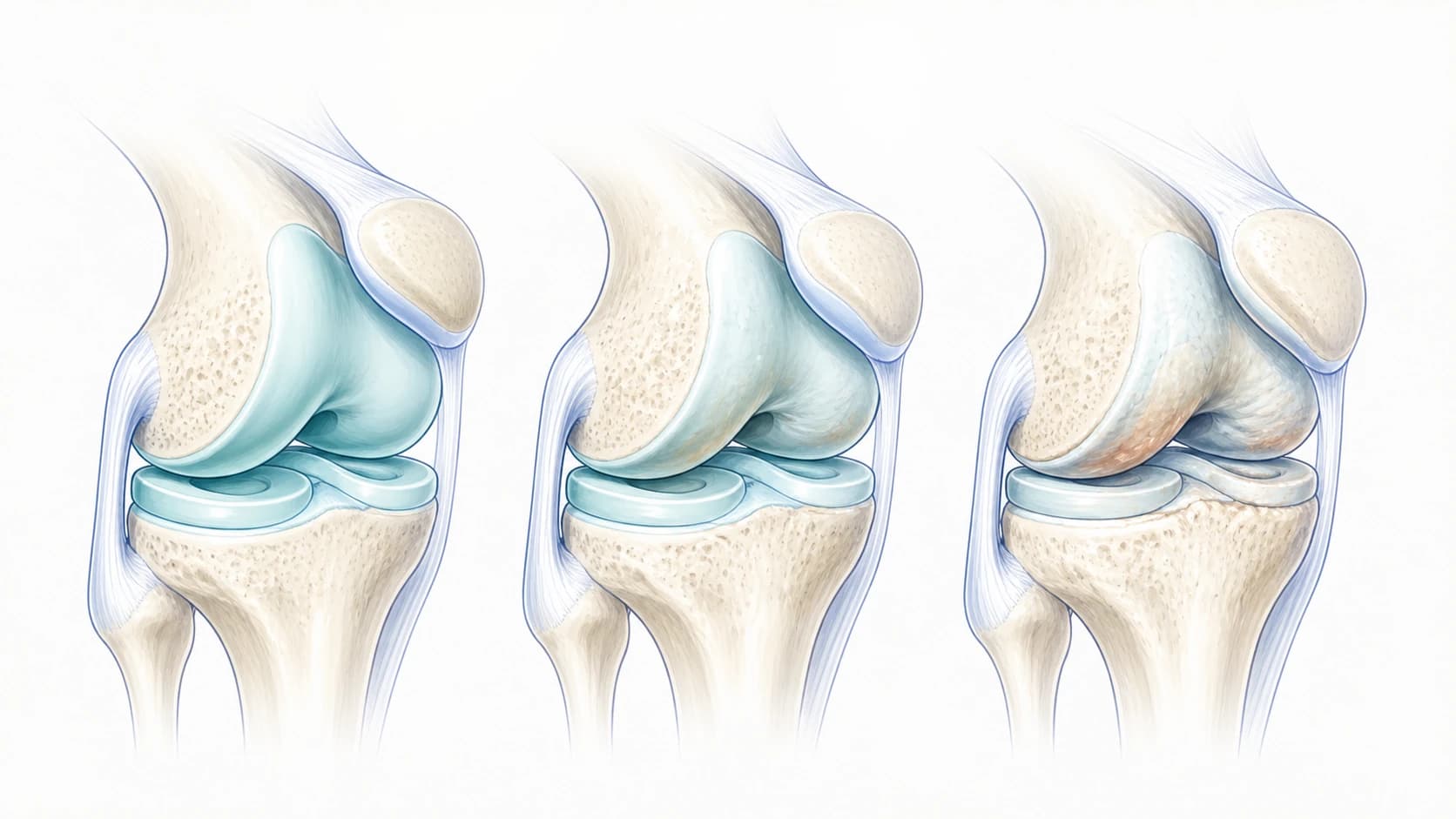
Cartilage damage
NanoACi
A one-stage, image-guided cartilage regeneration technique built around cartilage micrografts, collagen soil and a patient-derived signal.
Explore NanoACi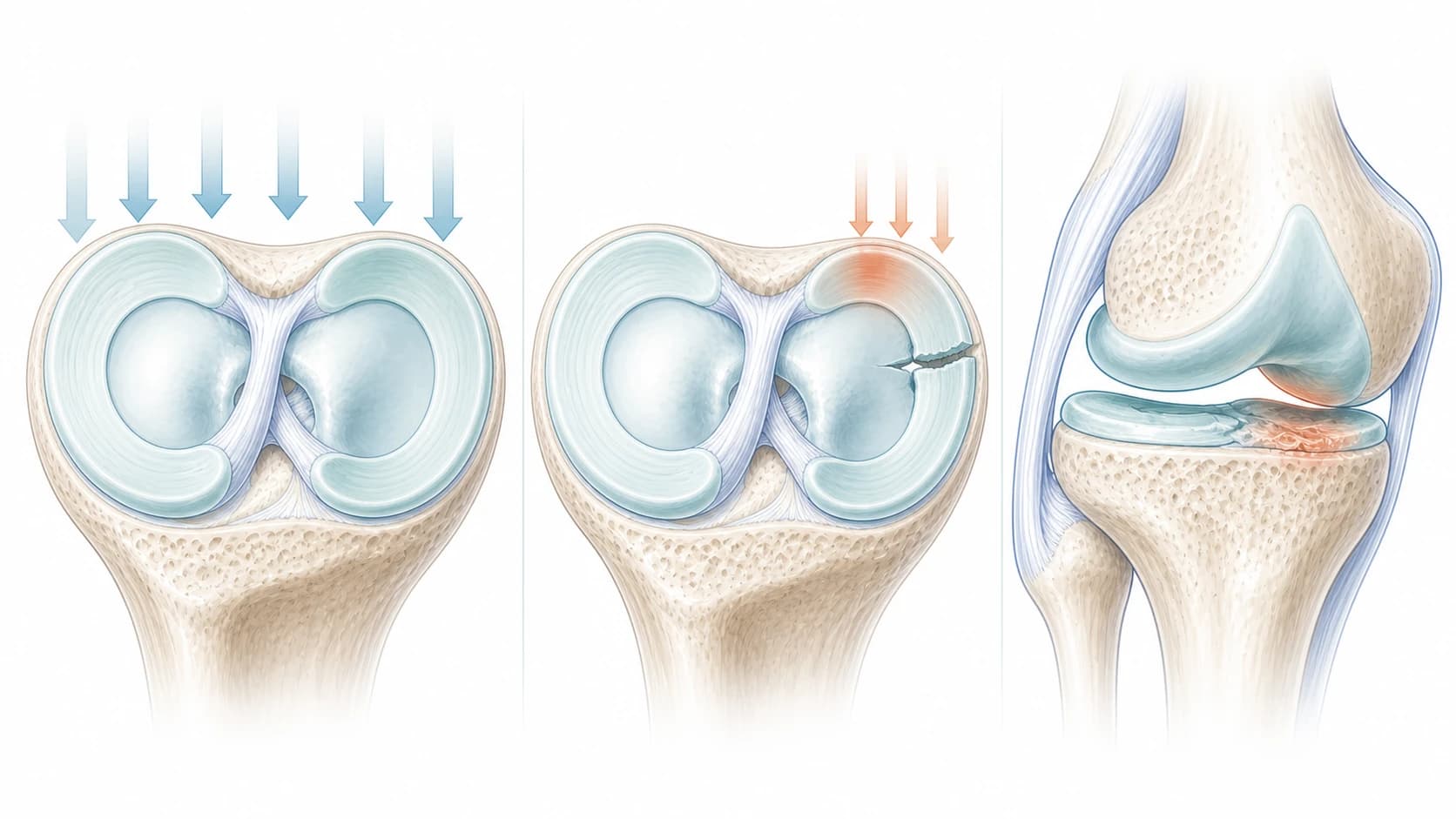
Stable meniscus damage
NanoAMi
A non-surgical pathway using autologous fibroblast-rich micrografts for suitable stable partial-thickness tears, intrasubstance damage and wear.
Explore NanoAMi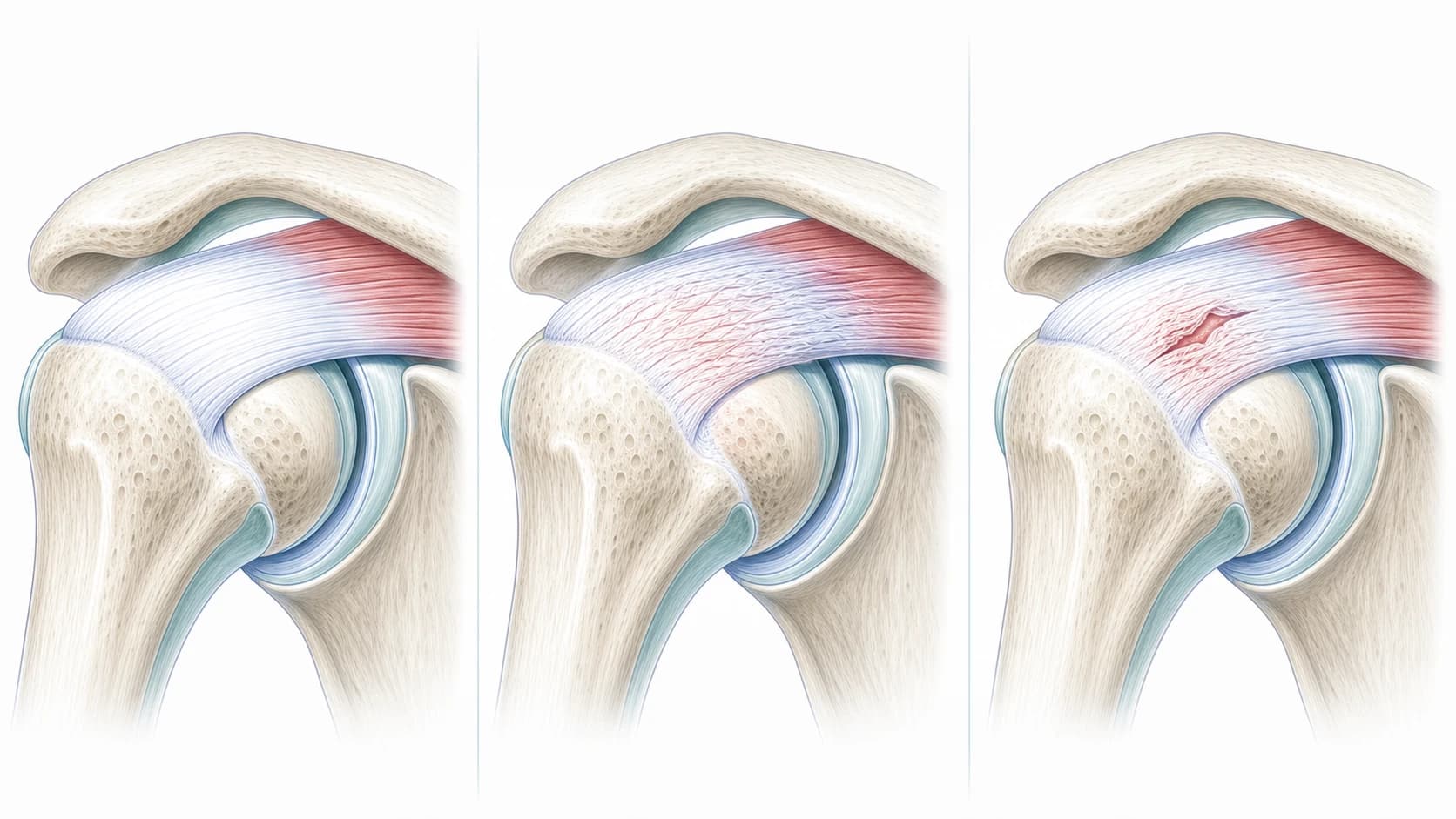
Tendon injury
Current pageNanoATi
A tendon-specific Seed, Soil, Signal pathway using autologous tenocyte or fibroblast-rich micrografts, precise targeting and rehabilitation adapted to the injured tendon.
Explore NanoATi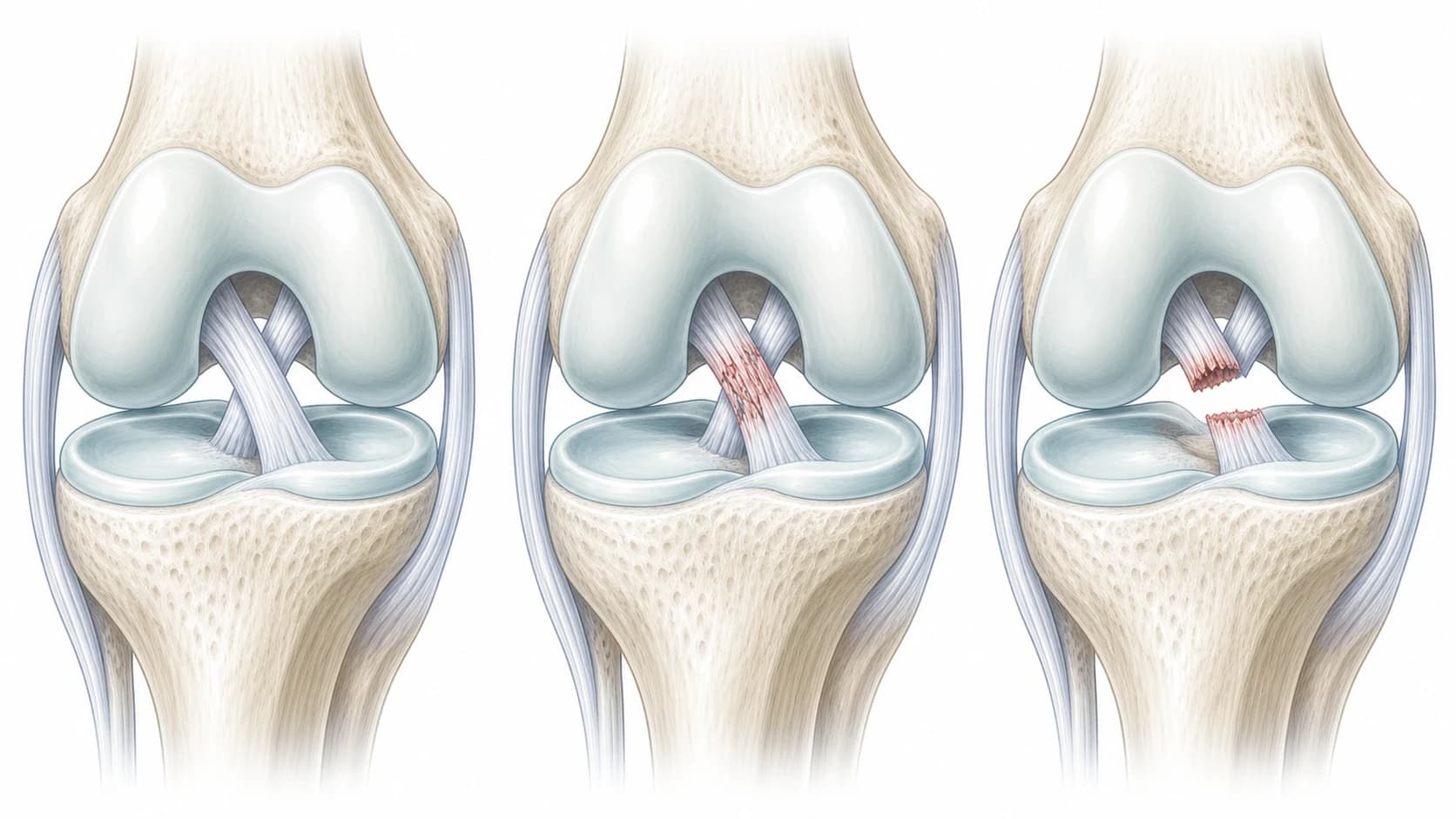
Ligament injury
NanoALi
A ligament-specific Seed, Soil, Signal pathway for suitable ACL, MCL, elbow UCL and ankle-ligament injuries, delivered non-surgically or used alongside repair where appropriate.
Explore NanoALiTwo-minute tendon assessment
Does your tendon pattern fit NanoATi?
Work through tendon continuity, strength, previous rehabilitation and imaging. Your result explains whether NanoATi may stand alone or sit alongside tendon repair.
- Separates persistent tendinopathy or partial damage from mechanical failure
- Accepts current MRI or diagnostic ultrasound where appropriate
NanoATi questions
What is NanoATi?
NanoATi is the tendon-specific application of Professor Paul Lee's RegenRepair™ Seed, Soil, Signal framework. Its Seed may be taken directly from tendon to retain tenocytes, or from a hair-follicle-bearing dermal sample as a fibroblast-rich alternative, then combined with a supporting scaffold, precise image-guided delivery and progressive loading.
What is the Seed in NanoATi?
The Seed is prepared on the day from either a small direct tendon sample, retaining tissue-specific tenocytes, or a hair-follicle-bearing dermal sample as a less invasive fibroblast-rich source. Professor Lee selects the donor route for the individual tendon.
Which tendon problems may be considered?
Suitable tendinopathy, intrasubstance degeneration and partial-thickness damage may be considered where viable continuity remains. This includes applications in the rotator cuff, Achilles, patellar and elbow tendons; the structure involved, tear depth, strength and mechanical demand all affect suitability.
Can NanoATi repair a completely ruptured tendon?
It cannot reattach a tendon that has completely ruptured or pulled away from bone. Complete rupture, marked retraction or major functional weakness may need surgical repair. In that setting, NanoATi biology may be considered separately as an adjunct intended to support healing around the repair rather than replace it.
Why is ultrasound guidance important?
Tendons are compact, layered structures and abnormal tissue can sit beside healthy fibres. Ultrasound guidance helps Professor Lee identify the target and place treatment precisely while avoiding nearby nerves, vessels and intact tendon where possible.
Why does tendon rehabilitation involve loading?
Tendons adapt to mechanical demand. Too much load too early can aggravate the tissue, while too little load can leave it underprepared. Rehabilitation therefore progresses from protection through controlled strength to task- or sport-specific demand.
Still have more specific concerns?
Free Discovery CallOptions that our doctors may discuss include NanoACi, ChondroFiller, Mytocel MSK, joint replacement, established conservative care or surgery, depending on examination and imaging.
Define the tendon problem before choosing treatment
Clinical examination, ultrasound and MRI where needed establish whether the tendon is overloaded, degenerative, partially torn or mechanically ruptured.