







5/5 across Doctify & Google173+ verified patient reviewsOnly UK Provider of ChondroFiller
Shoulder treatment

Shoulder pain? Understand your options before making a decision.

Many patients have more options than they realise. We offer treatments from simple injections to surgical repair.

Our Approach to Shoulder Treatment

Everything we do is aimed at relieving your shoulder pain and restoring your movement. How we get there depends on your situation. Our clinical approach covers four areas of treatment. Many of our treatments work across more than one area depending on your condition and how they are applied. Your consultation determines exactly which combination is right for you.

Relieve

Everything below has the same primary goal: relieving your shoulder pain and restoring your movement. The four approaches describe how we get there.

Preserve

Protect your shoulder joint and manage inflammation, impingement, or early arthritis. Injections and treatments that maintain mobility and slow degeneration.

Repair

Fix structural damage. A torn rotator cuff, a labrum tear, shoulder instability. Surgical procedures that restore what is broken.

Regenerate

Rebuild damaged shoulder cartilage and tissue using advanced biological treatments. Restore function without replacement.

Replace

When other options are exhausted. Shoulder replacement restores function, but only after we have explored every alternative.

How to use this page: Browse the four areas below. You do not need to know which treatment is right for you. The right approach depends on the nature and extent of your shoulder injury, your goals, your lifestyle, and factors that can only be fully understood through a consultation with Professor Lee. Many treatments span more than one area. Start by getting a sense of what is possible, then get in touch.

Your Options

Explore Treatment Approaches

Preserve: Protect what you still have

Preserve your joint, your movement, and your quality of life. From immediate symptom management to treatments that slow degeneration and protect cartilage.

You might be here if you have: shoulder arthritis, rotator cuff tendinitis, frozen shoulder, impingement
UK's First Provider
Non-Surgical

Arthrosamid

If you have knee osteoarthritis and want lasting relief without repeated injections, Arthrosamid is a single-dose hydrogel that cushions the joint long-term.

Find out more
Non-Surgical

Hyaluronic Acid

Restores the natural lubrication your joint has lost. If your cartilage is wearing and movement feels stiff or grindy, HA reduces friction and eases daily pain.

Find out more
Non-Surgical

mFat / Stem Cell

Uses your own fat tissue to deliver stem cells to the shoulder. For patients with rotator cuff degeneration, cartilage wear, or chronic shoulder pain seeking biological regeneration.

Find out more
Non-Surgical

Cartilage Micrograft

Harvests healthy cartilage cells from your own body and reimplants them at the damage site. Targets specific defects where the body needs a biological scaffold to rebuild.

Find out more
Non-Surgical

Steroid Injection

Rapid relief for acute pain and inflammation. Often used as a first step to manage a flare-up, reduce swelling, and create a window for rehabilitation or further assessment.

Find out more
Non-Surgical

PRP

Uses your own blood platelets to accelerate healing. Suited to patients with sports injuries, tendon damage, or early joint wear who want to support the body's natural repair.

Find out more
Non-Surgical

PRF

A next-generation blood concentrate that releases growth factors slowly over time. Suited to patients who want longer-lasting biological support for healing tendons, cartilage, and soft tissue.

Find out more
Surgical

Osteotomy

Bone realignment surgery to redistribute weight away from damaged areas.

Find out more

Ready to explore preservation options?

Take Our Assessment

Self Assessment

Not sure where to start?

Answer a few questions to get a personalised starting point for your shoulder treatment.

Question 1 of 425%

How would you describe your shoulder situation?

Your Journey

What your journey can look like

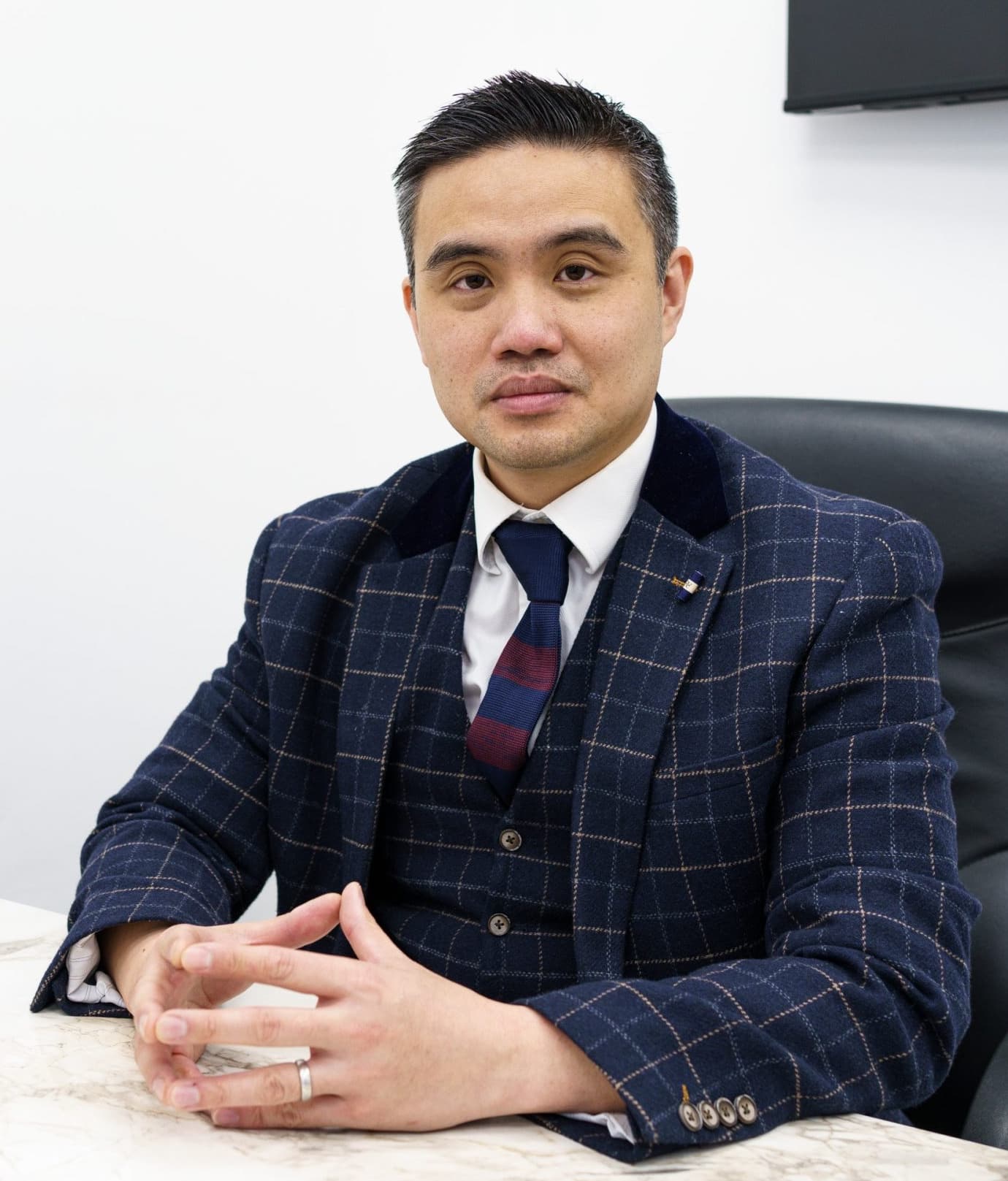
Professor Lee consulting with a patient
01

Consultant-Led Assessment

Symptoms, imaging and goals reviewed in one structured appointment. We gather the full picture before recommending anything.

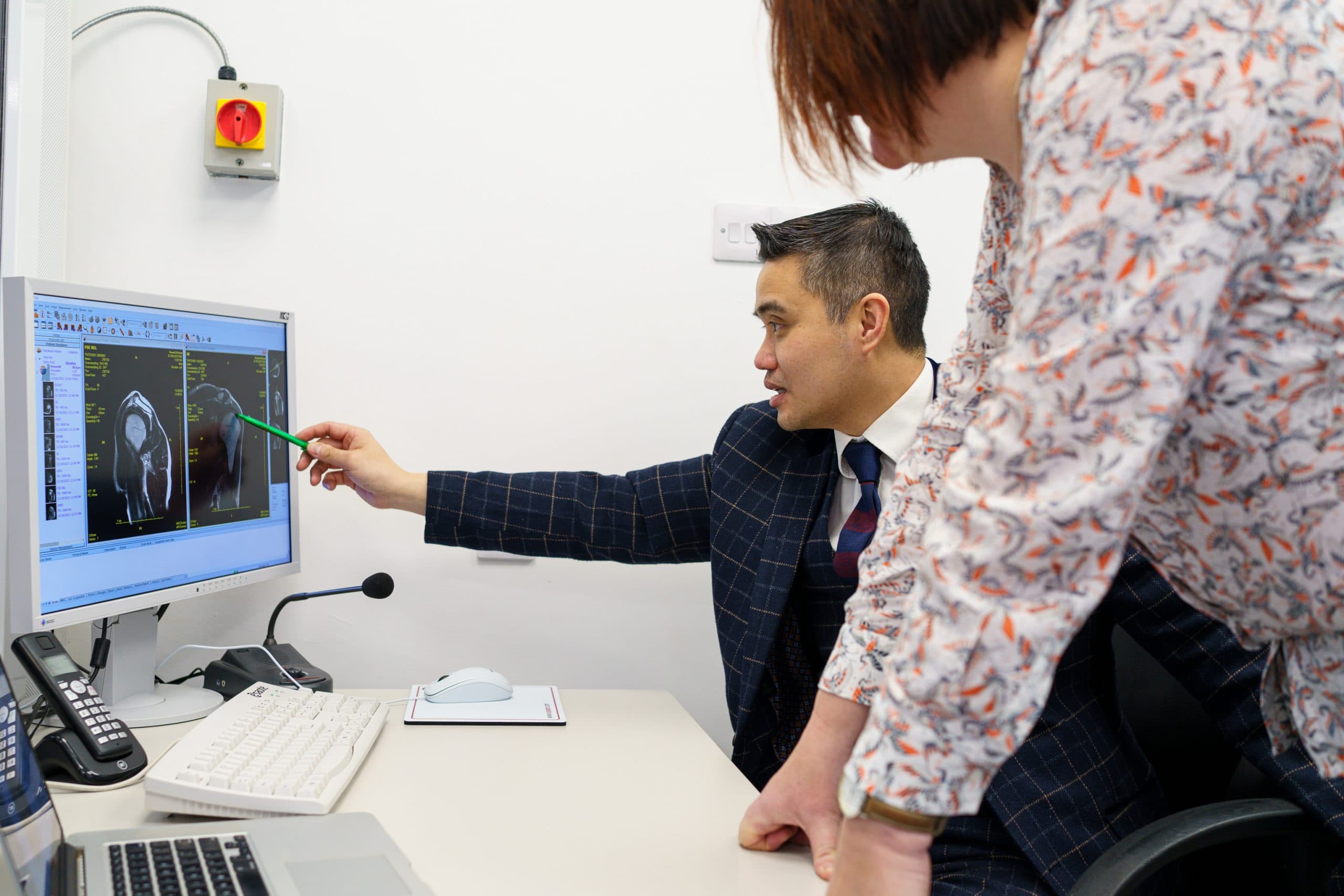
Reviewing imaging to build a personalised treatment plan
02

Personalised Treatment Plan

A clear route chosen from preservation, repair, regeneration or replacement options, matched to your diagnosis and goals.

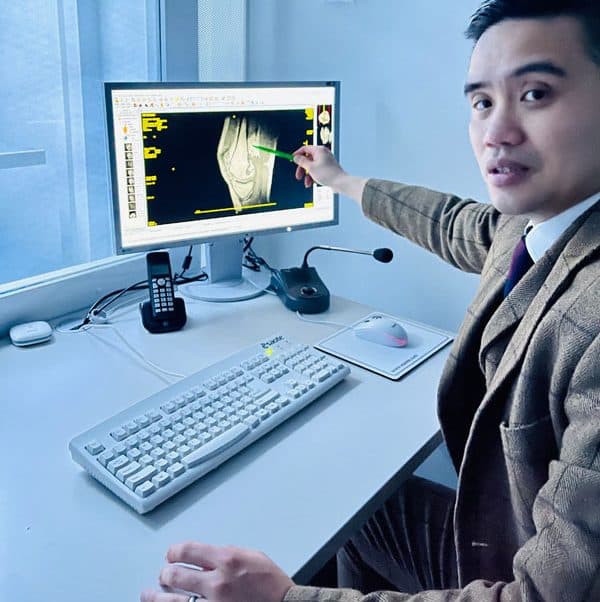
Shoulder treatment planning and delivery
03

Precision Delivery

Modern techniques and specialist equipment matched to your diagnosis. From ultrasound-guided injections to advanced surgical procedures.

Shoulder recovery and movement assessment
04

Long-Term Shoulder Health

Follow-up guidance focused on durable function and quality of life. We monitor your progress and adapt the plan as needed.

Shoulder Resources

Shoulder Insights

Clinical updates, treatment guidance, and recovery articles specific to shoulder conditions.

Non-Surgical Recovery Strategies for Torn Shoulder Labrum to Regain Strength and Mobility
Shoulder
Eleanor Hayes

Non-Surgical Recovery Strategies for Torn Shoulder Labrum to Regain Strength and Mobility

A torn shoulder labrum, a common injury affecting the cartilage ring stabilizing the shoulder joint, often causes pain and limited movement. Non-surgical recovery focuses on physiotherapy, targeted exercises, and lifestyle modifications to strengthen muscles and restore mobility. Accurate diagnosis, including clinical tests and imaging despite limitations, guides effective treatment. Expert-led rehabilitation, personalized to individual needs, promotes healing while minimizing risks associated with surgery such as capsulitis. Key exercises target range of motion, scapular stability, and rotator cuff strength, supported by evidence showing significant improvements in mobility and pain reduction. Persistent symptoms may warrant surgical evaluation. This comprehensive guide emphasizes realistic expectations and professional support for optimizing non-surgical recovery outcomes in torn shoulder labrum cases.

Frozen Shoulder Stages Relief Methods and Expert Care
Shoulder
Eleanor Hayes

Frozen Shoulder Stages Relief Methods and Expert Care

Adhesive capsulitis, or frozen shoulder, causes painful stiffness and reduced shoulder mobility, commonly affecting adults aged 40-60, especially women. This condition progresses through freezing, frozen, and thawing stages, impacting daily activities. Causes include injury, prolonged immobility, and conditions like diabetes. Effective management involves gentle home exercises, self-care, and expert medical support. Imaging methods such as ultrasound aid diagnosis, while treatments range from corticosteroid injections to extracorporeal shock wave therapy and, in persistent cases, surgery. Specialist care, like that provided by the London Cartilage Clinic, ensures personalized treatment plans tailored to individual needs. Early recognition and proper intervention improve recovery and function, emphasizing the importance of professional guidance in managing frozen shoulder.

Modern Approaches to Diagnosing and Treating SLAP Lesions of the Shoulder
Shoulder
Eleanor Hayes

Modern Approaches to Diagnosing and Treating SLAP Lesions of the Shoulder

SLAP lesions, tears of the shoulder's labrum, pose diagnostic challenges due to subtle symptoms and complex anatomy. Advances in imaging, such as MR arthrography and arthroscopy, significantly improve detection accuracy. Understanding anatomical factors like the critical shoulder angle aids risk assessment. Treatment ranges from minimally invasive surgery to physiotherapy, with promising biologic therapies like platelet-rich plasma enhancing recovery. Comprehensive rehabilitation and multidisciplinary care optimize outcomes. Ongoing research and technological progress offer hope for more precise, less invasive management of SLAP lesions, facilitating faster recovery and improved shoulder function.

Privacy & Cookies Policy