





Blue-gloved clinician preparing a knee injection

ACL Reconstruction

From £9,800
View Price List

Guide price only. Final cost is confirmed after assessment.

Anterior cruciate ligament (ACL) reconstruction is a surgical procedure to fix a tear in the ACL ligament in your knee. During the surgery, the torn ligament is replaced with a tissue graft of a tendon from another area of your knee. Not every individual who has an ACL injury will need ACL reconstruction surgery, but it can make a significant difference to your activity level and daily life if it is the right treatment option for you. Our specialists will be able to discuss with you whether surgery might be needed during your consultation.

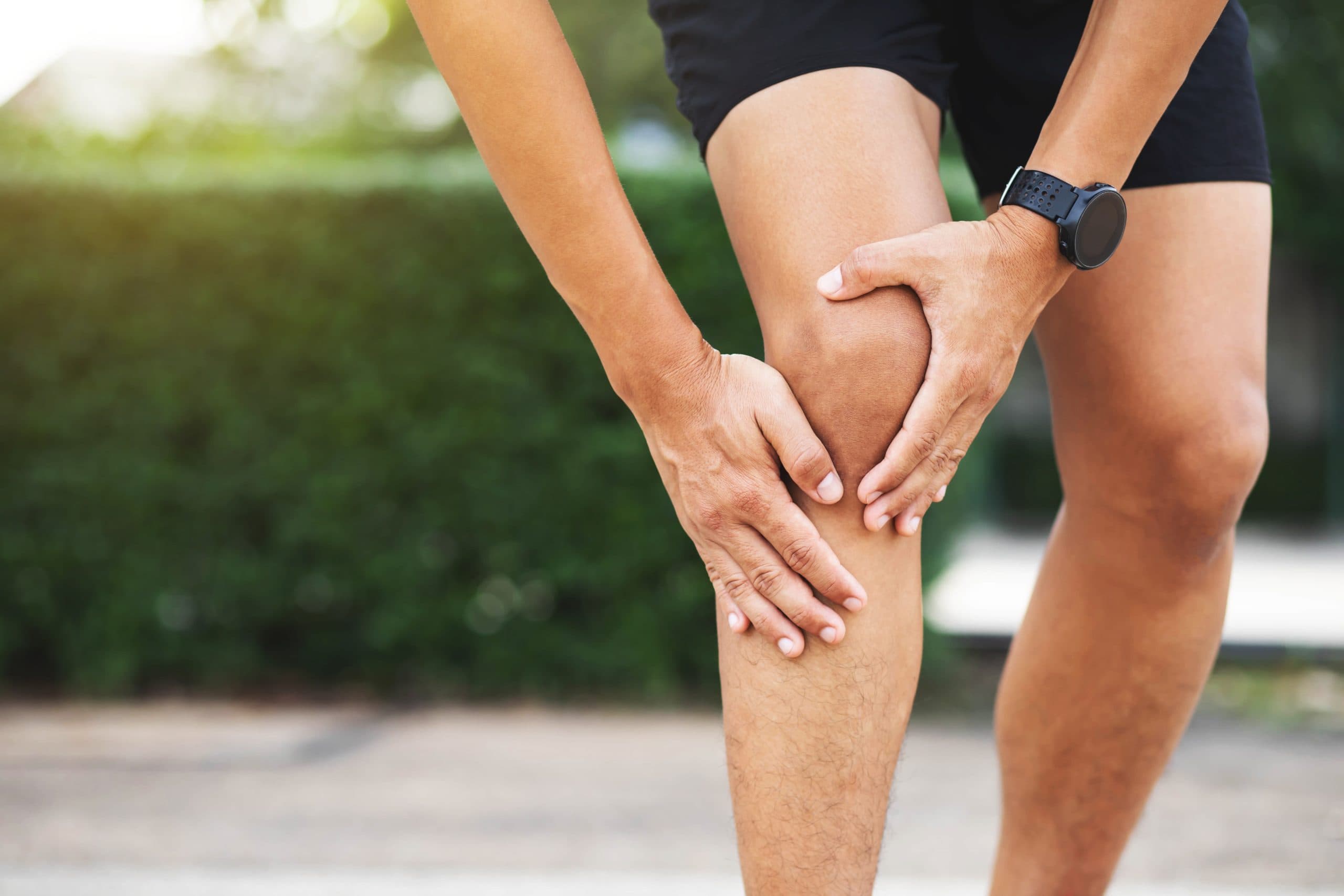
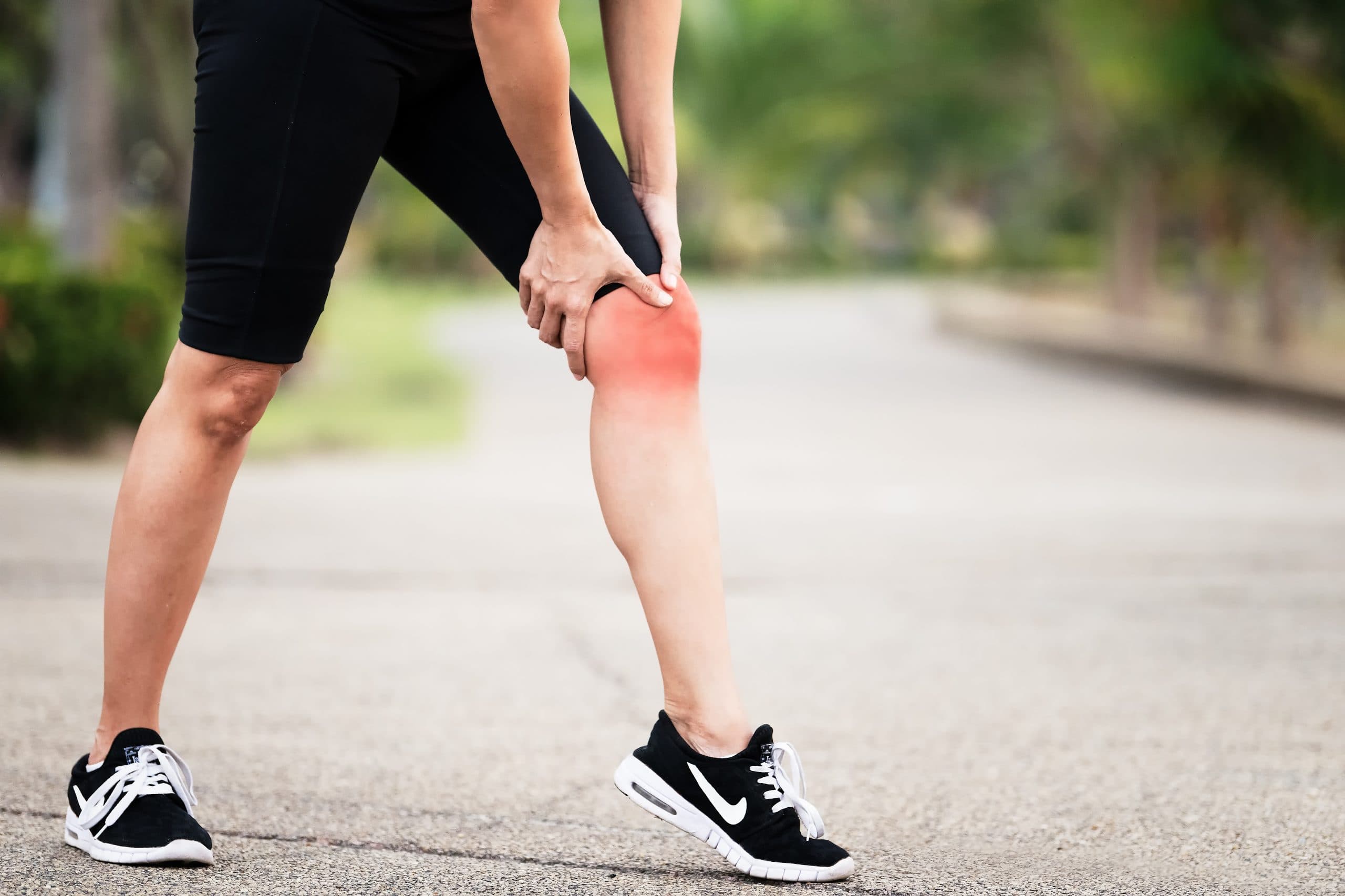
Runner holding a painful red knee outdoors

ACL reconstruction step by step

ACL reconstruction is usually performed arthroscopically through small incisions. A camera and precision instruments are used to prepare the knee and position the graft.

  • Graft selection (commonly hamstring or patellar tendon) based on your profile.
  • Bone tunnels are created in femur and tibia for accurate graft placement.
  • Fixation is secured, then tension and knee motion are checked before closure.

Typical operative time is around 1 to 3 hours, followed by a structured rehabilitation programme that is as important as the surgery itself.

Why choose London Cartilage Clinic for ACL reconstruction

The decision to reconstruct an ACL should be based on instability symptoms, activity demands, associated injuries, and long-term joint preservation goals.

  • Specialist-led assessment to confirm whether surgery is truly indicated.
  • Evidence-based technique selection tailored to your anatomy and sport level.
  • Clear milestones for return to training, pivoting sport, and confidence.

From pre-op planning to late-stage rehabilitation, our team focuses on restoring stability, reducing re-injury risk, and delivering durable outcomes.

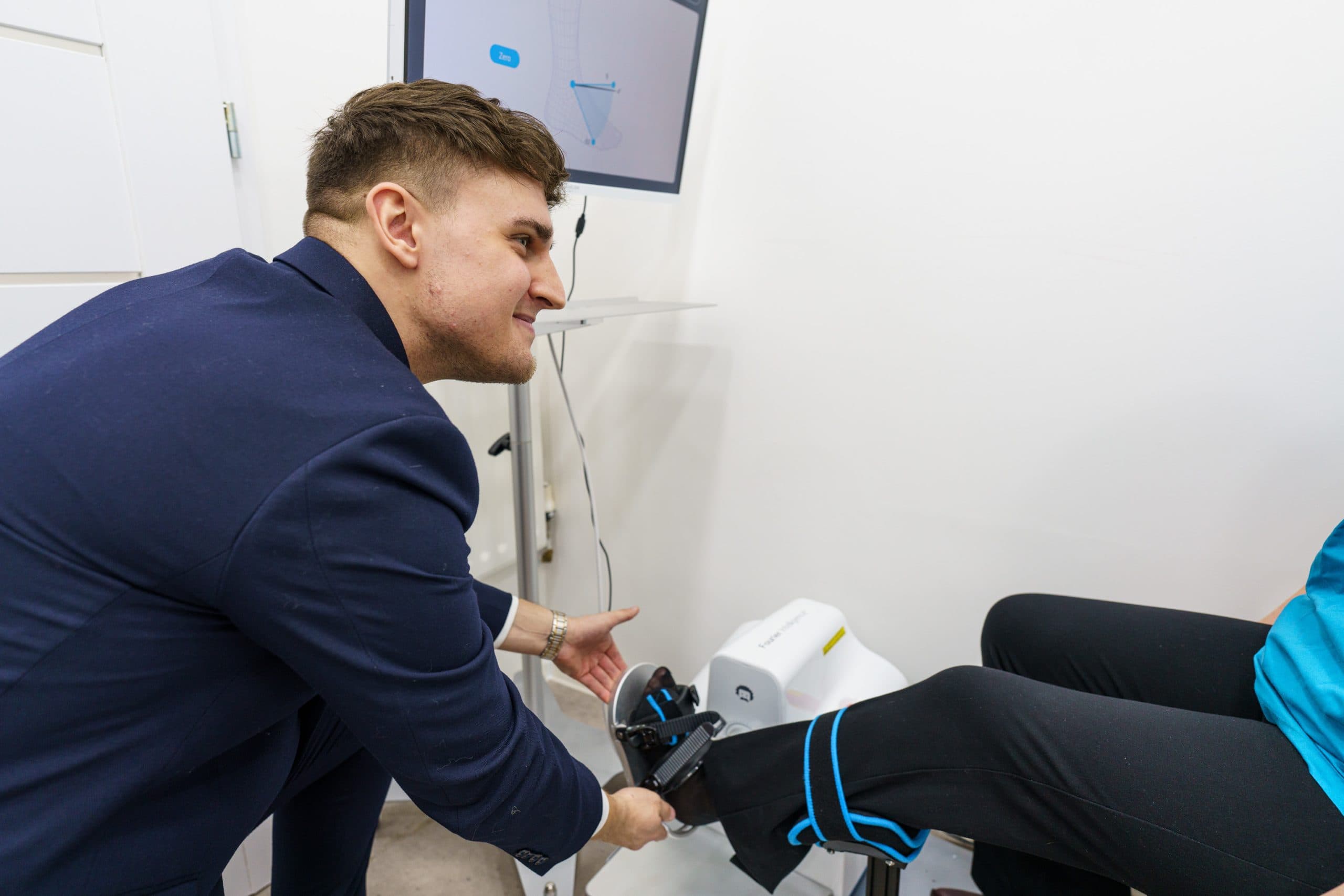
Clinical assessment with lower-leg testing device
consulting-in-office-with-pen

Frequently Asked Questions

What is recovery like from ACL reconstruction?

Full ACL reconstruction recovery can take around six months to a year with exact times varying from patient to patient. During your recovery you should see a physiotherapist who will provide a tailored rehabilitation programme featuring exercises that allows you to gain full strength and range of motion in the knee. Before returning to sport as normal, the physiotherapist will want to check that you are both mentally and physically ready.

How do ACL injuries occur?

ACL injuries are some of the most common types of knee injury and often occur doing sports like tennis, squash, skiing, football, and rugby. The ACL can tear if your lower leg is extended too far forward or if your knee/lower leg is twisted. This can be done by landing from a jump incorrectly, stopping or changing direction suddenly, or colliding with another person (like a football tackle).

What are the signs of a torn ACL?

If your ACL is torn, the knee can lose its full range of movement and will likely become quite unstable. As a result, it can be difficult to complete certain movements like doing a turn on the spot. It might not sound that serious, but a tear in the ACL for some individuals can mean they can no longer play their sport until the issue is resolved with ACL reconstruction.

Still have more specific concerns?

Free Discovery Call

London Cartilage Clinic

Latest Insights

Clinical updates, cartilage treatment guidance, and recovery-focused articles from our specialist team.

Nutrition Strategies for Strengthening Knee Cartilage
John Davies

Nutrition Strategies for Strengthening Knee Cartilage

Discover how nutrition supports knee cartilage health, as explained by Professor Paul Lee of the London Cartilage Clinic. Learn which foods—like fatty fish, turmeric, and vitamin C-rich fruits—can strengthen cartilage and reduce inflammation. Avoid processed sugars and trans fats that harm joints. Practical meal tips help incorporate these nutrients into daily life. While diet aids joint comfort and resilience, it works best combined with exercise and medical advice. Embrace balanced eating and expert guidance for healthier, more comfortable knees.

ChondroFiller Minimally Invasive Cartilage Repair Benefits and Patient Suitability
John Davies

ChondroFiller Minimally Invasive Cartilage Repair Benefits and Patient Suitability

ChondroFiller is a minimally invasive, keyhole surgery technique that repairs cartilage damage by injecting a collagen gel directly into the affected area. Suitable for patients with small to medium cartilage lesions, it promotes natural cartilage regeneration with less pain and faster recovery compared to traditional surgeries. The procedure involves arthroscopic guidance for precise gel placement, minimizing tissue damage and complications. Clinical studies report high patient satisfaction, improved joint function, and lasting benefits. Recovery typically includes tailored rehabilitation with reduced pain and a quicker return to activity. ChondroFiller offers a safe, effective alternative for cartilage repair, emphasizing simplicity and rapid healing. Consultation with healthcare professionals is essential to determine candidacy and ensure optimal outcomes.

The Link Between Segond Fracture and ACL Tears in Diagnosis and Treatment
John Davies

The Link Between Segond Fracture and ACL Tears in Diagnosis and Treatment

Explore the critical connection between Segond fractures and anterior cruciate ligament (ACL) tears, common yet often intertwined knee injuries especially among athletes. This article highlights how the Segond fracture—a small tibial bone break—serves as a key indicator of ACL damage. Advances in MRI and CT imaging aid in early and accurate diagnosis, leading to more comprehensive treatment strategies that address both bone and ligament injuries. Understanding this relationship improves patient outcomes, enhancing knee stability and function. Future research aims to refine detection and develop minimally invasive surgical techniques, helping patients recover faster and return to active lifestyles confidently.