








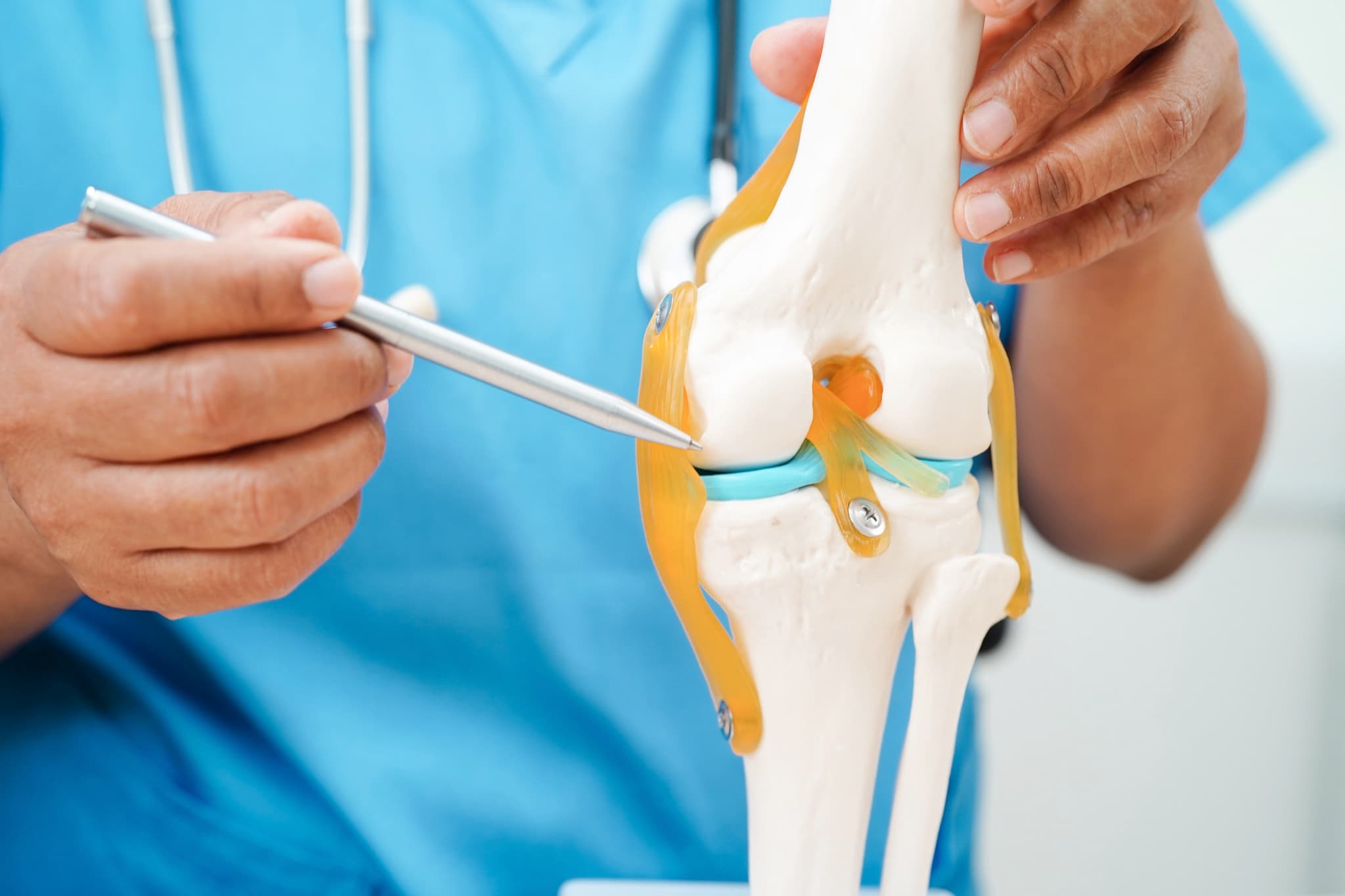



Doctor demonstrating a knee joint model during joint replacement consultation

Joint replacement

From £18,500
View Price List

Guide price only. Final cost is confirmed after assessment.

Arthroplasty, or joint replacement surgery, involves the removal of a damaged and the inserting of a new artificial joint. The prosthesis can be made from a variety of materials which are chosen for their durability, light weight, and ability to be sterilised. The replacement joint should be moulded to the patient anatomy for seamless implantation and to aid in recovery time. Joint replacement can be done on a variety of joints which we use on a daily basis to go about our everyday lives.

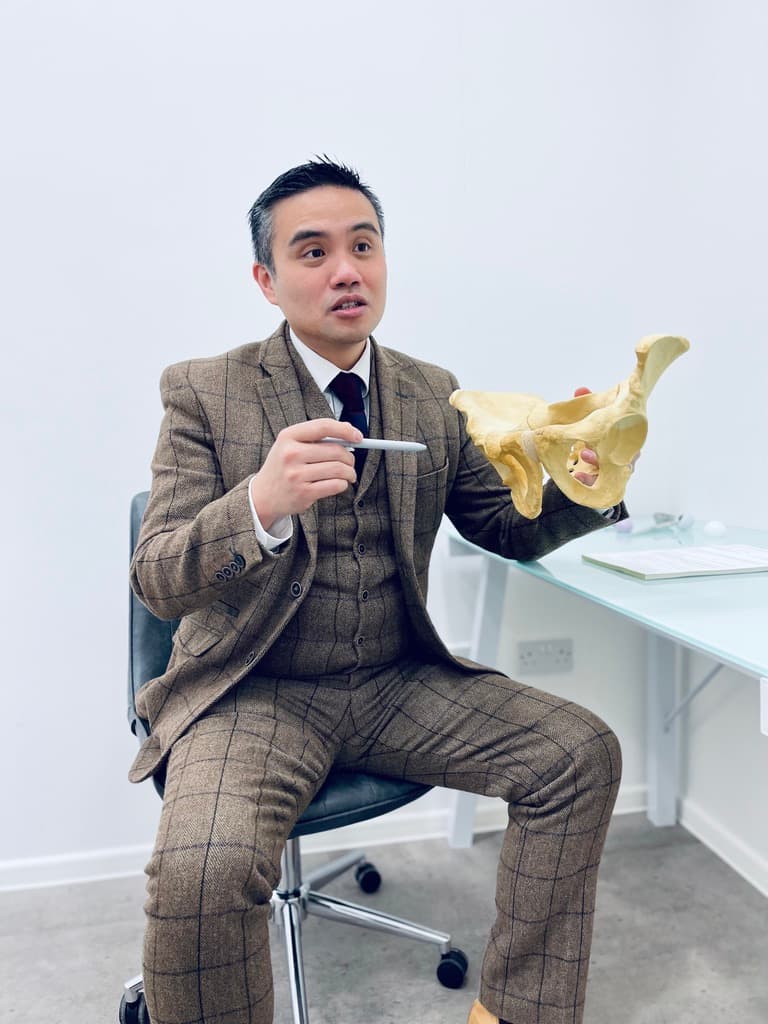
Doctor explaining pelvis model in consultation

When joint replacement becomes appropriate

Joint replacement is considered when pain, stiffness, and loss of function persist despite non-surgical treatment and significantly impact quality of life.

  • Advanced cartilage wear, deformity, or structural joint damage.
  • Daily limitation in walking, sleep, work, or sport activity.
  • Insufficient response to injections, medication, or physiotherapy.

The objective is to replace damaged joint surfaces, restore movement mechanics, and achieve sustained pain relief.

Why choose London Cartilage Clinic for joint replacement surgery

Successful joint replacement depends on accurate planning, precise implantation, and disciplined rehabilitation, not surgery alone.

  • Specialist surgeons across both large and small joint procedures.
  • Patient-specific planning to optimise implant position and function.
  • Post-operative support focused on mobility, strength, and confidence.

At London Cartilage Clinic, care is designed around long-term durability and functional return, with clear expectations from consultation through recovery.

Golfer swinging on green fairway
consulting-in-office-with-pen

Frequently Asked Questions

Which joints most commonly need replacing?

Knee replacement surgery is one of the most common procedures as the knee is constantly under pressure. For the same reason, the hip joint is also likely to experience problems that require joint replacement. Digits that are used excessively may also require treatment. For example, thumb joint replacement is a service that the London Cartilage Clinic offers.

How long does a joint replacement last?

Historically, joint replacement prosthetics can last upwards of 10 years. However, modern innovations in medical technology have contributed to making them even longer lasting. The exact lifespan will vary depending on the supplier and how the device has been implanted.

How long does it take to recover after a joint replacement?

There are many factors that can affect the recovery time for joint replacement surgery. This includes patient anatomy, age, and underlying health conditions. Surgery can vary depending on which joint is being replaced, along with the amount of bone removed. Oftentimes, pain similar to that which you felt prior to the surgery will persist for around two weeks.

Still have more specific concerns?

Free Discovery Call

London Cartilage Clinic

Latest Insights

Clinical updates, cartilage treatment guidance, and recovery-focused articles from our specialist team.

Nutrition Strategies for Strengthening Knee Cartilage
John Davies

Nutrition Strategies for Strengthening Knee Cartilage

Discover how nutrition supports knee cartilage health, as explained by Professor Paul Lee of the London Cartilage Clinic. Learn which foods—like fatty fish, turmeric, and vitamin C-rich fruits—can strengthen cartilage and reduce inflammation. Avoid processed sugars and trans fats that harm joints. Practical meal tips help incorporate these nutrients into daily life. While diet aids joint comfort and resilience, it works best combined with exercise and medical advice. Embrace balanced eating and expert guidance for healthier, more comfortable knees.

ChondroFiller Minimally Invasive Cartilage Repair Benefits and Patient Suitability
John Davies

ChondroFiller Minimally Invasive Cartilage Repair Benefits and Patient Suitability

ChondroFiller is a minimally invasive, keyhole surgery technique that repairs cartilage damage by injecting a collagen gel directly into the affected area. Suitable for patients with small to medium cartilage lesions, it promotes natural cartilage regeneration with less pain and faster recovery compared to traditional surgeries. The procedure involves arthroscopic guidance for precise gel placement, minimizing tissue damage and complications. Clinical studies report high patient satisfaction, improved joint function, and lasting benefits. Recovery typically includes tailored rehabilitation with reduced pain and a quicker return to activity. ChondroFiller offers a safe, effective alternative for cartilage repair, emphasizing simplicity and rapid healing. Consultation with healthcare professionals is essential to determine candidacy and ensure optimal outcomes.

The Link Between Segond Fracture and ACL Tears in Diagnosis and Treatment
John Davies

The Link Between Segond Fracture and ACL Tears in Diagnosis and Treatment

Explore the critical connection between Segond fractures and anterior cruciate ligament (ACL) tears, common yet often intertwined knee injuries especially among athletes. This article highlights how the Segond fracture—a small tibial bone break—serves as a key indicator of ACL damage. Advances in MRI and CT imaging aid in early and accurate diagnosis, leading to more comprehensive treatment strategies that address both bone and ligament injuries. Understanding this relationship improves patient outcomes, enhancing knee stability and function. Future research aims to refine detection and develop minimally invasive surgical techniques, helping patients recover faster and return to active lifestyles confidently.