Mother and child walking at sunset, reflecting mobility goals after cartilage repair

Cartilage Repair

From £9,800
View Price List

Guide price only. Final cost is confirmed after assessment.

Even though minor cartilage damage can sometimes heal by itself or be solved with non-surgical options, more severe cases will normally require a straightforward cartilage repair surgery. This type of surgery is minimally invasive, often being done as a day case using keyhole techniques. Our specialists ensure you receive the best possible care and can return to your normal activities pain free.

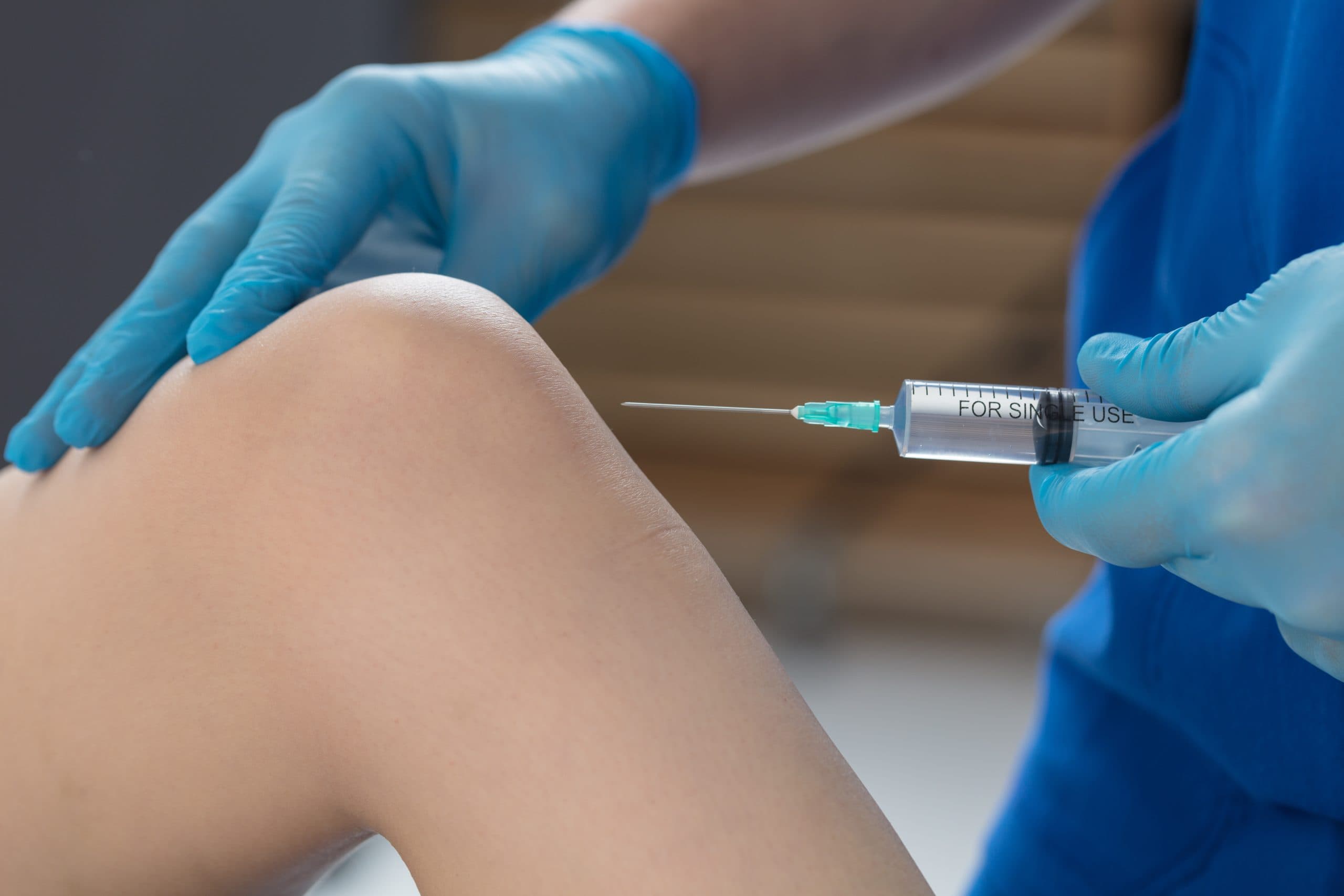
Blue-gloved clinician performing a knee injection procedure

Why might you need cartilage repair?

Injury or deterioration of your knee cartilage can cause pain, discomfort, and stiffness. If it’s left untreated, it can lead to osteoarthritis, so pursuing effective knee cartilage repair treatment early will help to ensure your knee joint is restored back to full health and avoid more serious concerns later on.

London Cartilage Clinic surgeons are experts in their field, with years of experience in performing cartilage repairs. It is this experience that has allowed us to offer highly specialised and exclusive cartilage repair services.

What are the benefits of cartilage repair?

By pursuing cartilage repair treatment from our specialists, you will be getting reliable, long-lasting results. Our services are the ideal option for anyone who has experienced a sports injury or is health conscious and wants a personal, high level of care without long wait times or being rushed through appointments.

No more suffering with chronic pain
Return to peak physical activity

In terms of the procedure itself, the benefits of having cartilage repair can make a significant difference to your quality of life. You won’t have to limit the activities you want to take part in to avoid discomfort.


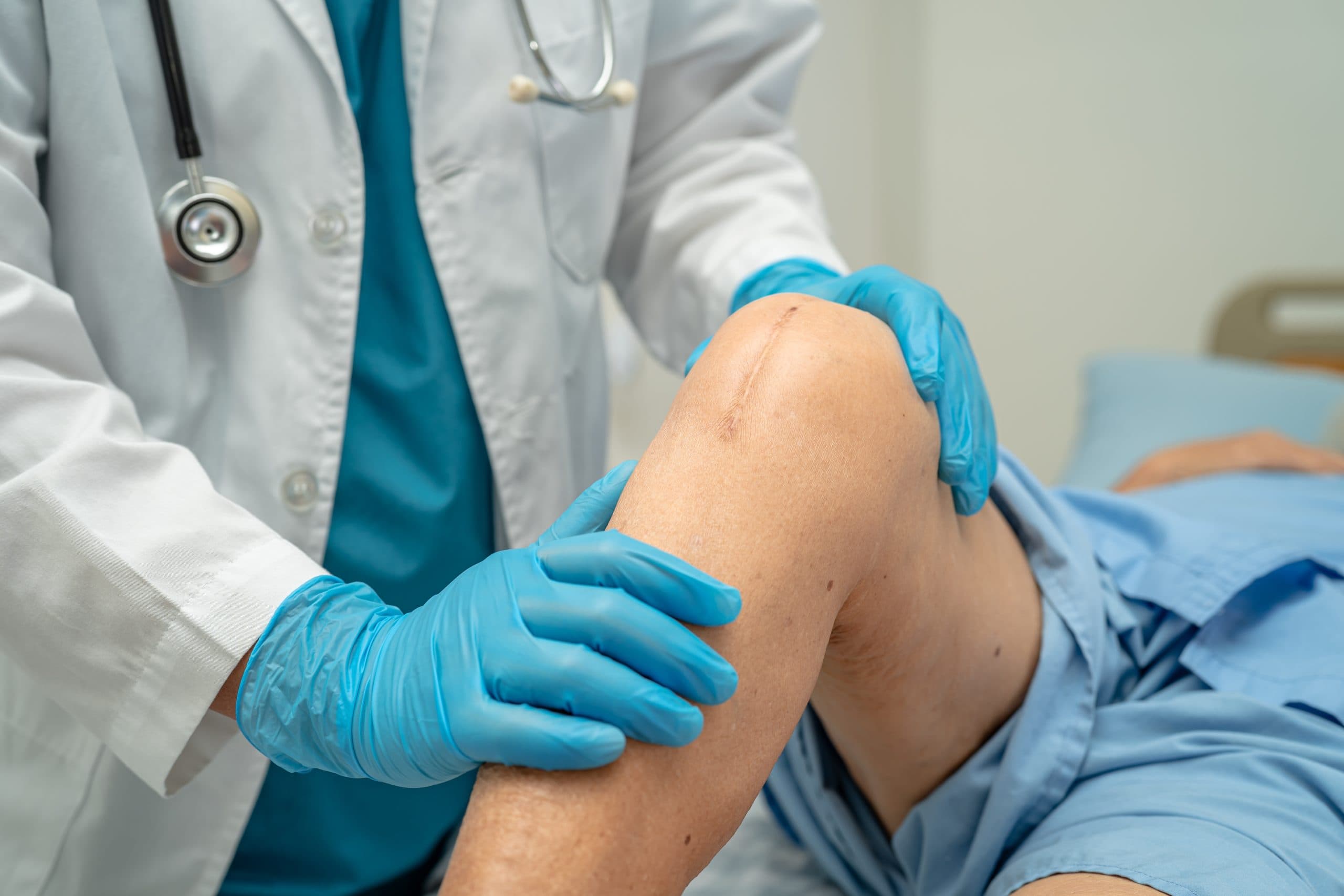
Doctor examining a patient's knee in clinic
consulting-in-office-with-pen

Frequently Asked Questions

How long does the surgery take?

Most cartilage repair surgeries can take less than one hour, but a combination of other procedures such as osteotomy may lengthen the surgery. Cartilage repairs are often carried out arthroscopically, with a small incision potentially being required to complete the procedure safely and successfully.

What is the recovery time for cartilage repair?

In most cases, patients can resume their normal daily activities around four to six weeks after surgery. Each patient is different, and recovery will vary on a case-by-case basis. Many patients are cleared for certain sports after about six months, though high-intensity ballistic sports may require more time.

Which body parts can be treated?

Cartilage repair is commonly used as treatment for isolated cartilage defects, which mostly occur in the knee. However, in certain instances, this procedure can also be an option for addressing injuries to the hip, elbow, shoulder, or ankle.

Who is right for cartilage repair?

The ideal candidate is an individual suffering with an isolated articular cartilage defect. They should have a relatively healthy knee that is well-aligned and stable.

Still have more specific concerns?

Free Discovery Call

London Cartilage Clinic

Latest Insights

Clinical updates, cartilage treatment guidance, and recovery-focused articles from our specialist team.

Nutrition Strategies for Strengthening Knee Cartilage
John Davies

Nutrition Strategies for Strengthening Knee Cartilage

Discover how nutrition supports knee cartilage health, as explained by Professor Paul Lee of the London Cartilage Clinic. Learn which foods—like fatty fish, turmeric, and vitamin C-rich fruits—can strengthen cartilage and reduce inflammation. Avoid processed sugars and trans fats that harm joints. Practical meal tips help incorporate these nutrients into daily life. While diet aids joint comfort and resilience, it works best combined with exercise and medical advice. Embrace balanced eating and expert guidance for healthier, more comfortable knees.

ChondroFiller Minimally Invasive Cartilage Repair Benefits and Patient Suitability
John Davies

ChondroFiller Minimally Invasive Cartilage Repair Benefits and Patient Suitability

ChondroFiller is a minimally invasive, keyhole surgery technique that repairs cartilage damage by injecting a collagen gel directly into the affected area. Suitable for patients with small to medium cartilage lesions, it promotes natural cartilage regeneration with less pain and faster recovery compared to traditional surgeries. The procedure involves arthroscopic guidance for precise gel placement, minimizing tissue damage and complications. Clinical studies report high patient satisfaction, improved joint function, and lasting benefits. Recovery typically includes tailored rehabilitation with reduced pain and a quicker return to activity. ChondroFiller offers a safe, effective alternative for cartilage repair, emphasizing simplicity and rapid healing. Consultation with healthcare professionals is essential to determine candidacy and ensure optimal outcomes.

The Link Between Segond Fracture and ACL Tears in Diagnosis and Treatment
John Davies

The Link Between Segond Fracture and ACL Tears in Diagnosis and Treatment

Explore the critical connection between Segond fractures and anterior cruciate ligament (ACL) tears, common yet often intertwined knee injuries especially among athletes. This article highlights how the Segond fracture—a small tibial bone break—serves as a key indicator of ACL damage. Advances in MRI and CT imaging aid in early and accurate diagnosis, leading to more comprehensive treatment strategies that address both bone and ligament injuries. Understanding this relationship improves patient outcomes, enhancing knee stability and function. Future research aims to refine detection and develop minimally invasive surgical techniques, helping patients recover faster and return to active lifestyles confidently.