









Doctor portrait with knee implant in clinic

Hyaluronic Acid Injections

From £1,200
View Price List

Guide price only. Final cost is confirmed after assessment.

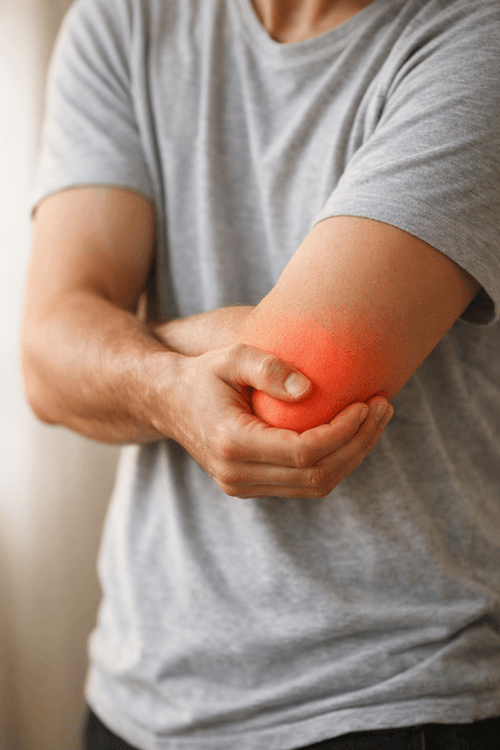
Hyaluronic acid injections, offered at the London Cartilage Clinic, are not just for knee pain relief but are also effective for various other joints and tendon issues. These injections mimic the naturally occurring hyaluronic acid in joints, providing lubrication, cushioning, and reducing discomfort across a range of conditions.

Blue operating room setup with surgical table

How hyaluronic acid helps painful joints and tendons

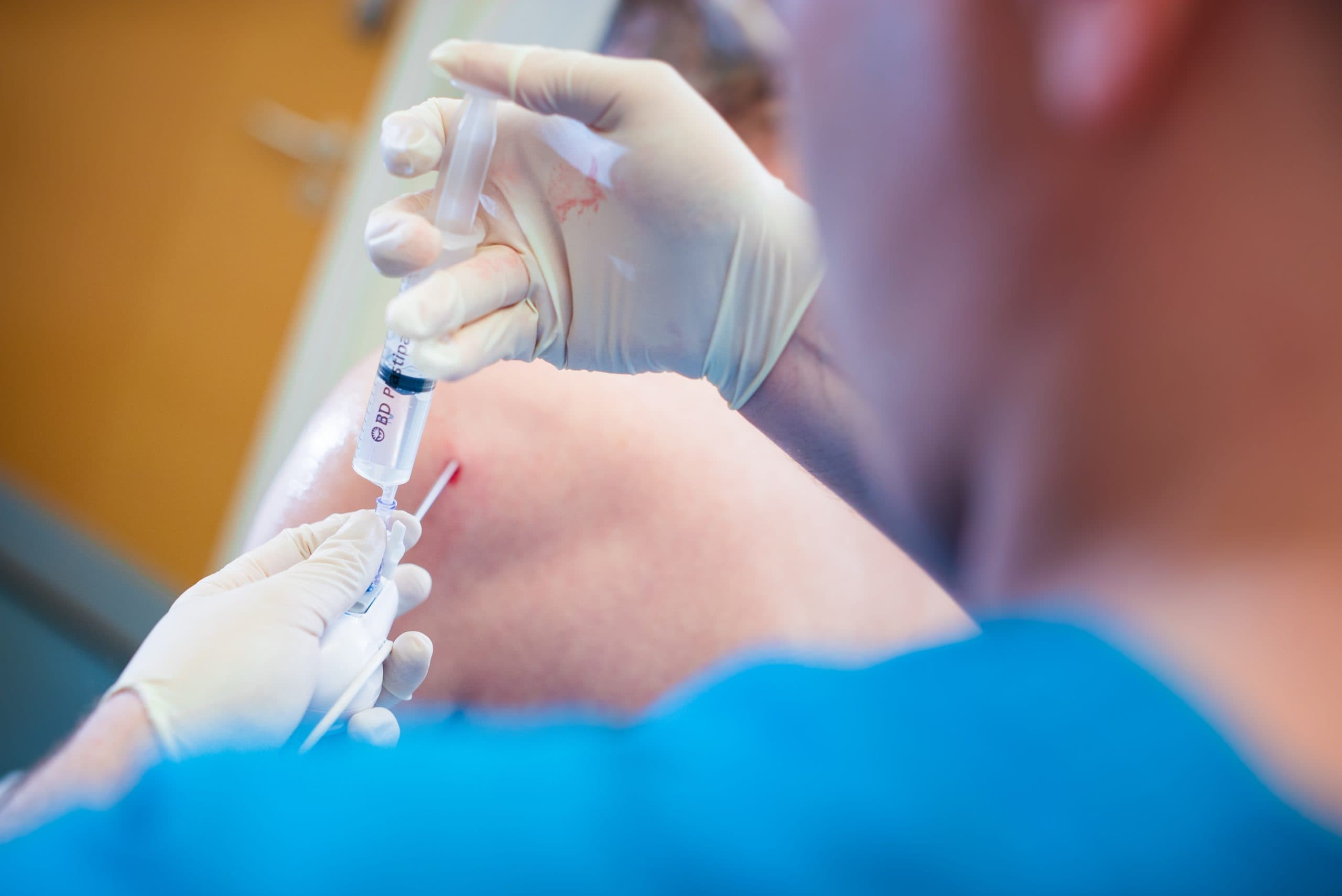
Hyaluronic acid is a natural component of synovial fluid. Injection therapy restores lubrication and shock absorption where this balance has reduced.

  • Can decrease pain and stiffness in osteoarthritic joints.
  • Supports smoother movement and activity tolerance.
  • Also used in selected tendon-related pain conditions.

This is a minimally invasive option often considered before surgical intervention.

Why choose London Cartilage Clinic for hyaluronic acid treatment

The effectiveness of viscosupplementation depends on accurate diagnosis, product selection, and precise delivery technique.

  • Specialist assessment to confirm indication and treatment target.
  • Ultrasound-guided injection for procedural precision.
  • Personalised planning for repeat intervals and follow-up.

We tailor each injection pathway to your symptoms, imaging findings, and activity goals to deliver consistent, practical improvement.

Doctor demonstrating implant beside patient

You may have more options than you think

Most patients have more treatment options than they have been told

At London Cartilage Clinic we follow a structured clinical framework across four areas of treatment. Before recommending a single procedure, we assess which combination of approaches gives you the best outcome.

Preserve

Protect what you have. Slow degeneration and manage symptoms.

Repair

Fix specific damage. Torn tissue, unstable joints, structural problems.

Regenerate

Rebuild lost tissue. Biological treatments that stimulate new growth.

Replace

When other options are exhausted. Joint replacement as a last resort.

This treatment can be applied across multiple joints. Select yours to see the full range of options we offer, organised by clinical approach.

Explore All Treatment Options
consulting-in-office-with-pen

Frequently Asked Questions

How Long Does the Relief from Hyaluronic Acid Injections Last?

The duration of relief from hyaluronic acid injections can vary, but patients typically experience pain relief for several months. Periodic repeat injections may be necessary for ongoing benefits.

Are Hyaluronic Acid Injections Safe?

Hyaluronic acid injections are generally safe and well-tolerated. Side effects are infrequent and usually mild, such as temporary discomfort or swelling at the injection site.

Who Can Benefit from Hyaluronic Acid Injections?

Individuals suffering from osteoarthritis in various joints, tendonitis, and similar conditions can benefit from hyaluronic acid injections, especially those who haven’t found relief with other treatments.

Still have more specific concerns?

Free Discovery Call

London Cartilage Clinic

Latest Insights

Clinical updates, cartilage treatment guidance, and recovery-focused articles from our specialist team.

Fresh osteochondral allograft surgery for large cartilage defects
Cartilage Repair
Eleanor Hayes

Fresh osteochondral allograft surgery for large cartilage defects

Cartilage defects larger than roughly 10 cm² exceed the capability of autograft and cell-based repair; fresh osteochondral allograft — composite tissue of donor cartilage and bone — becomes the reconstructive option. Viable chondrocytes persist only 28 days post-procurement, restricting the procedure to centres with tissue-bank access.

What the German cartilage gel label actually means
ChondroFiller / Liquid Cartilage
Eleanor Hayes

What the German cartilage gel label actually means

ChondroFiller®, marketed as German cartilage gel, is a Class III medical device made from non-living mouse collagen that recruits the patient's own cells to rebuild cartilage tissue as the scaffold biodegrades.

Partial ACL tear recovery without surgery
ACL Injury
Eleanor Hayes

Partial ACL tear recovery without surgery

An MRI partial ACL tear shows some fibres intact and others failed, but this anatomy does not predict whether the knee will be stable or need surgery. The same residual structure permits normal cycling in one patient yet produces giving-way episodes in an athlete who pivots at speed.

Privacy & Cookies Policy