








The recognised starting point
ACi and MACi
The established search terms for cell-based cartilage regeneration. Professor Lee uses them as the familiar reference point when explaining the newer non-surgical and surgical pathways.
International patients · Oman
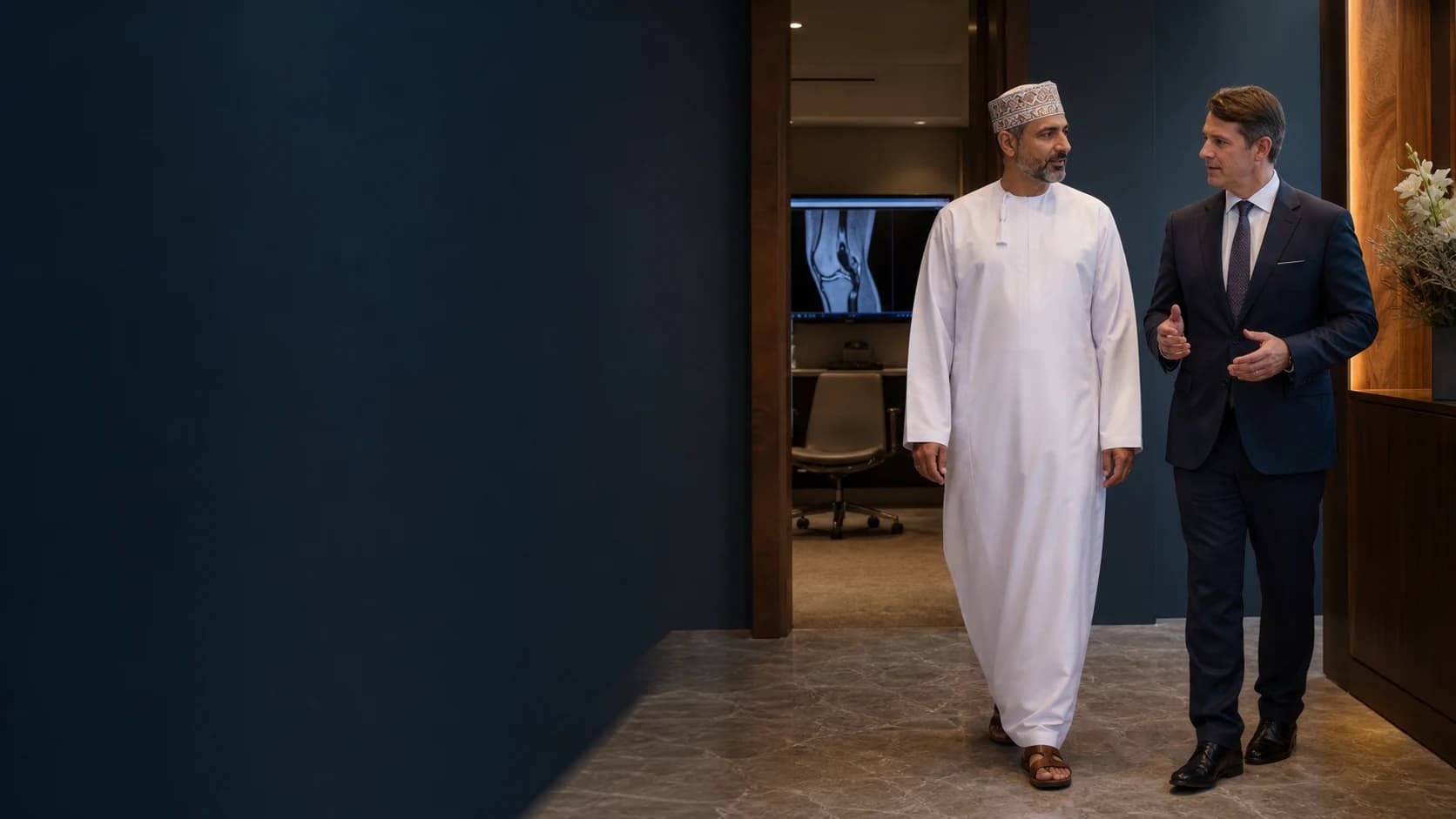
Patients from Muscat and across Oman travel to London for ACi and MACi assessment, the Nano RegenRepair™ family, surgical STACi, ChondroFiller and Mytocel MSK with Professor Paul Lee.
Read the International Patient Guide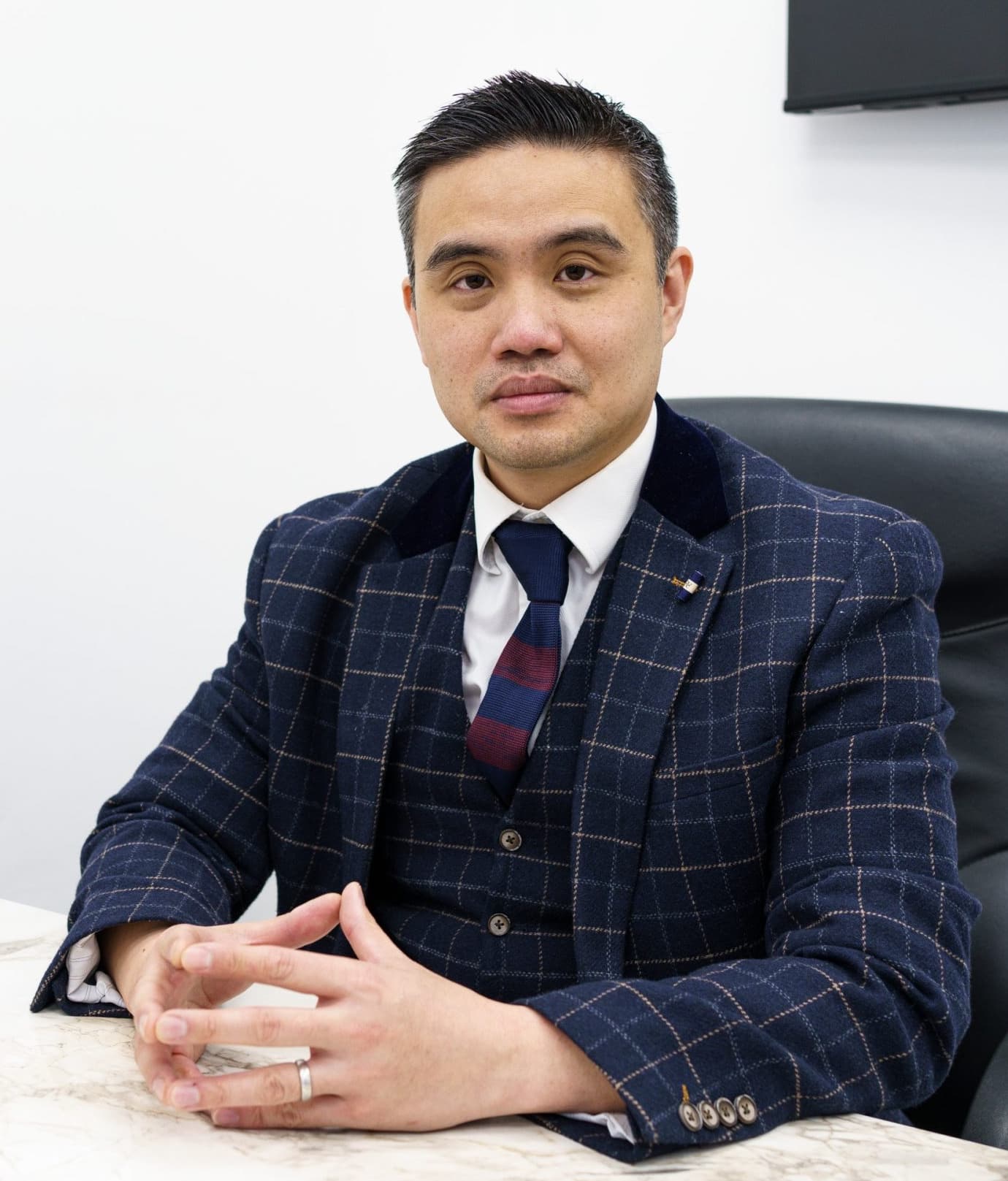 Reviewed byProfessor Paul Lee MBBch, FRCS (Tr & Orth), PhDCartilage and joint preservation expertise
Why London Cartilage Clinic
Muscat has a direct London link and Omani patients are part of the well-established flow of Arabian Peninsula patients using UK private healthcare. London Cartilage Clinic makes that journey clinically purposeful by reviewing scans first and keeping the assessment, treatment and early follow-up with Professor Paul Lee.
The familiar ACi and MACi terms provide the starting point. The full assessment then introduces the non-surgical Nano pathways, STACi when Structure needs surgery, ChondroFiller as a collagen scaffold treatment and Mytocel MSK as a standalone autologous micrograft injection.
Searching for “علاج الركبة في لندن”?That is us, knee treatment in London.
Why patients travel for treatment
Patients from Oman often arrive searching for ACi or MACi because those are the best-known cartilage cell treatments. They remain important. The assessment also shows where NanoACi, the wider Nano family, the Structure-led STACi pathway, ChondroFiller or Mytocel MSK may fit more precisely.
The recognised starting point
The established search terms for cell-based cartilage regeneration. Professor Lee uses them as the familiar reference point when explaining the newer non-surgical and surgical pathways.
Non-surgical RegenRepair™
NanoACi for cartilage, NanoAMi for meniscus, NanoATi for tendon and NanoALi for ligament adapt Seed, Soil and Signal to the tissue being treated.
Surgical RegenRepair™
When alignment, stability or the damage pattern needs surgery, STACi addresses Structure before adding the Seed, Soil and Signal cartilage-regeneration biology.
Standalone or within a pathway
Mytocel MSK provides living autologous micrografts; ChondroFiller provides a collagen scaffold. Each has a standalone role and both sit within Professor Lee’s wider regenerative toolkit.
Been told replacement is your only option?
Professor Lee assesses whether the joint still has a realistic preservation route by looking at the cartilage damage and the mechanics around it. No single regenerative treatment suits every stage of arthritis.
Where damage can support a non-arthroscopic route, NanoACi may be considered. Where alignment, instability or the defect needs surgical treatment, STACi adds Structure before the regenerative components. Replacement remains the honest recommendation where preservation is no longer appropriate.
Every alternative-to-replacement statement is a clinical judgement made only after a full assessment. Suitability depends on your individual case.
Most relevant treatments

The better-known cell-based cartilage regeneration procedures, kept as a clear starting point and assessed alongside NanoACi and the Structure-led STACi pathway.
Find out more
Professor Lee’s Seed, Soil, Signal framework, adapted into NanoACi for cartilage, NanoAMi for meniscus, NanoATi for tendon and NanoALi for ligament.
Find out more
A non-arthroscopic cartilage-regeneration pathway combining autologous micrografts, a collagen scaffold and platelet-rich fibrin in one image-guided session.
Find out more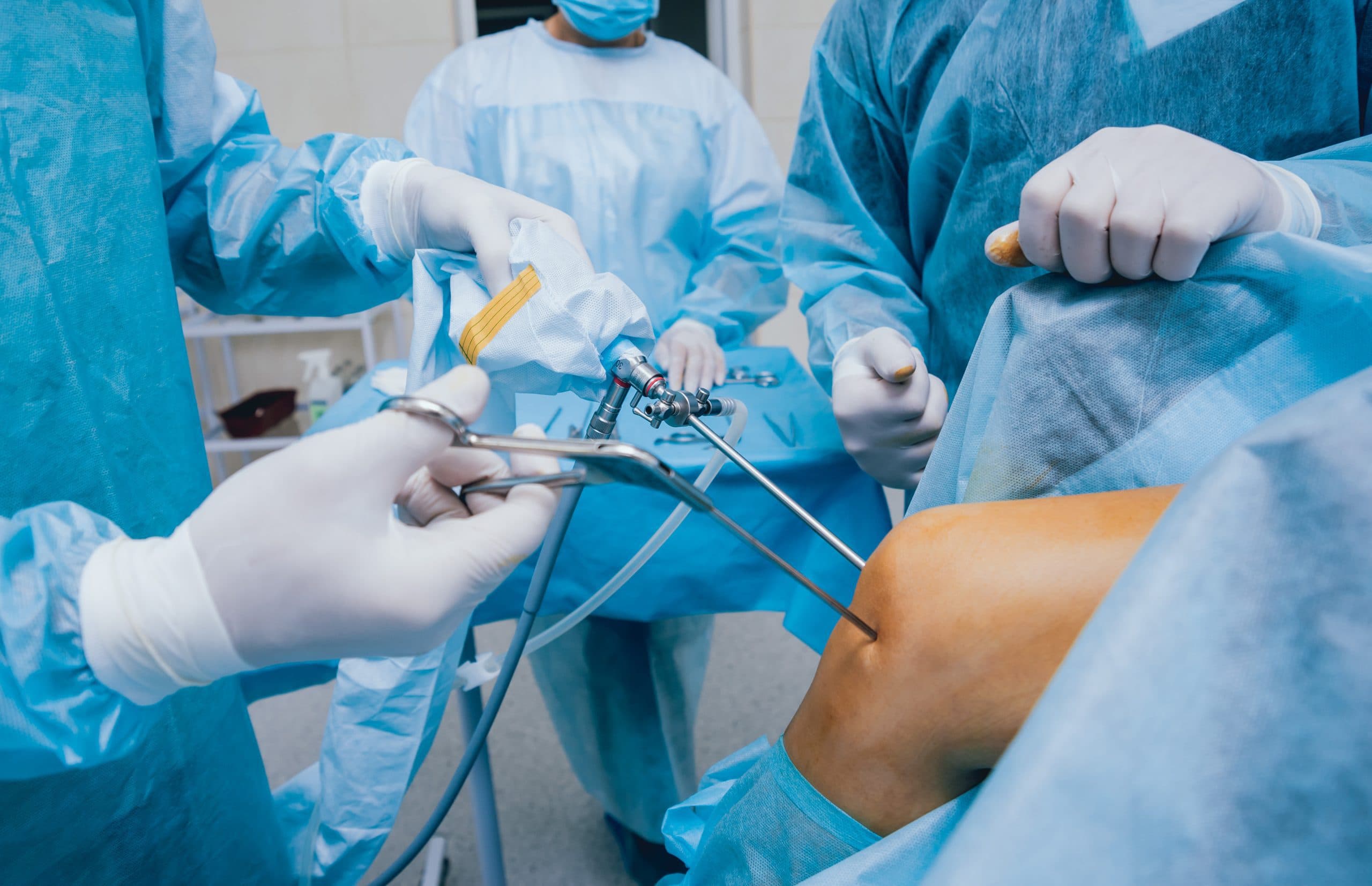
Professor Lee’s surgical RegenRepair™ pathway: Structure first, then Seed, Soil and Signal for cartilage damage that needs mechanical correction or stabilisation as well as regeneration.
Find out more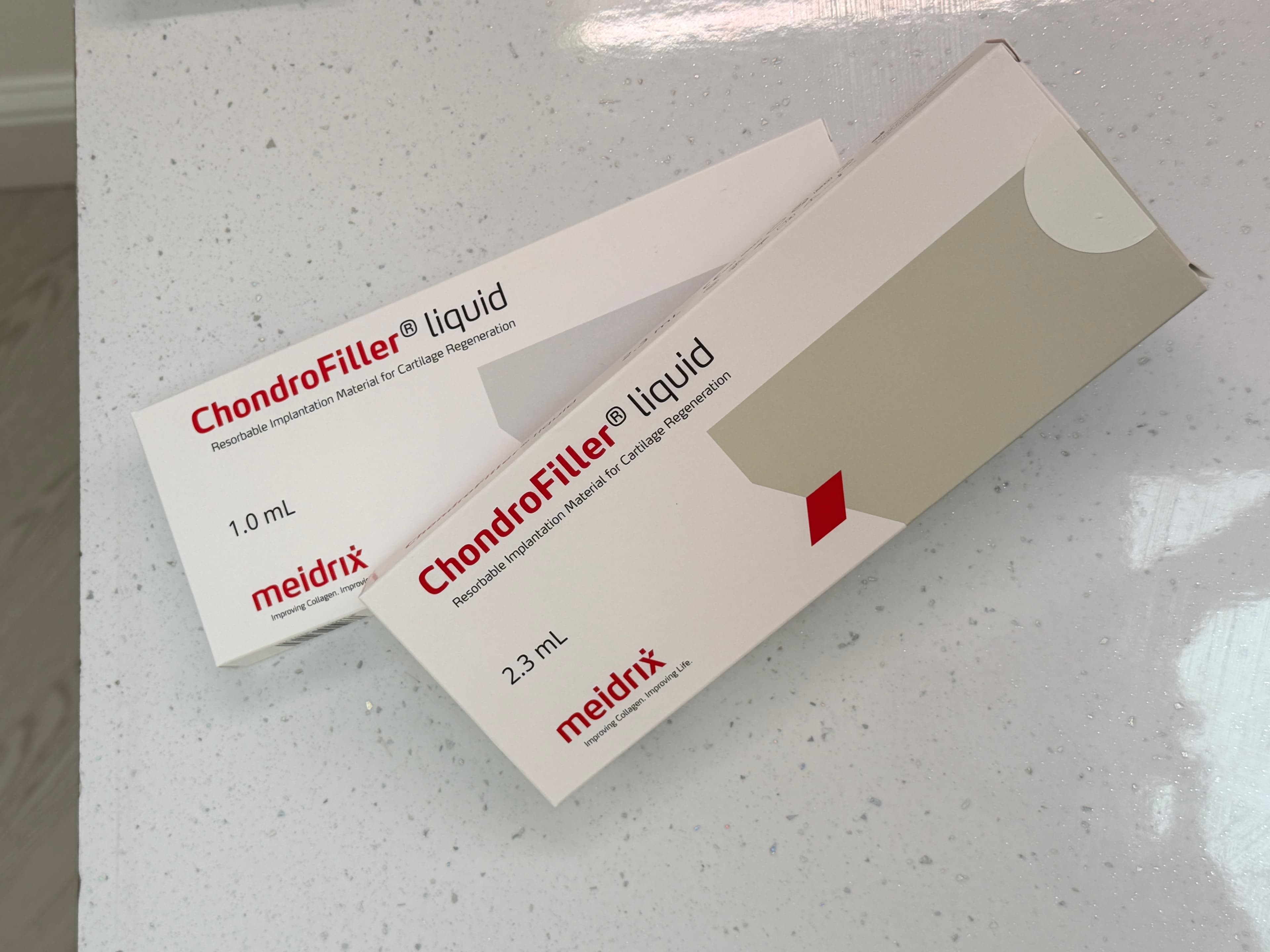
Collagen cartilage regeneration delivered by injection, made by Meidrix Biomedicals GmbH.
Find out more
A single-session regenerative injection using living autologous micrografts prepared chair-side from a small sample of the patient’s own tissue.
Find out moreGetting here
Direct Muscat–London services make one planned treatment visit possible. A virtual assessment and imaging review reduce uncertainty before the patient leaves Oman.
Muscat connects directly with London Heathrow. Current timings vary, so the treatment window is built around the confirmed itinerary.
Professor Lee can review the history and available imaging before recommending an in-person examination or treatment visit.
The return plan considers the procedure, walking ability, journey length and personal blood-clot risk.
Visiting us
66 Harley Street
London W1G 7HD
United Kingdom
A partner hospital on Weymouth Street, a few minutes from Harley Street. Imaging is arranged for you as part of your pathway.
Central London, a short walk from Regent’s Park, Oxford Circus and Bond Street underground stations.
Costs and insurance
Treatment is quoted in pounds sterling, with currency conversion from Omani rials handled by the patient’s bank or card provider. A treatment-specific estimate is issued after assessment.
Any insurer, employer or public sponsor must confirm eligibility and payment arrangements in writing. Clinical acceptance does not imply funding approval. Without prior authorisation the treatment is direct pay.
Authority
International patients are usually choosing between a small number of world specialists, so the surgeon matters more than any single treatment. Your consultation, your treatment and your follow-up are all with Professor Paul Lee.
International patients · Oman
Not usually. A discovery call can be followed by a virtual consultation with Professor Lee, with available MRI images reviewed in advance. Travel is planned once there is a clear reason for an in-person assessment or treatment.
The clinic assesses ACi and MACi alongside NanoACi, NanoAMi, NanoATi, NanoALi, STACi, ChondroFiller and Mytocel MSK. These are not interchangeable; the right route depends on the damaged tissue, joint mechanics and stage of disease.
Early review is completed in London when required. Later imaging, rehabilitation and clinical updates can be coordinated with clinicians in Oman, with Professor Lee available for remote review.
There is no universal waiting period. The team considers treatment type, mobility, flight duration, wound healing where applicable and personal blood-clot risk before clinical clearance is considered.
Wherever you are travelling from, the first step is the same. Talk it through on a discovery call, or have a virtual consultation with Professor Lee before you plan any travel.