





London Cartilage Clinic IconLondon Cartilage Clinic
Foot treatment

Foot · every option in one place

Foot pain? Understand your options before making a decision.

Many patients have more options than they realise. We offer treatments from simple injections to advanced cartilage care.

The free call is with our patient team. No card needed.

Our 30 second quiz

Which foot treatments fit your situation?

Six quick questions. We then narrow the 17 foot treatments to the ones that fit your answers, and tell you why.

Question 1 of 617%

What have you been told, or what do you think is going on in your foot?

Your Options

Explore Treatment Approaches

Your Journey

What your journey can look like

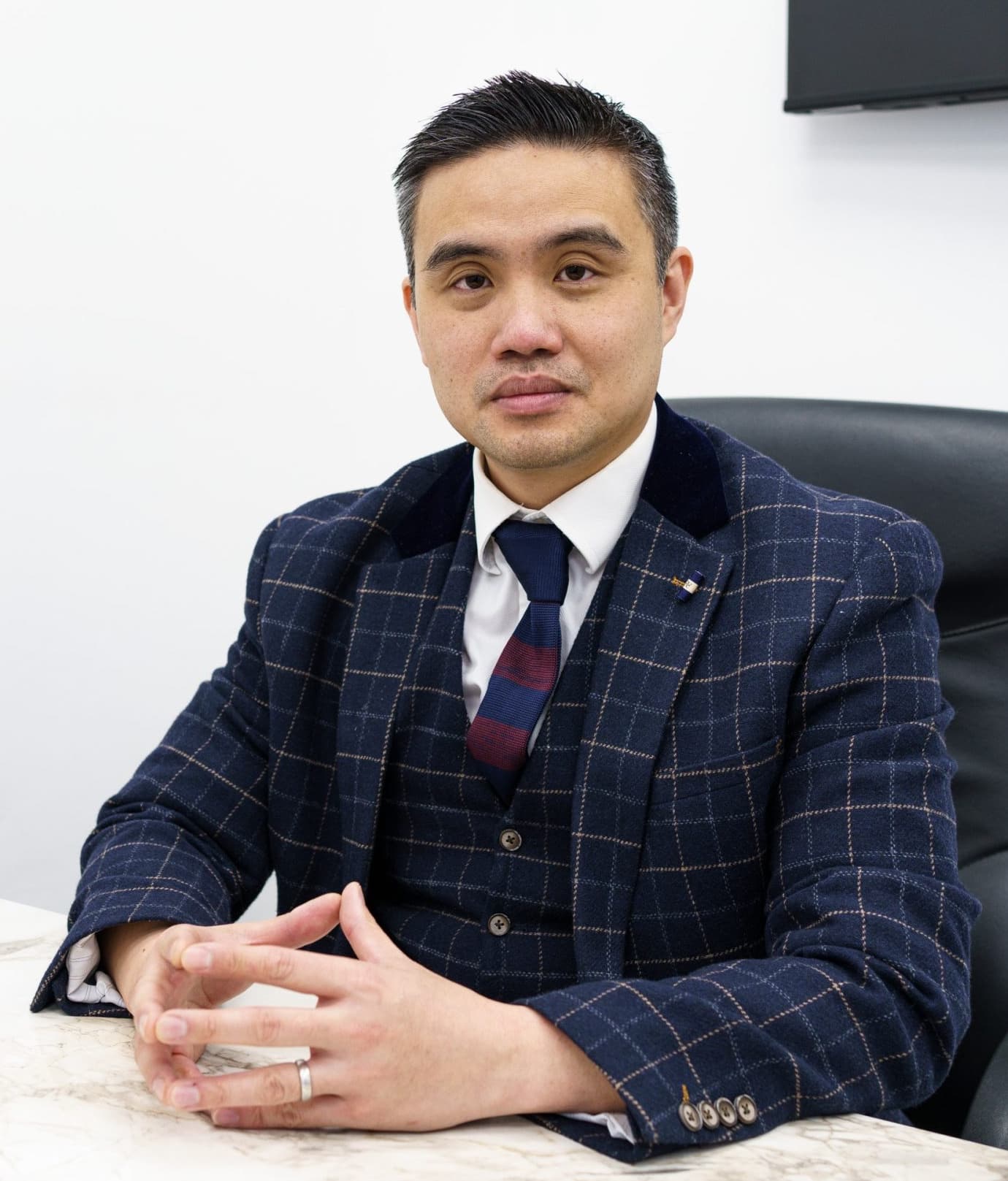
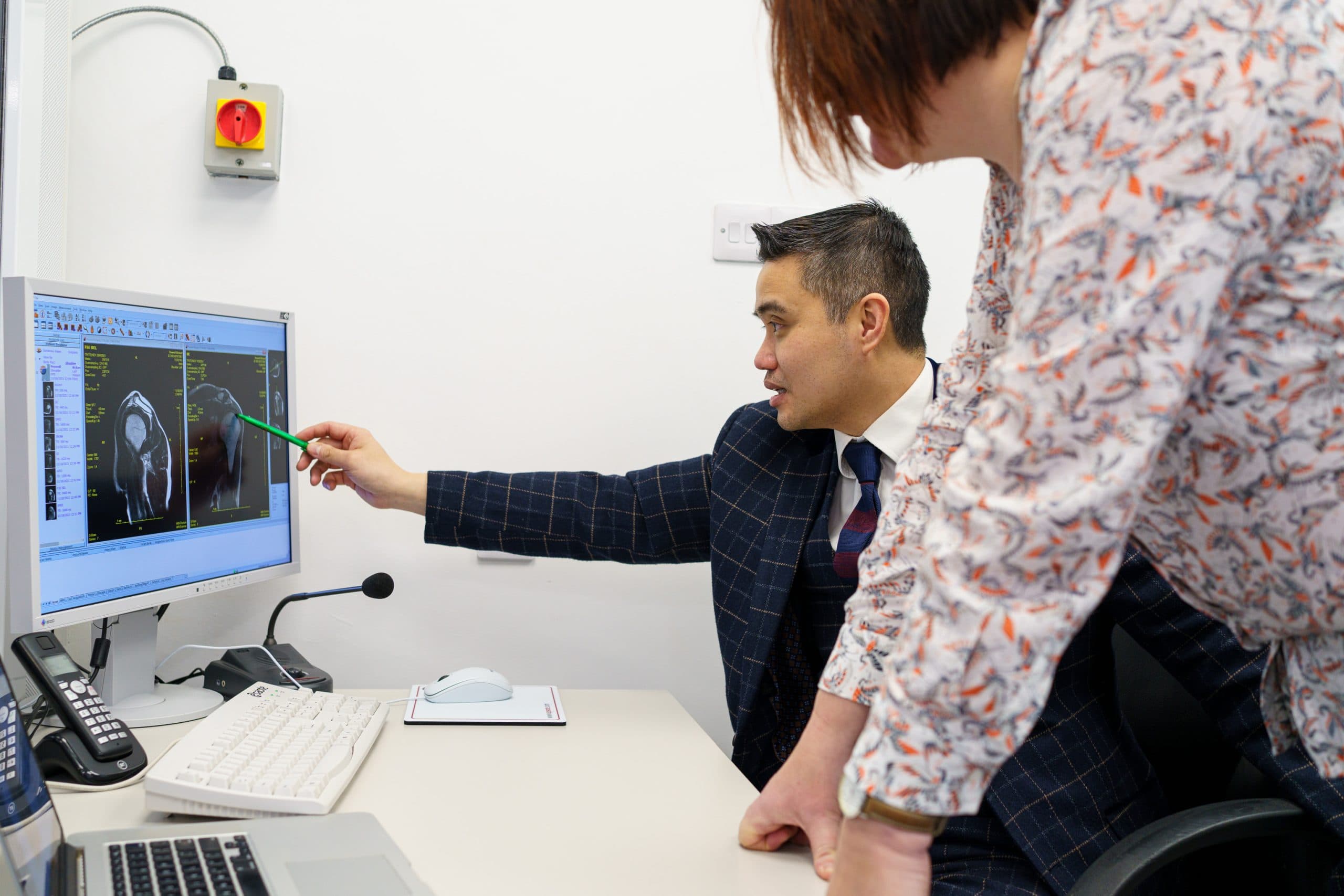
Professor Lee consulting with a patient
01

Consultant-Led Assessment

Symptoms, imaging and goals reviewed in one structured appointment. We gather the full picture before recommending anything.

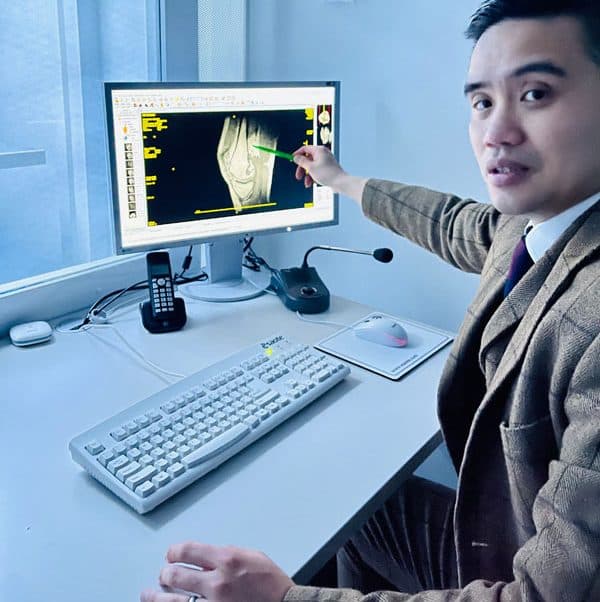
Reviewing imaging to build a personalised treatment plan
02

Personalised Treatment Plan

A clear route chosen from preservation, repair, regeneration or replacement options, matched to your diagnosis and goals.

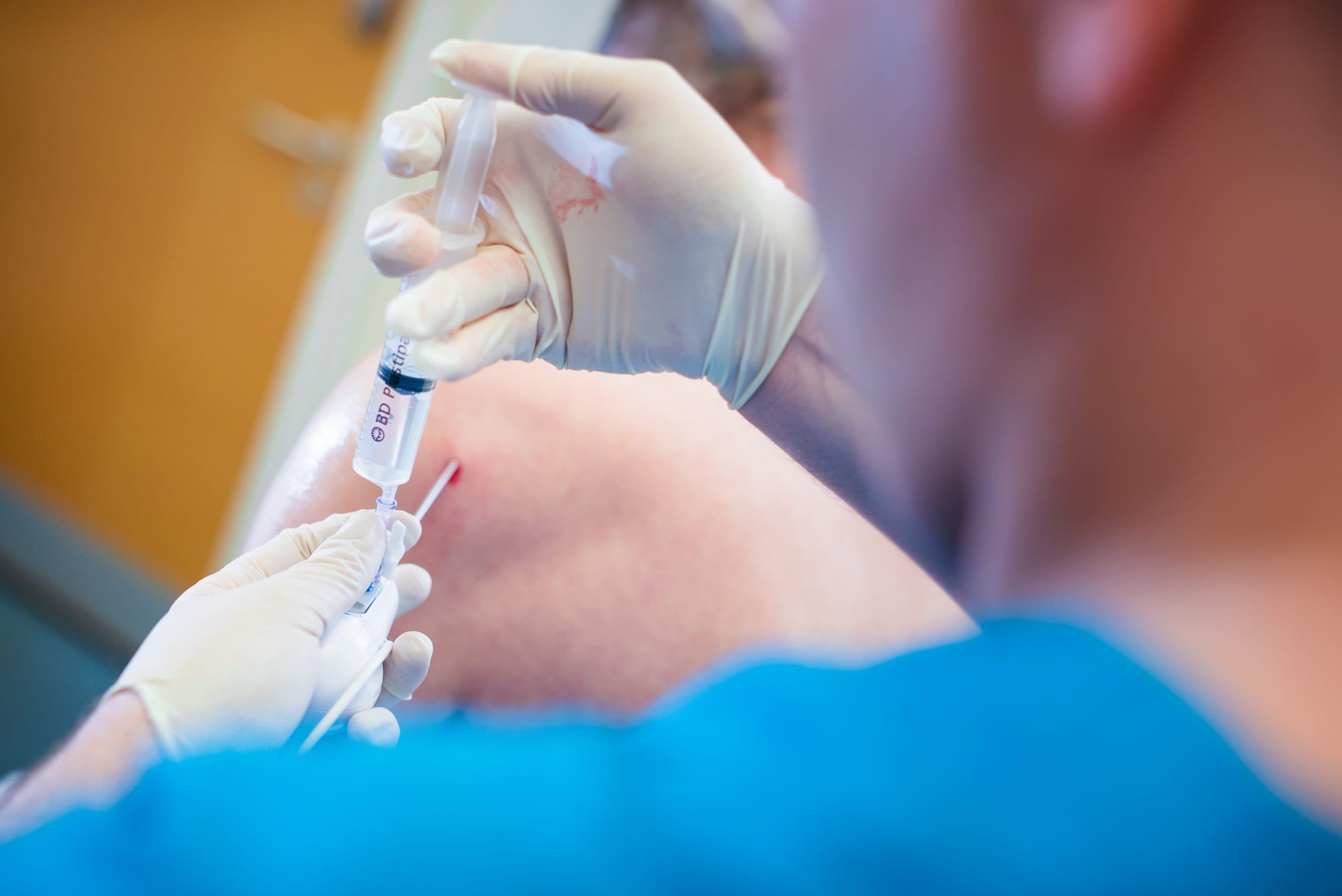
Precision foot joint injection procedure
03

Precision Delivery

Modern techniques and specialist equipment matched to your diagnosis. From ultrasound-guided injections to advanced surgical procedures.

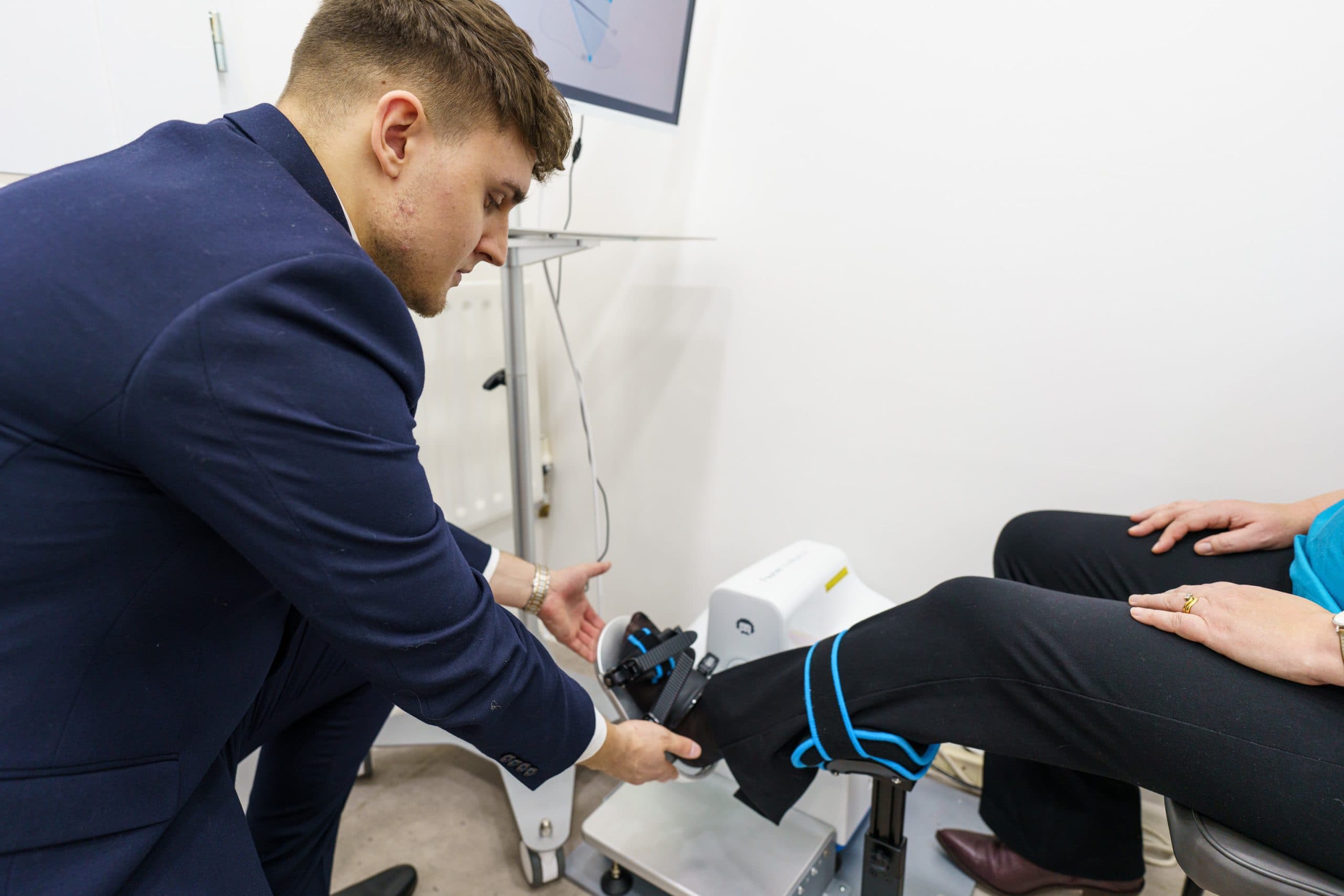
Foot rehabilitation and follow-up assessment
04

Long-Term Foot Health

Follow-up guidance focused on durable function and quality of life. We monitor your progress and adapt the plan as needed.

Foot Resources

Foot Insights

Clinical updates, treatment guidance, and recovery articles specific to foot conditions.

Ankle Cartilage Damage Causes Treatments and Recovery
Ankle

Ankle Cartilage Damage Causes Treatments and Recovery

Explore the causes, symptoms, and advanced treatment options for ankle cartilage damage, a common issue affecting joint function and mobility. Learn about professional medical approaches including physiotherapy, surgical techniques, and emerging regeneration therapies, alongside lifestyle and nutritional strategies to support cartilage health. Prevention, rehabilitation, and expert care are key to managing pain and promoting long-term ankle joint wellbeing. Stay informed with the latest insights to maintain active, pain-free movement.

The Path to Natural Recovery: Non-Surgical Strategies for Repairing Ankle Cartilage Damage with Professional Clinical Support
Ankle

The Path to Natural Recovery: Non-Surgical Strategies for Repairing Ankle Cartilage Damage with Professional Clinical Support

Ankle cartilage damage can cause lasting pain, stiffness, and reduced mobility, impacting daily life. This condition is challenging to heal naturally due to cartilage's limited blood supply, but non-surgical methods like targeted supplements, nutrition, and exercises can support recovery. MRI and X-ray imaging help diagnose and evaluate damage severity, while early intervention is crucial to prevent progression. Expert care from orthopaedic specialists, such as Professor Paul Lee at the London Cartilage Clinic, combines these natural strategies with personalized treatment plans to enhance outcomes. Although surgery may be necessary for severe cases, many benefit from a multidisciplinary approach emphasizing safety and gradual healing. This article highlights the importance of professional guidance and responsible management of ankle cartilage problems for improved joint health and quality of life.

Regenerative Breakthroughs in Treating Ankle Cartilage Damage: A Focus on Orthobiological Therapies
Ankle

Regenerative Breakthroughs in Treating Ankle Cartilage Damage: A Focus on Orthobiological Therapies

Ankle cartilage damage, often caused by injury or arthritis, leads to pain and limited mobility due to cartilage's poor self-healing ability. Traditional treatments like pain management and surgery mainly relieve symptoms but rarely restore full function. Orthobiological therapies—using stem cells, platelet-rich plasma, and growth factors—show promise in repairing damaged cartilage by enhancing the body's natural healing processes. These innovative treatments offer reduced pain, improved joint function, and less invasive recovery options, potentially preventing the need for major surgeries. While ongoing research aims to optimize these therapies, they represent a hopeful future for patients seeking lasting relief and improved quality of life.

Privacy & Cookies PolicyTerms & ConditionsFeedback & Complaints
Free Discovery Call