










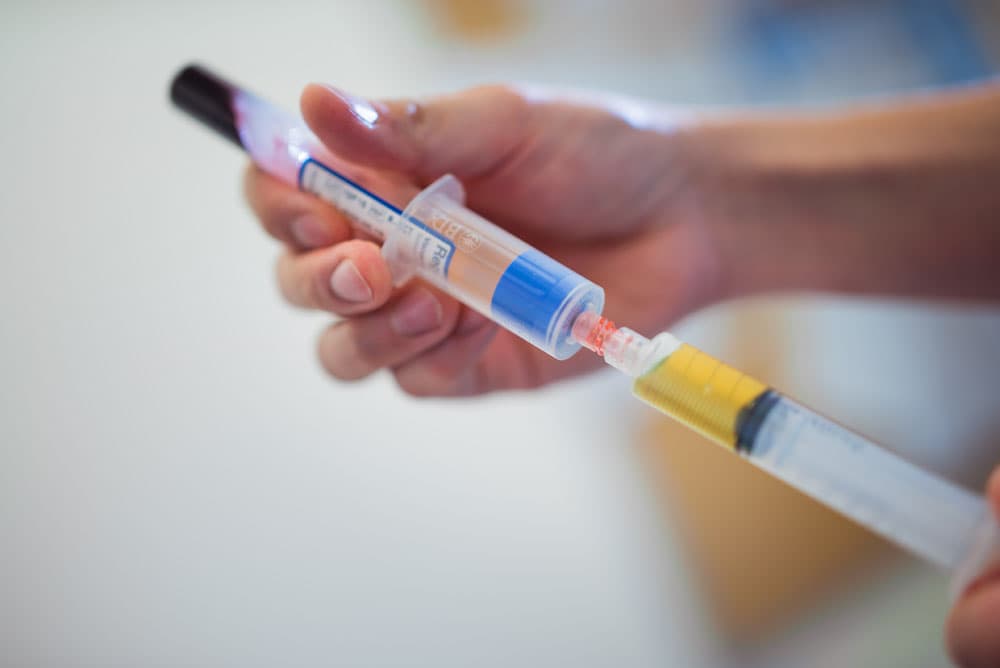

Clinician preparing injection in clinical setting

Steroid Injection

From £900
View Price List

Guide price only. Final cost is confirmed after assessment.

A corticosteroid injection delivers a powerful anti-inflammatory directly into the affected joint or soft tissue. It is one of the most established treatments in orthopaedics for managing acute pain, reducing swelling, and restoring movement. At London Cartilage Clinic, every steroid injection is performed under ultrasound guidance to ensure precision and maximise clinical benefit.

Close-up of syringe preparation for joint injection

How steroid injections work inside the joint

Corticosteroids reduce inflammation by suppressing the immune response within the joint. This lowers swelling, eases pressure on surrounding structures, and interrupts the pain cycle that restricts movement.

  • Rapid reduction in joint swelling and associated pain.
  • Creates a treatment window for physiotherapy and rehabilitation to take hold.
  • Can be combined with aspiration to drain excess fluid from the joint at the same time.

Steroid injections are often the first step in a broader treatment plan. By controlling inflammation early, we can assess the joint more accurately and guide you toward the right longer-term approach.

Why choose London Cartilage Clinic for steroid injections

A steroid injection is only as effective as the accuracy with which it is delivered. At London Cartilage Clinic, every injection is performed under real-time ultrasound guidance by a specialist with over 15 years of experience.

  • Ultrasound-guided delivery for confirmed needle placement.
  • Same-day treatment with no hospital stay required.
  • Integrated with a wider treatment strategy, not used in isolation.

We view steroid injections as a clinical tool within a structured plan. If your condition requires more than symptom control, we will discuss the full range of options available to you.

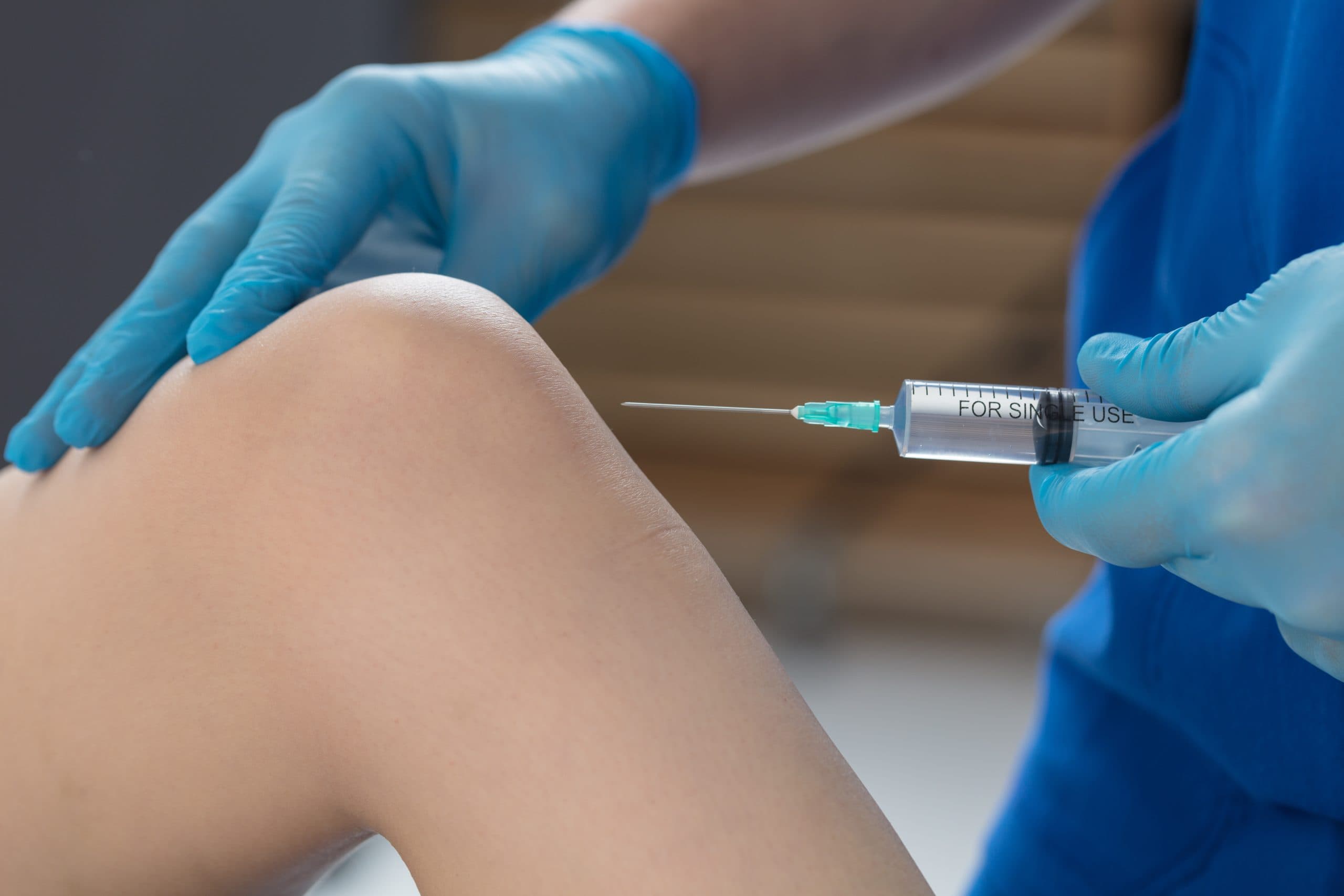
Clinician performing ultrasound-guided knee injection

You may have more options than you think

Most patients have more treatment options than they have been told

At London Cartilage Clinic we follow a structured clinical framework across four areas of treatment. Before recommending a single procedure, we assess which combination of approaches gives you the best outcome.

Preserve

Protect what you have. Slow degeneration and manage symptoms.

Repair

Fix specific damage. Torn tissue, unstable joints, structural problems.

Regenerate

Rebuild lost tissue. Biological treatments that stimulate new growth.

Replace

When other options are exhausted. Joint replacement as a last resort.

This treatment can be applied across multiple joints. Select yours to see the full range of options we offer, organised by clinical approach.

Explore All Treatment Options
consulting-in-office-with-pen

Frequently Asked Questions

How quickly does a steroid injection work?

Most patients notice a reduction in pain and swelling within 24 to 72 hours. The full effect typically develops over the first week. Some patients feel immediate relief due to the local anaesthetic given alongside the steroid.

How long does the relief from a steroid injection last?

The duration varies depending on the joint and the underlying condition. Many patients experience relief for several weeks to a few months. In some cases a single injection is enough to create a window for physiotherapy to take effect. Your specialist will discuss realistic expectations based on your diagnosis.

Are there limits on how many steroid injections I can have?

Repeated steroid injections into the same joint are generally limited because long-term use can affect cartilage and soft tissue quality. At London Cartilage Clinic, we use steroid injections strategically and will recommend alternative treatments if ongoing management is needed.

Why is ultrasound guidance important for steroid injections?

Ultrasound guidance allows the clinician to see the needle entering the joint in real time, ensuring the steroid is delivered precisely where it is needed. This improves accuracy, reduces the risk of injecting into surrounding tissues, and leads to better outcomes compared with landmark-guided injections.

What joints can be treated with a steroid injection?

Steroid injections can be used across virtually all joints, including the knee, hip, shoulder, ankle, elbow, wrist, hand, and foot. They are also used for soft tissue conditions such as bursitis and tendon sheath inflammation.

Still have more specific concerns?

Free Discovery Call

London Cartilage Clinic

Latest Insights

Clinical updates, cartilage treatment guidance, and recovery-focused articles from our specialist team.

Sinogel Injection Recovery Timeline and Aftercare Tips
Injection
Eleanor Hayes

Sinogel Injection Recovery Timeline and Aftercare Tips

Sinogel injections offer an effective, non-surgical treatment for knee osteoarthritis pain, helping improve joint mobility and reduce discomfort. Post-injection, mild swelling and soreness are common but usually subside within days. Most patients notice gradual improvement between four to eight weeks, supported by gentle activity and personalized aftercare. Avoid high-impact exercises early on, and monitor for any signs of complications like increased redness or fever. Expert guidance from professionals like Professor Paul Lee at the London Cartilage Clinic ensures a safe recovery tailored to your needs. Maintaining a healthy lifestyle, staying hydrated, and attending follow-ups enhance healing. This comprehensive overview provides clear expectations and recovery tips to help patients maximize Sinogel treatment benefits while promoting joint health.

Arthrosamid Treatment Benefits for Patellofemoral Knee Osteoarthritis
Eleanor Hayes

Arthrosamid Treatment Benefits for Patellofemoral Knee Osteoarthritis

Patellofemoral osteoarthritis is a painful knee condition affecting the joint between the kneecap and thigh bone, often limiting daily activities like climbing stairs and cycling. Traditional treatments, including physiotherapy and medication, may not restore lost cartilage cushioning. Arthrosamid, an injectable gel mimicking cartilage, offers a promising minimally invasive option to reduce pain and improve movement. Recent studies show Arthrosamid can provide symptom relief for up to 24 months, especially in selected patients, though results vary and further research is needed. Expert care at the London Cartilage Clinic ensures personalized treatment plans under specialist guidance. Consult healthcare professionals to determine if Arthrosamid is suitable for managing patellofemoral osteoarthritis and enhancing quality of life.

Supplements and Vitamins Supporting Knee Cartilage Health
Eleanor Hayes

Supplements and Vitamins Supporting Knee Cartilage Health

Knee cartilage damage can cause pain and movement difficulties, affecting quality of life. This article explores key supplements like glucosamine, chondroitin sulfate, and collagen, detailing their potential benefits, recommended dosages, and safety. It also discusses essential vitamins such as D and C that support cartilage health. While some supplements may alleviate symptoms and support joint function, evidence for cartilage repair is limited, and personalized medical advice is crucial. Emerging treatments, including cell-based therapies, show promise but remain experimental. Combining supplements with lifestyle changes and professional guidance offers the best approach to managing knee cartilage health.

Privacy & Cookies Policy