








Cartilage repair cost in the UK
- ICRS Teaching Centre of Excellence
- 5 / 5 across Doctify and Google
- 173+ verified patient reviews
At a glance
How much does cartilage repair cost in the UK?
Cartilage repair cost at London Cartilage Clinic starts at £9,800 for the knee, as a fixed price. Non-knee joints carry a 30% uplift to reflect technical complexity, putting the cost from £12,740. Knee cartilage repair cost across UK private clinics typically ranges from £7,000 to £14,000, with significant variation in inclusions; many UK clinics do not publish a knee cartilage surgery cost at all. Cartilage repair at London Cartilage Clinic is delivered by Professor Paul Lee at an ICRS Teaching Centre of Excellence.
Knee cartilage repair starts at £9,800 as a fixed price. Non-knee joints carry a 30% uplift to reflect the additional technical complexity of access and reconstruction.
| Joint | Price | |
|---|---|---|
| Knee | £9,800 | |
| Ankle | £12,740 | +30% uplift on knee price |
| Hip | £12,740 | +30% uplift on knee price |
| Shoulder | £12,740 | +30% uplift on knee price |
| Elbow | £12,740 | +30% uplift on knee price |
| Foot | £12,740 | +30% uplift on knee price |
| Hand and wrist | £12,740 | +30% uplift on knee price |
Cartilage repair cost in the UK explained
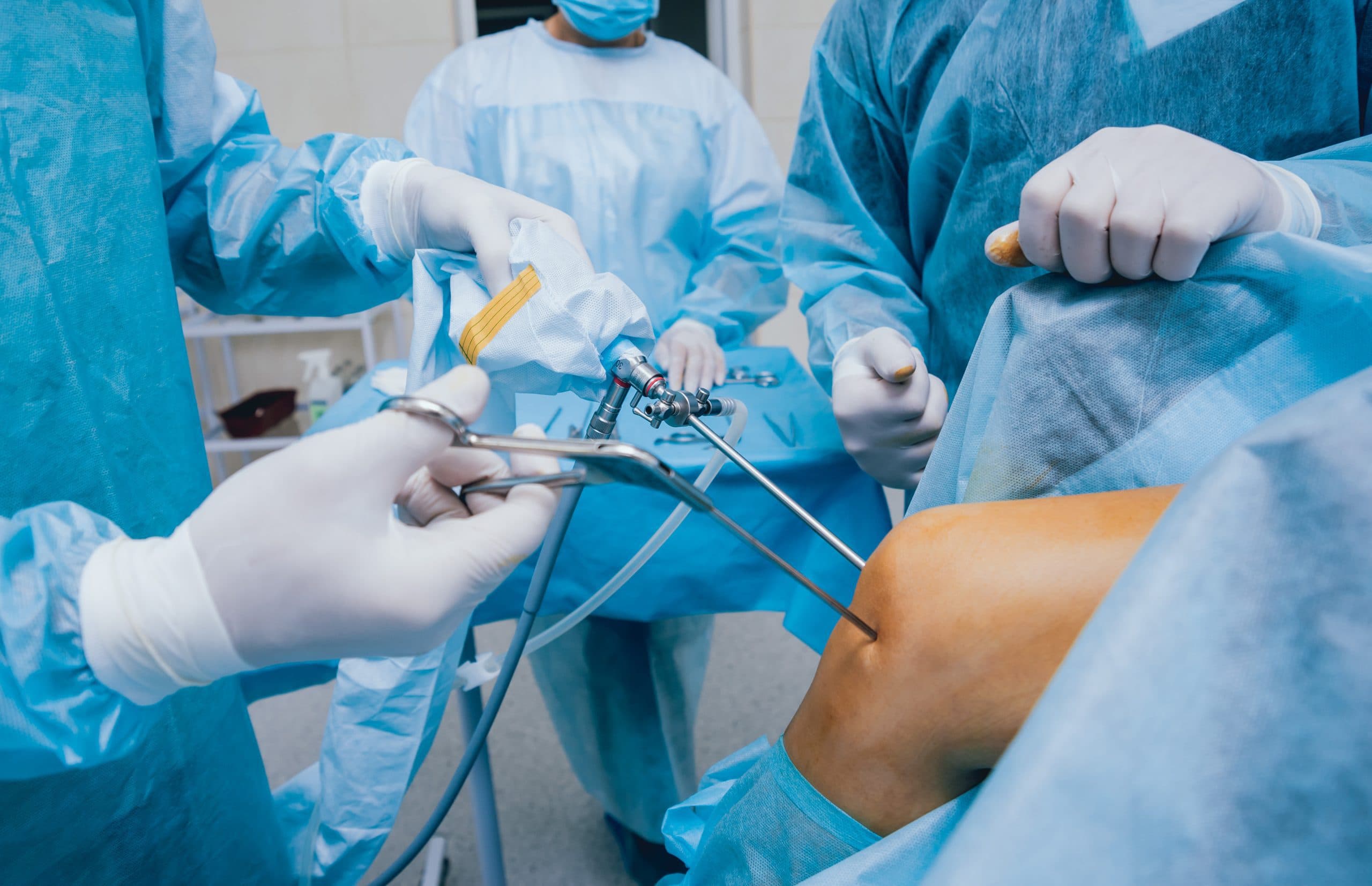
Cartilage repair fixes a focal cartilage defect using techniques such as microfracture, AMIC (autologous matrix-induced chondrogenesis) or scaffold-based approaches, depending on the defect size, the joint and the patient. A typical cartilage repair takes ninety to one hundred and twenty minutes of theatre time. Imaging review, instrumentation, surgical disposables and the scaffold materials make up a meaningful share of the knee cartilage repair cost. The knee is the most common joint we treat; cartilage repair is also delivered in the ankle, hip, shoulder, elbow, foot, hand and wrist.
Non-knee cartilage repair carries a 30% uplift on the knee cartilage surgery cost. That reflects the additional technical complexity of accessing those joints and reconstructing them around the smaller bone-and-soft-tissue envelope; it does not reflect a different team or different inclusions. At London Cartilage Clinic cartilage repair is performed by Professor Paul Lee. The price covers the surgeon’s time on the day, the consultant anaesthetist, theatre time, scaffold materials, and two post-operative reviews plus a six-month outcome review.
What is included in the price
Included in the price
- Pre-admission anaesthetic review
- Theatre fee, surgical disposables and anaesthetic agents
- Scaffold materials where used
- Operating surgeon’s fee
- Consultant anaesthetist’s fee
- Cryotherapy and on-the-day medications
- Bracing and walking aid where required
- Two post-operative consultations (typically week 2 and week 6)
- Six-month post-operative review
- Direct line to the surgical team for post-operative concerns
Not included, quoted separately
- Pre-operative consultation with Professor Lee (£350, charged separately)
- MRI imaging at £450 where not already available
- Pre-operative bloods if not already available
- Onward physiotherapy, quoted separately by your physiotherapist
- Travel and accommodation for international patients
Why cartilage repair at London Cartilage Clinic, for any of these joints
ICRS Teaching Centre of Excellence
London Cartilage Clinic is recognised by the International Cartilage Regeneration and Joint Preservation Society as a Teaching Centre of Excellence. Cartilage preservation is the principal interest of the clinic. The published outcome database we maintain is among the largest in Europe.A regenerate-first philosophy
We treat cartilage defects with the aim of preserving the joint, not replacing it. The approach (microfracture, AMIC, ChondroFiller, STACi, allograft replacement) is matched to the defect, not to a single technique we happen to be comfortable with.Multi-joint capability
Most UK clinics that treat cartilage focus on the knee. We treat the ankle, hip, shoulder, elbow, foot, hand and wrist as well. Patients with cartilage defects in less common joints often spend years being told there is no surgical option; we will tell you, honestly, whether there is one for your joint.The surgeon you see is the surgeon who operates
Pre-operative consultation, surgery and post-operative reviews are with Professor Lee. There is no transfer to a registrar or to another consultant.
Your cartilage repair journey
- 1
Discovery call (free, 30 minutes)
A clinical coordinator confirms whether cartilage repair looks like the right treatment to investigate, books the consultation if so, and answers cost questions. - 2
Consultation with Professor Lee (£350, 60 minutes)
Imaging review, examination, and a treatment plan in writing. We confirm the right cartilage technique for the joint we are treating. - 3
Pre-operative preparation
Bloods, anaesthetic review, consent process. Typically two to three weeks before surgery. - 4
Day of surgery
Day-case admission at our partner hospital on Weymouth Street, central London. Surgery takes ninety to one hundred and twenty minutes. Most patients are home the same day. - 5
First two weeks
Brace, crutches and protected weight-bearing for weight-bearing joints; activity modification for upper-limb joints. Direct line to the surgical team for any concerns. - 6
Weeks 2 to 12
Physiotherapy with your chosen physiotherapist, progressive return to function. Two follow-up consultations included. - 7
Six-month review
Outcome assessment, MRI where indicated, and confirmation of return to higher-impact activity.
Funding, insurance and payment
Self-pay
Knee cartilage repair from £9,800. Non-knee joints from £12,740. Settled by bank transfer or card before surgery.
We can discuss finance options on request rather than promoting a specific finance partner.
Private medical insurance
London Cartilage Clinic is a private-pay practice and does not work with UK insurance panels.
If you are insured, we can provide an itemised invoice for you to submit for reimbursement, but you settle the bill with us directly.
International patients
Outcomes after cartilage repair
Cartilage repair aims to fill a focal defect with new cartilage tissue. Most patients are walking unaided by week six (for knee, ankle, hip, foot) and return to recreational activity between three and six months after cartilage repair. For upper-limb joints, return to function tends to be faster because the joint is not weight-bearing. Higher-impact activity is confirmed at the six-month review.
Where the defect is too large for repair, cartilage replacement (allograft) at £28,000 is the alternative. We will tell you, at consultation, which is appropriate for your defect.
Conditions we treat
cartilage repair is considered for
Patient stories
I had a cartilage defect in my ankle that two other surgeons told me to live with. Professor Lee assessed me and offered a repair. Twelve months on the ankle is the most stable it has been in years.
Frequently asked questions
How much does cartilage repair cost in the UK?
Why is non-knee cartilage repair more expensive than knee?
Can I have cartilage repair in any joint?
How does cartilage repair compare to cartilage replacement?
Can I claim cartilage repair on private medical insurance?
Does the price include the anaesthetist?
How long is recovery, and is physiotherapy included?
What is the ICRS Teaching Centre of Excellence designation?
Why is cartilage repair at London Cartilage Clinic priced where it is?
Is the surgeon I see at consultation the same one who will operate?
Where will the surgery happen?
Ready to talk
Two paths from here
For when you want to talk first, the discovery call costs nothing. For when you have decided you want to be assessed, book a consultation with the operating surgeon. Either way you can learn how the procedure works on the cartilage repair page.