

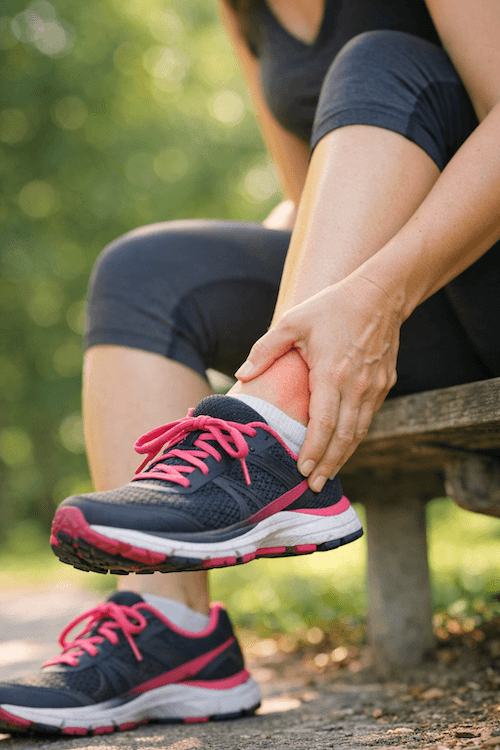


Woman holding painful knee while exercising outdoors

Chondromalacia Patella

From £9,800
View Price List

Guide price only. Final cost is confirmed after assessment.

Chondromalacia Patella, commonly known as 'runner's knee', is a condition characterised by the softening and damage of the cartilage beneath the kneecap (patella). This condition primarily affects young adults and teenagers and is more prevalent in women. The exact cause of Chondromalacia Patella remains unclear, but it's often associated with knee overuse, particularly in sports, and may result from misalignment or imbalance in knee muscles. Common symptoms include pain at the front of the knee, particularly when climbing stairs or after prolonged sitting, and a grinding sensation during knee movement.

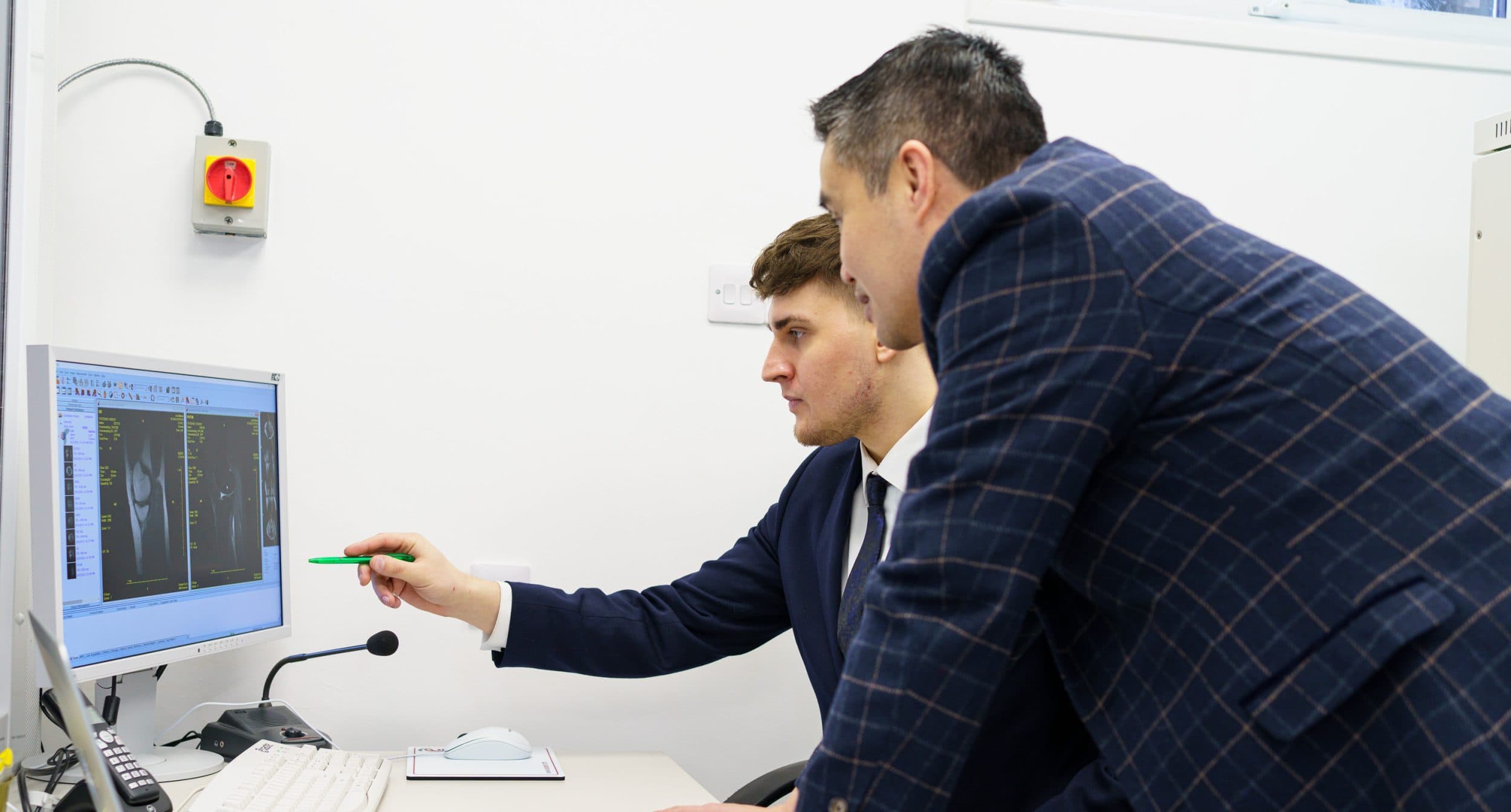
Two clinicians reviewing knee MRI on desktop monitor

Understanding knee-cap pain in chondromalacia patella

Chondromalacia patella describes softening and wear of cartilage beneath the kneecap, often causing front-of-knee pain, crepitus, and activity-related discomfort.

  • Symptoms may worsen with stairs, squats, running, or prolonged sitting.
  • Biomechanical factors and muscle imbalance often contribute.
  • Severity ranges from mild irritation to progressive cartilage degeneration.

Early, targeted treatment can reduce pain, improve tracking mechanics, and help avoid progression to more persistent joint damage.

Diagnosis and tailored treatment planning

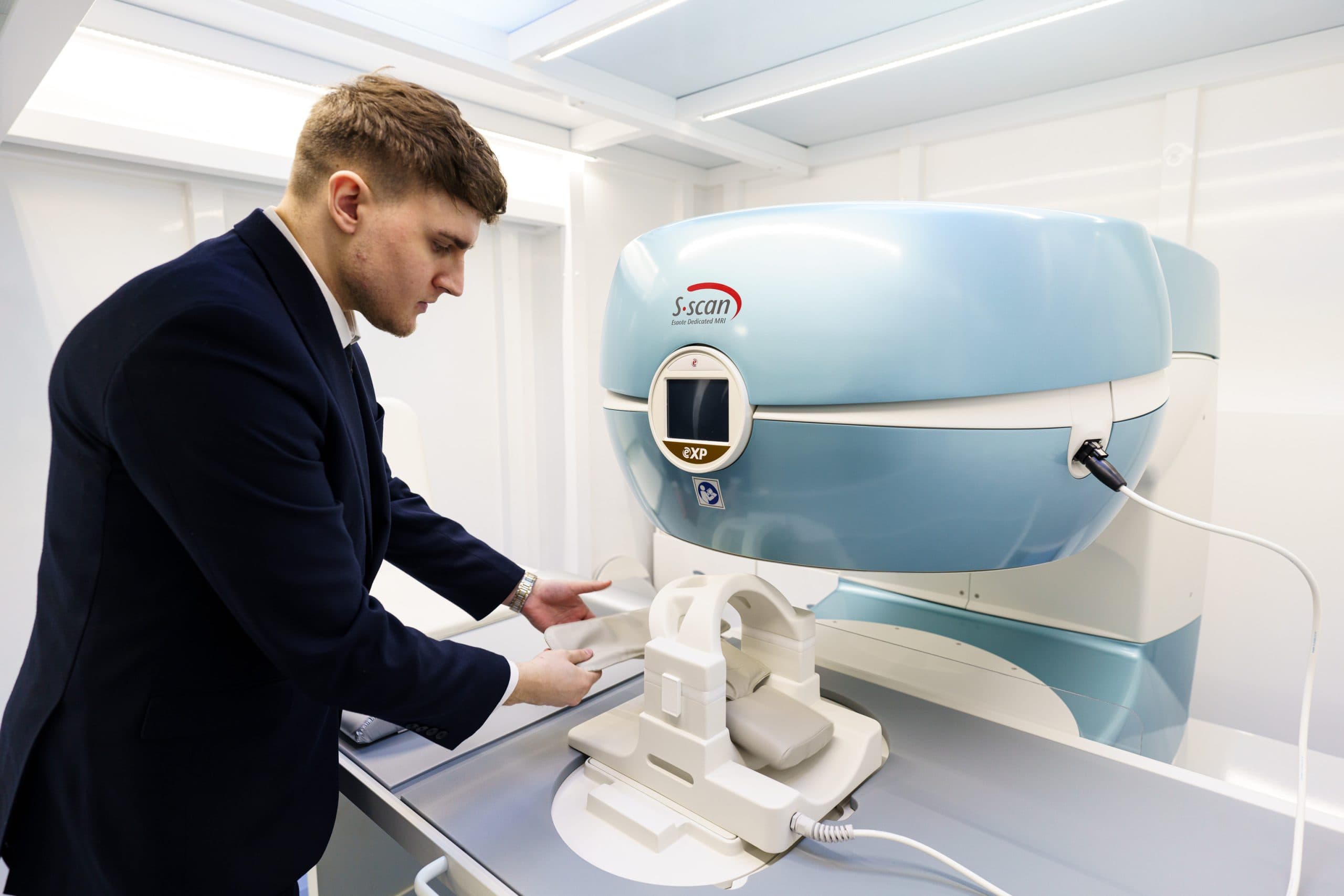
We start with a specialist exam, movement analysis, and imaging when needed to confirm cartilage status and identify contributors such as maltracking or overload.

  • Load modification and focused physiotherapy to restore muscle balance.
  • Pain-relieving or regenerative injections where clinically appropriate.
  • Surgical options for selected severe or persistent cases.

At London Cartilage Clinic, each pathway is personalised to reduce pain, improve patellofemoral function, and support long-term knee health.

Clinician preparing knee scanner equipment
consulting-in-office-with-pen

Frequently Asked Questions

What makes chondromalacia pain worse?

Physical activities that place strain on the knees are likely to lead to the worsening of chondromalacia symptoms. Common examples include running, jumping, hiking, and sports involving dynamic leg movements. Staying in a seated position for long periods of time can also exacerbate the symptoms of chondromalacia.

What happens if chondromalacia is left untreated?

Untreated chondromalacia will lead to the complete degradation of the cartilage underneath the patella. This will leave the knee vulnerable to impacts and drastically increase the likelihood of osteoarthritis.

What distinguishes Chondromalacia Patella from other knee conditions?

Chondromalacia Patella is unique due to its specific location – the cartilage under the kneecap – and its common occurrence in young adults, particularly females.

How effective is non-surgical treatment?

Non-surgical treatments, including injections, magnetic therapy (PEMF), physiotherapy and medication, are effective in most cases, significantly improving symptoms without the need for surgery.

When is surgery considered for Chondromalacia Patella?

Surgery is considered when conservative treatments fail to provide relief, focusing on realigning or repairing the damaged cartilage.

Still have more specific concerns?

Free Discovery Call

London Cartilage Clinic

Latest Insights

Clinical updates, cartilage treatment guidance, and recovery-focused articles from our specialist team.

Nutrition Strategies for Strengthening Knee Cartilage
John Davies

Nutrition Strategies for Strengthening Knee Cartilage

Discover how nutrition supports knee cartilage health, as explained by Professor Paul Lee of the London Cartilage Clinic. Learn which foods—like fatty fish, turmeric, and vitamin C-rich fruits—can strengthen cartilage and reduce inflammation. Avoid processed sugars and trans fats that harm joints. Practical meal tips help incorporate these nutrients into daily life. While diet aids joint comfort and resilience, it works best combined with exercise and medical advice. Embrace balanced eating and expert guidance for healthier, more comfortable knees.

ChondroFiller Minimally Invasive Cartilage Repair Benefits and Patient Suitability
John Davies

ChondroFiller Minimally Invasive Cartilage Repair Benefits and Patient Suitability

ChondroFiller is a minimally invasive, keyhole surgery technique that repairs cartilage damage by injecting a collagen gel directly into the affected area. Suitable for patients with small to medium cartilage lesions, it promotes natural cartilage regeneration with less pain and faster recovery compared to traditional surgeries. The procedure involves arthroscopic guidance for precise gel placement, minimizing tissue damage and complications. Clinical studies report high patient satisfaction, improved joint function, and lasting benefits. Recovery typically includes tailored rehabilitation with reduced pain and a quicker return to activity. ChondroFiller offers a safe, effective alternative for cartilage repair, emphasizing simplicity and rapid healing. Consultation with healthcare professionals is essential to determine candidacy and ensure optimal outcomes.

The Link Between Segond Fracture and ACL Tears in Diagnosis and Treatment
John Davies

The Link Between Segond Fracture and ACL Tears in Diagnosis and Treatment

Explore the critical connection between Segond fractures and anterior cruciate ligament (ACL) tears, common yet often intertwined knee injuries especially among athletes. This article highlights how the Segond fracture—a small tibial bone break—serves as a key indicator of ACL damage. Advances in MRI and CT imaging aid in early and accurate diagnosis, leading to more comprehensive treatment strategies that address both bone and ligament injuries. Understanding this relationship improves patient outcomes, enhancing knee stability and function. Future research aims to refine detection and develop minimally invasive surgical techniques, helping patients recover faster and return to active lifestyles confidently.