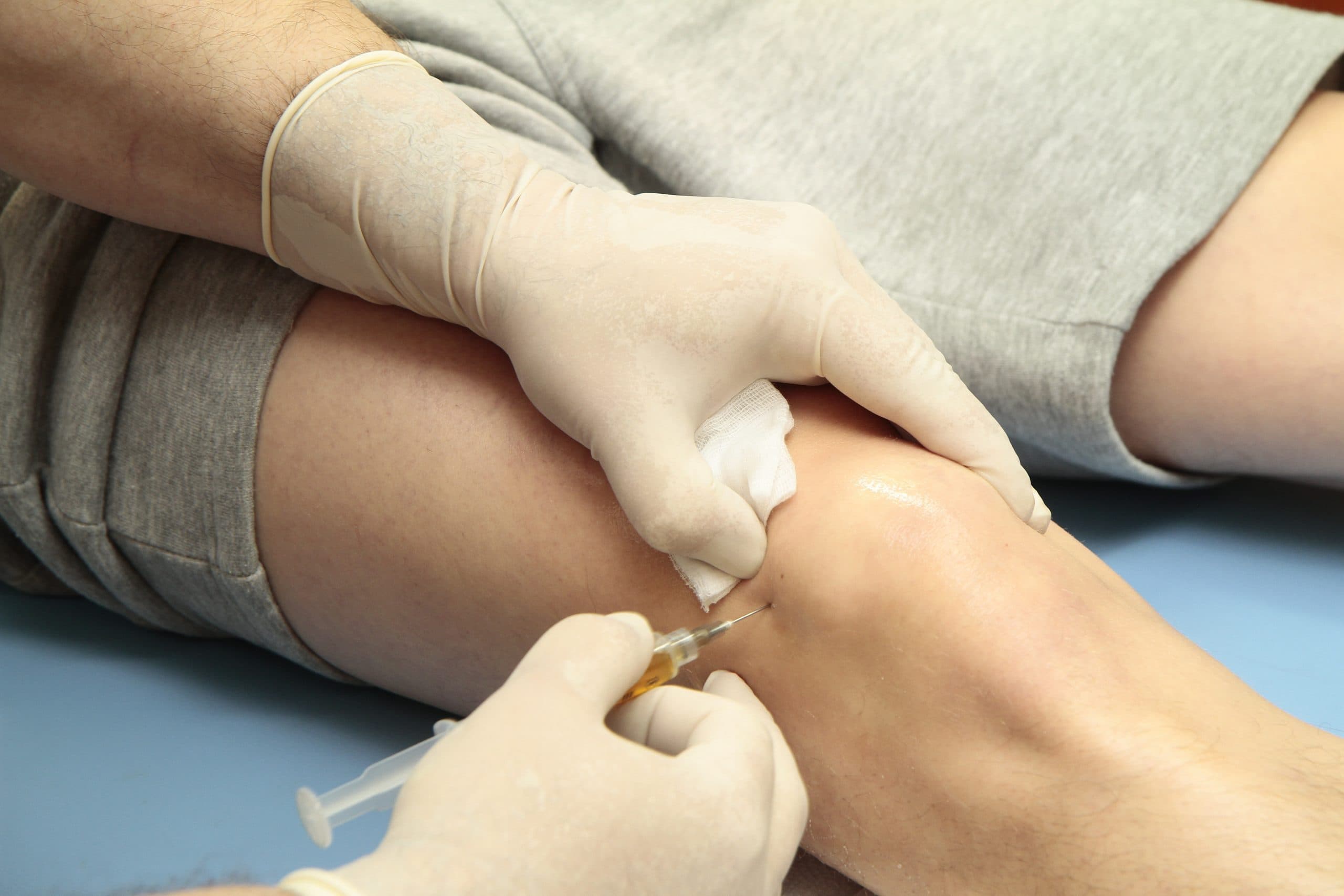
Close-up of a medical knee injection

Stem Cell / Medicinal Signaling Cell treatment for knees

From £28,000
View Price List

Guide price only. Final cost is confirmed after assessment.

Stem Cell / Medicinal Signaling Cell treatment is a highly effective method of regenerating or repairing injured or damaged tissue using the individual's own cells. In the case of the knee, Stem Cell / Medicinal Signaling Cell injections are mostly used in patients who are suffering with osteoarthritis or have a sports related injury. Over the years, Stem Cell / Medicinal Signaling Cell research and treatments in the knee has generated impressive and life-changing results for patients.

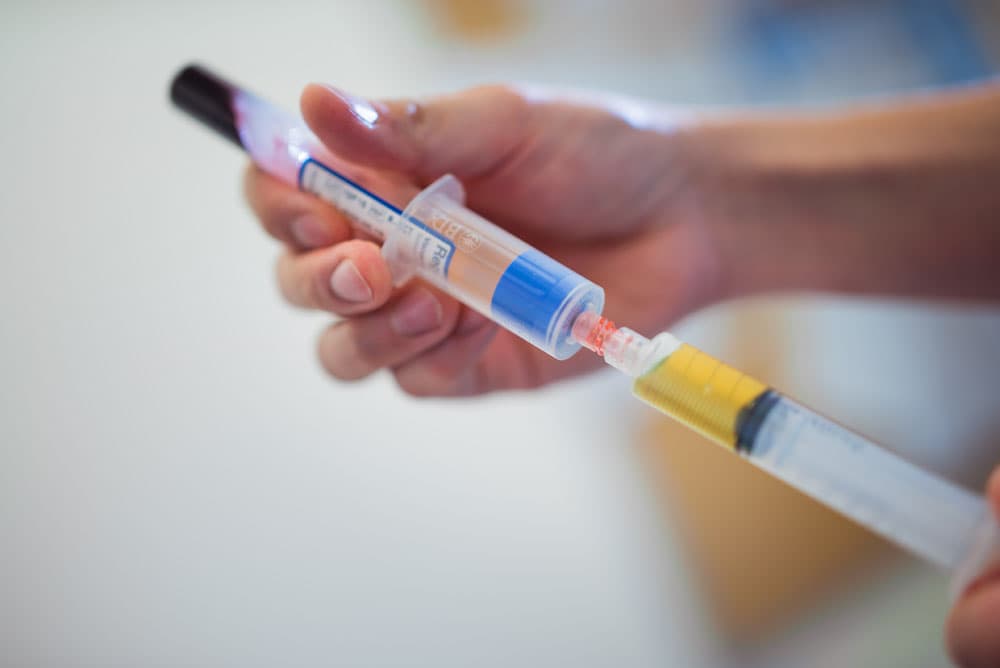
Close-up of syringe preparation in a medical setting

What is the Stem Cell / Medicinal Signaling Cell treatment process for the knee?

Stem Cell / Medicinal Signaling Cells are found in various areas of the body, the cells that are used in relation to joint problems are known as mesenchymal Stem Cells / Medicinal Signaling Cells. These cells are harvested from the abdominal fat or bone marrow under general anaesthetic using a specific type of needle and syringe.

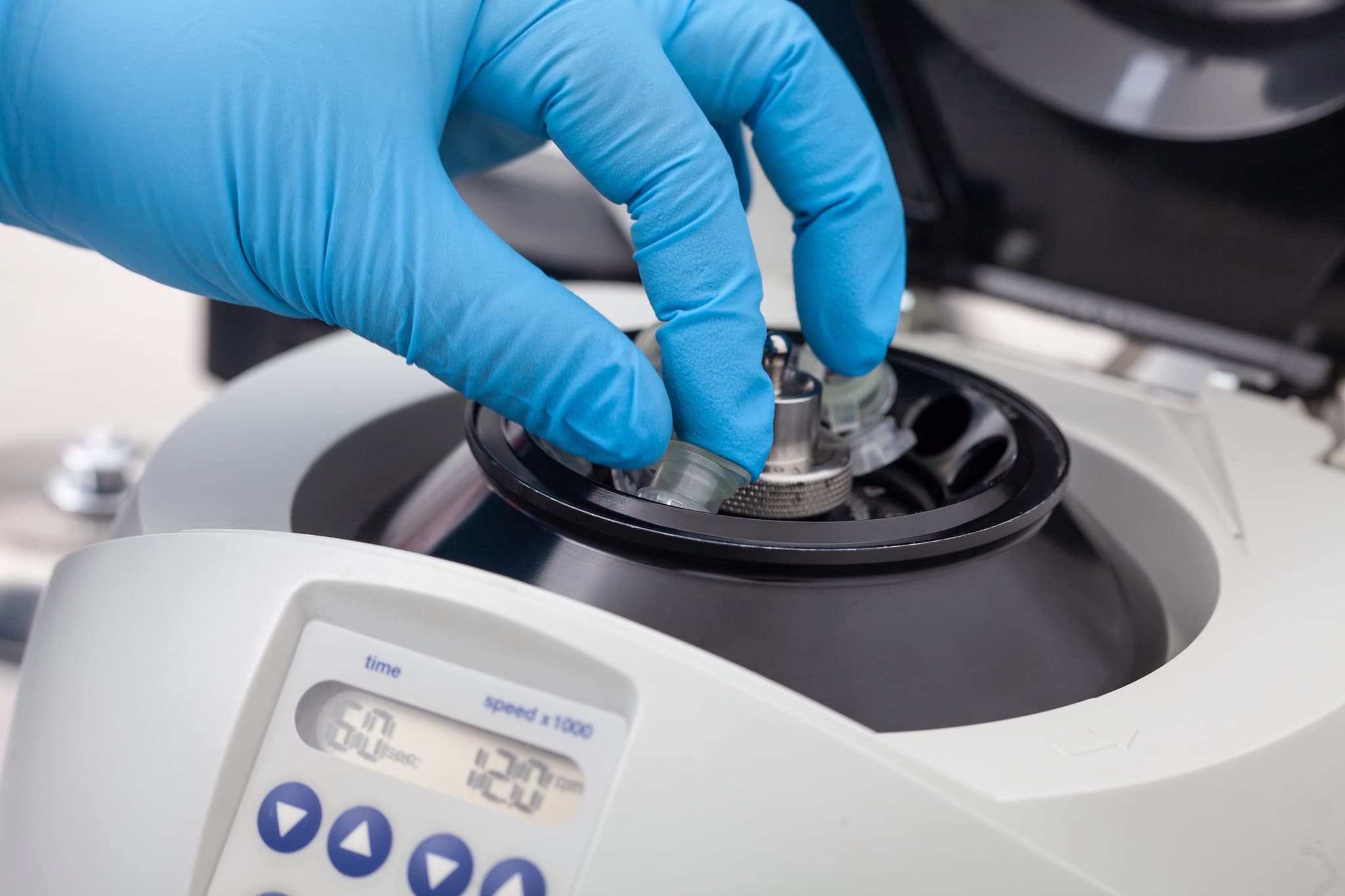
Once the cells are harvested, the various elements of the fluid are separated from each other in a closed-circuit system. Next, the concentrated cells are isolated, and the surgeon injects them into the knee using an X-ray for precise guidance to the relevant area. Stem Cell / Medicinal Signaling Cell treatment for knees is an outpatient procedure, it takes around 1 hour, and patients can go home later in the same day.


Why choose London Cartilage Clinic for your knee Stem Cell / Medicinal Signaling Cell treatment?

Our specialists are at the top of their field, with years of relevant knowledge and hands-on experience with the knee joint and supporting patients through exclusive, forward-thinking treatments. Stem Cell / Medicinal Signaling Cells are a highly specialised biological treatment that should only be administered by industry experts.

London Cartilage Clinic offers a dedicated service from start to finish, ensuring you receive the best possible patient care. Our team will guide you through the process, making sure you're happy and understand everything you need to know about your Stem Cell / Medicinal Signaling Cell knee injection treatment.

Gloved hand handling a centrifuge in a clinical lab
consulting-in-office-with-pen

Frequently Asked Questions

How does a Stem Cell / Medicinal Signaling Cell injection reduce knee pain?

Stem Cell / Medicinal Signaling Cell treatment has proven to reduce knee pain and improve the functionality of the joint. It is believed that this is done by:

  • Reducing inflammation that can worsen arthritis
  • Supporting cartilage regeneration in the knee
  • Releasing cytokines, which are beneficial natural proteins that protect the cartilage and reduce pain

What are the benefits of Stem Cell / Medicinal Signaling Cell treatment for knee osteoarthritis?

  • Natural repair - Stem Cell / Medicinal Signaling Cell therapy uses the body's own repair cells taken from fat which encourages natural healing and slows down the deterioration of cartilage.
  • Minimally invasive - Stem Cell / Medicinal Signaling Cell treatment is an effective form of treatment that has the benefit of being minimally invasive. It is a great option for those who want to avoid knee surgery as it's quicker, has less recovery time, and hardly any side effects.
  • Proven effectiveness - research has shown that the majority of individuals who have Stem Cell / Medicinal Signaling Cell knee treatment report improvement in their symptoms as well as delaying or completely removing the need for knee replacement surgery.

Who is a good candidate for Stem Cell / Medicinal Signaling Cell knee injections?

You might be right for Stem Cell / Medicinal Signaling Cell treatment for knees if you have been suffering from joint pain caused by degenerative conditions like arthritis or a sports injury. It is a good option for individuals who are looking for the best treatment for their pain and want to improve their quality of life whilst also avoiding the complications of invasive surgery.

Still have more specific concerns?

Free Discovery Call

London Cartilage Clinic

Latest Insights

Clinical updates, cartilage treatment guidance, and recovery-focused articles from our specialist team.

Safe Movement Strategies for Torn Meniscus Recovery
Eleanor Hayes

Safe Movement Strategies for Torn Meniscus Recovery

A torn meniscus injury requires careful management to maintain mobility while preventing further damage. This article outlines expert-recommended strategies for safe movement, highlighting the importance of gentle walking with supportive aids and avoiding knee-stressing activities like twisting or deep squats. It emphasizes low-impact exercises such as swimming and stationary cycling, complemented by physical therapy to strengthen surrounding muscles and enhance knee stability. Key signs to watch for include pain, swelling, and knee locking, with prompt medical consultation advised if symptoms worsen. Expert rehabilitation programs have proven effective in improving knee range of motion post-injury. Ultimately, balancing cautious activity with professional guidance supports optimal recovery and preserves knee function.

ChondroFiller as a Regenerative Collagen Scaffold for Cartilage Repair
Eleanor Hayes

ChondroFiller as a Regenerative Collagen Scaffold for Cartilage Repair

ChondroFiller is an innovative cartilage repair treatment using a collagen scaffold that supports natural tissue regeneration without stitching. Acting like both a stabilizing gel and a growth guide, it fosters the body's own cells to heal cartilage defects effectively. This less invasive option offers advantages over stem cell therapies by simplifying recovery and reducing risks. Clinical studies confirm its safety, integration with existing cartilage, and positive patient outcomes. Ideal for those seeking advanced, minimally invasive cartilage repair, ChondroFiller is best used under expert medical guidance to tailor treatment and optimize recovery.

Hip and Knee Pain Connections Causes and Relief Strategies
Eleanor Hayes

Hip and Knee Pain Connections Causes and Relief Strategies

Hip and knee pain often occur together due to their interconnected structure and function, leading to compensatory movements and referred pain. Common causes include osteoarthritis, bursitis, ligament injuries, and overuse. Effective management involves gentle exercise, proper sleeping positions, and multidisciplinary care as emphasized by experts like Professor Paul Lee at the London Cartilage Clinic. Prompt medical attention is crucial for severe or persistent symptoms, such as night pain or swelling, to prevent further damage. Understanding these links and treatment strategies helps improve joint health and quality of life.