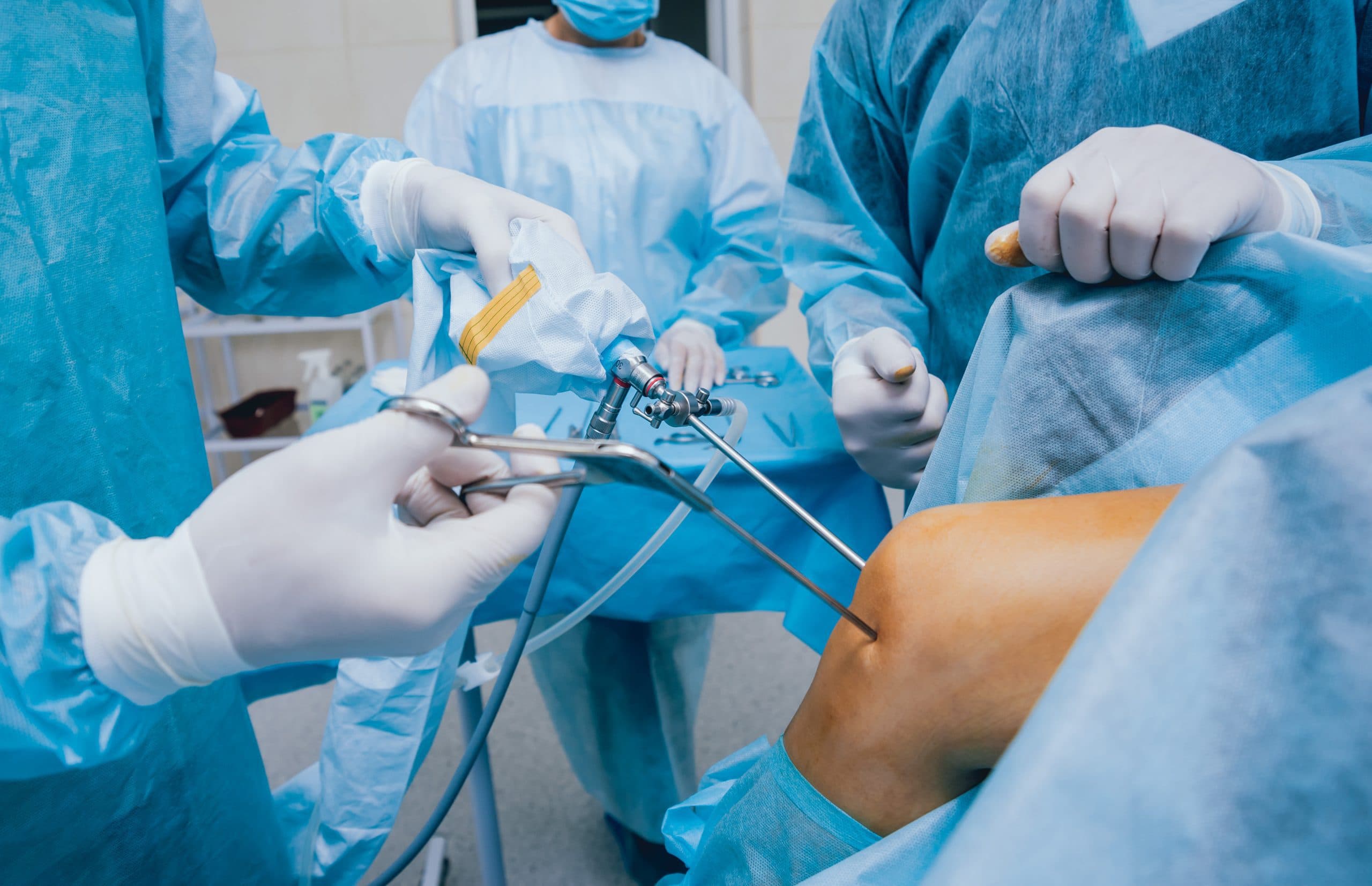
Operating theatre prepared for elbow surgery

Elbow Replacement

From £18,500
View Price List

Guide price only. Final cost is confirmed after assessment.

Elbow replacement is offered at London Cartilage Clinic as the last step of our preserve, repair, regenerate, replace pathway, not the first. End-stage elbow arthritis is treated by replacing the worn joint surfaces with prosthetic components designed to restore movement and relieve pain. Every patient is assessed for biological and joint-preserving alternatives first, because there are usually options to try before replacement is the right answer.

Interior view of elbow joint during arthroscopic assessment

Replacement is the last step not the first

The preserve, repair, regenerate, replace pathway exists because most elbow arthritis patients have more options than they have been told. We work through that pathway with you before replacement is recommended.

  • Preserve: activity modification, biomechanical correction, and symptom-relief injections.
  • Repair / regenerate: biological injections, EOAT for focal defects, cartilage repair where appropriate.
  • Replace: total elbow replacement only when the alternatives have been exhausted or are not realistic.

We do offer elbow replacement and we do it well, but it sits at the bottom of the list of options because it is irreversible and carries lifelong lifting restrictions. Come and speak to us before you accept that replacement is the only answer.


Recovery and expected outcomes

Elbow replacement recovery is gradual and structured. Early protection allows the soft tissues to heal around the new joint, with supervised range-of-motion work starting in the first weeks to prevent stiffness.

  • Sling or splint for two to four weeks post-operatively.
  • Early range-of-motion physiotherapy to prevent stiffness.
  • Light functional use from six weeks, progressive activity over three to six months, with permanent lifting limits.

Most patients report substantial pain relief and improved daily-life function. The rehabilitation pathway and lifelong activity guidance are tailored to your replacement type and personal goals.

Patient demonstrating restored arm mobility

You may have more options than you think

Most patients have more treatment options than they have been told

At London Cartilage Clinic we follow a structured clinical framework across four areas of treatment. Before recommending a single procedure, we assess which combination of approaches gives you the best outcome.

Preserve

Protect what you have. Slow degeneration and manage symptoms.

Repair

Fix specific damage. Torn tissue, unstable joints, structural problems.

Regenerate

Rebuild lost tissue. Biological treatments that stimulate new growth.

Replace

When other options are exhausted. Joint replacement as a last resort.

Explore the full range of treatments available for your joint. Each hub page shows every option we offer, organised by clinical approach.

consulting-in-office-with-pen

Frequently Asked Questions

When is elbow replacement the right option?

Elbow replacement is considered for end-stage elbow arthritis, severe rheumatoid disease or post-traumatic joint destruction where pain and functional loss have not responded to non-surgical treatment, biological injections, or joint-preserving surgery. Replacement sits at the bottom of our preserve, repair, regenerate, replace pathway, not the first answer offered.

What alternatives should I explore first?

Many patients with elbow arthritis have biological options including PRP, hyaluronic acid, mFat or stem cell injections, and joint-preserving procedures such as EOAT (elbow osteoplasty with augmented transplantation) for focal capitellum or trochlear defects. We assess every patient against this pathway before recommending replacement.

How long does elbow replacement last?

Total elbow replacement is expected to last 10 to 15 years in low-demand activity, with shorter survival in patients placing higher mechanical load on the joint. Lifting limits typically apply for life after replacement, which is one reason we exhaust the joint-preserving alternatives first.

What is the recovery after elbow replacement?

A sling or splint for two to four weeks with supervised early range-of-motion exercises to prevent stiffness. Light functional use begins from six weeks with progressive activity over three to six months. Lifting restrictions are typically permanent to protect the implant.

Are there lifelong restrictions after elbow replacement?

Yes. Most patients are advised to avoid lifting more than around five kilograms repeatedly with the operated arm for life, to protect the implant from premature wear or loosening. These restrictions are part of the conversation we have at consultation, well before any decision to proceed.

Still have more specific concerns?

Free Discovery Call

London Cartilage Clinic

Latest Insights

Clinical updates, cartilage treatment guidance, and recovery-focused articles from our specialist team.

Bioactive Gels for Natural Cartilage Regrowth and Joint Health
Eleanor Hayes

Bioactive Gels for Natural Cartilage Regrowth and Joint Health

Bioactive gels represent a groundbreaking advancement in cartilage repair, promoting the natural regrowth of durable hyaline cartilage rather than just symptom relief. These gels serve as scaffolds attracting chondrocytes and stem cells to regenerate smooth, shock-absorbing cartilage, offering an innovative alternative to traditional joint injections. Clinical studies demonstrate their efficacy in filling cartilage defects, improving joint function, and reducing pain. Technologies include collagen-based and peptide-based gels that closely mimic natural cartilage matrix, enhancing cellular regeneration. Led by experts like Professor Paul Lee at the London Cartilage Clinic, these treatments combine advanced gel therapies with personalized rehabilitation for optimal outcomes. While ongoing research continues, bioactive gels offer promising long-term solutions for osteoarthritis and cartilage injury patients seeking genuine healing and improved mobility.

Dietary Strategies for Healthy Knee Cartilage
Eleanor Hayes

Dietary Strategies for Healthy Knee Cartilage

Discover how diet plays a crucial role in maintaining and repairing knee cartilage to reduce discomfort and improve mobility. Backed by expert insights and scientific research, this guide highlights key nutrients like proteins, antioxidants, omega-3 fatty acids, vitamin D, and zinc that support cartilage health. Explore top foods such as lean meats, oily fish, legumes, colorful fruits, and leafy greens, alongside Mediterranean diet principles to protect joints. Learn about the benefits of collagen supplements and practical meal ideas to incorporate these nutrients daily. Avoid processed foods and inflammatory diets that can accelerate cartilage wear. For lasting joint health, embrace balanced nutrition combined with professional orthopaedic guidance for optimal knee care.

Inflamed Meniscus Symptoms and Management in the UK
Eleanor Hayes

Inflamed Meniscus Symptoms and Management in the UK

An inflamed meniscus, a crucial knee cartilage, causes pain, swelling, and stiffness impacting mobility. Common in athletes and older adults, inflammation arises from injury, overuse, or aging. Effective management ranges from rest and physiotherapy to surgery for severe cases. Recent studies link inflammation to osteoarthritis progression and explore molecular mechanisms like microRNAs affecting healing. Early expert assessment ensures accurate diagnosis and personalised treatment. Specialist care, as provided by orthopaedic experts like Professor Paul Lee, supports optimal recovery and pain-free movement. Awareness of symptoms and timely intervention are key to restoring knee function and preventing long-term joint damage.

Privacy & Cookies Policy