Patient with shoulder pain holding hand on back

Stem Cell / Medicinal Signaling Cell Shoulder Therapy

From £28,000
View Price List

Guide price only. Final cost is confirmed after assessment.

London Cartilage Clinic is at the forefront of orthopaedic medicine, offering state-of-the-art Stem Cell / Medicinal Signaling Cell shoulder therapy. Utilising Mesenchymal Stem Cells / Medicinal Signaling Cells (MSCs), our innovative approach targets the natural regeneration and repair of shoulder joint tissues. This therapy is an excellent option for patients with shoulder conditions seeking alternatives to invasive surgeries, aiming to restore mobility, reduce pain, and improve overall shoulder function.

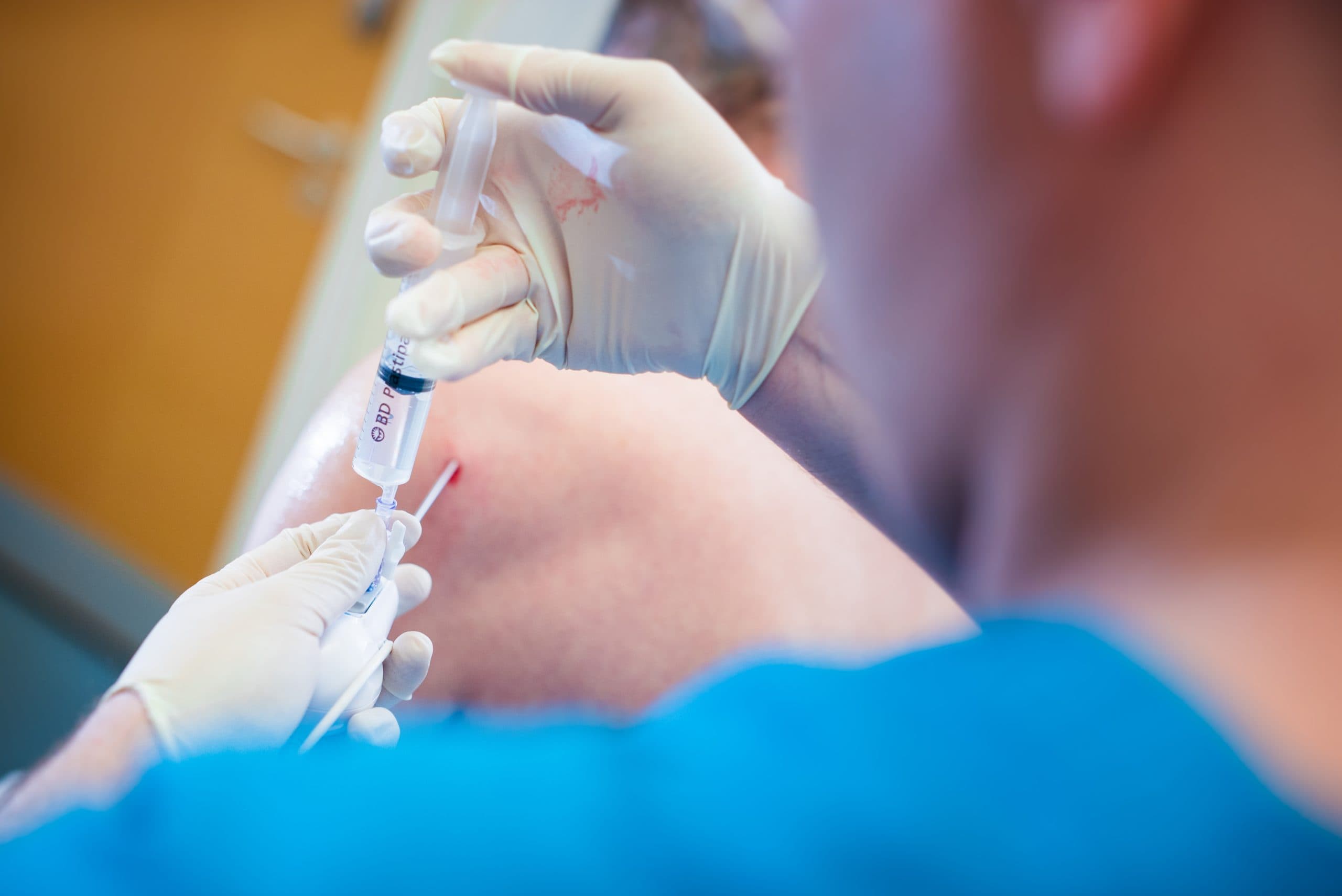
Close-up of a joint injection procedure

The Efficacy of MSCs in Hip Regeneration

MSCs in Shoulder Joint Regeneration

Mesenchymal Stem Cells / Medicinal Signaling Cells (MSCs) are highly effective in treating shoulder conditions, including rotator cuff injuries, arthritis, and tendonitis. Their ability to differentiate into various cell types allows for the regeneration of damaged tissues within the shoulder joint. This regenerative capability is particularly beneficial in managing degenerative conditions and injuries, offering patients a chance to regain full functionality with minimal intervention.

Stem Cell / Medicinal Signaling Cell Shoulder Therapy procedure and treatment focus

The Procedure of MSC Therapy for Shoulder Conditions

Our MSC therapy for shoulder conditions involves extracting these potent cells from the patient, followed by their processing and precise reinjection into the affected shoulder area. This targeted approach encourages the body's natural healing processes, fostering tissue regeneration and providing a quicker, more effective recovery than traditional methods.

Treating Shoulder Conditions with MSC Therapy

MSC therapy is well-suited for a variety of shoulder conditions, providing significant benefits in terms of pain relief, mobility enhancement, and tissue repair. This advanced treatment is particularly effective for conditions that traditionally required surgical intervention, offering a non-surgical option for those seeking alternative therapies.


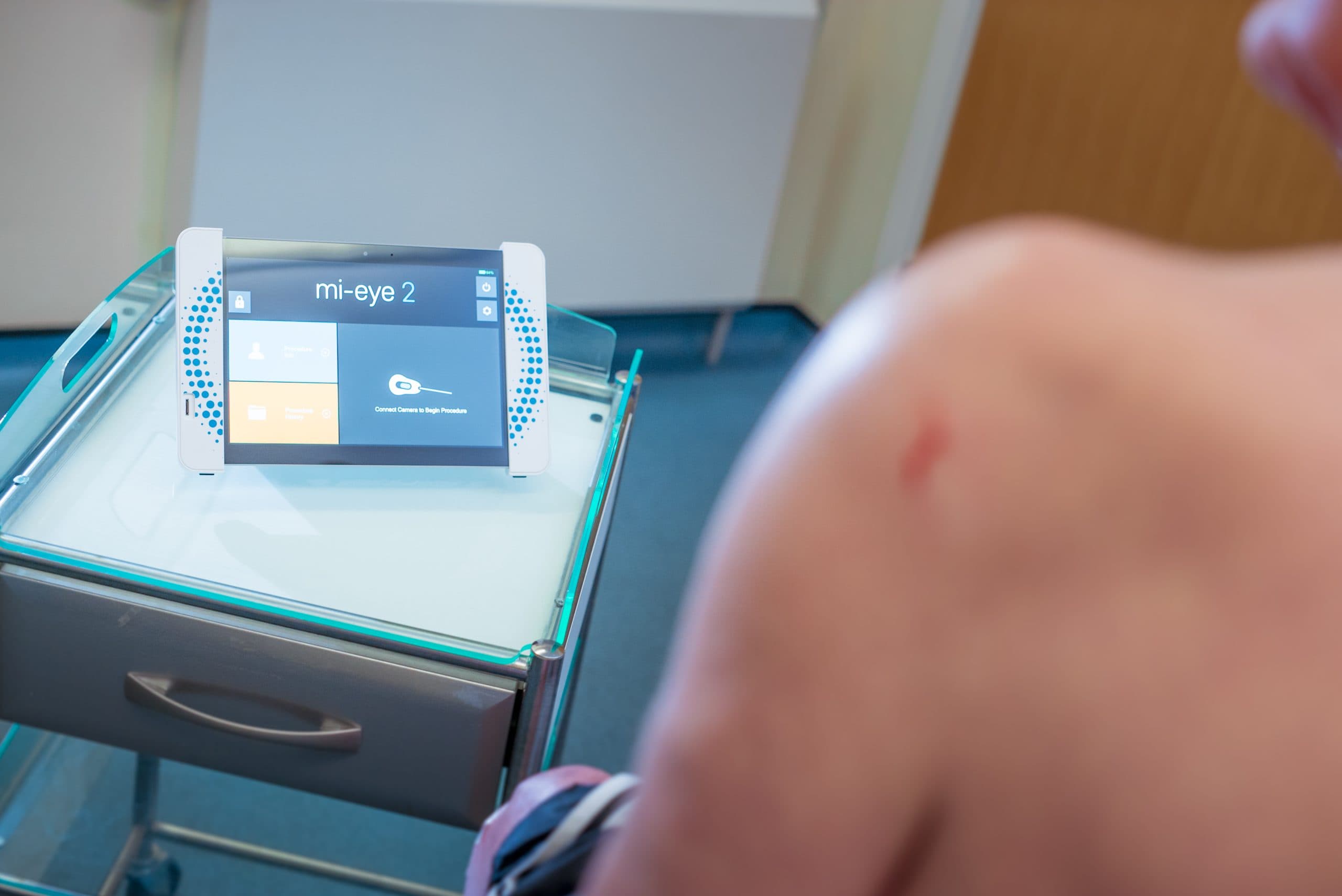
Medical shoulder assessment displayed on a tablet
consulting-in-office-with-pen

Frequently Asked Questions

Which Shoulder Conditions Benefit Most from MSC Therapy?

Common shoulder conditions treated with MSC therapy include rotator cuff injuries, shoulder arthritis, and tendonitis. The therapy is tailored to each patient’s specific condition to ensure optimal outcomes.

What Can Patients Expect After MSC Shoulder Therapy?

Patients typically experience a reduction in pain and an improvement in shoulder mobility. The full extent of recovery can vary, but many patients report noticeable improvements within a few weeks to months after treatment.

How Does MSC Therapy Compare to Traditional Shoulder Surgeries?

MSC therapy offers a non-surgical, minimally invasive alternative to traditional surgeries. It focuses on natural tissue regeneration, which can result in fewer complications and a quicker recovery period.

Are There Any Side Effects of MSC Therapy for Shoulder Conditions?

The therapy is generally safe, especially since it utilises the patient’s own cells. While any medical procedure can have risks, the chances of adverse reactions with MSC therapy are significantly reduced.

Still have more specific concerns?

Free Discovery Call

London Cartilage Clinic

Latest Insights

Clinical updates, cartilage treatment guidance, and recovery-focused articles from our specialist team.

Subtle Symptoms of Mild and Hidden ACL Tears
Eleanor Hayes

Subtle Symptoms of Mild and Hidden ACL Tears

Mild or partial ACL tears, known as silent ACL injuries, often present subtle symptoms like knee instability, gradual swelling, and difficulty twisting the knee, making them easy to miss. Early detection is crucial to prevent further damage and ensure appropriate treatment. This article highlights key signs to watch for after knee injuries, emphasizes the limitations of MRI in accurately locating ACL tears, and underscores the importance of expert clinical evaluation. Patients are advised to seek timely medical advice to protect their knees, explore treatment options including repair and reconstruction, and enhance recovery outcomes with professional care.

ChondroFiller collagen matrix for cartilage regeneration
Eleanor Hayes

ChondroFiller collagen matrix for cartilage regeneration

ChondroFiller is an innovative collagen matrix designed to support natural cartilage regeneration in joint injuries. By providing a scaffold for progenitor cells and chondrocytes, it promotes new type II cartilage growth, overcoming cartilage's limited self-healing ability. Clinical studies demonstrate that ChondroFiller integrates well with existing cartilage, improves pain symptoms, and enhances joint function with minimal complications. Suitable for surgical application in cartilage defects, this treatment option offers promising outcomes for patients seeking effective cartilage repair. Consultation with healthcare professionals is essential to determine individual suitability.

ChondroFiller Single Step Cartilage Repair Effectiveness
Eleanor Hayes

ChondroFiller Single Step Cartilage Repair Effectiveness

ChondroFiller is an innovative, minimally invasive treatment using an acellular collagen matrix to stimulate natural cartilage repair in a single procedure. Offering a convenient alternative to complex surgeries, it supports cartilage regeneration by providing a scaffold that promotes chondrocyte growth. Clinical studies demonstrate significant improvements in pain, joint function, and tissue healing for hip, hand, knee, and ankle cartilage defects, with high patient satisfaction and safety profiles. Ideal candidates are carefully selected based on defect size, joint health, and overall condition. Expert clinics emphasize personalized assessment and ongoing support to optimize outcomes. While promising, results vary, highlighting the importance of professional guidance. ChondroFiller represents a valuable advancement in cartilage repair for patients seeking effective, faster recovery options without extensive surgery.