












Medical Background

Cartilage

Find modern, industry-leading treatment for damaged cartilage through our dedicated services at London Cartilage Clinic.

Cartilage Repair

Cartilage Repair

Cartilage repair surgery is often done arthroscopically, which is done using a tiny camera to get a clear view of the inside of your knee. Small surgical instruments are then used to safely and precisely trim, smooth, or remove cartilage.

Learn More
Cartilage Regeneration

Cartilage Regeneration

Cartilage regeneration is a newer, more technologically advanced method of treatment for cartilage damage that is in high demand. It broadly speaking involves taking healthy cartilage cells from the knee and injecting them into the damaged area.

Learn More
Cartilage Replacement

Cartilage Replacement

The cartilage replacement procedure is minimally invasive and completed using keyhole surgical techniques. It aims to find the defect in the cartilage, freshen it, and replace it with liquid cartilage to cure the defect in the joint.

Learn More
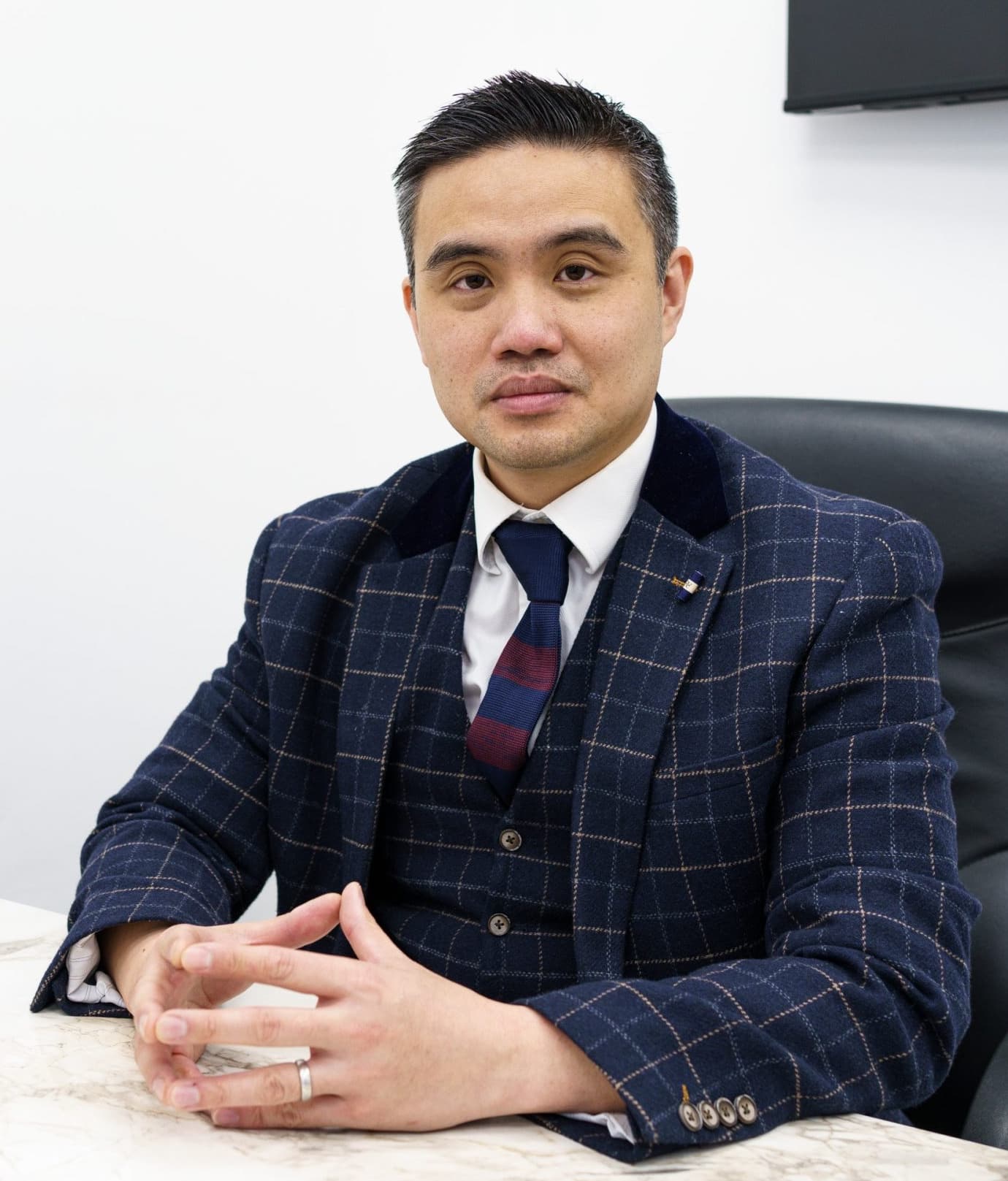
Cartilage specialist consultation in clinic

What is cartilage?

Cartilage is strong and flexible connective tissue that protects your bones when your joints move, helping prevent them from rubbing together. It can become damaged over time due to repetitive wear and tear, arthritis, or injury. Cartilage damage is common in the knee and, if left untreated, may eventually lead to full knee replacement.

Symptoms of knee cartilage damage

If you have knee cartilage damage, common symptoms can include:

  • Stiffness and reduced range of movement in the joint
  • Pain in the knee joint, both at rest and during movement
  • Swelling in the knee
  • The joint giving way, locking, or catching
  • A clicking or grinding sensation in the knee
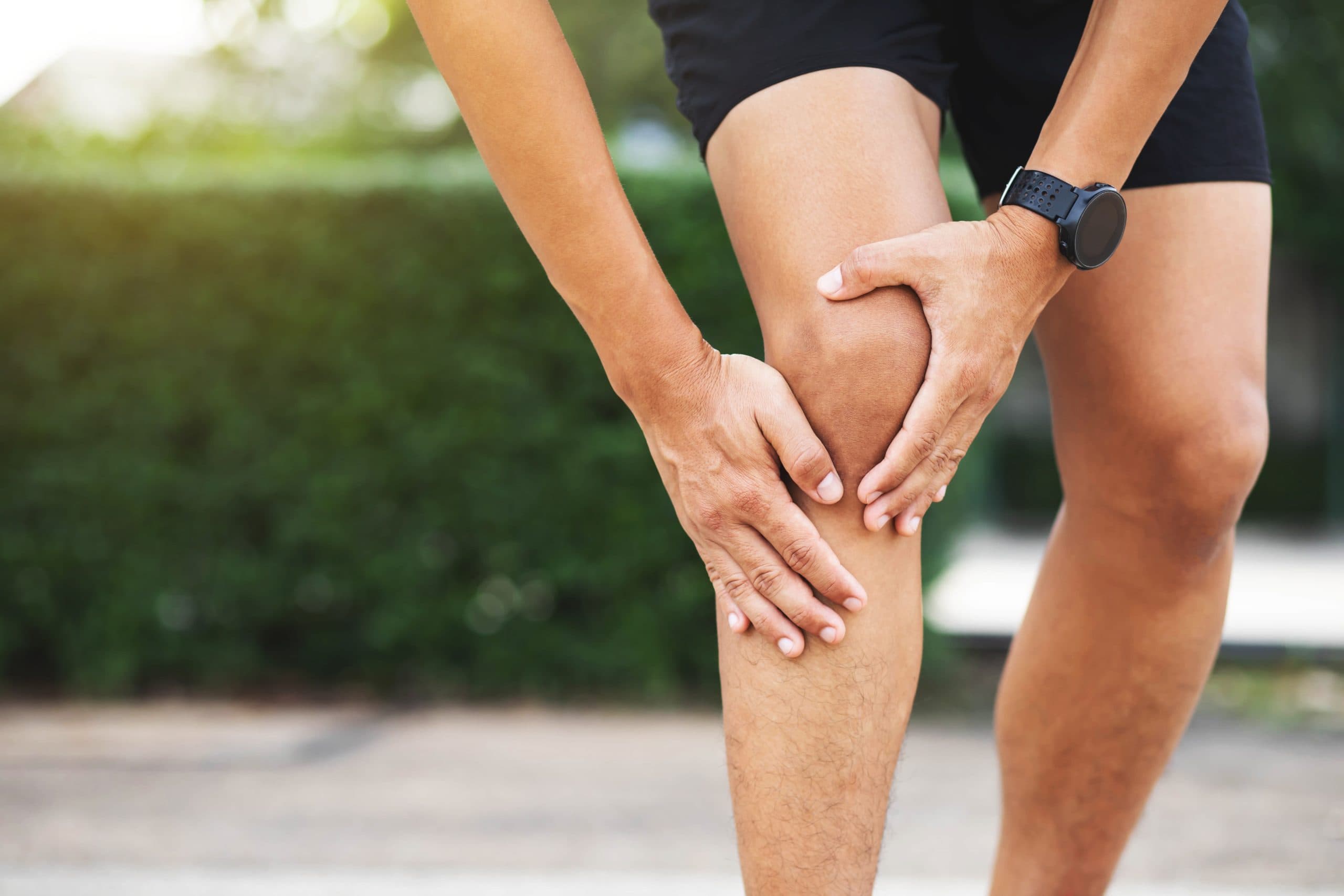
Close-up of sports-related knee pain outdoors
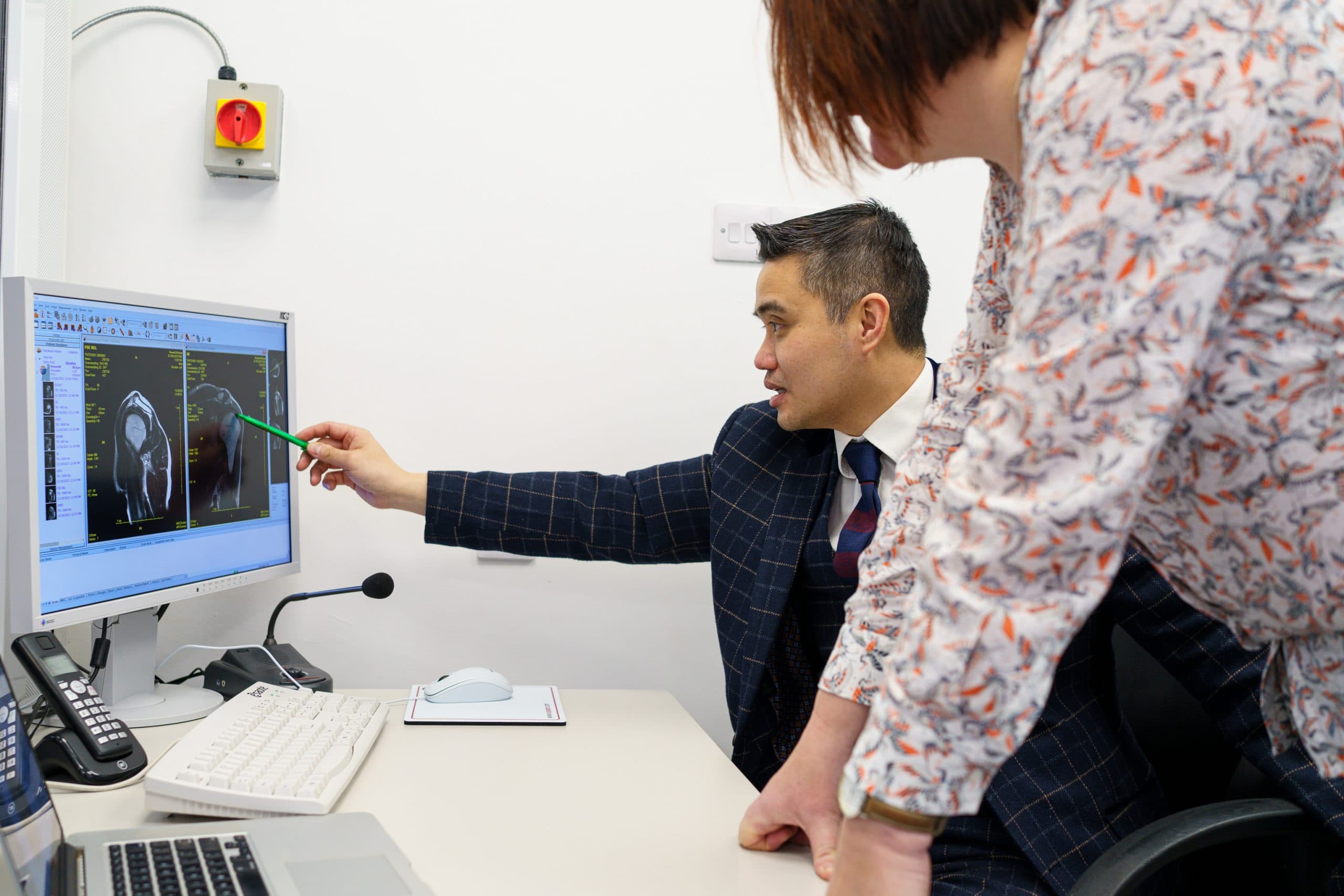
Specialist explaining MRI results during consultation

Treatment for cartilage damage

There are different treatment options available when it comes to cartilage damage including cartilage repair, regeneration, and cartilage replacement surgery. The best treatment option for you will depend on various factors including your age, activity level, and the severity of the damage. Book a consultation with one of our cartilage specialists to discuss your symptoms and potential treatments.

How can London Cartilage Clinic help?

As an exclusive clinic, our specialists can provide the most innovative and effective treatments for cartilage damage so you can resume your daily activities without pain or discomfort. Our cartilage professionals have extensive experience in knee cartilage surgery and regeneration with scaffold knee cartilage treatment that ensures the best possible results for our patients.

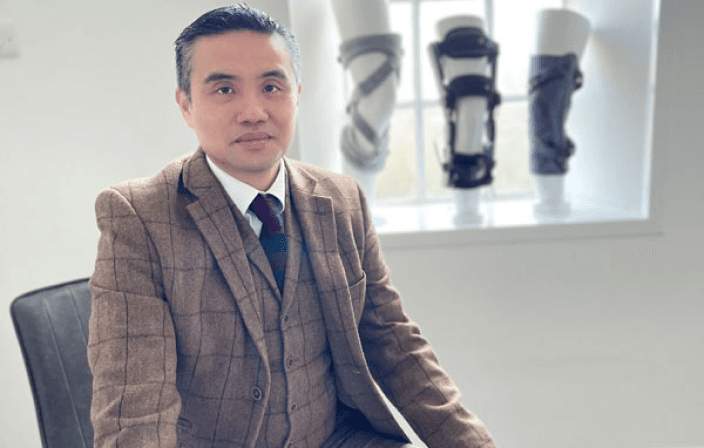
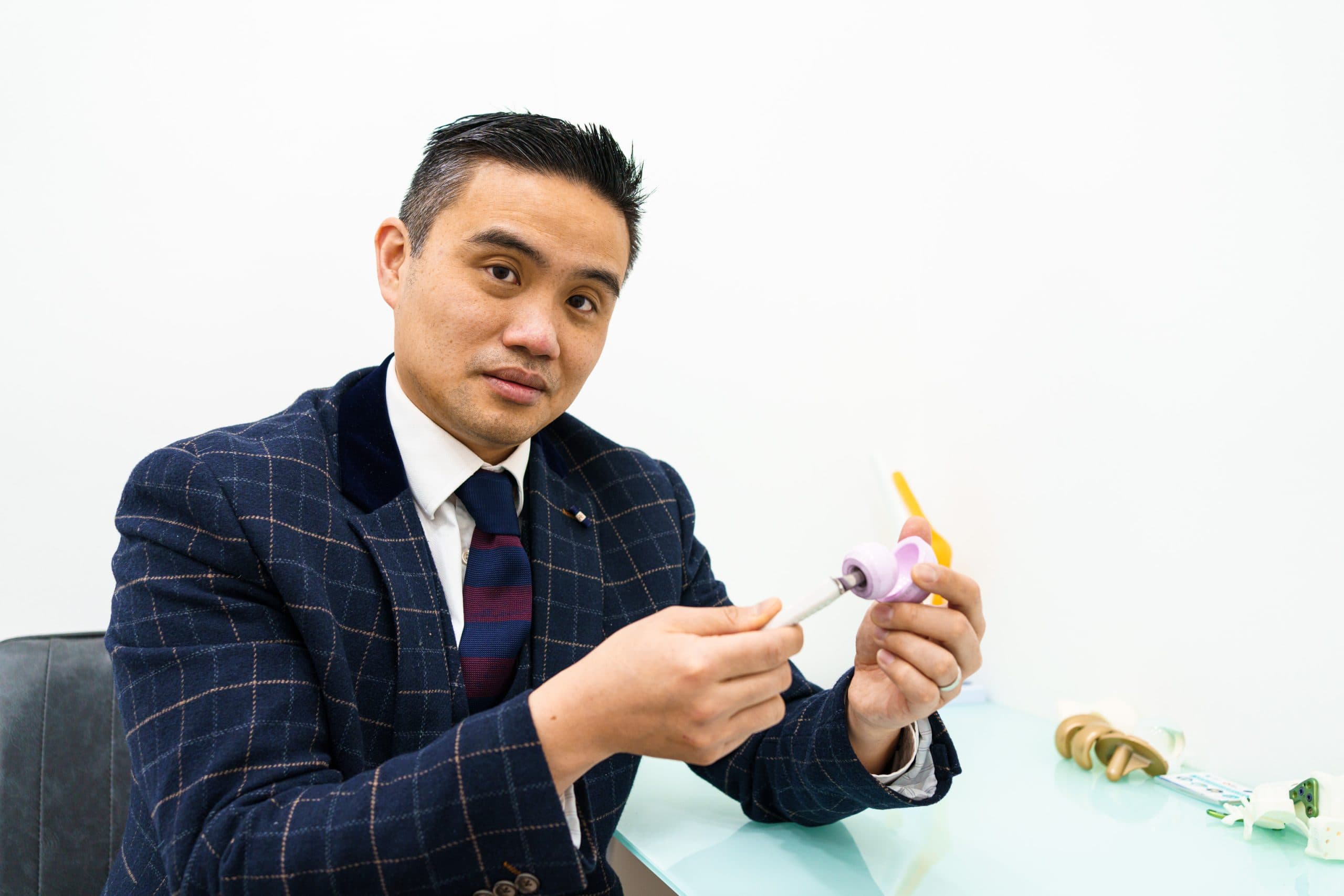
Man demonstrating medical device
consulting-in-office-with-pen

Frequently Asked Questions

What types of cartilage conditions does the clinic treat?

We treat a wide range of cartilage conditions, including degenerative cartilage damage, sports injuries, cartilage tears, and early arthritis. Our treatments are tailored to individual patient needs, from minimally invasive procedures to advanced surgical regenerative therapies.

How does the clinic approach cartilage regeneration?

Our approach to cartilage regeneration includes cutting-edge techniques like injections, liquid cartilage and stem cell therapies. We focus on preserving and enhancing the natural regenerative capabilities of the body, using minimally invasive procedures wherever possible.

What are the latest advancements in cartilage treatment available at the clinic?

The clinic stays at the forefront of cartilage treatment by continuously incorporating the latest advancements, such as custom cartilage scaffolds, advanced MRI imaging analysis techniques for precise diagnosis, MAI motion analysis and AI-driven predictive models for personalised treatment planning.

Still have more specific concerns?

Free Discovery Call

London Cartilage Clinic

Latest Insights

Clinical updates, cartilage treatment guidance, and recovery-focused articles from our specialist team.

Nutrition Strategies for Strengthening Knee Cartilage
John Davies

Nutrition Strategies for Strengthening Knee Cartilage

Discover how nutrition supports knee cartilage health, as explained by Professor Paul Lee of the London Cartilage Clinic. Learn which foods—like fatty fish, turmeric, and vitamin C-rich fruits—can strengthen cartilage and reduce inflammation. Avoid processed sugars and trans fats that harm joints. Practical meal tips help incorporate these nutrients into daily life. While diet aids joint comfort and resilience, it works best combined with exercise and medical advice. Embrace balanced eating and expert guidance for healthier, more comfortable knees.

ChondroFiller Minimally Invasive Cartilage Repair Benefits and Patient Suitability
John Davies

ChondroFiller Minimally Invasive Cartilage Repair Benefits and Patient Suitability

ChondroFiller is a minimally invasive, keyhole surgery technique that repairs cartilage damage by injecting a collagen gel directly into the affected area. Suitable for patients with small to medium cartilage lesions, it promotes natural cartilage regeneration with less pain and faster recovery compared to traditional surgeries. The procedure involves arthroscopic guidance for precise gel placement, minimizing tissue damage and complications. Clinical studies report high patient satisfaction, improved joint function, and lasting benefits. Recovery typically includes tailored rehabilitation with reduced pain and a quicker return to activity. ChondroFiller offers a safe, effective alternative for cartilage repair, emphasizing simplicity and rapid healing. Consultation with healthcare professionals is essential to determine candidacy and ensure optimal outcomes.

The Link Between Segond Fracture and ACL Tears in Diagnosis and Treatment
John Davies

The Link Between Segond Fracture and ACL Tears in Diagnosis and Treatment

Explore the critical connection between Segond fractures and anterior cruciate ligament (ACL) tears, common yet often intertwined knee injuries especially among athletes. This article highlights how the Segond fracture—a small tibial bone break—serves as a key indicator of ACL damage. Advances in MRI and CT imaging aid in early and accurate diagnosis, leading to more comprehensive treatment strategies that address both bone and ligament injuries. Understanding this relationship improves patient outcomes, enhancing knee stability and function. Future research aims to refine detection and develop minimally invasive surgical techniques, helping patients recover faster and return to active lifestyles confidently.