









NanoATi · Rehabilitation
Recovery after NanoATi
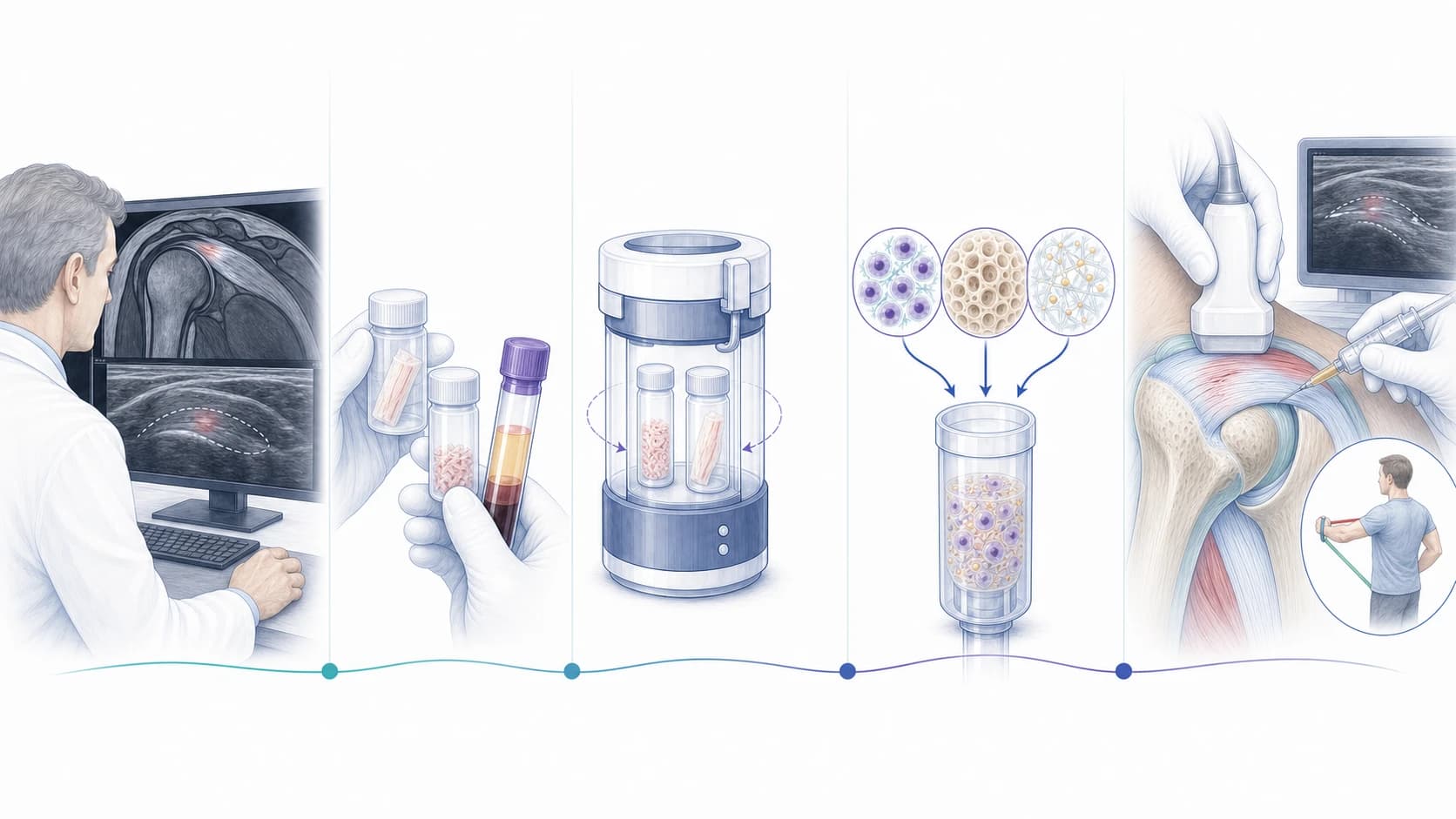
The procedure is one point in a tendon-specific plan: settle irritability, restore force, rebuild control through the required range and return to the real task.
 Reviewed byProfessor Paul Lee MBBch, FRCS (Tr & Orth), PhDCartilage and joint preservation expertise
Quick answer
Recovery is led by tendon capacity rather than a fixed calendar. Early protection moves into controlled strength, then faster or task-specific loading when symptoms, function and force justify progression.
Verified across three networks
Trusted by patients on Doctify, Google and Top Doctors
Phase one
Settle irritability while maintaining useful movement
The early aim is not permanent rest. It is to avoid repeatedly exceeding the tendon's current capacity while preserving comfortable movement and beginning appropriate muscle work.
NanoATi is tendon-specific rather than body-part-led. Early advice protects the involved tissue while retaining useful movement and appropriate muscle activity; a rotator cuff, Achilles tendon and elbow tendon therefore should not share one generic restriction list.
- Monitor symptom response during and after exercise
- Maintain movement that does not repeatedly flare the tendon
- Begin controlled loading at the prescribed level
- Address sleep, work or sport loads that exceed current capacity
Phase two
Build force before speed and energy storage
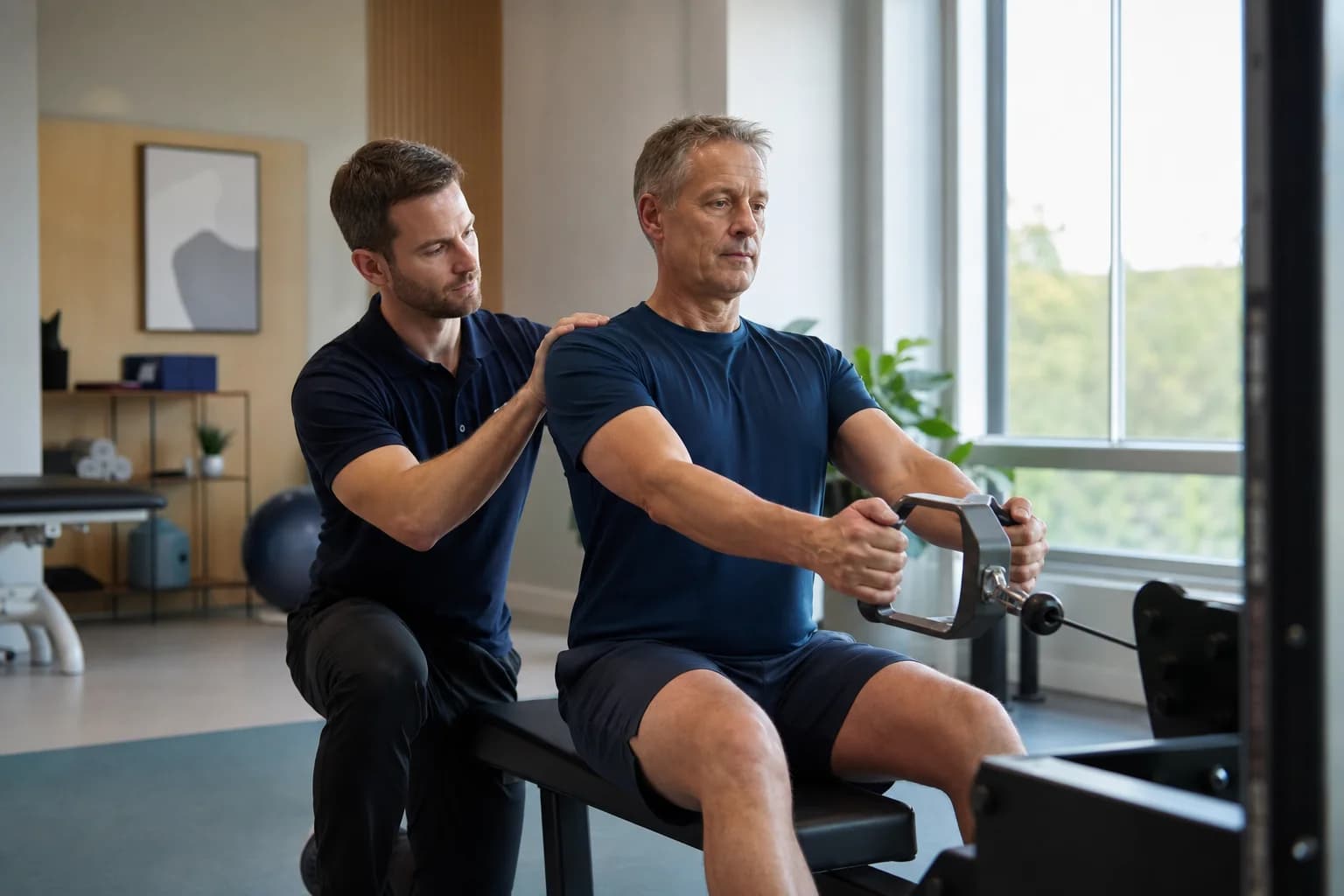
Slow controlled strength commonly precedes faster loading, plyometrics, running or repetitive overhead work. Progress depends on the treated tendon's response, relevant strength measures and quality of movement.
Some discomfort during tendon exercise can be acceptable within an agreed model. A marked loss of function, escalating night pain or a sustained flare requires review rather than automatic progression.
Return to task
The endpoint is capacity, not a date on the calendar
A manual worker may need repeated lifting or sustained work away from the body. A swimmer, racket-sport player or throwing athlete needs rotator-cuff force through range and at speed. Return criteria should reflect those shoulder demands.
Time still matters for tissue response, but it cannot be the only test. Symptoms, strength, endurance, confidence and task-specific performance should converge.

NanoATi recovery questions
Should I rest completely after NanoATi?
Usually the goal is controlled relative protection rather than complete inactivity. The correct level depends on the tendon and procedure plan.
Is pain during rehabilitation always harmful?
Not necessarily. Some tendon programmes permit controlled symptoms, but the acceptable response and next-day reaction should be agreed with the treating team.
When can I run or return to overhead sport?
Return follows adequate strength, control and tolerance of progressively faster or more demanding loading. It is specific to the tendon and task.
What should prompt reassessment?
Sudden loss of strength, a new traumatic event, worsening night pain, a sustained functional decline or signs of rupture should be reviewed promptly.
Still have more specific concerns?
Free Discovery CallOptions that our doctors may discuss include NanoACi, ChondroFiller, Mytocel MSK, joint replacement, established conservative care or surgery, depending on examination and imaging.
Build recovery around the tendon’s real job
Professor Lee can define the tendon problem and coordinate progressive return to the relevant walking, running, lifting, overhead work or sporting load.