








NanoATi · Patient selection
Which tendon problems may suit NanoATi?
NanoATi is considered only after the involved tendon, useful continuity, strength, mechanical task and previous rehabilitation have been defined.
 Reviewed byProfessor Paul Lee MBBch, FRCS (Tr & Orth), PhDCartilage and joint preservation expertise
Quick answer
Selected tendinopathy and partial-thickness damage may fit when useful continuity remains and first-line rehabilitation has been addressed. Rotator-cuff, Achilles, patellar and elbow tendon applications are assessed on their own mechanics. Complete tear, detachment or marked retraction is a different structural problem.
Verified across three networks
Trusted by patients on Doctify, Google and Top Doctors
Structural starting point
The tendon must still transmit useful force
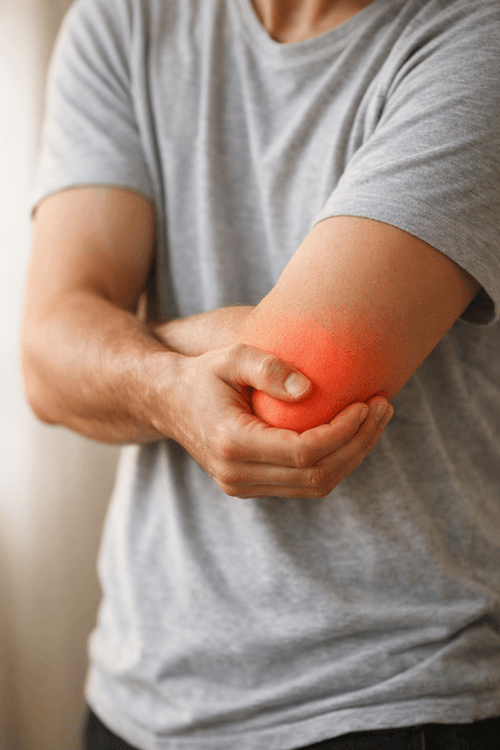
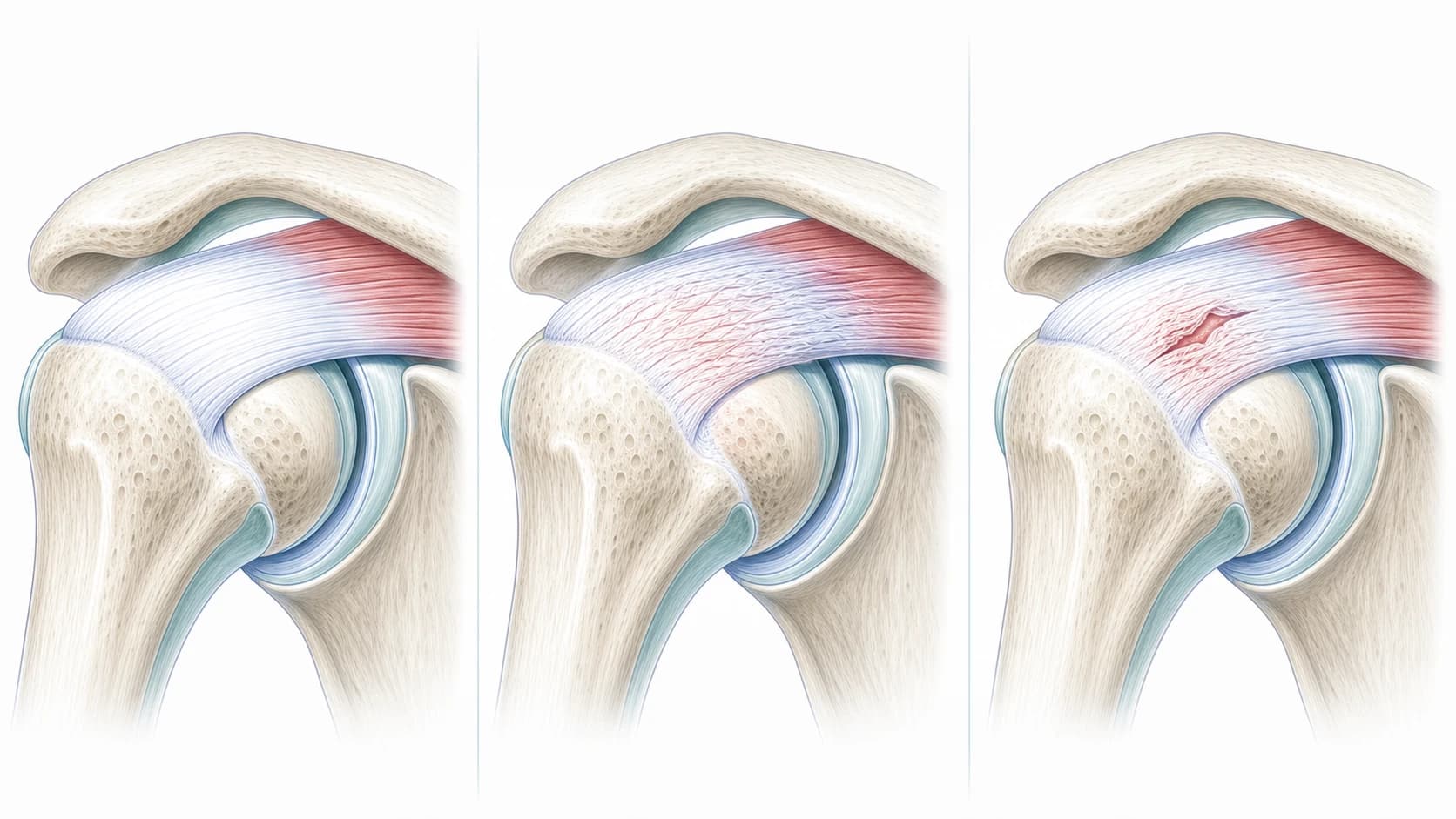
NanoATi may be considered for selected tendinopathy, intrasubstance degeneration and partial-thickness damage where useful continuity remains. The rotator cuff is one important application, alongside tendons such as the Achilles, patellar tendon and common elbow tendon origins. It cannot reattach a complete tear or tissue pulled away from bone.
The same pain location can reflect tendon overload, a partial tear, referred pain, joint disease or nerve irritation. Diagnosis has to be more precise than “sore tendon”.
- Persistent symptoms after a well-run first-line rehabilitation programme
- A defined tendon target on examination and imaging
- Useful tendon continuity and function remain
- A realistic loading plan can be completed after treatment

Assessment
Imaging, strength and load history must tell the same story
Ultrasound can show tendon structure dynamically and guide precise delivery. MRI may be useful for deeper anatomy, tear extent and associated joint disease. Neither scan replaces examination or a clear account of what load provokes symptoms.
Strength loss, night pain, traumatic onset, change in reaching or lifting and previous rehabilitation all alter the decision. The same principles apply across NanoATi, while the required imaging, strength tests and load progression change with the tendon involved.
Reasons to change route
Some tendon findings need surgical assessment
Complete rupture, marked retraction, tendon detachment from bone, substantial functional weakness or an acute injury where delay matters can point towards repair. The precise threshold depends on the tendon, patient and functional goal. NanoATi biology may then be considered separately as an adjunct intended to support healing around surgery.
NanoATi also should not bypass a well-designed exercise programme. It is generally considered after diagnosis and first-line load management have been addressed.

NanoATi suitability questions
Can NanoATi treat a complete tendon rupture?
Not as a stand-alone injection. Complete failure, retraction or major weakness needs an appropriate surgical assessment. NanoATi biology may be considered separately to augment healing around a repair.
Do I need to try physiotherapy first?
A well-run progressive loading programme is first-line treatment for many tendon problems. NanoATi is normally considered when the diagnosis is clear and symptoms persist despite appropriate rehabilitation.
Which tendons may be assessed?
Suitable rotator-cuff, Achilles, patellar and elbow tendon injuries may be assessed. NanoATi is tendon-led rather than body-part-led, but suitability and rehabilitation must still be specific to the anatomy and mechanical task.
Is ultrasound enough?
Ultrasound is valuable for many tendons and for guided delivery. MRI may still be needed when anatomy is deep, the tear is complex or associated joint disease must be assessed.
Still have more specific concerns?
Free Discovery CallOptions that our doctors may discuss include NanoACi, ChondroFiller, Mytocel MSK, joint replacement, established conservative care or surgery, depending on examination and imaging.
Define the tendon problem before choosing treatment
Professor Lee can combine examination, ultrasound and MRI where required to distinguish tendinopathy, partial-thickness damage and mechanical failure in the tendon involved.