





The ticking clock
The 6-week
ACL repair window
Saving a native ACL is as much a function of timing as it is of technique. Here is what changes inside the joint week by week — and why the clock starts the moment you are injured, not the moment you find a surgeon.
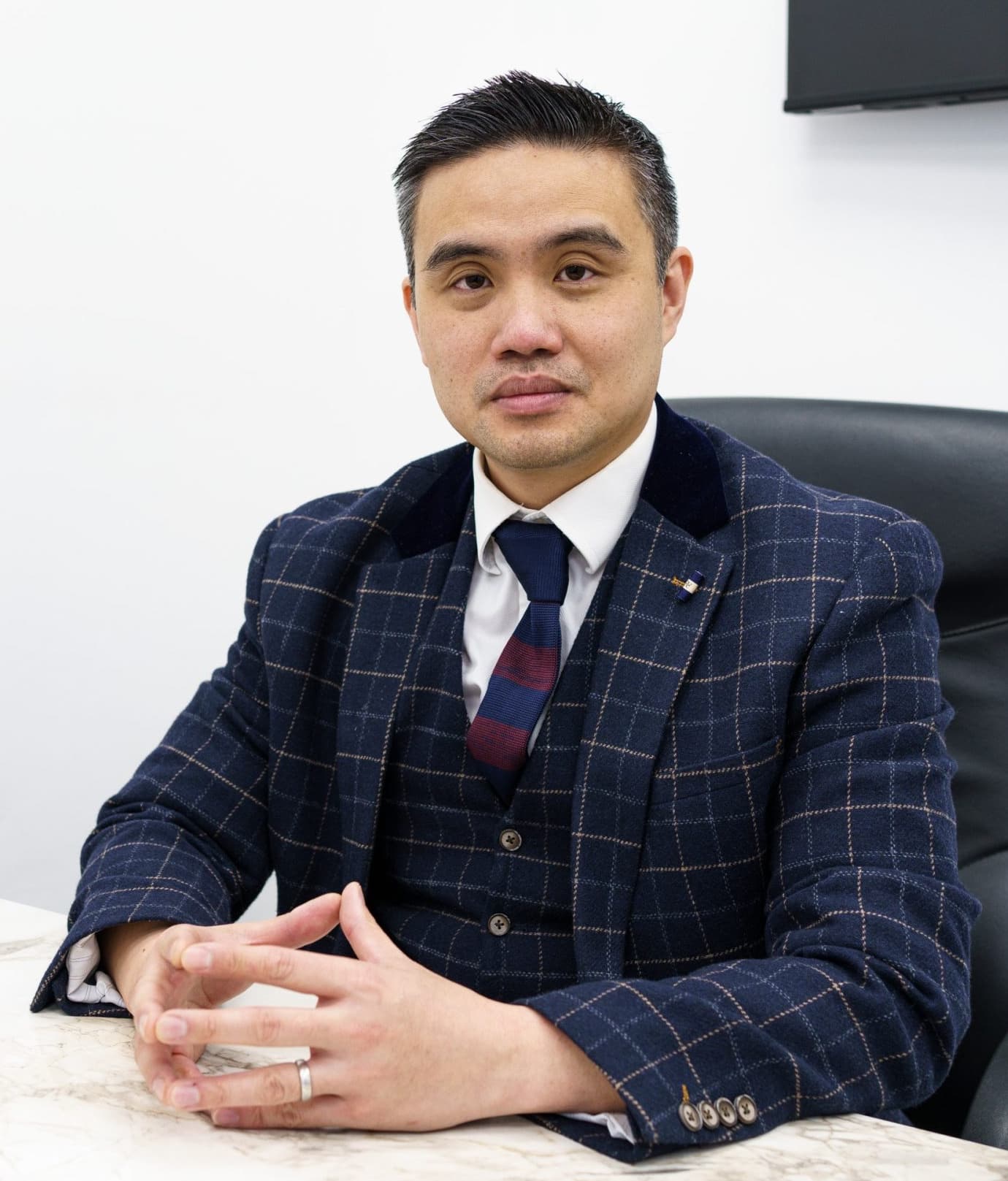 Reviewed byProfessor Paul Lee MBBch, FRCS (Tr & Orth), PhDCartilage and joint preservation expertise
Quick Answer
The first 0–6 weeks are the gold-standard window for STARR repair — the tissue is at its healthiest. Repair remains possible up to roughly 3 months in most patients. Between 3 and 6 months the window closes quickly as the native ligament resorbs, and beyond 6 months STARR is rarely advised — the conversation shifts to muscle-preserving reconstruction.
Key facts
- 0–6 weeks: gold-standard window. The torn ACL is vascular and strong enough to hold sutures.
- 6 weeks – 3 months: still repairable in most patients, but a scan is time-critical.
- 3–6 months: the native ligament begins to resorb. Only an urgent MRI can tell whether a repair is still possible.
- Beyond 6 months: a STARR-style repair is rarely advised — muscle-preserving reconstruction is discussed instead.
Why the clock starts immediately
A torn ACL does not wait
In the first weeks after injury the ACL is still vascular, well-organised and strong enough to hold sutures — the best possible conditions for a joint-preserving repair. Over time, an unattached ligament loses that quality and eventually resorbs into the joint. Once that has happened, a primary repair is no longer possible.
That is why timing, not just severity, decides which options remain open. Acting early is not about urgency for its own sake — it is about preserving optionality before the biology removes it.
The four phases
What happens at each stage
- Gold-standard window0–6 weeks
Tissue is still vascular and strong enough to hold sutures — the best possible conditions for a STARR joint-preserving repair. If you suspect an ACL tear, this is the time to get imaging done.
- Window still open6 weeks – 3 months
STARR still gives good results, provided the native tissue has not severely retracted. A scan at this stage is genuinely time-critical, because the trajectory is heading in one direction.
- Closing fast3–6 months
Native ligament tissue begins to resorb. Only an urgent MRI can tell whether repair is still possible — every additional week reduces the odds.
- Beyond the repair window6 months +
By this point the native ligament has usually resorbed, so a repair is rarely advised. The conversation shifts to reconstruction — ideally one that still protects your own muscle and tendon.
The single most useful step
Replace uncertainty with information
An X-ray cannot diagnose an ACL tear, so the priority while the window is open is a high-resolution MRI reviewed by a specialist. From there you will know whether the ligament is torn and whether it is still repairable — and you can make a calm, evidence-led decision instead of letting the window close by default.
At London Cartilage Clinic we routinely arrange same-day scans for time-critical cases. The consultation that follows is honest about what the imaging shows — if a repair is no longer possible we discuss reconstruction openly, not as a fallback sales pitch.
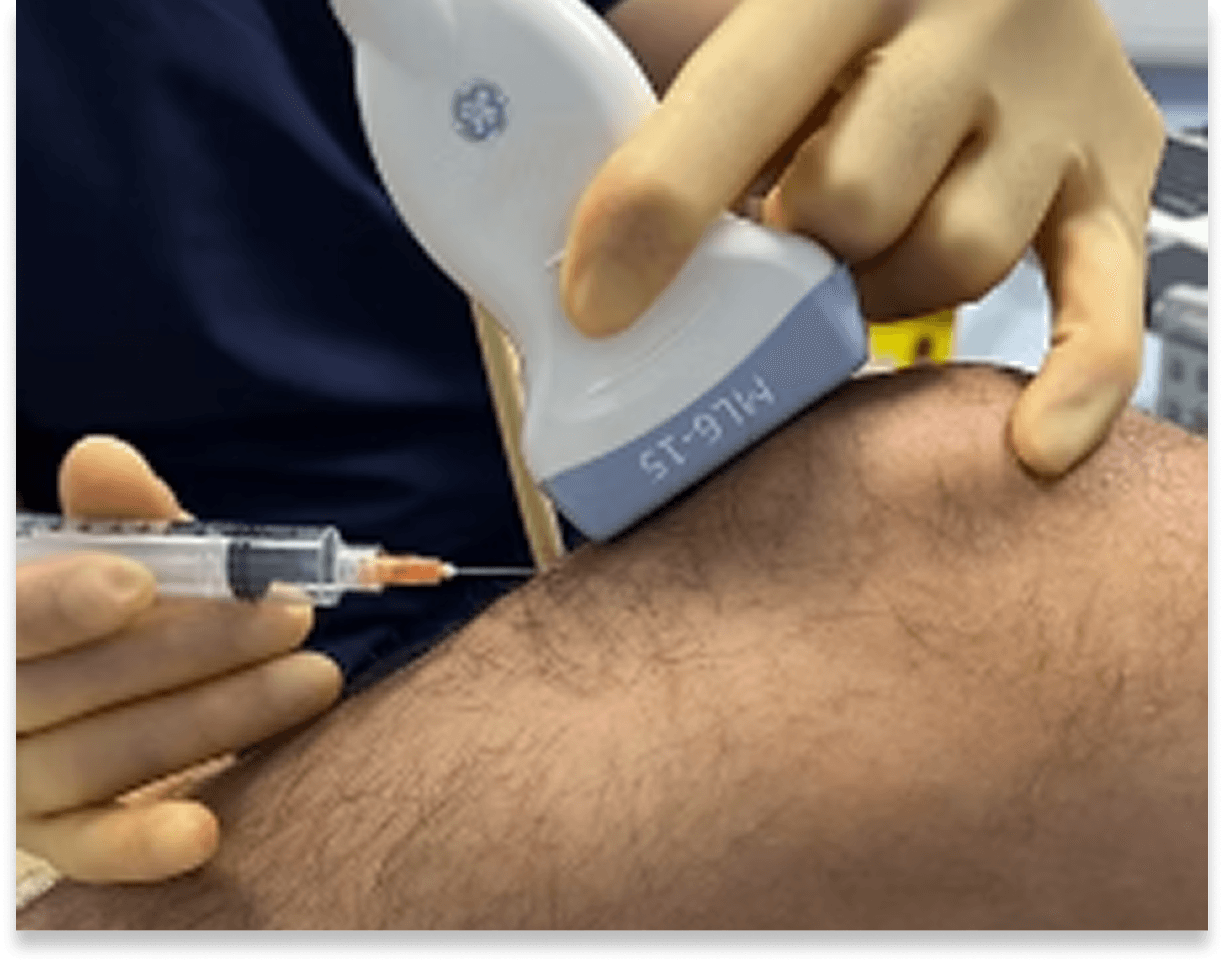
See where you sit
The 2-minute repair-window check
A clinically validated history screen, plus your injury date, gives a personalised read on how much of your STARR window is left and what to do next.
FAQ
Common questions about the repair window
I was injured months ago — is it too late?
Not necessarily too late for treatment, but possibly too late for a primary repair. A scan is the only way to know which options remain, and there are excellent muscle-preserving alternatives if a repair is no longer possible. See the repair vs reconstruction page for the trade-offs.
How long does it take to arrange an MRI?
We can usually arrange a same-day high-resolution MRI in London or Lincolnshire when timing is critical. The scan is the gate — without it, no one can tell you whether your ACL is still repairable.
Why does the native ligament resorb?
Once the ACL is fully torn and unattached, the tissue progressively loses its blood supply and structure. The body reabsorbs the redundant fibres over months, which is why a STARR-style primary repair is only feasible while the native tissue is still vascular and able to hold sutures.
What is STARR?
STARR (Suture-Tape Augmented Ruptured-ACL Repair) is the joint-preserving repair technique developed by Professor Paul Lee. It realigns the torn native ligament, braces it internally with high-strength suture tape, and wraps the repair in a regenerative scaffold. London Cartilage Clinic is the only UK centre offering STARR. The comparison page explains how it differs from a graft reconstruction.
Reviewed by
Professor Paul Y.F. Lee
MBBch · MRCS · MSc · PhD · FEBOT · FRCS (Tr & Orth)
Consultant Orthopaedic Surgeon at London Cartilage Clinic, originator of the STARR ACL repair technique, and an internationally recognised authority bridging surgical precision and regenerative medicine.