London Cartilage Clinic

Insights

Explore expert articles on cartilage care, regenerative treatments, and practical recovery advice from our specialist team.

Explore

Unlocking Ankle Cartilage Repair: Natural Recovery, Professional Insights, and Patient Support in the UK
Ankle
Eleanor Hayes

Unlocking Ankle Cartilage Repair: Natural Recovery, Professional Insights, and Patient Support in the UK

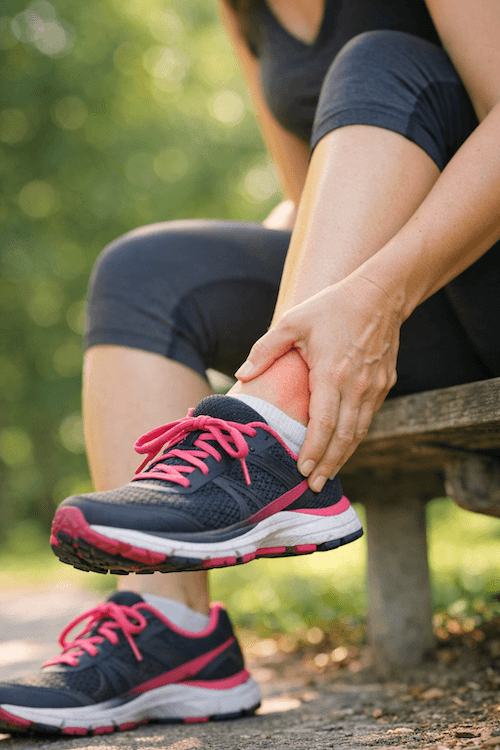
Ankle cartilage damage, common in athletes and active individuals, causes pain, swelling, and reduced mobility. Diagnosis typically involves clinical examination supported by MRI to assess cartilage condition. Non-surgical treatments, including lifestyle modifications, physiotherapy, and nutritional supplements like collagen and glucosamine, aid natural healing and symptom relief. Expert care, as provided by Professor Paul Lee at the London Cartilage Clinic, combines evidence-based approaches and personalized plans to optimize recovery. Imaging plays a key role in monitoring healing progress, while patients are advised to maintain realistic expectations. A multidisciplinary strategy balancing natural repair and professional intervention offers the best outcomes, though individual results vary. Consultation with healthcare professionals is essential for tailored management and advice.

Comparing Modern Knee Cartilage Replacement Gels: How They Work, Effectiveness, and What Patients Should Know
Knee
Eleanor Hayes

Comparing Modern Knee Cartilage Replacement Gels: How They Work, Effectiveness, and What Patients Should Know

Knee cartilage replacement gels offer non-surgical relief for osteoarthritis and knee pain through various advanced treatments like hyaluronic acid, liquid hydrogels, and regenerative biomaterial gels. These gels differ in function—from lubricating joints to stimulating cartilage repair—and vary in cost, availability, and suitability based on osteoarthritis severity and patient needs. Clinical studies demonstrate improvements in knee function and cartilage healing, making these options promising alternatives or complements to surgery. Expert guidance, such as from the London Cartilage Clinic, is crucial for personalized treatment plans. Ongoing research aims to enhance gel efficacy and durability, heralding a future of more effective, tailored knee therapies.

Runner’s Knee Under the Microscope: How Knee Cartilage Integrity Shapes Injury and Recovery
Knee
Eleanor Hayes

Runner’s Knee Under the Microscope: How Knee Cartilage Integrity Shapes Injury and Recovery

Runner's knee, or patellofemoral pain syndrome, is often caused by damage to knee cartilage, which is essential for cushioning and smooth joint movement during running. Recent advances in imaging technology allow early detection of cartilage damage unseen with traditional X-rays, enabling personalized treatments. Modern therapies, including microfracture surgery and autologous chondrocyte implantation, offer promising cartilage repair options, moving beyond pain management to active healing. Preventive strategies emphasize strengthening muscles, improving alignment, and smart training to reduce stress on cartilage. Understanding and protecting knee cartilage is crucial for preventing injury, accelerating recovery, and ensuring long-term joint health for runners of all levels.

Understanding the Biomechanical Link Between Quadriceps Tendinopathy and Chronic Knee Pain
Knee
Eleanor Hayes

Understanding the Biomechanical Link Between Quadriceps Tendinopathy and Chronic Knee Pain

Quadriceps tendinopathy causes persistent knee pain due to biomechanical factors like muscle imbalances and overuse affecting the tendon connecting the thigh muscles to the kneecap. Excessive force and poor leg alignment lead to tendon degeneration and discomfort. Treatment focuses on strengthening, stretching, and correcting movement to balance muscle forces and reduce tendon strain. Gait analysis and imaging tools assist in precise diagnosis and monitoring recovery. Prevention involves maintaining balanced quadriceps and hamstring strength, avoiding sudden activity increases, and early identification of symptoms. Addressing biomechanical issues is essential for effective management, pain relief, improved knee function, and preventing chronic tendinopathy.

Practical Home-Based Solutions for Managing Mild Groin Pain in Women: A Step-by-Step Approach
Hip
Eleanor Hayes

Practical Home-Based Solutions for Managing Mild Groin Pain in Women: A Step-by-Step Approach

Discover effective home remedies to relieve mild groin pain in women, including rest, ice application, gentle stretching, and over-the-counter pain relief. Learn to identify common causes like muscle strains and recognize warning signs that require professional medical attention. This guide also emphasizes tracking recovery progress and offers reassurance that expert care is available when needed. Empower yourself with safe, evidence-based advice to manage groin discomfort confidently and support your healing process.

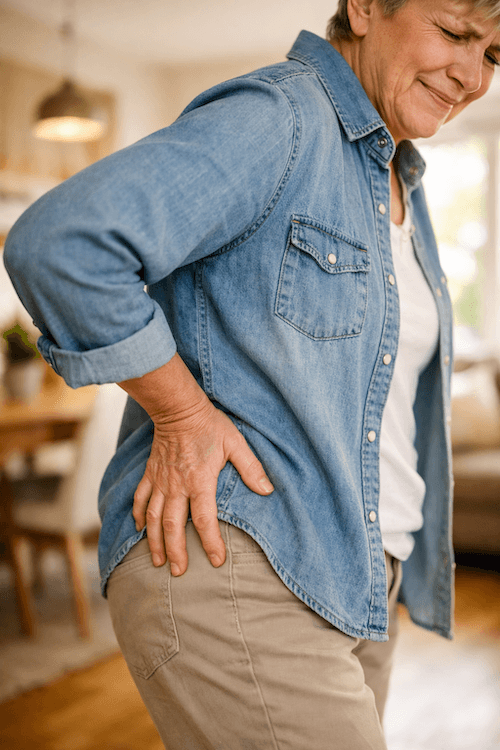
Understanding and Managing Lower Back Pain Above the Right Hip in Women: A Targeted Diagnostic and Therapeutic Perspective
Hip
Eleanor Hayes

Understanding and Managing Lower Back Pain Above the Right Hip in Women: A Targeted Diagnostic and Therapeutic Perspective

Lower back pain above the right hip in women often stems from muscle imbalances, posture issues, or biomechanical factors unique to this area. This article explores the relevant anatomy, diagnostic approaches—including physical exams and imaging—and effective treatments such as targeted physiotherapy, anti-inflammatory medications, and complementary therapies. Understanding individual causes like muscle tightness, uneven pelvic alignment, and movement restrictions enables personalized management plans. Emphasizing ergonomic adjustments and specific exercises, such as the sidelying respiratory left adductor pull back, can significantly improve outcomes. This comprehensive guide aids both women experiencing this discomfort and healthcare professionals seeking tailored interventions for sustainable relief and enhanced quality of life.

Privacy & Cookies Policy