

London Cartilage Clinic

Insights

Explore expert articles on cartilage care, regenerative treatments, and practical recovery advice from our specialist team.

Regenerating Knee Cartilage Naturally: Insights from Nature, Nutrition, and Home-Based Care
John Davies

Regenerating Knee Cartilage Naturally: Insights from Nature, Nutrition, and Home-Based Care

Discover natural strategies to support knee cartilage regeneration and joint health. This article explores the role of chondrocytes in cartilage repair, highlights key nutrients like glucosamine, vitamin C, and vitamin D, and discusses beneficial supplements including chondroitin and omega-3 fatty acids. Learn effective at-home exercises that strengthen muscles around the knee, improve blood flow, and reduce pressure on cartilage. Emphasizing lifestyle changes like maintaining a healthy weight and proper footwear, these approaches collectively promote healing and enhance mobility. Supported by current research, these practical tips offer a hopeful, non-invasive path to stronger, healthier knees. Consult healthcare professionals before starting new supplements or exercises to ensure safety and effectiveness.

Knee Pain as a Hidden Symptom of Gout: Unveiling an Underrecognized Clinical Connection
John Davies

Knee Pain as a Hidden Symptom of Gout: Unveiling an Underrecognized Clinical Connection

Knee pain often stems from injuries or arthritis, but gout—a form of arthritis caused by uric acid crystal buildup—is an important, frequently overlooked cause. Gout-related knee pain differs by causing sudden, intense flare-ups that can be diagnosed using joint fluid analysis and advanced imaging like ultrasound or dual-energy CT scans. Misdiagnosis can lead to ineffective treatments and prolonged suffering. Awareness of risk factors, symptoms, and new diagnostic tools enables timely, targeted therapy combining medication and lifestyle changes. Additionally, gout's impact extends beyond physical symptoms, increasing the risk of depressive symptoms among patients. Enhanced understanding and early detection of gout-related knee pain improve patient outcomes and quality of life, highlighting the importance of ongoing research and education for both healthcare providers and patients.

Low-Impact Hip Strengthening Exercises for Seniors: Boost Mobility and Stability to Ease Chronic Hip Pain
John Davies

Low-Impact Hip Strengthening Exercises for Seniors: Boost Mobility and Stability to Ease Chronic Hip Pain

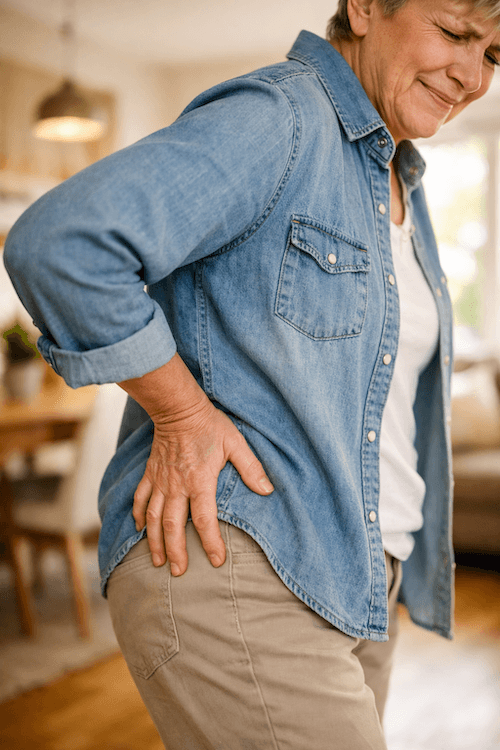
Discover gentle, low-impact hip strengthening exercises designed specifically for seniors to manage chronic hip pain. This expert guide presents simple routines like bridging, side-lying leg lifts, seated marching, and standing hip extensions to improve hip strength, mobility, and stability. By focusing on tailored, joint-friendly movements, seniors can reduce discomfort, enhance balance, and maintain an active lifestyle safely. Incorporating both strength and flexibility exercises supports better joint function and pain relief. Consult your healthcare provider before starting to ensure a personalized, safe approach to hip health.

Innovative Approaches in the Diagnosis and Management of Right Labrum Tears in Sports Medicine
John Davies

Innovative Approaches in the Diagnosis and Management of Right Labrum Tears in Sports Medicine

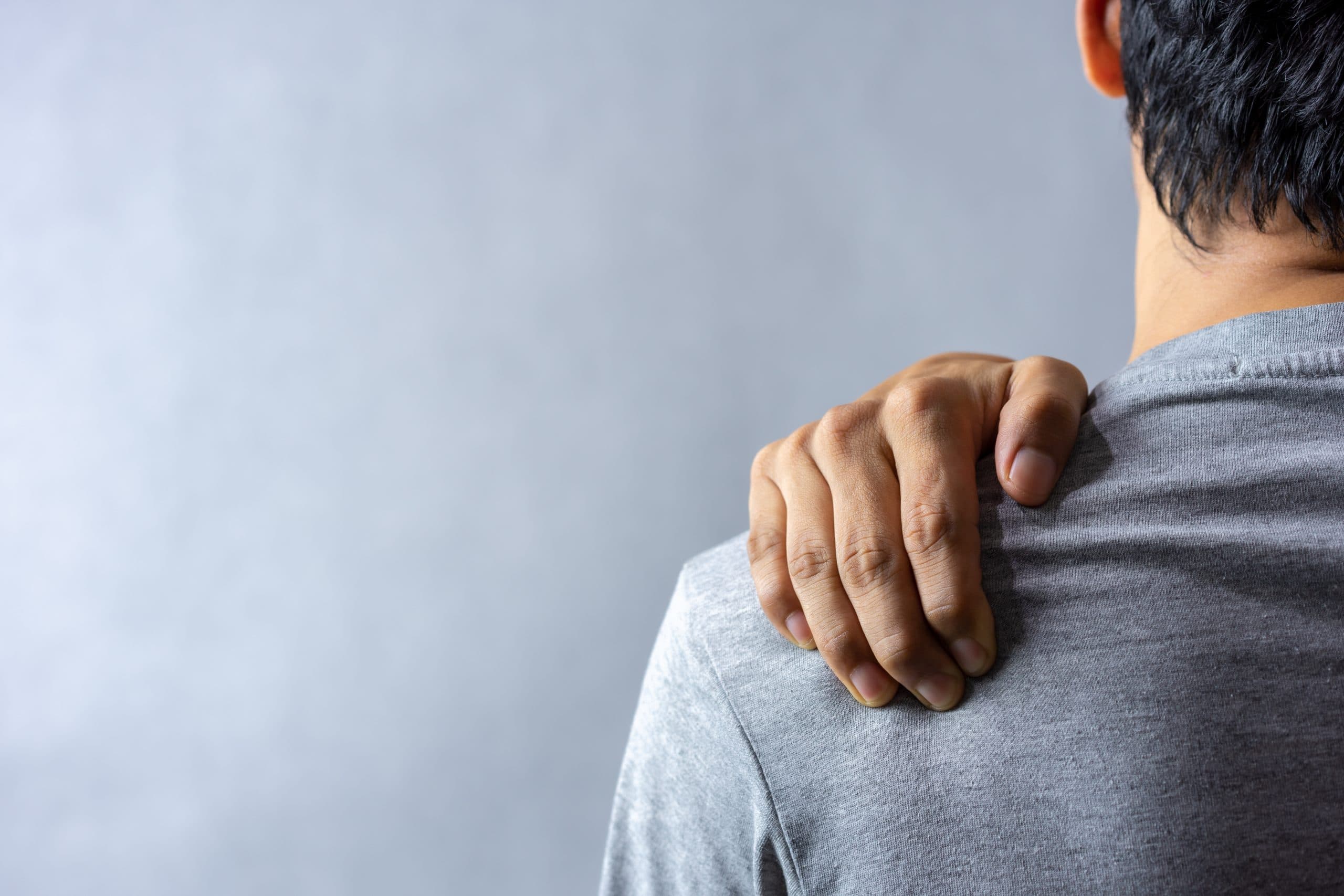
Right labrum tears, critical injuries that impact shoulder or hip joint stability, pose significant challenges for athletes by causing pain and limited mobility. Advances in sports medicine, including high-resolution MRI and MRI arthrography, now enable earlier and more precise diagnosis. Treatment options range from minimally invasive arthroscopic surgery to physiotherapy, tailored according to injury severity and athletic goals. Emerging therapies like platelet-rich plasma and stem cell injections promise enhanced healing. Personalized, athlete-centered care combining surgery and rehabilitation fosters quicker, safer returns to sport while ongoing research focuses on injury prevention and advanced treatments, ensuring improved outcomes and longer athletic careers.

Exploring Bioactive Hydrogel Cartilage Regeneration: Current Innovations and Clinical Insights
John Davies

Exploring Bioactive Hydrogel Cartilage Regeneration: Current Innovations and Clinical Insights

Bioactive hydrogel therapies, such as injectable ChondroFiller liquid, offer innovative, minimally invasive solutions for cartilage damage regeneration. These hydrogels provide a supportive scaffold closely mimicking natural cartilage, releasing growth factors to stimulate healing. Clinical studies demonstrate improved cartilage quality, joint function, and pain reduction in conditions like osteoarthritis, with advanced delivery techniques enhancing treatment precision. Though promising for patients with mild to moderate cartilage defects, ongoing research aims to optimize bioactivity, ensure long-term safety, and broaden accessibility. Under expert guidance from specialists like Professor Paul Lee at the London Cartilage Clinic, hydrogel therapies represent a cutting-edge advancement in regenerative medicine, complementing traditional approaches and improving patient outcomes.

Distinguishing Recovery Pathways: Understanding Patellofemoral Pain Syndrome and ACL Tear Rehabilitation
John Davies

Distinguishing Recovery Pathways: Understanding Patellofemoral Pain Syndrome and ACL Tear Rehabilitation

Explore the key differences between patellofemoral pain syndrome (PFPS) and anterior cruciate ligament (ACL) tears, two common knee injuries with distinct causes, symptoms, and recovery methods. This article covers knee anatomy, diagnosis techniques, and tailored rehabilitation strategies for each condition. Learn how PFPS develops gradually from muscle imbalances, while ACL tears result from sudden trauma. Discover modern advances in knee rehab, including neuromuscular stimulation, virtual reality, and wearable tech, that enhance recovery outcomes. Whether you're a patient or healthcare provider, gain essential insights to guide effective treatment and return to activity safely.