







As is often the case with many medical procedures, people conduct their own research before deciding whether or not it’s the best option. While this is important, it can lead to patients developing misconceptions around emerging treatments, such as PRP injections. Inaccurate information can result in patients missing out on the potential benefits that can be achieved through these treatments. In this article, you’ll find reliable information about PRP therapy that comes from joint regeneration specialists.
What is PRP therapy?
Platelet Rich Plasma therapy, or PRP for short, is a treatment that uses blood plasma and platelets to help heal the body. The injection is created from a small blood sample taken from the patient. This is then processed several times to increase the concentration of platelets in the plasma (liquid component of blood). Once the PRP solution has been created in a lab, it is injected into the affected area. The goal of the treatment is to speed up the body’s natural healing process by introducing additional growth factors. As a result, PRP injections are frequently used by athletes to recover from sporting injuries in a shorter timeframe and with less pain.The benefits of PRP treatment often persist for a long time, typically 6-12 months. This includes improved mobility, reduced discomfort, non-invasive treatment, and a quick return to regular activities. PRP injections are not the only kind of cartilage regeneration injection that we offer as part of our services. London Cartilage Clinic offers PRF (Platelet Rich Fibrin), Lipogems, Hyaluronic Acid Injections, and many more.
Are there any side effects?
A PRP injection is a very low-risk procedure with minimal potential side effects. As blood is drawn during the first part of the procedure, this can cause the patient to feel lightheaded. There may also be tenderness at the injection site for a short time following the treatment. The following are rare side effects that seldom occur:
- Tissue damage.
- Bleeding.
- Nerve damage.
- Infection.
Next steps
Where to go from here
These routes are selected from the topic and purpose of this article. They are guidance, not a diagnosis or treatment recommendation.
Learn more
Explore PRP injection
Talk to the team
Book a free discovery call
Five facts to know about PRP treatment
Versatile
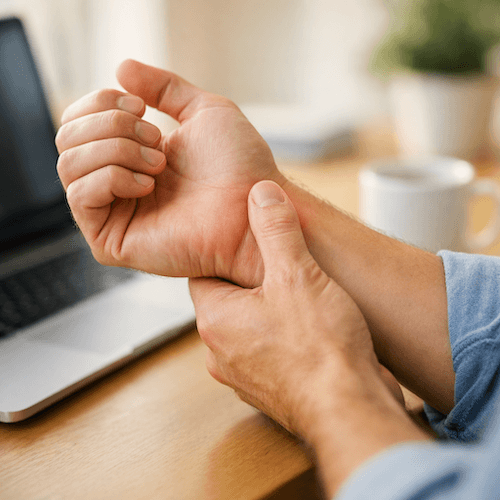
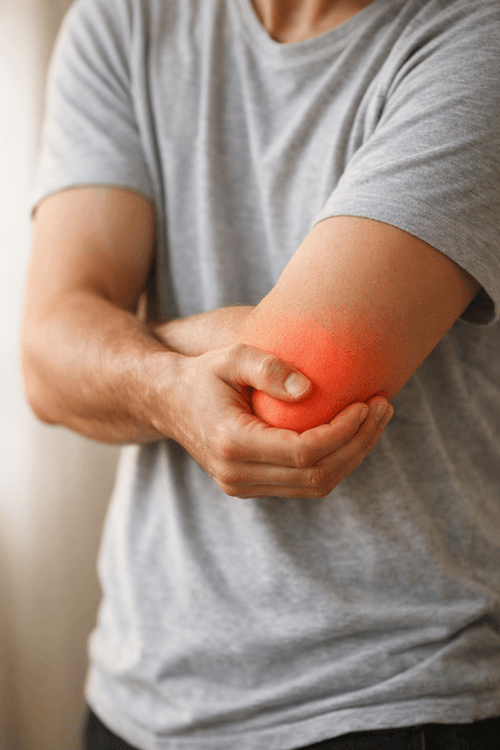
PRP injections can be used to treat a wide range of conditions and provide relief in a variety of locations around the body. For instance, this treatment can see application for ligament damage at the elbow whilst also seeing use for treating osteoarthritis through targeted knee cartilage regeneration. These injections have also seen use as treatment for ongoing musculoskeletal injuries such as carpal tunnel, as well as encouraging growth in those suffering from hair loss. Book an expert medical consultation to discuss your treatment goals.
Low risk
As mentioned earlier, PRP injections utilise blood that’s taken from the same patient they are used on later. As a result, there is minimal risk of allergic reaction or rejection. This means that PRP treatment is classed as a very ‘low-risk high-reward’ option, especially when compared to complex surgical procedures. Learn more about our cartilage services.
Established treatment
While PRP therapy might appear to the general public as a new type of regenerative injection, it has in fact been used since the late 1980’s. At this time however, it mostly saw use as a way to aid patients in post-operative recovery and to support surgeons during heart surgery.
Provides rejuvenating results
Due to the fact that the PRP injection contains the patient’s own platelets, this treatment is typically effective at promoting healing within the body. This can be targeted to specific areas, therefore encouraging certain forms of rejuvenation. For example, PRP injections have seen success as an aesthetic treatment. This is because it encourage the production of new skin cells and hair growth. In addition, PRP therapy is generally seen as a healthier alternative to chemical substances and invasive procedures, which adds to its aesthetic appeal.
Short recovery
Most patients experience quick recovery times after going through PRP therapy, as the treatment encourages healing. The injection site is numbed during the procedure, causing minimal patient discomfort. Typically, it takes just four to six weeks to see a significant improvement in function. Although it should be noted that recovery times can be influenced depending on the area affected, the severity of the damage, and any factors specific to the patient.
Injection specialists for cartilage regeneration
Looking for a private clinic that specialises in injection treatments? Headed by Professor Paul Lee, London Cartilage Clinic offers industry-leading treatments for joint pain and discomfort. Our PRP injections are given by friendly medical professionals with years of experience in their field. Our goal is to achieve long-lasting benefits for our patients, thereby allowing you to live life to the fullest. No one should have to suffer from joint pain when there are such simple treatments available. Contact us today for more information on our high-end treatments.
Next steps
Where to go from here
These routes are selected from the topic and purpose of this article. They are guidance, not a diagnosis or treatment recommendation.
Learn more
Explore PRP injection
Read the reviewed PRP injection pathway, including who it may help and what happens next.
Talk to the team
Book a free discovery call
A non-medical call with the team to understand services and choose the right booking route.
Legal & Medical Disclaimer
This article is published by London Cartilage Clinic for general information and education only. It does not constitute medical advice, diagnosis, or treatment.
Always seek personalised advice from a qualified healthcare professional before making decisions about your health. London Cartilage Clinic accepts no responsibility for errors, omissions, third-party content, or any loss, damage, or injury arising from reliance on this material.
If you believe this article contains inaccurate or infringing content, please contact us at [email protected].


