




London Cartilage Clinic

Insights

Explore expert articles on cartilage care, regenerative treatments, and practical recovery advice from our specialist team.

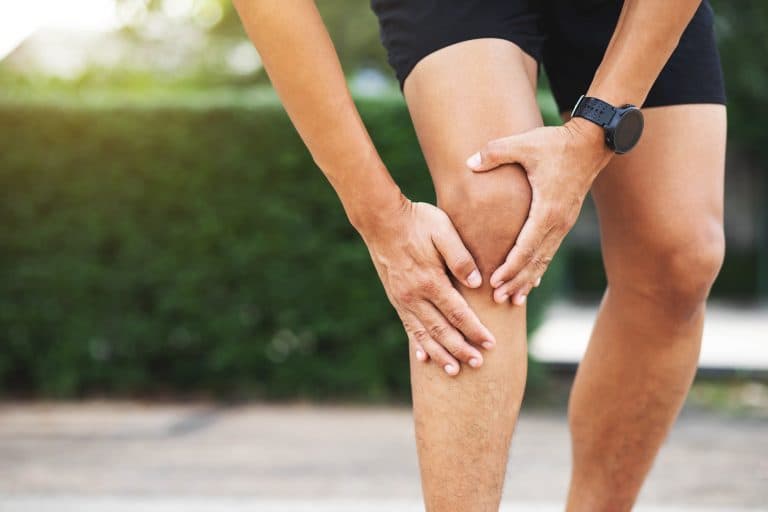
Innovative Rehabilitation Strategies for Runner’s Knee: Targeted Strengthening and Stretching to Support Meniscal Health
John Davies

Innovative Rehabilitation Strategies for Runner’s Knee: Targeted Strengthening and Stretching to Support Meniscal Health

Runner's knee, or patellofemoral pain syndrome, commonly affects athletes and involves pain around the kneecap, with recent research emphasizing the meniscus's crucial role. The meniscus cushions and stabilizes the knee, and its strain can disrupt knee function and cause pain. Effective rehabilitation includes targeted stretching and strengthening exercises focusing on muscle groups like quadriceps, hamstrings, and iliotibial band to reduce meniscal stress. Balance training and emerging therapies like neuromuscular electrical stimulation and blood flow restriction training offer promising recovery support. Early biomechanical assessments and advanced technologies enable personalized prevention and rehabilitation strategies. Emphasizing meniscal health alongside muscular support helps runners recover faster, reduce injury risk, and maintain long-term knee resilience for sustained activity and performance.

Decoding the Ankle Bone: Understanding the Anatomy, Function, and Clinical Importance of the Talus and Its Surrounding Structures
John Davies

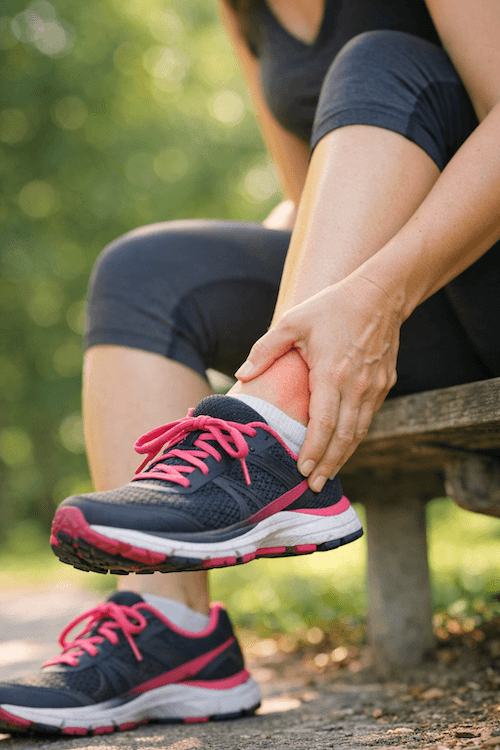
Decoding the Ankle Bone: Understanding the Anatomy, Function, and Clinical Importance of the Talus and Its Surrounding Structures

Explore the anatomy and function of the ankle, a complex joint formed by bones like the talus and malleoli, supported by ligaments, tendons, and muscles. This article highlights the ankle's key structures and their role in movement and stability, emphasizing common injuries such as sprains and bone bruises. Advances in imaging and surgical techniques, including specialized treatments for talus bone loss, are transforming care. Expert clinics like the London Cartilage Clinic offer tailored rehabilitation and expert support to improve recovery and joint health. Understanding ankle anatomy and seeking professional care are essential for preventing long-term damage and maintaining mobility.

Modern Non-Surgical Solutions for Knee Cartilage Damage: Comparing Injections and Supplements for Effective Care
John Davies

Modern Non-Surgical Solutions for Knee Cartilage Damage: Comparing Injections and Supplements for Effective Care

Explore effective non-surgical treatments for knee cartilage damage including PRP therapy, hyaluronic acid, cortisone injections, and oral supplements like glucosamine and omega-3s. This article reviews their benefits, limitations, and emerging options such as ChondroFiller Liquid, offering realistic guidance for managing pain and improving joint function. Expert insights from Professor Paul Lee at London Cartilage Clinic emphasize personalized care and the importance of consulting specialists to optimize knee health and potentially delay surgery.

Arthrosamid: Improving Sit-to-Stand Comfort for Office Adults Living in the City
John Davies

Arthrosamid: Improving Sit-to-Stand Comfort for Office Adults Living in the City

Office workers with knee osteoarthritis often experience discomfort when transitioning from sitting to standing, exacerbated by long hours and urban commuting. Arthrosamid, a polyacrylamide hydrogel injection, offers a scientifically supported treatment to cushion the knee joint, potentially easing pain and improving mobility. While results vary, combining Arthrosamid with ergonomic practices like adjustable sit-stand desks and posture awareness can significantly reduce discomfort. Expert guidance from specialists, such as those at the London Cartilage Clinic, ensures personalized care and informed treatment decisions. This integrated approach helps office workers manage knee OA symptoms effectively, promoting greater comfort and joint health in daily urban office life.

Precision Recovery: Leveraging the Latest Science to Boost Knee Cartilage Healing
John Davies

Precision Recovery: Leveraging the Latest Science to Boost Knee Cartilage Healing

Discover the latest research on knee cartilage healing, its challenges due to limited blood supply, and factors influencing recovery. Explore innovative treatments like autologous chondrocyte implantation and stem cell therapy that promote real cartilage regeneration. Learn how personalized rehabilitation, early management, and low-impact exercises can optimize recovery and restore joint function. This article provides evidence-based insights for patients and professionals aiming for effective knee cartilage repair and improved mobility.

Decoding Posterior Knee Discomfort: Understanding the Neuromuscular Causes of Knee Pain When You Straighten Your Leg
John Davies

Decoding Posterior Knee Discomfort: Understanding the Neuromuscular Causes of Knee Pain When You Straighten Your Leg

Pain behind the knee when straightening the leg often stems from complex interactions between muscles, tendons, ligaments, and nerves. This discomfort, influenced by muscle imbalances, nerve irritation, or biomechanical issues, can hinder daily activities like walking and exercise. Understanding knee anatomy and symptoms is crucial for accurate diagnosis, which may involve physical exams and nerve assessments. Treatment typically includes physiotherapy, targeted exercises, nerve gliding techniques, and sometimes orthotics to restore muscle balance and reduce strain. Conservative care is usually effective, while injections or surgery remain options if needed. Early professional evaluation and a personalized treatment plan help manage pain and prevent complications, enabling a return to pain-free movement. This article provides an easy-to-understand overview, practical guidance, and addresses common concerns about posterior knee pain during leg extension.