



The Biomechanical Link Between Hip Flexor Strain and Labral Tears
Introduction
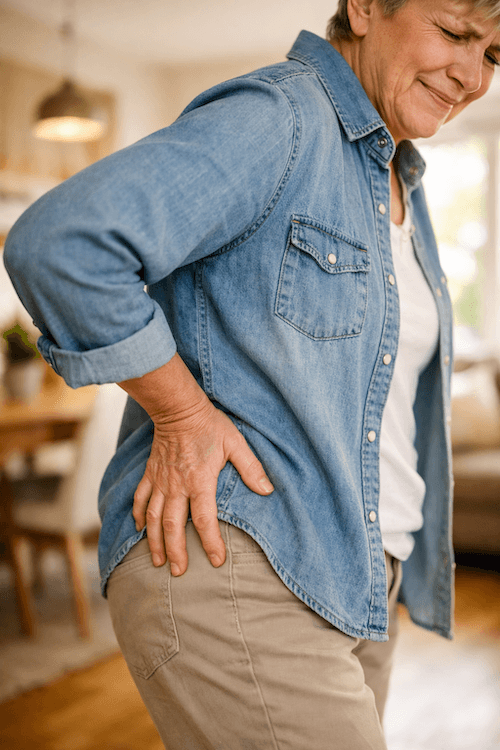
Hip flexor strain s and labrum tear s are common hip injuries, especially in athletes and active individuals. A hip flexor strain occurs when the muscles that lift your knee and bend your hip become overstretched or torn, usually from sudden movements or overuse. This leads to pain at the front of the hip, stiffness, and difficulty moving comfortably. In contrast, a labrum tear affects the labrum—a ring of cartilage that borders the hip socket, providing stability and cushioning to the joint. Labrum tears can develop due to trauma , repetitive strain, or general wear and tear, often causing deep groin pain, clicking or catching sensations, and feelings of instability in the hip.
Understanding how these injuries are connected is important. Not only can they have overlapping symptoms, but they sometimes occur together, making diagnosis and treatment more complex. This is especially relevant for athletes and healthcare professionals seeking the best strategies for care and prevention. In this article, we’ll explore how the biomechanics—the way your hip moves and functions—link hip flexor strain and labrum tear . We will also discuss common challenges in diagnosing these injuries and outline effective treatment and recovery strategies, including practical advice on hip flexor stretches and exercises.
How Hip Flexor Strain and Labrum Tear Are Connected
The hip joint is a marvel of engineering, with the ball-shaped head of the thigh bone fitting neatly into the pelvis’s socket. This joint relies on a well-balanced system of muscles, ligaments , and cartilage to move smoothly and remain stable. The primary hip flexor muscles—the iliopsoas, rectus femoris, and sartorius—enable you to bend your hip and lift your knee. They also support pelvic stability as you move. The labrum, a tough yet flexible ring of cartilage, encircles the socket to deepen it and maintain joint fluid, ensuring smooth, stable movements.
If the hip flexor muscles are strained, pain and weakness can cause you to change the way you move. You might avoid fully bending your hip or shift your weight in unusual ways to minimize discomfort. These altered movement habits put extra strain on other parts of the hip, particularly the labrum. Over time, this added stress can result in a labrum tear —especially if your hip flexors remain tight or weak.
On the other hand, if the labrum is already torn, the hip becomes less stable. The hip flexor muscles may then need to work harder to maintain stability, increasing the risk of a strain. In this way, hip flexor strain s and labrum tear s can create a cycle: one injury can cause or worsen the other, complicating recovery unless both issues are addressed.
Biomechanical studies confirm this interplay. When hip flexor muscles are overworked or weak, the changing muscle demands and altered posture can increase mechanical stress on the hip structures, including the labrum. For example, research by Martelli (2017) highlights that changes in muscle contraction and posture can significantly alter the strain on hip structures, which may influence injury risk .
Given these connections, rehabilitation typically focuses on strengthening and stretching the hip flexors to restore natural movement patterns. Controlled leg lifts, resistance band exercises, and targeted stretches can all improve muscle strength and flexibility, relieving pressure on the labrum and supporting joint stability. Strengthening the hip flexors also helps balance the forces across the joint, reducing the chance of further injury. Because symptoms of hip flexor strain and labrum tear often overlap, accurate diagnosis is key to guiding successful treatment.
Diagnosing and Treating These Hip Injuries
Distinguishing between a hip flexor strain and a labrum tear can be challenging—both can cause pain in the front of the hip and limited range of motion. Activities such as running and climbing stairs can provoke discomfort in either condition.
To identify the source of pain, healthcare professionals use specific physical tests for labral issues, such as the FADIR test (which moves the hip in ways likely to reproduce pain from a torn labrum). Imaging, especially MRI, is a valuable tool for confirming labrum tear s, although small or partial tears can sometimes go undetected. Ultrasound can evaluate soft tissues like hip flexor muscles but is less helpful for examining cartilage injuries inside the joint.
Treatment is guided by the diagnosis. Hip flexor strain s typically respond well to nonsurgical measures such as rest, ice, anti-inflammatory medication, and a gradual program of hip flexor exercises . Labrum tear s may require surgery—often through minimally invasive procedures—if conservative approaches don’t relieve symptoms.
Successful recovery involves a team approach. Physiotherapists play a key role in developing individualized rehabilitation programs, including stretches and strengthening exercises aimed at improving both muscle function and joint stability. After surgery for a labrum tear , regaining hip flexor strength and flexibility is especially important for optimum recovery and to help prevent recurring injuries.
Research supports the need for thorough rehabilitation. For instance, recent anatomical studies show that the sartorius—a major hip flexor—plays several roles at both the hip and knee joints, underlining the importance of comprehensive muscle conditioning in the rehab process (Oganov et al., 2024). Additionally, biomechanical findings confirm that hip flexors and extensors experience high mechanical strain at extreme hip motions, reinforcing the value of proper technique and conditioning in preventing reinjury (Martelli, 2017).
To ensure the best outcomes, clinicians should use a combination of medical history, physical examination, and imaging to accurately diagnose and address all potential sources of hip pain .
Conclusion
The relationship between hip flexor strain and labrum tear highlights the complexity of hip injuries. A strained hip flexor can disrupt normal movement and increase stress on the labrum, while a torn labrum can lead to instability and put additional strain on the hip flexors. Understanding and addressing this connection early is essential for effective treatment and long-term joint health .
Rehabilitation that includes targeted stretches and strengthening exercises for the hip flexors can restore healthy movement patterns and help prevent future injuries. Because symptoms can be similar, clinicians need to rely on careful assessment and imaging to identify the true cause of hip pain. Ongoing research will continue to refine our understanding and improve strategies for managing these injuries.
By understanding how hip flexor strain s and labrum tear s influence each other, clinicians and patients can work together to achieve lasting recovery and keep hips strong and healthy.
References
Eckard, T. G., Padua, D. A., Dompier, T. P., Dalton, S. L., Thorborg, K., & Kerr, Z. Y. (2017). Epidemiology of hip flexor and hip adductor strains in National Collegiate Athletic Association athletes, 2009/2010-2014/2015. The American Journal of Sports Medicine, 45(12), 2713-2722. https://doi.org/10.1177/0363546517716179
Oganov, E. O., Slesarenko, N. A., & Shirokova, E. O. (2024). Anatomical and topographic features of hip flexors in a jackal-canine dog. Veterinariya Zootekhniya I Biotekhnologiya, 2(123), 41-49.
Martelli, S. (2017). Femoral neck strain during maximal contraction of isolated hip-spanning muscle groups. Computational and Mathematical Methods in Medicine, 2017, 1-10. https://doi.org/10.1155/2017/2873789
Frequently Asked Questions
- Hip flexor strains typically cause pain at the front of the hip, stiffness and difficulty moving, while labrum tears often lead to deep groin pain, clicking sensations, and hip instability. These symptoms sometimes overlap, making careful assessment essential for determining the precise injury and formulating an effective treatment plan.
- A hip flexor strain may cause compensatory movement patterns that put extra stress on the hip labrum, potentially resulting in a labrum tear. Likewise, a torn labrum destabilises the hip, forcing hip flexors to compensate, raising injury risk. Addressing both muscle and cartilage issues is crucial for comprehensive hip recovery.
- Physical tests, such as the FADIR test, specifically assess for labral involvement, while MRI scans are particularly useful for visualising labrum tears. Ultrasound can be used to evaluate hip flexor muscles, although it is less effective for examining cartilage injuries within the joint. Expert diagnosis ensures targeted and effective treatment.
- London Cartilage Clinic offers integrated care, from advanced diagnostics to individualised rehabilitation plans, under the guidance of Prof Lee. The clinic’s expertise in managing complex hip injuries ensures patients benefit from innovative, research-based treatments that address both muscle and cartilage problems, supporting thorough assessment and optimal recovery outcomes.
- Prof Lee combines extensive clinical experience with the latest biomechanical and anatomical research to deliver highly personalised care for hip injuries. His expertise in minimally invasive procedures, alongside advanced rehabilitation protocols, ensures patients at London Cartilage Clinic receive state-of-the-art management and ongoing support tailored to their specific needs.
Next steps
Where to go from here
These routes are selected from the topic and purpose of this article. They are guidance, not a diagnosis or treatment recommendation.
Learn more
Explore treatment options
Use a structured overview to narrow down the most useful next step for your situation.
Talk to the team
Book a free discovery call
A non-medical call with the team to understand services and choose the right booking route.
Legal & Medical Disclaimer
This article is published by London Cartilage Clinic for general information and education only. It does not constitute medical advice, diagnosis, or treatment.
Always seek personalised advice from a qualified healthcare professional before making decisions about your health. London Cartilage Clinic accepts no responsibility for errors, omissions, third-party content, or any loss, damage, or injury arising from reliance on this material.
If you believe this article contains inaccurate or infringing content, please contact us at [email protected].


