







Hip labral tear pain

Hip Labrum Tear

The hip labrum is a ring of cartilage that seals and stabilises the hip joint. When it tears, it can cause deep groin pain, clicking, and restricted movement. Understanding the cause and extent of the tear is the first step toward effective treatment.

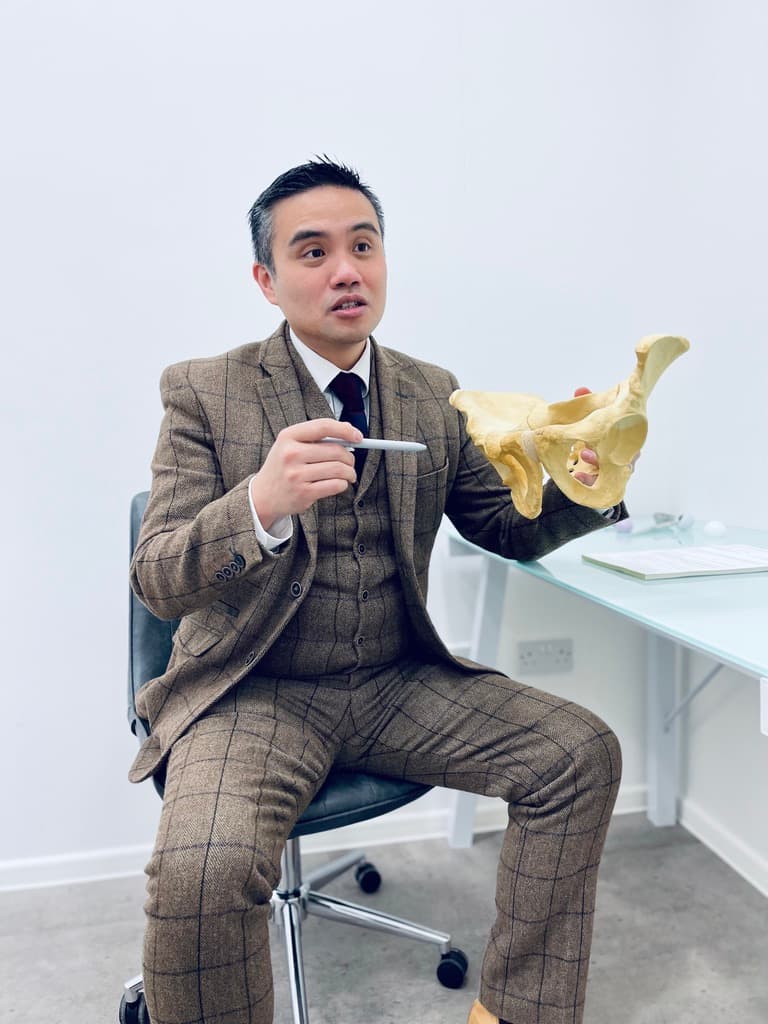
Doctor explaining hip anatomy on pelvic model

What causes a hip labral tear?

The most common cause is femoroacetabular impingement (FAI), where abnormal bone shape at the hip creates friction during movement and gradually damages the labrum. Other causes include traumatic injury, hip dysplasia, and degenerative wear.

  • FAI (cam or pincer type) is the leading cause of labral tears in younger patients.
  • Sporting activities involving deep hip flexion or rotation increase risk.
  • Degenerative tears develop gradually as part of broader hip joint wear.

Symptoms of a hip labral tear

Labral tears can present with a range of symptoms that often overlap with other hip conditions:

  • Deep groin pain, often worse with prolonged sitting or walking.
  • Clicking, catching, or locking sensation in the hip.
  • Stiffness and restricted range of motion, particularly in flexion and rotation.
  • Pain that worsens during or after exercise and may radiate to the buttock or thigh.
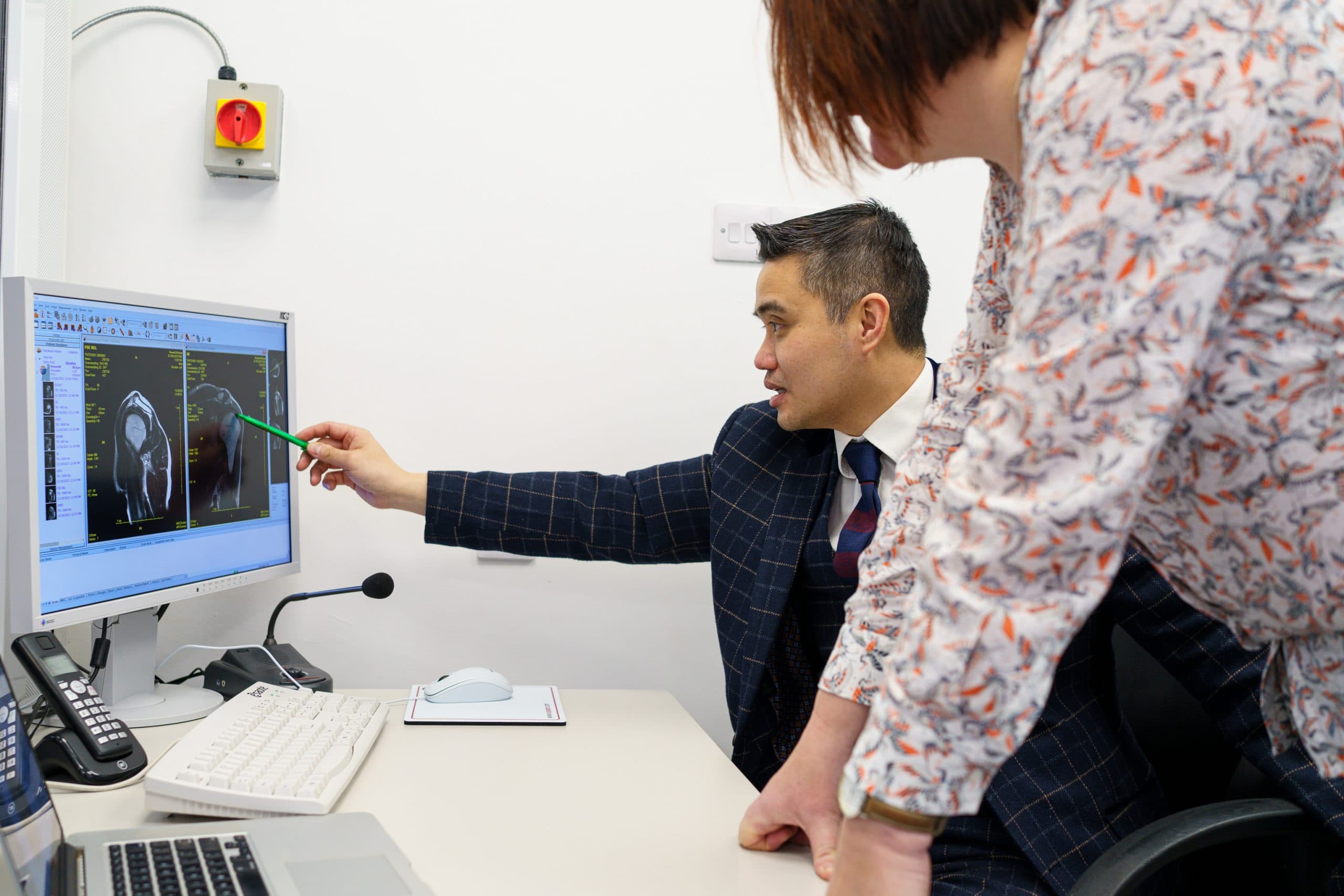
Specialist explaining hip MRI findings
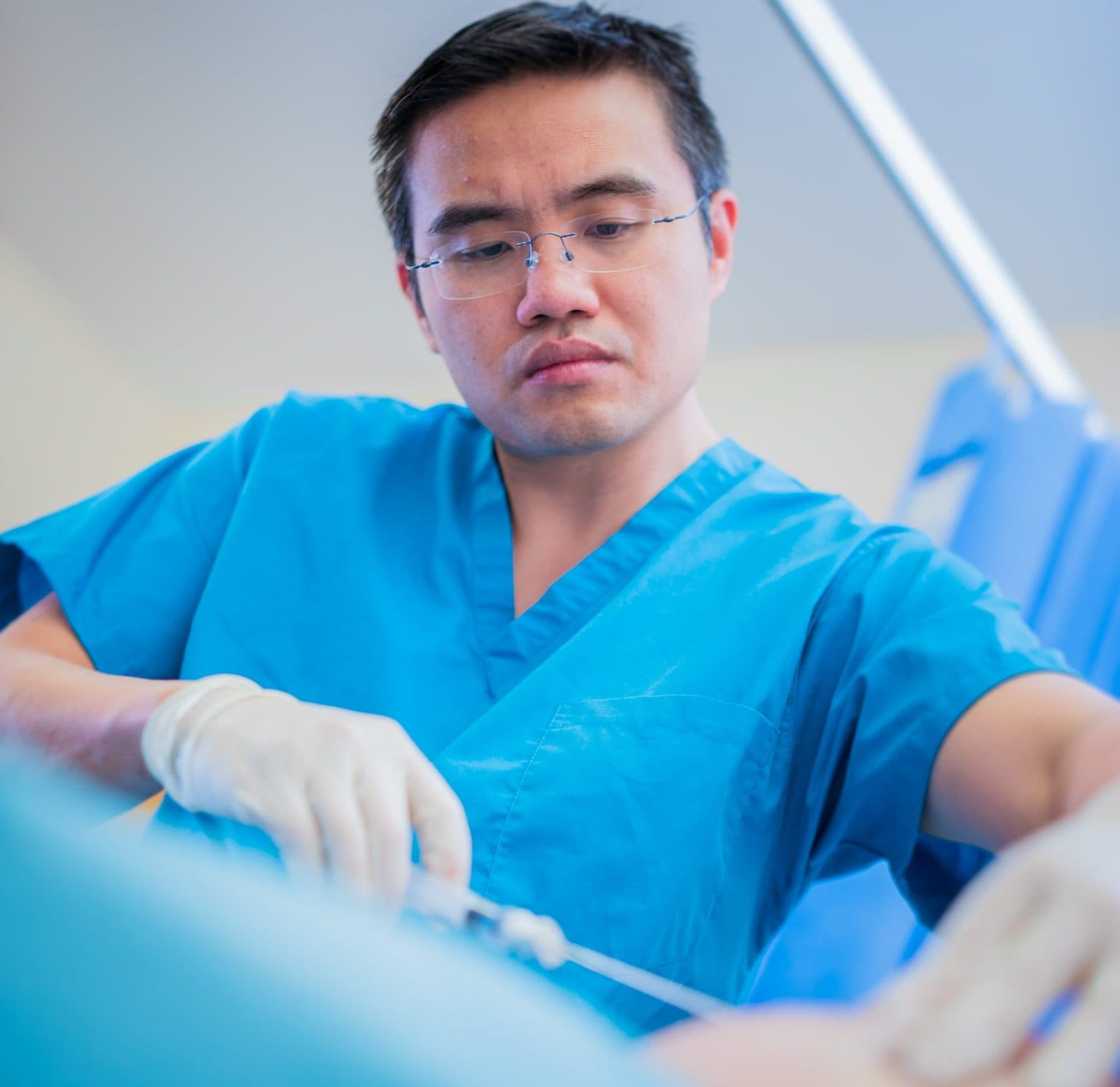
Hip arthroscopy procedure

Treatment at London Cartilage Clinic

Treatment depends on the severity of the tear, associated pathology, and your functional goals. Our hip specialists offer the full range of options from conservative management to arthroscopic repair.

When FAI is present alongside the labral tear, addressing both the bone shape and the labral damage in a single procedure gives the best chance of a lasting result and protects the hip cartilage from further wear.

You may have more options than you think

Most patients have more treatment options than they have been told

At London Cartilage Clinic we follow a structured clinical framework across four areas of treatment. Before recommending a single procedure, we assess which combination of approaches gives you the best outcome.

Preserve

Protect what you have. Slow degeneration and manage symptoms.

Repair

Fix specific damage. Torn tissue, unstable joints, structural problems.

Regenerate

Rebuild lost tissue. Biological treatments that stimulate new growth.

Replace

When other options are exhausted. Joint replacement as a last resort.

Explore the full range of treatments available for your joint. Each hub page shows every option we offer, organised by clinical approach.

consulting-in-office-with-pen

Frequently Asked Questions

Can a hip labral tear heal on its own?

The labrum has a limited blood supply, particularly in the areas most commonly torn. Small tears with mild symptoms may be managed conservatively with physiotherapy and injection therapy, but tears causing mechanical symptoms or instability are unlikely to heal without surgical repair.

How is a hip labral tear diagnosed?

Diagnosis involves clinical examination (specific provocation tests for the hip) combined with MRI arthrogram, which uses contrast dye to improve visualisation of the labrum. Standard MRI without contrast can miss smaller tears.

What happens if a labral tear is left untreated?

A torn labrum disrupts the seal of the hip joint, increasing contact stress on the articular cartilage. Over time, this can accelerate cartilage wear and lead to early-onset hip arthritis, particularly if femoroacetabular impingement is also present.

What treatment options are available?

Treatment ranges from physiotherapy and targeted injection therapy for mild cases to arthroscopic labrum repair for tears causing instability, mechanical symptoms, or progressive cartilage damage. If FAI is present, the impinging bone is corrected at the same time.

Still have more specific concerns?

Free Discovery Call

London Cartilage Clinic

Latest Insights

Clinical updates, cartilage treatment guidance, and recovery-focused articles from our specialist team.

Home Remedies and Care for Women with Left Hip Pain
Eleanor Hayes

Home Remedies and Care for Women with Left Hip Pain

Discover safe, non-surgical methods to relieve left hip pain in women with expert advice from Professor Paul Lee and the London Cartilage Clinic. This article explains common causes such as muscle strain, hormonal changes, and developmental issues, alongside practical home remedies including gentle stretches, heat and cold therapy, and lifestyle adjustments. Learn when to seek professional help and how symptom tracking can aid diagnosis and treatment. Empower your recovery and improve mobility with effective, evidence-based tips for managing left hip pain at home.

ChondroFiller for Effective Cartilage Regeneration
Eleanor Hayes

ChondroFiller for Effective Cartilage Regeneration

ChondroFiller is an innovative collagen-based treatment designed to support natural cartilage repair by providing a biodegradable scaffold for the body's own cells to regenerate damaged tissue. This acellular, type I collagen gel encourages growth of essential type II cartilage, promoting effective healing without introducing foreign cells or drugs. Clinical studies demonstrate ChondroFiller's safety, biocompatibility, and significant improvements in pain relief and joint function. For optimal outcomes, treatment should be managed by experienced specialists like Professor Paul Lee at the London Cartilage Clinic, who combine advanced therapies with personalized rehabilitation. ChondroFiller offers a promising option for patients with small to medium cartilage defects, enhancing mobility and quality of life through natural regeneration.

Knee Cartilage Replacement Gels for Osteoarthritis Relief
Knee
Eleanor Hayes

Knee Cartilage Replacement Gels for Osteoarthritis Relief

Knee cartilage replacement gels, including hyaluronic acid and collagen-based injections, offer a non-surgical treatment option for mild to moderate osteoarthritis. These gels mimic natural joint lubrication and cushioning, reducing pain and improving mobility by decreasing friction and absorbing shocks. While they do not regenerate cartilage, clinical studies show symptom relief lasting several months to a year. Precise injection techniques enhance effectiveness, and patient selection is crucial for optimal outcomes. Typically well-tolerated, the injection procedure involves minimal discomfort and manageable aftercare. Clinics like the London Cartilage Clinic provide expert assessments to tailor treatment plans and set realistic expectations. Patients should consult healthcare professionals to determine suitability and receive personalized advice for managing osteoarthritis symptoms with cartilage gel injections.

Privacy & Cookies Policy