



Optimising Non-Surgical Recovery for Hip Labrum Tears: Understanding Symptoms, Biomechanics, and Rehabilitation
A hip labrum tear is a frequent injury that affects the ring of cartilage—called the labrum—surrounding your hip socket. The labrum acts as a stabiliser and a cushion for your hip joint, helping maintain both smooth movement and joint stability. When the labrum is damaged, you may feel pain, stiffness, or even a sense that your hip is “giving out.” While surgery is sometimes recommended, many people find success with non-surgical recovery. In this article, we’ll explore the importance of the hip labrum , what happens when it tears, how to recognise the symptoms, and practical strategies to support your rehabilitation without surgery. With the right approach, you can promote healing and may be able to avoid invasive treatment .
What Is the Hip Labrum and Why Does Damage Matter?
The hip labrum is a tough, flexible ring of cartilage that lines the edge of your hip socket (the acetabulum). It acts almost like a gasket, deepening the socket and keeping the ball-shaped head of your femur securely in place. This helps maintain a gentle suction within the joint for extra stability, especially during twisting and pivoting activities.
When the labrum tear s, this stabilising seal is compromised. The hip joint may move abnormally, and surrounding tissues can become overworked and irritated, often leading to pain and limited movement. These tears often result from repeated small injuries, overuse, or sports that demand a lot of twisting motions. Sometimes, differences in bone shape can put you at greater risk.
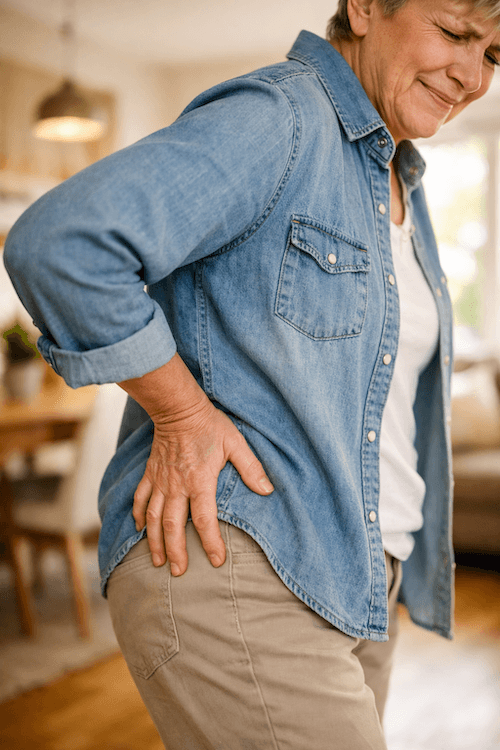
Pay attention to persistent, deep hip pain , clicking or catching sensations, and reduced range of motion. Noticing these symptoms early gives you the best chance to seek timely treatment and prevent the tear from getting worse.
How a Labrum Tear Changes Hip Movement and Causes Pain
When the labrum is torn, the mechanics of your hip joint change. The femoral head (the “ball” in your hip joint) is no longer as well contained in the socket, sometimes resulting in excess movement (or “translation”). This instability can cause discomfort and may further strain the hip. Notably, even a damaged labrum does provide some protective effect, but not as effectively as an intact one.
Additionally, the joint capsule—a strong ligamentous structure that wraps around the joint—may become loose after a labral tear, further increasing instability. Pain can come from both mechanical irritation and inflammation, as the torn tissue exposes sensitive nerve endings. It’s important to remember that pain levels and patterns vary from person to person, and don’t always match what is seen on scans or images.
Imaging studies often help confirm the diagnosis and may reveal other changes, including capsular laxity or inflammation. These findings can guide the direction of your treatment and recovery strategies.
Non-Surgical Treatment: Supporting Recovery Without Surgery
If you suspect a hip labrum tear , a professional diagnosis is an important first step. Many people can recover well with conservative, non-surgical management. This typically includes:
- Physiotherapy : Specially designed exercise programs help strengthen the muscles around your hip and core, providing more stability and supporting the joint. Improving movement patterns and correcting any muscle imbalances is key.
- Pain Management: Your healthcare professional might use tools like questionnaires or pain inventories to understand the type of pain you’re experiencing. Identifying whether the pain is from irritation, nerve involvement , or mixed origins is crucial for selecting the best treatment.
- Imaging and Ongoing Monitoring: Imaging studies can help clarify what is happening inside the joint and monitor progress during your recovery journey.
This approach—often referred to as “ hip labral tear recovery without surgery”—has produced great results for many people, helping them avoid or delay surgery and get back to what they enjoy.
Rehabilitation: Regaining Function and Returning to Activity
Rehabilitation plays a key role in full recovery and prevention of future injury . Once your pain is managed, exercises will focus on strengthening the muscles that protect your hip, such as your glutes and core. You may also work on joint control and safe movement patterns.
Equally important is learning how to avoid certain positions or activities—like deep bending, twisting, or repetitive high-impact movements—that could irritate the labrum while it heals. Modifying daily activities (for example, learning how to sleep in ways that keep your hip comfortable) can also ease discomfort and protect the joint.
Sticking with your rehabilitation programme and gradually increasing your activities under the guidance of a physiotherapist support long-term success and build your confidence as you return to your normal routine.
In Summary
The hip labrum is crucial for joint stability and smooth movement. When a tear occurs, it can lead to pain and instability—but with a good understanding of the injury and targeted, non-surgical treatment, many people make a successful recovery.
Tailored physiotherapy , careful pain assessment, and gradual rehabilitation are key to avoiding surgery and regaining your quality of life. Always work closely with your healthcare team to develop a personalised plan that meets your individual needs.
With the right care and commitment, you can optimise your recovery from a hip labrum tear and get back to moving confidently and comfortably.
References
Nakawaki, M., Fukushima, K., Inoue, G., Moriya, M., Uchiyama, K., Takahira, N., & Takaso, M. (2018). Use of the painDETECT questionnaire to differentiate the nature of hip pain associated with a labrum tear. Asia-Pacific Journal of Sports Medicine, Arthroscopy, Rehabilitation and Technology, 11, 1–5. https://doi.org/10.1016/j.asmart.2017.10.002
Smith, M. V., Panchal, H. B., Ruberte Thiele, R. A., & Sekiya, J. K. (2011). Effect of acetabular labrum tears on hip stability and labral strain in a joint compression model. The American Journal of Sports Medicine, 39(1_suppl), 103-110. https://doi.org/10.1177/0363546511400981
Handley, D., Tang, J., Spiker, A. M., & Blankenbaker, D. G. (). MRI of the post-operative hip following arthroscopic repair: What are the imaging characteristics of labrum re-tear and capsular complications?. ISMRM.
Frequently Asked Questions
- Key symptoms include persistent deep hip pain, reduced movement, and clicking or catching sensations. Early recognition is crucial. At London Cartilage Clinic, Prof Lee’s experience ensures accurate diagnosis and targeted advice, helping you access expert care before the tear becomes more serious or requires invasive treatment.
- Surgery is not always necessary; many people succeed with non-surgical management. London Cartilage Clinic specialises in tailored physiotherapy and advanced pain management—Prof Lee designs programmes supporting healing and strength, often avoiding surgery. His patient-centred approach means most individuals can return to activity without invasive intervention.
- The Clinic offers comprehensive assessment and personalised physiotherapy, supervised by Prof Lee, a recognised authority in cartilage injuries. State-of-the-art imaging, expert pain management, and continuous monitoring underpin your recovery—ensuring you regain hip function swiftly and safely, while preventing recurrence through education and targeted rehabilitation.
- Prof Lee’s vast expertise in joint preservation and cartilage repair sets him apart. He employs evidence-based strategies for non-surgical recovery, and has a proven record of helping patients avoid surgery. Patients value his holistic, compassionate approach, making London Cartilage Clinic a leading centre for hip labral rehabilitation.
- Rehabilitation is tailored, progressive, and carefully monitored by Prof Lee’s team. You’ll focus on strengthening key muscle groups and refining movement patterns, with guidance at every stage. The approach minimises pain and supports lasting recovery, promoting renewed confidence and safely restoring your active lifestyle without unnecessary surgery.
Next steps
Where to go from here
These routes are selected from the topic and purpose of this article. They are guidance, not a diagnosis or treatment recommendation.
Recovery route
Explore recovery guidance
Continue with practical recovery and patient-journey information.
Learn more
Explore treatment options
Use a structured overview to narrow down the most useful next step for your situation.
Talk to the team
Book a free discovery call
A non-medical call with the team to understand services and choose the right booking route.
Legal & Medical Disclaimer
This article is published by London Cartilage Clinic for general information and education only. It does not constitute medical advice, diagnosis, or treatment.
Always seek personalised advice from a qualified healthcare professional before making decisions about your health. London Cartilage Clinic accepts no responsibility for errors, omissions, third-party content, or any loss, damage, or injury arising from reliance on this material.
If you believe this article contains inaccurate or infringing content, please contact us at [email protected].


