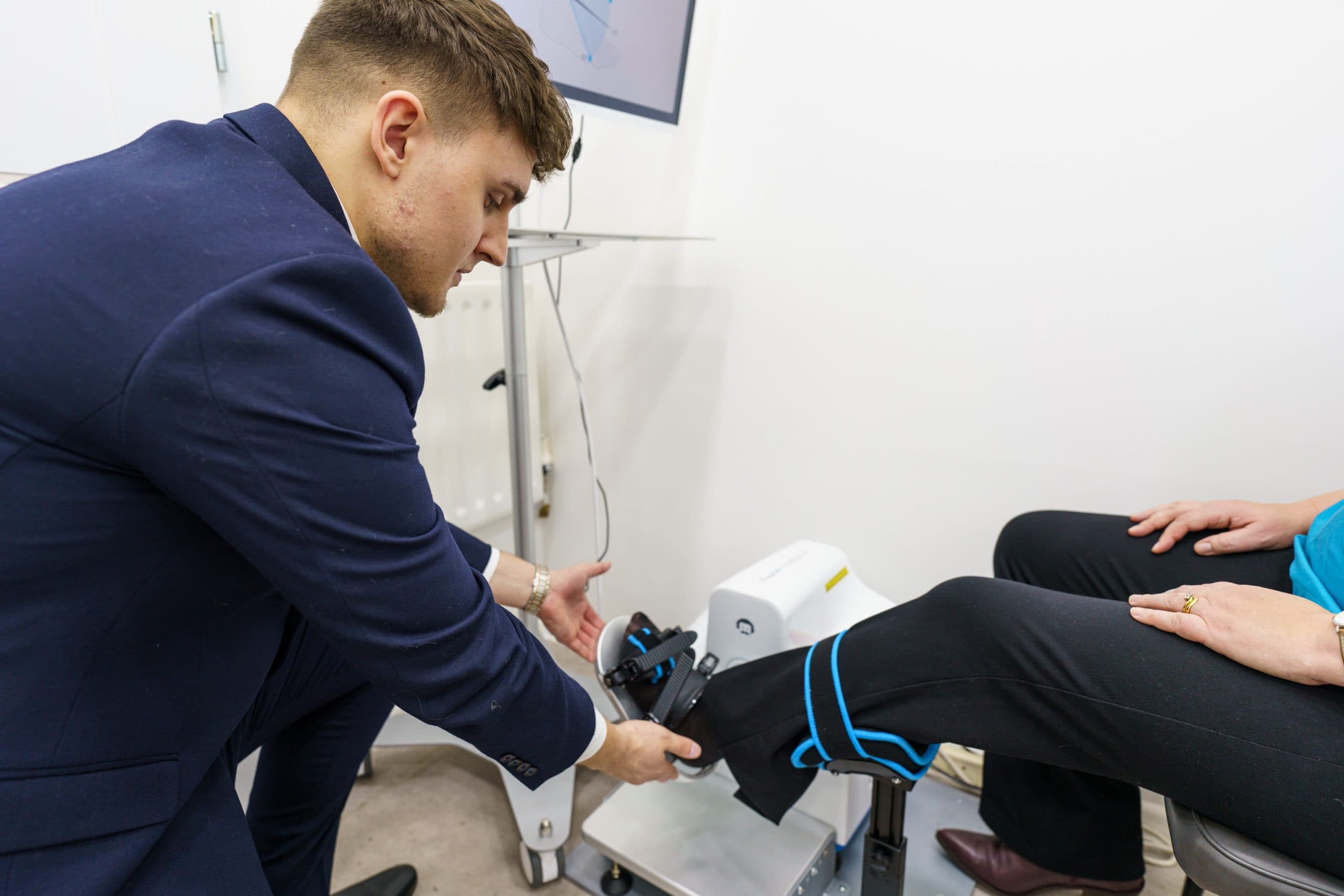
Healthy hips are key to staying active and preventing injuries. At the heart of this is the gluteus medius, a muscle that plays a vital role in keeping your hips stable and your movements smooth. By focusing on specific gluteus medius exercises, you can strengthen this important muscle, reduce pain, and improve your posture. In this article, we’ll explore what the gluteus medius does, why it matters, common problems linked to it, and practical exercises and stretches to keep it strong and healthy.
Understanding the Gluteus Medius and Its Functions
The gluteus medius is a muscle located on the side of your hip, just beneath the larger gluteus maximus. Its main job is to stabilise your pelvis when you’re moving or standing on one leg. When this muscle is weak, you may notice instability and discomfort, which could affect your balance and movement quality. Signs of a weak gluteus medius often show up as difficulty maintaining pelvis control, making it crucial for athletes and everyday movers alike.
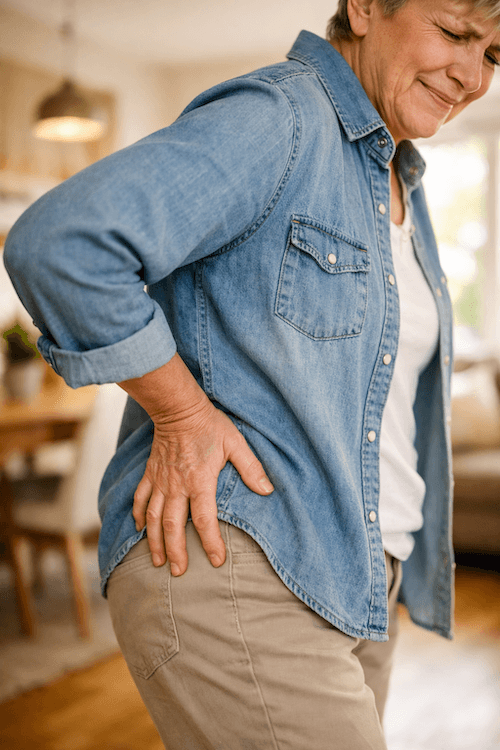
Pain in the gluteus medius can come from overuse or strain, especially among runners or anyone who repetitively stresses their hips. This pain is often felt on the side of the hip and can negatively impact your ability to move comfortably. Knowing how the gluteus medius works helps us understand why targeted exercises are so important for hip stability.
Common Issues: Weakness, Pain, and Their Consequences
Weakness in the gluteus medius is often caused by poor posture, muscle imbalances, or injury. This weakness can alter the way you walk or run, sometimes leading to a noticeable drop of the pelvis on one side, known as Trendelenburg gait. Pain usually centres around the side of the hip and can become worse with activities like running, cycling, or prolonged standing.
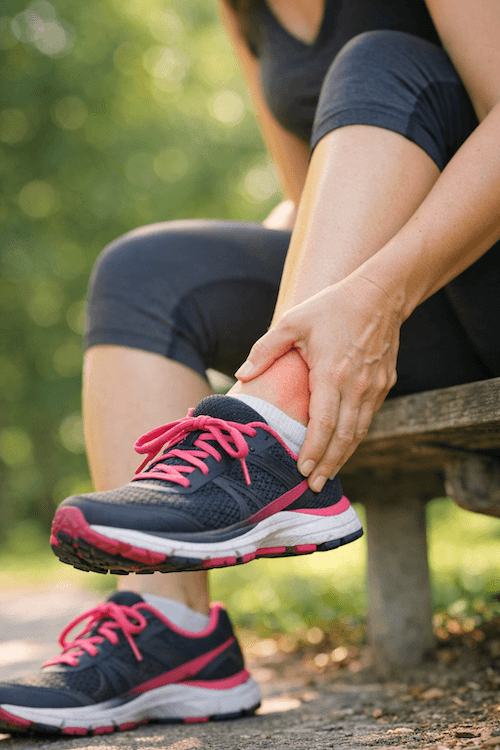
More than just localised pain, weak gluteus medius muscles can cause other problems further down the chain. When this muscle can’t do its job, the body compensates by overusing nearby muscles such as the gluteus maximus and lower back muscles, potentially affecting knee and ankle stability. Research also suggests that “weakness or inadequate activation of the gluteus medius while weight-bearing can lead to internal rotation of the femur and lateral tracking of the patella, contributing to patellofemoral pain syndrome” (Saravanan & Kotteeswaran, 2023). Addressing these issues early can help avoid wider musculoskeletal problems.
Top Evidence-Based Gluteus Medius Exercises
Strengthening the gluteus medius requires a mix of targeted bodyweight exercises, resistance training, and machine-based options. Side-lying leg lifts are one of the most effective — simply lie on your side with your legs straight, slowly lift your top leg while keeping your hips stable, hold briefly, and lower with control. You can add ankle weights to make this more challenging.
Standing exercises also engage the gluteus medius in a more functional way. For example, standing hip abduction with resistance bands helps improve balance and strength simultaneously. In the gym, cables and machines can isolate the gluteus medius, allowing you to progressively increase resistance.
Studies highlight that exercise type and load stability influence muscle activation. For instance, “significantly greater activation of the gluteus medius and vastus medialis was found during Isometric Single Leg Stance (ISLS) and One Leg Deadlift (OLDL) exercises” (López-de-Celis et al., 2023). These exercises performed with an unstable load, such as using a water tank, can further boost muscle engagement compared with stable weights.
When dealing with injuries or specific conditions like patellofemoral pain, adjunct therapies may help. Research shows that “Percutaneous Electrical Nerve Stimulation with open kinematic exercises is effective in promoting gluteus medius activation” (Saravanan & Kotteeswaran, 2023). For anyone exercising at home, resistance bands and bodyweight moves offer accessible and effective options, while gym workouts provide a broad range of tools to enhance hip strength and stability.
Free non-medical discussion
Not sure what to do next?
Information only · No medical advice or diagnosis.
Gluteus Medius Stretches and Pain Relief Strategies
Flexibility is just as important as strength for managing pain and improving function. Targeted gluteus medius stretches can ease tightness around the hip and reduce discomfort. A simple seated figure-four stretch gently stretches the gluteal muscles, promoting relaxation and recovery.
Research also indicates that adding core activation during some exercises might actually reduce stimulation of the gluteus medius and related muscles: “core activation decreased Gluteus Medius and Adductor Longus muscle activation regardless of position” (Büyüktaş et al., 2025). This suggests that, when aiming to fully activate the gluteus medius, it might be best to focus on direct muscle engagement without overlapping core work.
Incorporating regular stretches for the gluteus medius can prevent stiffness and support rehabilitation after injury or strain. If pain remains persistent or worsens, it’s important to seek professional advice to tailor a recovery plan specific to your needs.
At the London Cartilage Clinic, patients receive expert guidance and personalised rehabilitation, providing an excellent environment to support recovery and return to full mobility.
The Role of Professional Guidance and Rehabilitation
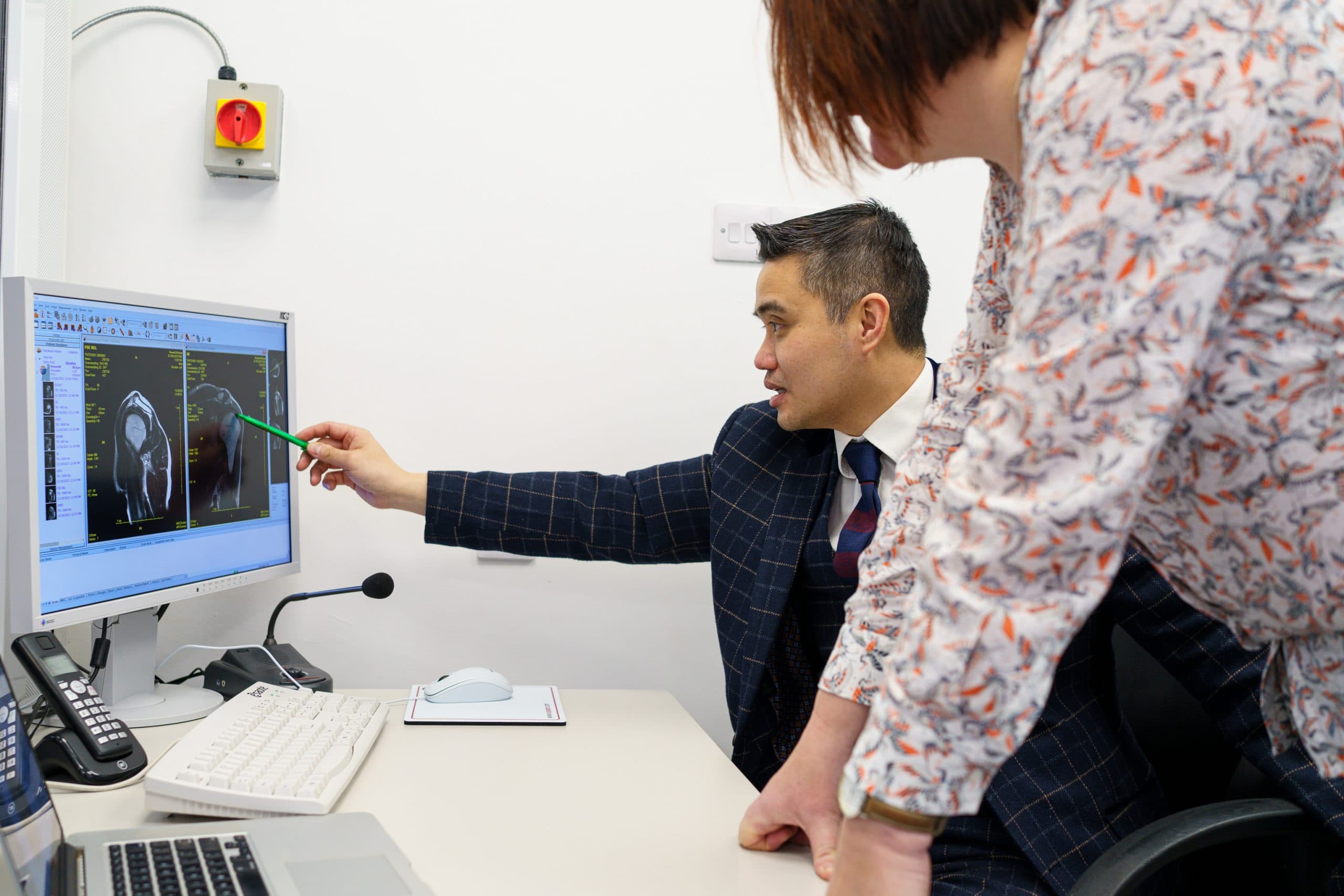
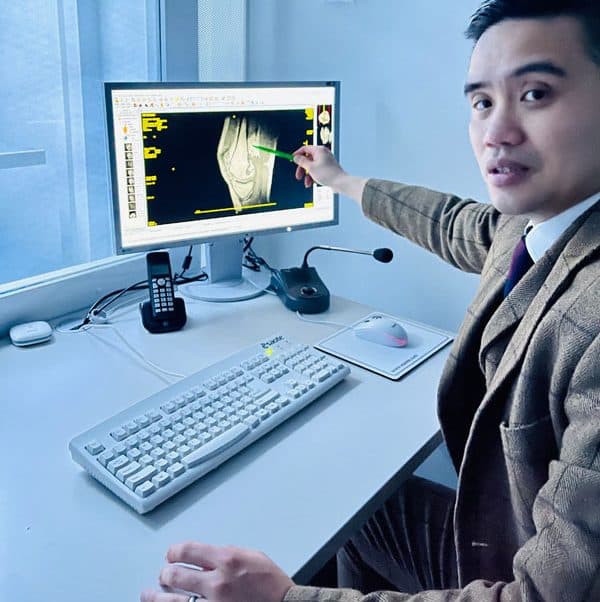
Ongoing weakness or discomfort in the gluteus medius should be assessed by health professionals to ensure proper treatment. Professor Paul Lee, a respected expert in orthopaedics and rehabilitation, brings decades of clinical experience and a patient-centred approach. As a Regional Surgical Ambassador and Advisor for the Royal College of Surgeons of Edinburgh, Professor Lee highlights the importance of evidence-based care. The London Cartilage Clinic offers a supportive setting for expert diagnosis and rehabilitation tailored just for you.
Conclusion
The gluteus medius is pivotal for hip stability, smooth movement, and injury prevention. Understanding its function and recognising the signs of weakness or pain allow you to take meaningful steps towards stronger hips. Targeted exercises, smart stretching, and professional support form the foundation of maintaining healthy hips. Always remember that your journey is unique — personalised approaches will best meet your needs and goals.
For individual medical advice, please consult a qualified healthcare professional.
References
- Büyüktaş, N., Kaya Benli, T., Mahiroğlu, H., & Bakar, Y. (2025). Effects of non-weight-bearing exercises and core activation on gluteus medius and adductor longus muscle activation levels. Gümüşhane Üniversitesi Sağlık Bilimleri Dergisi. https://doi.org/10.37989/gumussagbil.1727668
- López-de-Celis, C., Sánchez-Alfonso, N., Rodríguez-Sanz, J., Romaní-Sánchez, S., Labata-Lezáun, N., Canet-Vintró, M., Aiguadé, R., & Pérez-Bellmunt, A. (2023). Quadriceps and gluteus medius activity during stable and unstable loading exercises in athletes: A cross-sectional study. Journal of Orthopaedic Research. https://doi.org/10.1002/jor.25680
- Saravanan, S., & Kotteeswaran, K. (2023). A study on Percutaneous Electrical Nerve Stimulation with open kinematic exercises on gluteus medius activation in patellofemoral pain syndrome. International Journal. https://doi.org/10.61453/intij.202352
Frequently Asked Questions
- The gluteus medius is crucial for stabilising your pelvis and ensuring smooth movement. Weakness or imbalance in this muscle can cause hip pain, instability, and problems with posture, making targeted exercises and professional support beneficial for maintaining healthy, active hips.
- Gluteus medius weakness is often caused by poor posture, muscle imbalance, or injury. This can lead to hip discomfort, Trendelenburg gait, and compensatory overuse of other muscles. Addressing these issues early is vital to prevent wider musculoskeletal complications and promote long-term mobility.
- Targeted exercises like side-lying leg lifts, single leg stance, and resistance band work effectively activate the gluteus medius. At London Cartilage Clinic, Professor Lee provides evidence-based exercise plans and adjunct therapies, such as electrical nerve stimulation, to optimise rehabilitation and enhance hip strength.
- Regular gluteus medius stretching eases hip tightness, supports recovery, and prevents stiffness. Professor Paul Lee and the team at London Cartilage Clinic can tailor stretching routines, combining flexibility and strengthening approaches, to promote comfort and restore mobility following hip strain, injury, or chronic discomfort.
- London Cartilage Clinic offers expert assessment and tailored rehabilitation under Professor Paul Lee, a renowned cartilage specialist and Royal College of Surgeons advisor. His extensive experience and patient-centred approach ensure high-quality, evidence-based care for achieving optimal hip health and functional recovery.
Legal & Medical Disclaimer
This article is written by an independent contributor and reflects their own views and experience, not necessarily those of London Cartilage Clinic. It is provided for general information and education only and does not constitute medical advice, diagnosis, or treatment.
Always seek personalised advice from a qualified healthcare professional before making decisions about your health. London Cartilage Clinic accepts no responsibility for errors, omissions, third-party content, or any loss, damage, or injury arising from reliance on this material.
If you believe this article contains inaccurate or infringing content, please contact us at [email protected].
London Cartilage Clinic
Modern treatments, designed for lasting knee outcomes
Every treatment plan is selected to help you return to the quality of life you deserve. Our team combines up-to-date techniques with consultant-led decision making across cartilage repair, regeneration and replacement.
What your journey can look like
Step 01
Consultant-Led Assessment
Symptoms, imaging and goals reviewed in one structured appointment.
Step 02
Personalised Treatment Plan
A clear route chosen from repair, regeneration or replacement options.
Step 03
Precision Delivery
Modern techniques and specialist equipment matched to your diagnosis.
Step 04
Long-Term Knee Health
Follow-up guidance focused on durable function and quality of life.
Will the Arthrosamid work for me
PAAG-8+ Questionnaire
A bright, structured entry point for patients exploring Arthrosamid. The questionnaire helps frame suitability, expectations, and 24-month clinical benefit discussion before a fuller consultant-led review.
Designed for shared decision-making. It does not replace specialist consultation, examination, imaging review, or formal medical advice.