





Pes Anserine Bursitis vs Meniscal Tear: How to Tell Them Apart and What You Can Do
Introduction
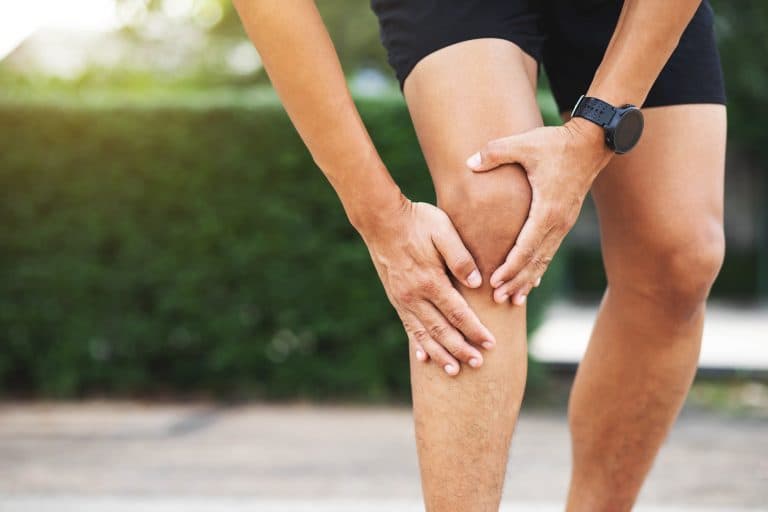
Knee pain can be tricky to pin down, especially when two common culprits—pes anserine bursitis and meniscal tears—cause similar symptoms. Pes anserine bursitis is an inflammation of a small, fluid-filled sac (bursa) on the inside of the knee, where three tendons meet the shinbone. A meniscal tear involves damage to the meniscus , the cartilage that cushions your knee joint . Since both conditions often lead to pain and swelling along the inner knee , it can be challenging to tell them apart. Getting an accurate diagnosis is essential for choosing the right treatment and avoiding unnecessary procedures. In this article, we'll explore how doctors distinguish between these conditions—using clinical exams and imaging—and what you can do if you have either one.
What Are Pes Anserine Bursitis and Meniscal Tears?
Pes anserine bursitis develops when the bursa on the inner side of the knee becomes irritated or inflamed. This typically results in localized tenderness and swelling just below the joint. Meniscal tears , on the other hand, happen when the C-shaped cartilage inside the knee is damaged—often causing pain along the joint line, and sometimes resulting in clicking, locking, or the feeling that your knee might give out.
To tell these conditions apart, doctors often turn to MRI (magnetic resonance imaging), which provides clear images of the structures inside your knee. In pes anserine bursitis, the MRI may show fluid and inflammation around the bursa. For meniscal tears, the scan usually reveals cracks, tears, or irregularities in the cartilage. But because symptoms can be so similar, doctors also rely on a thorough physical exam and your medical history to make an accurate diagnosis .
Why Is Diagnosis Difficult, and How Does Imaging Help?
Because both pes anserine bursitis and meniscal tears can cause nearly identical knee pain , diagnosis can be challenging. MRI is the gold standard for imaging soft tissues—letting doctors spot fluid around the bursa in bursitis , or visible damage to the cartilage in meniscal injuries.
Ultrasound is another useful tool. It uses sound waves to provide real-time images of soft tissues, and it’s especially helpful for detecting bursa swelling. Ultrasound can also guide precise injection treatments right where they're needed. Alongside imaging, your doctor may do simple physical tests, like pressing along your inner knee or bending your leg in certain ways, to help pinpoint the source of pain.
An accurate diagnosis helps avoid unnecessary surgeries or treatments—making it a key step in helping you recover as quickly and safely as possible.
How Are These Conditions Treated?
Pes anserine bursitis is usually managed with non-surgical treatments first. Physical therapy can strengthen and stretch the muscles around your knee, helping to relieve pressure on the bursa. Activity modification—avoiding things that aggravate the pain—and anti-inflammatory medications can also help ease symptoms. The goal is to gradually return to your normal activities without putting too much stress on the knee .
If symptoms linger, your doctor might recommend an ultrasound-guided corticosteroid injection to calm the inflammation directly. Emerging therapies like oxygen –ozone injections and prolotherapy (a technique using targeted injections to stimulate healing) are also showing promise.
For meniscal tears , treatment depends on the type and severity of the tear. Some tears will heal with rest, activity adjustments, and physical therapy . More significant or disruptive tears may require surgery to trim or repair the damaged cartilage . Because the treatments for these conditions are so different, getting the right diagnosis is crucial.
How Knee Mechanics Affect Pes Anserine Bursitis
Sometimes, pes anserine bursitis is made worse by the way your knee moves or the forces it handles. Bony outgrowths near the bursa, known as proximal tibial spurs, can irritate the area and lead to chronic inflammation. Weak hip muscles or poor knee alignment may also change how your body weight is distributed, increasing stress on the inside of the knee and aggravating the bursa.
Targeted exercises, gait training, and supportive taping can address these mechanical factors to relieve symptoms. However, not all exercises or taping methods are appropriate; some may even worsen symptoms by increasing pressure or irritation. That’s why it’s important to have a personalized rehab plan designed by a healthcare professional.
Conclusion: Why Accurate Diagnosis Matters
Although pes anserine bursitis and meniscal tears can look similar, they require different approaches to treatment. Accurate diagnosis—using careful physical exams, MRI, and ultrasound—ensures that you get the care you really need. This can help you avoid unnecessary surgeries and get back to your daily life more quickly.
As medical technology and rehabilitation techniques advance, our ability to diagnose and treat knee pain continues to improve. Understanding your symptoms and the mechanical factors involved means clinicians can provide truly personalized care—helping you move better and live with less pain.
References
Forbes, J. R., Helms, C. A., & Janzen, D. L. (1995). Acute pes anserine bursitis: MR imaging. Radiology, 194(2), 525-527. https://doi.org/10.1148/radiology.194.2.7824735
Mohammadi-Kebar, Y., & Azami, A. (2023). Frequency of pes anserine bursitis in patients with knee osteoarthritis. International Journal of Research in Medical Sciences, 11(11), 3987-3992. https://doi.org/10.18203/2320-6012.ijrms20233366
Rennie, W. J., & Saifuddin, A. (2005). Pes anserine bursitis: incidence in symptomatic knees and clinical presentation. Skeletal Radiology, 34(7), 395-398. https://doi.org/10.1007/s00256-005-0918-7
Next steps
Where to go from here
These routes are selected from the topic and purpose of this article. They are guidance, not a diagnosis or treatment recommendation.
Learn more
Explore a meniscus tear
Read the reviewed a meniscus tear pathway, including who it may help and what happens next.
Talk to the team
Book a free discovery call
A non-medical call with the team to understand services and choose the right booking route.
Legal & Medical Disclaimer
This article is published by London Cartilage Clinic for general information and education only. It does not constitute medical advice, diagnosis, or treatment.
Always seek personalised advice from a qualified healthcare professional before making decisions about your health. London Cartilage Clinic accepts no responsibility for errors, omissions, third-party content, or any loss, damage, or injury arising from reliance on this material.
If you believe this article contains inaccurate or infringing content, please contact us at [email protected].


