



Understanding Left Hip Bone Pain in Women: Causes, Diagnosis, and Treatment
Introduction: Why Left Hip Pain in Women Deserves Attention
Many women experience pain near their left hip, but pinpointing the exact cause isn’t always easy. Left hip bone pain can stem from the bones themselves or from nearby muscles, ligaments, or nerves. The discomfort might be persistent or occasional, and its underlying causes range from common issues to more unusual conditions. Fortunately, advances in medical research and imaging technology have made it much easier for doctors to identify the source of hip pain , leading to more precise diagnoses and effective treatments.
How Common Is Left Hip Pain and What Does It Feel Like?
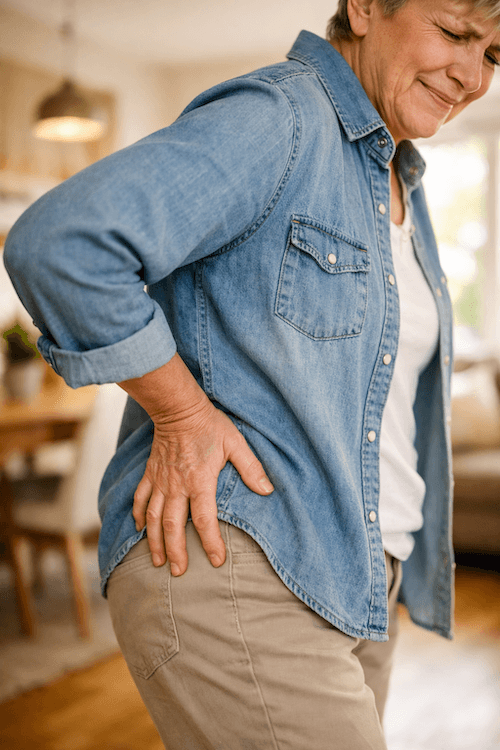
Hip pain is a frequent concern for women, with the left side often standing out for its own unique symptoms. Some women experience sudden, sharp twinges that come and go, while others deal with a deep, aching pain that worsens with movement. The pain might be stabbing, burning, or dull, and it can make everyday activities—like walking, standing, or sleeping—uncomfortable. Recognizing these common symptoms is an important step, both for women experiencing them and for the healthcare providers trying to help.
Why Diagnosing Left Hip Pain Can Be Tricky
Getting to the root of left hip pain can be challenging. While conditions like osteoarthritis, bursitis, and muscle strains are common culprits, other problems can also cause similar discomfort. For instance, nerve compression—such as irritation of the femoral nerve—can mimic joint or muscle pain but often requires a different treatment approach. Sometimes, stress fractures or cysts near the hip bone press on nerves, leading to pain that may come and go or feel hard to describe. Standard X-rays don’t always reveal these issues, which is why doctors often turn to more advanced testing. Rarely, acute pain may result from conditions like subperiosteal hematoma of the iliac bone—bleeding beneath the bone’s outer layer—which usually happens after a fall and can mimic a fracture.
How Advanced Imaging Helps Reveal the Cause
Modern imaging tools—like ultrasound, CT scans, and MRI—allow doctors to see detailed, high-resolution images of the hip region. These scans can pick up subtle injuries or nerve problems that ordinary X-rays might miss. Along with imaging, doctors also conduct neurological exams to assess nerve function and better pinpoint where pain is coming from. Using these tools together gives a clearer overall picture, leading to more accurate diagnoses and better treatment plans. For example, ultrasound is particularly helpful for detecting rare cases like subperiosteal hematoma .
Treatment Options: From Lifestyle Changes to Surgery
Treatment for left hip pain depends on the underlying cause and how severe the symptoms are. For most women, care starts with simple, conservative steps: avoiding movements that trigger pain, wearing supportive shoes , and doing physical therapy exercises to strengthen the muscles around the hip. These measures can improve hip stability and ease strain. Researchers have found that women with hip or knee issues often have weaker hip muscles, so targeted strengthening exercises can play a big role in recovery. Small changes, like adjusting your sleeping position or using over-the-counter pain relievers, may also provide relief.
If conservative methods aren’t enough, your doctor might discuss additional options, such as procedures to relieve nerve pressure or remove fluid-filled cysts. Surgery is usually reserved for more serious or persistent problems. In rare cases—such as with subperiosteal hematoma —close monitoring and follow-up imaging may be needed, and surgical intervention is considered only if the problem worsens or affects nerves. Most women recover well, especially when treatment is personalized and combines multiple approaches.
New Developments and Real-Life Treatment Successes
Treatment for left hip pain is increasingly tailored to each individual. Athletes, for example, have found success when physical therapy is combined with minimally invasive procedures, allowing for a quicker return to activity. Even rare conditions, like bleeding beneath the hip bone, have been successfully managed through careful monitoring or targeted surgery when necessary. These real-life examples show that with the right diagnosis and personalized care, even challenging causes of hip pain can be resolved.
Why Women’s Hip Pain Is Unique
Women’s hips have unique structural features that influence how pain develops and should be treated. Research shows that the left and right hip bones may differ slightly in shape, and muscles attach differently on each side. For physically active women, like gymnasts, one side of the hip can be measurably stronger or have more bone mass than the other. In addition, weaker hip muscles have been linked to poor lower-body alignment and knee pain in women. Other factors, like pelvic alignment and ligament flexibility, also play a role. Because of these differences, it’s important for healthcare providers to consider women’s specific anatomy and needs when diagnosing and treating hip pain .
Conclusion: Taking the Next Step Toward Relief
While left hip pain in women often has multiple causes, understanding these possibilities—and using advanced diagnostic tools to zero in on the problem—can lead to faster relief. Most women improve with conservative care, but surgery or more specialized treatments are available for persistent or serious cases. If you’re struggling with ongoing or severe hip pain , see your healthcare provider for a thorough evaluation and an individualized treatment plan. With continued research and growing collaboration among specialists, new and better treatments are emerging, offering hope and relief for women living with this common but complex pain.
References
Wu, J., Ishizaki, S., Kato, Y., Kuroda, Y., & Fukashiro, S. (1998). The side-to-side differences of bone mass at proximal femur in female rhythmic sports gymnasts. Journal of Bone and Mineral Research, 13(5), 900–906. https://doi.org/10.1359/jbmr.1998.13.5.900
Ireland, M. L., Willson, J. D., Ballantyne, B. T., & Davis, I. (2003). Hip strength in females with and without patellofemoral pain. Journal of Orthopaedic & Sports Physical Therapy, 33(11), 671-676. https://doi.org/10.2519/jospt.2003.33.11.671
Yumoto, T., Joko, R., Yamakawa, Y., Yamada, T., Naito, H., & Nakao, A. (2018). Subperiosteal Hematoma of the Iliac Bone: An Unusual Cause of Acute Hip Pain after a Fall. American Journal of Case Reports, 19, 1083-1086. https://doi.org/10.12659/ajcr.910010
Next steps
Where to go from here
These routes are selected from the topic and purpose of this article. They are guidance, not a diagnosis or treatment recommendation.
Learn more
Explore treatment options
Use a structured overview to narrow down the most useful next step for your situation.
Talk to the team
Book a free discovery call
A non-medical call with the team to understand services and choose the right booking route.
Legal & Medical Disclaimer
This article is published by London Cartilage Clinic for general information and education only. It does not constitute medical advice, diagnosis, or treatment.
Always seek personalised advice from a qualified healthcare professional before making decisions about your health. London Cartilage Clinic accepts no responsibility for errors, omissions, third-party content, or any loss, damage, or injury arising from reliance on this material.
If you believe this article contains inaccurate or infringing content, please contact us at [email protected].


