






Sudden Sharp Right Hip Pain Causes and Relief Strategies
Introduction
Sudden, sharp pain in the right hip that comes and goes can be surprising and worrying. Many people feel frustrated not knowing what’s causing this pain, especially when it appears without any obvious reason. Hip pain is a common problem that can affect people of all ages, often interfering with daily life and even disturbing sleep. Understanding why this pain happens intermittently is the first step towards managing it effectively. In this article, we explore common causes, key symptoms, practical ways to ease the pain, and when it’s time to see a specialist.
Understanding Sudden Sharp Hip Pain
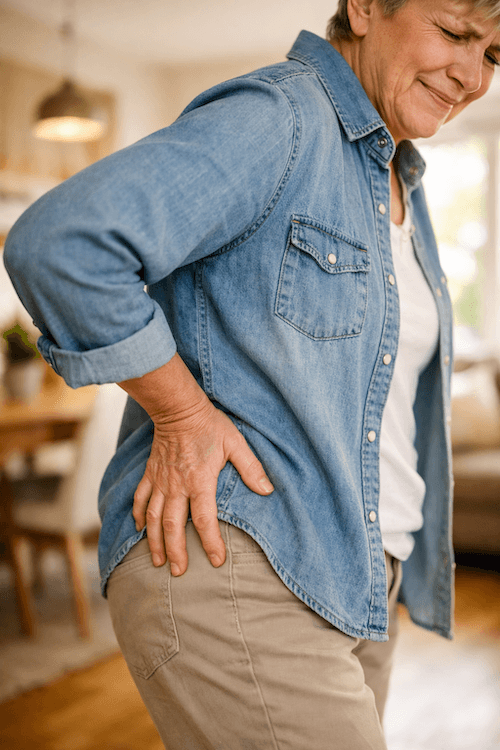
Sudden sharp pain in the hip is quite different from the dull, persistent ache some people may know. It often feels intense but brief, popping up unexpectedly and then fading away. This pain can be felt at the front, side, or just above the right hip joint and might come on during everyday activities such as walking or when lying down, especially if sleeping on that side.
Women tend to experience side hip pain more often than men, partly due to natural differences in anatomy. Research has also found that "female patients had double the age-adjusted incidence of male patients" when it comes to hip dysplasia — an important cause of hip pain in younger adults (LaPrade et al., 2021).
The causes of sudden sharp hip pain can be varied. It might come from muscles being strained, nerves being pinched, inflammation in the cushioning sacs of the hip joint (known as bursitis), or even from problems in the lower back that send pain referred to the hip. A recent clinical guideline notes that "nonarthritic hip joint pain can be linked with movement difficulties and a wide range of symptoms" (Enseki et al., 2023).
Common Causes and Risk Factors
Many people experience sudden hip pain without recalling any injury. Overuse is a common reason — for example, increasing your activity too quickly or repetitive movements can strain the hip. Pain may also worsen at night or during sleep, especially if you lie on the painful side, adding pressure to the joint.
Body weight plays a role too, as extra weight can increase the stress on the hip, particularly when resting or sleeping. Age is another important factor; as we get older, natural changes to muscles, bones, and flexibility can make the hip more prone to pain. Interestingly, young people between 14 and 18 years old show the highest rates of hip dysplasia diagnosis among those with hip pain, for both sexes (LaPrade et al., 2021).
Also worth noting: "the clinical course of nonarthritic hip pain varies based on individual anatomical features and activity levels" (Enseki et al., 2023), which explains why symptoms and their pattern can differ widely from person to person.
The sharp, stabbing feeling may be due to irritated nerves firing off in bursts or muscles tightening intermittently, causing pain that comes and goes rather than sticking around steadily.
Relieving Hip Pain: Practical Tips and Lifestyle Adjustments
If you’re dealing with sudden sharp hip pain, starting with gentle movement and lifestyle changes can often help. Stretching the muscles around the hip — such as the hip flexors, gluteal muscles, and lower back — may ease tension without causing more pain. It’s important not to stay in one position for too long, especially avoiding sleeping on the painful side.
If you do sleep on your side, try placing a pillow between your knees to keep your hips aligned and reduce strain. Also, consider the support your mattress offers; medium-firm bedding usually works best to avoid unnecessary pressure or discomfort during the night.
Low-impact exercises like walking or swimming can maintain hip mobility and strengthen surrounding muscles safely. When pain flares up, using ice packs to reduce swelling followed by warm compresses to improve blood flow can be soothing.
Recent guidelines recommend that "physical therapy should be customised to the patient’s individual problems and activity challenges" (Enseki et al., 2023). Additionally, research shows that people given clear explanations about hip osteoarthritis or persistent hip pain tend to believe "exercise is less damaging and surgery less necessary" than when they hear terms like 'hip degeneration' (Haber et al., 2023).
Professor Paul Lee, an expert orthopaedic and rehabilitation specialist, underlines the value of early assessment: “Getting the right diagnosis early on helps create treatment plans that really target the cause, giving better and longer-lasting relief.” The London Cartilage Clinic provides a supportive setting where patients receive expert care and personalised treatment.
When to Seek Expert Advice
Certain signs mean you should see a healthcare professional promptly. These include being unable to put weight on your leg or walk, severe and worsening pain, noticeable swelling or redness around the hip, or a fever. Such symptoms might suggest infection, fracture, or other serious issues.
If your pain hangs around for weeks or makes day-to-day life difficult, seek a thorough examination. Specialists can use clinical assessments and scans to find the exact cause and recommend the best treatment.
For younger patients with hip dysplasia, studies show a variety of treatments are used: "67% received physical therapy, 29% had steroid injections, 10% underwent hip arthroscopy, and 9% had surgery to realign the hip" (LaPrade et al., 2021). Consulting experts like Professor Paul Lee and visiting clinics such as the London Cartilage Clinic ensures access to the latest diagnostics and care strategies tailored to your needs.
Conclusion
Sudden sharp pain in the right hip that appears and disappears can be concerning, but understanding its causes and recognising the warning signs makes a big difference. Starting with self-care and practical adjustments is helpful, but never ignore persistent or severe pain. Early expert advice is key to effective treatment and recovery.
If you’re experiencing ongoing hip pain, make sure to consult a qualified healthcare professional for an accurate diagnosis and personalised care.
For individual medical advice, please speak to a qualified healthcare professional.
References
- Enseki, K., Bloom, N. J., Harris‐Hayes, M., Cibulka, M., Disantis, A. E., Di Stasi, S., Malloy, P., Clohisy, J., Martin, R. L., Takla, A., Lueders, D. R., Dauber, J., Kaplan, S., Paulseth, S., & Beattie, P. (2023). Hip Pain and Movement Dysfunction Associated With Nonarthritic Hip Joint Pain: A Revision. Journal of Orthopaedic & Sports Physical Therapy, 53(7), CPG1–CPG70. https://doi.org/10.2519/jospt.2023.0302
- Haber, T., Hall, M., Dobson, F., Lawford, B., McManus, F., Lamb, K., & Hinman, R. (2023). Effects of hip pain diagnostic labels and their explanations on beliefs about hip pain and how to manage it: An online randomised controlled trial. Journal of Orthopaedic & Sports Physical Therapy, 53(7). https://doi.org/10.2519/jospt.2023.11984
- LaPrade, M. D., Melugin, H. P., Hale, R., Leland, D. P., Bernard, C. D., Sierra, R., Trousdale, R., Levy, B., & Krych, A. (2021). Incidence of Hip Dysplasia Diagnosis in Young Patients With Hip Pain: A Geographic Population Cohort Analysis. Orthopaedic Journal of Sports Medicine, 9(2). https://doi.org/10.1177/2325967121989087
Frequently Asked Questions
- Sudden, sharp hip pain may stem from muscle strain, nerve irritation, bursitis or referred pain from the lower back. Overuse, age-related changes, or anatomical factors can also play a role. It’s important to seek early expert assessment for accurate diagnosis.
- Gentle stretching, low-impact exercise, and avoiding prolonged positions can ease pain. Applying ice followed by warmth may also help. At London Cartilage Clinic, a personalised approach, guided by Professor Paul Lee, ensures treatment matches each patient’s unique needs.
- Seek expert advice if you cannot put weight on your leg, experience severe pain, swelling, redness, fever or symptoms that persist. Early evaluation at London Cartilage Clinic, led by Prof Paul Lee, helps determine the best path to relief and recovery.
- Early assessment allows for precise diagnosis and targeted treatment. Professor Paul Lee, a cartilage expert at the London Cartilage Clinic, uses advanced diagnostics to identify the root cause, helping patients achieve better and longer-lasting results with tailored care.
- The London Cartilage Clinic offers expert care in a welcoming environment. Under the leadership of Professor Paul Lee, a respected cartilage expert and surgical ambassador, patients receive state-of-the-art diagnosis and management, ensuring highly personalised and effective treatment plans.
Next steps
Where to go from here
These routes are selected from the topic and purpose of this article. They are guidance, not a diagnosis or treatment recommendation.
Learn more
Explore treatment options
Use a structured overview to narrow down the most useful next step for your situation.
Talk to the team
Book a free discovery call
A non-medical call with the team to understand services and choose the right booking route.
Legal & Medical Disclaimer
This article is published by London Cartilage Clinic for general information and education only. It does not constitute medical advice, diagnosis, or treatment.
Always seek personalised advice from a qualified healthcare professional before making decisions about your health. London Cartilage Clinic accepts no responsibility for errors, omissions, third-party content, or any loss, damage, or injury arising from reliance on this material.
If you believe this article contains inaccurate or infringing content, please contact us at [email protected].


