






Is It Safe to Walk on a Torn Meniscus? Understanding the Biomechanics and Rehabilitation Risks
Introduction
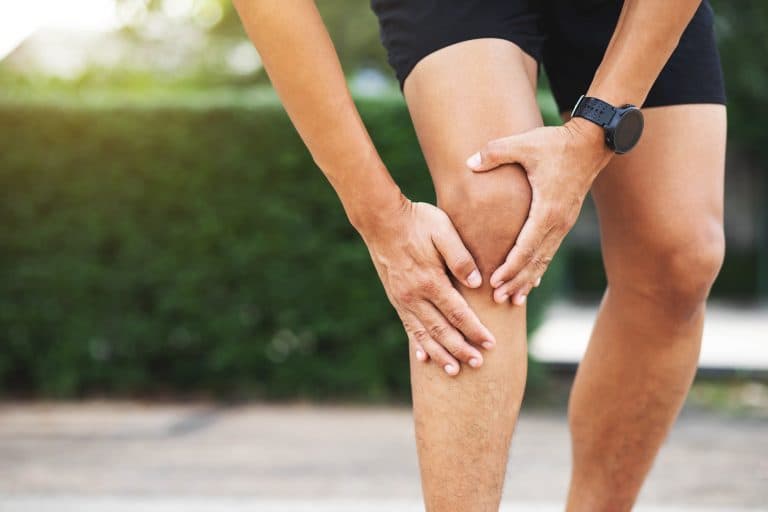
The meniscus is a crucial piece of cartilage in your knee that acts as a shock absorber and stabilizer during movement. When it tears, you may experience pain, swelling, or difficulty bending and straightening your knee . A common question people ask is: Is it safe to walk on a torn meniscus ? Could walking make the injury worse or slow down your recovery? In this article, we’ll break down how the meniscus functions, what happens when it’s torn, the risks involved with walking on it, and the safest approach to rehabilitation. By drawing on current research, we'll help you make informed decisions about managing your recovery.
What Is the Meniscus and How Does It Work?
Inside your knee are two crescent-shaped pieces of cartilage called menisci (one medial, one lateral). Sitting between the thighbone (femur) and shinbone ( tibia ), they cushion the bones and absorb shock each time you walk, run, or jump. Think of them as your knee’s natural shock absorbers, keeping the joint stable and healthy.
The meniscus helps your knee handle different forces—compression when you land, tension when you twist, and pressure from joint movement . When a meniscus tears , it no longer spreads out these forces evenly. This puts extra strain on other parts of the knee, causing pain, swelling, or catching when you move. You might feel pain along the inside or outside edge of your knee , sometimes with clicking, locking, or a feeling that your knee is giving way. Simple exams can often pick up on these issues, but a healthcare provider is needed for an accurate diagnosis . Research shows that how your knee moves after a tear can either help the healing process or make the injury worse, depending on the nature and amount of pressure applied.
What Are the Risks of Walking on a Torn Meniscus?
Walking with a torn meniscus affects people differently. Some people feel only mild discomfort and can walk with little problem, while others experience sharp pain, swelling, or have trouble bending or straightening the knee . Pain may come and go, and for some, it worsens at night or under stress.
While a simple self-test might give you clues, it's important to see a medical professional for a full evaluation. Research highlights that placing too much stress on a torn meniscus —like walking long distances, walking with poor technique, or engaging in high-impact activity—can slow down healing or even worsen the injury. However, completely avoiding movement isn’t the answer, either. Gentle activity helps keep your knee joint from becoming stiff and prevents muscle weakness.
The key is to balance movement and rest. Ignoring pain or “pushing through” discomfort usually increases the risk of long-term problems, including arthritis . Instead, if your knee hurts or swells with walking, back off and seek medical guidance. Safe, gradual activity will protect your knee and support recovery.
Next steps
Where to go from here
These routes are selected from the topic and purpose of this article. They are guidance, not a diagnosis or treatment recommendation.
Recovery route
Explore a meniscus tear recovery
Talk to the team
Book a free discovery call
How to Support Healing While Staying Active
Rehabilitation for a torn meniscus is about protecting your knee while keeping it active within safe limits. Activities involving deep knee bends, twisting motions, or sudden stopping and changing direction should be avoided as they put too much stress on the meniscus .
If you’re wondering whether you can exercise with a torn meniscus , the answer is: Yes—with the right kind of exercise. Low-impact activities like swimming or cycling are great choices, as they keep you moving without placing excessive force on your knee .
How long recovery takes depends on the type and location of the tear as well as how well you follow your rehab plan. Many people recover within several weeks to a few months, often without surgery. Techniques such as rest, ice, compression, and elevation (the RICE method) can reduce pain and swelling. Some people find that topical creams help relieve inflammation, but these should complement—not replace—other standard treatments.
Working with a physical therapist is highly recommended. A personalized rehab program speeds up recovery and lowers your chances of re-injury . Early diagnosis and professional guidance also help ensure your healing stays on track.
Conclusion: Balancing Rest and Movement for Recovery
Walking on a torn meniscus isn’t an all-or-nothing decision. If you have a minor tear, gentle walking may support healing, but too much or the wrong kind of activity can worsen the injury and prolong your recovery. This is especially true for tears in the inner part of the meniscus (medial meniscus), where pain sometimes shoots down the leg.
The best way to protect your knee and encourage healing is to learn how your knee works, follow a tailored rehab plan, and get expert medical advice before changing your activity level. With care and guidance, you can safely manage a torn meniscus and return to your daily activities with confidence.
References
- Gagen-Torn, N. (1991). Nina Gagen-Torn (1900-1986). Index on Censorship, 20(8), 17.
- Marsh, D. E. (1940). “IF You Can Walk - You Can Dance!” The Clearing House: A Journal of Educational Strategies, Issues and Ideas, 15(4), 241-243. https://doi.org/10.1080/00098655.1940.11473069
- Herschmiller, T. A., Anderson, J. A., Garrett, W. E., & Taylor, D. C. (2015). The Trapped Medial Meniscus Tear. Orthopaedic Journal of Sports Medicine, 3(5). https://doi.org/10.1177/2325967115583954
Next steps
Where to go from here
These routes are selected from the topic and purpose of this article. They are guidance, not a diagnosis or treatment recommendation.
Recovery route
Explore a meniscus tear recovery
Continue with practical recovery and patient-journey information.
Talk to the team
Book a free discovery call
A non-medical call with the team to understand services and choose the right booking route.
Legal & Medical Disclaimer
This article is published by London Cartilage Clinic for general information and education only. It does not constitute medical advice, diagnosis, or treatment.
Always seek personalised advice from a qualified healthcare professional before making decisions about your health. London Cartilage Clinic accepts no responsibility for errors, omissions, third-party content, or any loss, damage, or injury arising from reliance on this material.
If you believe this article contains inaccurate or infringing content, please contact us at [email protected].


