


Interlinking Hip Stability: Unraveling the Role of the Gluteus Minimus in Acetabular Labrum Tears
Introduction
Hip stability is essential for everything from everyday movements to peak athletic performance—and it’s also crucial for maintaining long-term joint health. Two key players in this stability are the gluteus minimus muscle and the acetabular labrum . The gluteus minimus helps control hip motion and keeps the joint properly aligned, while the acetabular labrum—a ring of cartilage around the hip socket—deepens the socket and protects the joint from excess pressure. In this article, we’ll explore how issues with the gluteus minimus can contribute to acetabular labrum tears , why these injuries can be easily confused, and what modern treatment can offer. Drawing on the latest research, we’ll guide you through the anatomy, symptoms, diagnosis , and rehabilitation of both conditions.
Understanding the Gluteus Minimus and Acetabular Labrum
Though small, the gluteus minimus plays a major role in hip stability. Located deep on the outer side of the hip, it originates from the ilium (the upper part of the pelvis ) and attaches to the greater trochanter—the bony bump at the top of your thigh bone. This muscle helps you lift your leg out to the side ( hip abduction ) and rotate it inward. It keeps your pelvis level when standing on one leg—an action you repeat with every step—and supports the hip joint ’s alignment. Studies show that the gluteus minimus acts as a flexor, abductor, and rotator of the hip, depending on your leg position and which portion of the muscle is engaged. It also helps stabilize the head of the femur in the socket by tightening the joint capsule and applying pressure.
The acetabular labrum , meanwhile, is a sturdy, rubbery ring of cartilage that lines the edge of the hip socket (acetabulum). It acts like a gasket, making the socket deeper so the ball of the femur fits securely. This not only enhances joint stability but also cushions the hip whenever you move. Together, a healthy gluteus minimus and labrum keep your hip joint stable and functioning smoothly.
Strengthening the gluteus minimus and neighboring gluteus medius is often recommended to support hip health. During hip surgery, careful preservation or reattachment of the gluteus minimus tendon is also crucial, highlighting the muscle’s importance in overall hip function.
Spotting the Signs: Symptoms and Diagnosis
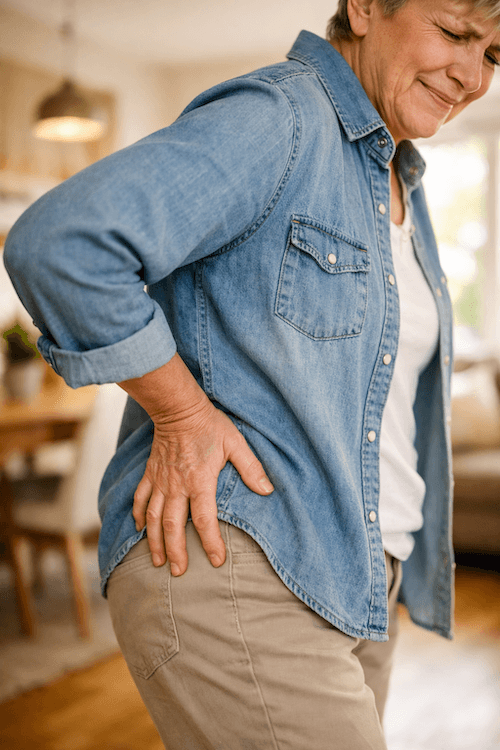
One challenge with gluteus minimus and labral injuries is that they often look and feel similar. Both can cause pain on the outer hip , difficulty moving the leg to the side, and discomfort during activities like climbing stairs or standing for long periods.
However, there are subtle differences. Gluteus minimus injuries often cause tenderness directly over the outer hip and may be sore to the touch near the greater trochanter. Labral tears , on the other hand, tend to cause deeper pain, sometimes accompanied by a catching or clicking sensation inside the hip.
Doctors use a mix of patient history, physical exams, and imaging to figure out the exact cause. MRI (especially with dye, called arthrography) is very effective at detecting labral tears , while ultrasound is helpful for examining the gluteus minimus muscle. It’s also worth noting that gluteus minimus issues often occur alongside problems with the gluteus medius, though they can appear separately as well. Despite advanced imaging, no tool is perfect, so doctors rely on their clinical judgment to make the correct diagnosis . Early, accurate diagnosis is crucial for guiding treatment and preventing further damage.
How Are These Injuries Treated?
Most gluteus minimus and labral injuries are managed first with conservative (non-surgical) treatment. The primary goal is to reduce pain, strengthen supporting muscles , and improve hip stability with physical therapy . This may include hands-on techniques, advice about modifying activities, and methods to reduce inflammation.
Targeted exercises are the foundation of recovery. Moves like side-lying leg lifts, clamshells, and resisted hip abduction (using resistance bands) focus on strengthening the gluteus minimus and medius, which are key to hip stability. Research shows that these strength programs can restore muscle function and reduce symptoms related to labral injuries.
In certain cases, injections—such as corticosteroids or platelet-rich plasma—may be used to reduce inflammation and encourage healing. Surgery is usually considered only if conservative measures fail, or if muscle weakness or persistent pain remains. Surgical options might involve repairing or trimming a torn labrum or fixing the gluteus minimus tendon, depending on the diagnosis. After surgery, rehabilitation follows a step-by-step approach to safely rebuild strength and function.
Conclusion
The gluteus minimus and acetabular labrum work in tandem to ensure hip stability and smooth, pain-free movement. When the gluteus minimus is weakened or injured, the risk of labral tears increases—underscoring the importance of properly diagnosing and treating both muscle and joint issues. Personalized rehabilitation that focuses on strengthening the gluteus minimus and improving hip stability is vital for recovery and long- term joint health . Ongoing research promises new insights and more effective treatments for these intricate conditions. Understanding the connection between these crucial structures is key to managing hip pain and keeping you moving with ease.
References
Hoffman, D. F., Sellon, J. L., Moore, B. J., & Smith, J. (2019). Sonoanatomy and Pathology of the Gluteus Minimus Tendon. Journal of Ultrasound in Medicine, 39(4), 647-657. https://doi.org/10.1002/jum.15156
Beck, M., Sledge, J. B., Gautier, E. L., Dora, C., & Ganz, R. (2000). The anatomy and function of the gluteus minimus muscle. The Journal of Bone and Joint Surgery. British Volume, 82(3), 358-363.
Frequently Asked Questions
- London Cartilage Clinic offers advanced, personalised treatment for hip conditions. Prof Lee is an experienced orthopaedic surgeon, renowned for his expertise in managing hip injuries. Patients benefit from his in-depth knowledge, state-of-the-art diagnostic tools, and commitment to delivering tailored rehabilitation programmes for optimal recovery and long-term joint health.
- Patients typically experience pain in the outer hip, restricted movement, or discomfort during activities. Gluteus minimus injuries often cause localised tenderness, while labral tears may create deeper pain with occasional catching or clicking sensations. At London Cartilage Clinic, Prof Lee combines thorough examination and advanced imaging to provide an accurate, timely diagnosis.
- Initial treatment at London Cartilage Clinic focuses on non-surgical options, including bespoke physical therapy programmes, targeted strengthening exercises, and activity modifications. Prof Lee also offers guided injections, such as corticosteroids or platelet-rich plasma, to reduce inflammation and promote healing, ensuring patients receive the most suitable treatment plan for their needs.
- Surgery is considered only if conservative measures fail or symptoms persist. Prof Lee skilfully performs minimally invasive procedures to repair or reconstruct damaged structures. London Cartilage Clinic provides expert post-surgical rehabilitation, ensuring step-by-step recovery that emphasises strength, hip stability, and a safe return to daily activities or sport.
- Early diagnosis at London Cartilage Clinic prevents worsening of hip conditions and supports quicker recovery. Prof Lee employs advanced imaging and clinical expertise to identify the exact cause of pain. Prompt, precise diagnosis ensures patients receive the correct treatment, reducing the risk of further damage and promoting long-term joint health.
Next steps
Where to go from here
These routes are selected from the topic and purpose of this article. They are guidance, not a diagnosis or treatment recommendation.
Learn more
Explore treatment options
Use a structured overview to narrow down the most useful next step for your situation.
Talk to the team
Book a free discovery call
A non-medical call with the team to understand services and choose the right booking route.
Legal & Medical Disclaimer
This article is published by London Cartilage Clinic for general information and education only. It does not constitute medical advice, diagnosis, or treatment.
Always seek personalised advice from a qualified healthcare professional before making decisions about your health. London Cartilage Clinic accepts no responsibility for errors, omissions, third-party content, or any loss, damage, or injury arising from reliance on this material.
If you believe this article contains inaccurate or infringing content, please contact us at [email protected].


