




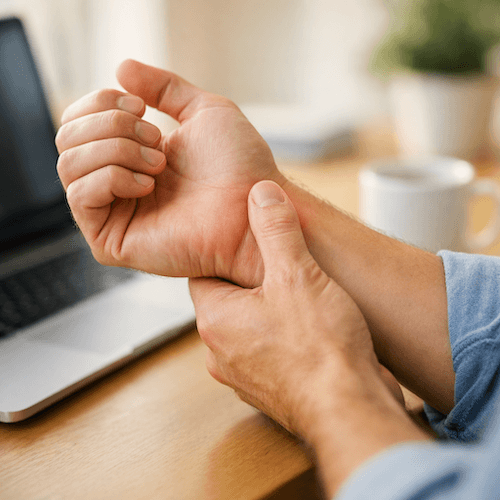




Hip and Knee Pain Connections Causes and Relief Strategies
Introduction
Pain affecting both the hip and knee at the same time is a common and often frustrating problem. This kind of discomfort can interfere with everyday activities like walking or climbing stairs, and it can even disturb your sleep, affecting your overall quality of life. Understanding why hip and knee pain often occur together is essential for finding the right treatment. In this article, we’ll explore the links between these two joints, discuss common causes, and offer practical advice on how to manage the pain. We will also highlight when it’s time to seek professional help, drawing on the expertise of Professor Paul Lee and the London Cartilage Clinic, both respected names in orthopaedic care.
Understanding the Link Between Hip and Knee Pain
The hip and knee joints are closely connected in both structure and function. Together, they carry your body weight and enable smooth movement. Because of their close relationship, an issue in the hip often affects the knee, and vice versa. For example, if your hip is painful or stiff, you might change the way you walk, which can put extra strain on your knee. This is called a compensatory movement. Nerves can also play a role, as pain in the hip may be felt as discomfort in the knee — a phenomenon known as referred pain. For instance, you might experience shooting pain down from the left hip to the left knee. Pinpointing the exact cause of pain is important, especially since more serious issues like infections or tumours can cause persistent night pain. That’s why a thorough medical assessment is essential.
Common Causes of Hip and Knee Pain Together
Several conditions can cause pain in both the hip and knee at once. Osteoarthritis is one of the most common reasons—it leads to the breakdown of cartilage, causing joint inflammation and stiffness. Other causes include bursitis (inflammation of the cushioning fluid sacs in the joints), ligament injuries, and overuse from repeated strain or sudden injury, even when no specific accident is remembered. Many people describe sudden sharp pains or worsening hip and knee pain at night, and sometimes these symptoms appear without any clear cause—particularly in women or during sleep. In busy healthcare settings, multidisciplinary teamwork can improve outcomes; as one study states, “chiropractors and allied health professionals working together in a multidisciplinary environment [can help] where workforce demands are high.” Whatever the cause, it’s important to get a professional assessment to ensure the best treatment.
Relieving Hip and Knee Pain: Effective Strategies
There are many practical steps you can take at home to ease hip and knee pain. Gentle stretching and low-impact activities such as swimming or cycling help keep joints flexible and strengthen muscles without causing further strain. When it comes to sleeping, positioning matters—a good tip is to lie on your unaffected side with a pillow between your knees to reduce pressure on painful joints. Using supportive pillows and a comfortable mattress also makes a difference. However, if pain continues or worsens despite these measures, it’s time to seek expert advice. Professor Paul Lee, known for his cartilage expertise and leadership at the London Cartilage Clinic, works with a team of specialists to offer personalised care for complex hip and knee problems. Collaborative approaches are becoming the norm; research shows that “physiotherapists working with chiropractors produce similar outcomes within a musculoskeletal lower limb triage service.” Moreover, effective pain control often requires “many different methods working together in a synergistic way,” involving a skilled interdisciplinary team.
When to Seek Medical Advice
Some symptoms should never be ignored and require prompt medical attention. These include sudden severe pain, constant night pain that interrupts sleep, pain travelling down the leg to the foot, or difficulty walking and putting weight on the leg. If you notice swelling, redness, fever, unexplained weight loss, or have concerns about cancer, make sure to see a doctor right away. Early diagnosis and treatment can prevent further damage and improve recovery. It's also worth noting that recovery from hip and knee surgery can differ. For example, patients who have had total knee replacement often experience a greater drop in strength and function early on than those who had hip replacement. As researchers explain, “the TKA group showed a greater decline in climbing stairs, timed-up-and-go, and 6-min walk distance” compared to hip surgery patients, and their recovery patterns were different. Knowing these differences helps healthcare professionals tailor rehabilitation after surgery. The experienced team at London Cartilage Clinic, led by Professor Lee, provides comprehensive support and personalised care. Always consult a qualified healthcare professional for individual advice.
By understanding how hip and knee pain are linked, knowing common causes, and practising effective pain relief strategies, you can take positive steps towards better joint health. Remember, persistent or severe pain should always be assessed by a professional to ensure safe and effective treatment.
References
- Langridge, N., Dasser, R., & Atwell, T. (2024). A hip and knee orthopaedic specialist triage service evaluation: comparing physiotherapists and chiropractors in an NHS pathway. International Journal of Advanced Practice. https://doi.org/10.12968/ijap.2024.0010
- Warren, K., Froehlich, M., & Feldman, D. L. (2019). The role multimodal pain management plays with successful total knee and hip arthroplasty. The Journal of Geriatric Rehabilitation. https://doi.org/10.1097/TGR.0000000000000215
- Judd, D., Wolfe, P., LeDoux, C. V., Hogan, C., Dayton, M., & Stevens-Lapsley, J. (2019). Trajectories of functional performance and muscle strength recovery differ after total knee and total hip replacement: a performance-based, longitudinal study. Muscle and Nerve Rehabilitation Research. https://doi.org/10.1097/MRR.0000000000000344
Frequently Asked Questions
- Hip and knee pain frequently occur together because the joints share structural and functional connections. A problem in one can easily affect the other, emphasising the importance of professional evaluation—an approach championed by Prof Lee at the London Cartilage Clinic.
- Osteoarthritis is a leading cause, but bursitis, ligament injuries, and overuse can also trigger pain in both joints. Prof Lee and the London Cartilage Clinic specialise in expertly diagnosing and managing such complex musculoskeletal issues to help patients regain quality of life.
- Gentle stretching, swimming, and using supportive pillows can offer relief. Prof Lee recommends individualised assessments for ongoing pain, with the London Cartilage Clinic providing tailored expert care when standard self-management strategies do not suffice.
- Seek immediate medical advice for severe pain, persistent night pain, swelling, fever, or difficulty walking. Prof Lee’s team at the London Cartilage Clinic is committed to thorough evaluation and offers high-quality support for complex or urgent musculoskeletal concerns.
- London Cartilage Clinic, led by cartilage expert Prof Paul Lee, offers multidisciplinary, personalised musculoskeletal care. Prof Lee’s extensive experience and respected surgical roles ensure patients benefit from advanced techniques and comprehensive support during their treatment journey.
Next steps
Where to go from here
These routes are selected from the topic and purpose of this article. They are guidance, not a diagnosis or treatment recommendation.
Learn more
Explore treatment options
Use a structured overview to narrow down the most useful next step for your situation.
Talk to the team
Book a free discovery call
A non-medical call with the team to understand services and choose the right booking route.
Legal & Medical Disclaimer
This article is published by London Cartilage Clinic for general information and education only. It does not constitute medical advice, diagnosis, or treatment.
Always seek personalised advice from a qualified healthcare professional before making decisions about your health. London Cartilage Clinic accepts no responsibility for errors, omissions, third-party content, or any loss, damage, or injury arising from reliance on this material.
If you believe this article contains inaccurate or infringing content, please contact us at [email protected].


