



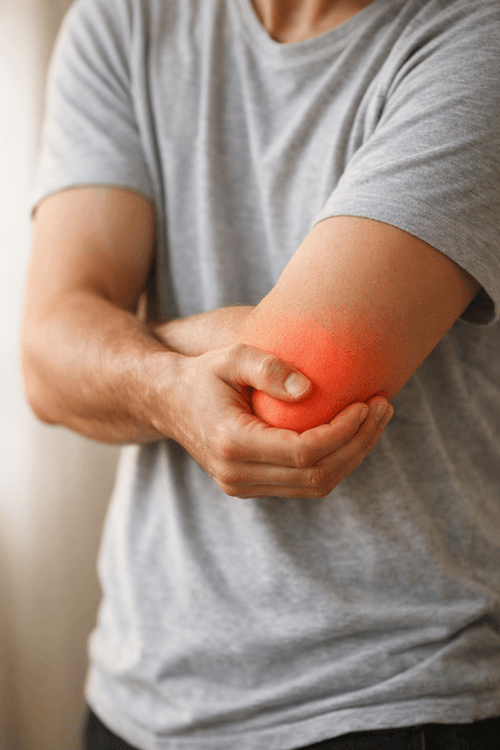

Effective Recovery from a Torn Shoulder Labrum Without Surgery: Your Guide to Conservative Rehabilitation
Introduction
A torn shoulder labrum can cause persistent pain and make it challenging to move your arm comfortably. If you’re wondering whether a torn labrum can heal on its own—and hoping to avoid surgery—you’re not alone. The good news is, many people see significant improvement with the right non-surgical treatments. This article walks you through a step-by-step approach to healing your shoulder , drawing on the latest medical research and expert recommendations.
What Is the Shoulder Labrum and How Does It Get Torn?
The shoulder labrum is a ring of tough, flexible cartilage that lines the edge of your shoulder socket . Think of it like the rubber seal on a jar—it keeps the ball of your upper arm bone securely in place, while also providing anchor points for ligaments that stabilize your shoulder joint.
Labral tears can result from sudden injuries (like falls or sports accidents), repetitive overhead movements (common in baseball or swimming), or gradual wear and tear as we age. If your labrum is torn, you might feel pain deep in your shoulder , experience catching or locking sensations , or notice limited arm movement. The size and location of the tear play a big role in how well it heals and whether surgery is necessary. Partial or smaller tears often respond well to non-surgical care, while larger or complex tears might require surgical repair.
Most labral tears happen at the front or lower front of the shoulder socket, which affects how they’re treated and their potential for healing. Tears also change the way forces act on your shoulder joint, which can lead to further issues over time if not managed with care. That’s why early attention is so important—it’s much easier to treat a tear before it leads to larger joint problems.
The shoulder’s unique structure allows for incredible range of motion, but this also makes it more prone to instability and injuries like labrum tears. Keeping the balance between movement and stability is key, and addressing labral injuries early on can help you maintain that balance.
What Is Conservative Rehabilitation?
Conservative rehabilitation is a way to treat a torn labrum without surgery. Instead, the focus is on reducing pain, improving movement, and strengthening the muscles that support your shoulder—primarily through physical therapy and targeted lifestyle changes. This approach typically follows a series of phases to ensure your shoulder heals steadily and safely.
Studies show that many people recover well from labral tears with conservative rehab, often avoiding the risks and long recovery times associated with surgery. However, effective rehabilitation isn’t one-size-fits-all. Your plan should be tailored to the type and location of your tear, and it also needs to address surrounding structures like your rotator cuff and biceps tendon for the best outcomes.
Early and consistent rehab is vital. Left untreated, a torn labrum can change how stress moves through your shoulder, which may lead to early arthritis and more complex issues. That’s why addressing the injury promptly and thoroughly is so important.
Phase 1: Managing Pain and Understanding Your Injury
The first step is to control pain and reduce swelling. This might include ice packs, anti-inflammatory medications, and gentle, pain-free movements to prevent your shoulder from getting stiff .
Education is also crucial at this stage. You’ll learn how to protect your shoulder, improve your posture, and avoid movements that could make things worse. Knowing how your injury affects you—and how to care for it—puts you in control and prepares you for the next steps in your recovery.
Phase 2: Regaining Movement and Building Strength
As your pain eases, the focus shifts to restoring your shoulder’s range of motion and reacquainting the muscles that help keep your joint stable. A physical therapist will guide you through stretches to loosen tight tissues and strengthening routines to target key areas like the rotator cuff and shoulder blade stabilizers.
Certain exercises specifically target labral tear sites, like the common “ SLAP ” tear near the top of the socket. When done correctly, these exercises not only reduce pain and improve movement but also help prevent future injuries. Research consistently shows that regaining muscle strength is a major factor in a successful, long-lasting recovery.
Phase 3: Advanced Training and Returning to Daily Life
Once basic strength and movement are restored, you’ll move on to more advanced exercises that challenge your coordination, endurance, and overall shoulder function—helping you get back to daily activities or even sports.
This phase is about gradual progression, increasing the load on your shoulder safely and avoiding re-injury. A well-structured plan pays off in the long run: people who complete all phases of rehab have better outcomes and fewer setbacks down the road.
Should You Choose Conservative Rehab or Surgery?
While some large or complicated labrum tears (especially those causing significant instability) do require surgery, many people do very well with nonsurgical rehabilitation—especially if the tear is smaller or the joint is otherwise stable.
Non-surgical treatments typically mean fewer risks, less discomfort, and faster recovery overall. However, the best choice depends on the specific nature of your injury , your symptoms, and your lifestyle needs. Always consult with a healthcare professional to make a plan that’s right for you.
Tips for Keeping Your Shoulder Healthy Long-Term
Good shoulder health is an ongoing commitment. To protect yourself from future issues:
- Stick with your rehab exercise program, even after you feel better.
- Check in periodically with your therapist or doctor to monitor progress.
- Maintain good posture and be mindful of repetitive, overhead movements.
- Continue strengthening and stretching exercises as part of your fitness routine.
Developing these habits will help keep your shoulder strong and flexible, reducing your risk of new injuries for years to come.
Conclusion
For many people, recovering from a torn shoulder labrum without surgery is entirely possible through a well-structured, research-supported rehab program. By focusing first on pain relief , then on restoring movement and strength, and finally on returning to full, active living, you can regain shoulder stability and function.
Every injury is unique, so it’s vital to work with healthcare professionals who can customize a plan for you. If you’re facing a torn labrum , conservative rehabilitation is often an effective first choice—the path to a pain-free, active life without the need for surgery.
References
Dorrell, J. H., & Catterall, A. (1986). The torn acetabular labrum. Journal of Bone and Joint Surgery. British Volume, 68-B(3), 400-403. https://doi.org/10.1302/0301-620x.68b3.3733805
Sánchez‐Sotelo, J. (2018). Shoulder instability and the labrum. In (pp. 171-214). Oxford University Press. https://doi.org/10.1093/med/9780190602765.003.0007
Trung, D. T., Huu, M. N., Trung, T. N., Trung, H. P., & Tu, N. V. (2017). Arthroscopic morphology of labrum tear in recurrent anterior dislocation of shoulder. Journal of Surgery and Surgical Research, 3(2), 057-060. https://doi.org/10.17352/2455-2968.000048
Next steps
Where to go from here
These routes are selected from the topic and purpose of this article. They are guidance, not a diagnosis or treatment recommendation.
Recovery route
Explore recovery guidance
Continue with practical recovery and patient-journey information.
Learn more
Explore treatment options
Use a structured overview to narrow down the most useful next step for your situation.
Talk to the team
Book a free discovery call
A non-medical call with the team to understand services and choose the right booking route.
Legal & Medical Disclaimer
This article is published by London Cartilage Clinic for general information and education only. It does not constitute medical advice, diagnosis, or treatment.
Always seek personalised advice from a qualified healthcare professional before making decisions about your health. London Cartilage Clinic accepts no responsibility for errors, omissions, third-party content, or any loss, damage, or injury arising from reliance on this material.
If you believe this article contains inaccurate or infringing content, please contact us at [email protected].


