







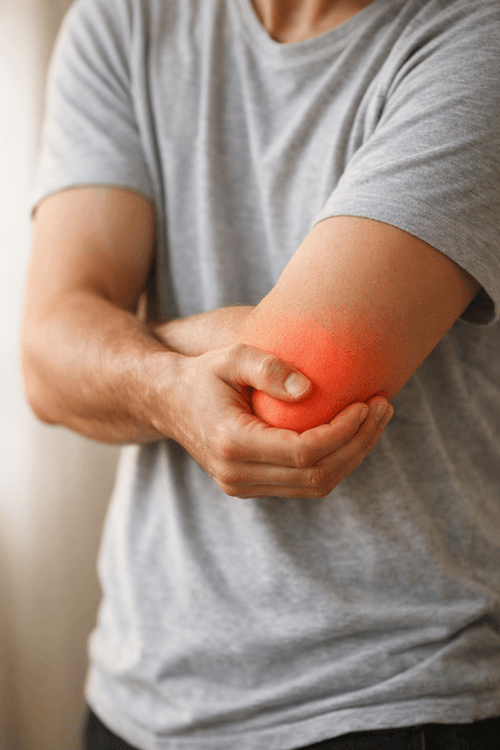

Regenerative Breakthroughs in Treating Ankle Cartilage Damage: A Focus on Orthobiological Therapies
Introduction
Ankle cartilage damage is a common issue that can make everyday movement uncomfortable and limit participation in daily activities. Cartilage is the smooth, flexible tissue covering the ends of bones in joints, allowing for pain-free, frictionless motion. When cartilage is injured—whether from trauma, wear and tear, or arthritis—people often experience ongoing discomfort and stiffness. Thankfully, regenerative medicine is bringing new hope to those affected. Orthobiological therapies, which harness the body’s own ability to heal, are emerging as promising solutions for repairing damaged ankle cartilage . In this article, we’ll explore these innovative treatments and what they could mean for patients in the future.
Understanding the Ankle and Cartilage Damage
The ankle is a sophisticated joint made up of bones, ligaments, tendons , and cartilage. Articular cartilage, in particular, acts as a cushion, ensuring smooth movement between bones. Unlike many other tissues, cartilage has little to no blood supply, which makes it difficult to heal on its own after injury . Damage can happen suddenly—after a sprain or fracture—or build up slowly from repeated stress or conditions like osteoarthritis. Knowing a bit about the ankle ’s structure and why cartilage has a hard time healing helps us understand why advanced treatments are so necessary.
Why Traditional Treatments Fall Short
When cartilage is damaged, the problem goes beyond just physical wear and tear. The cells within cartilage can begin to behave abnormally, and inflammation may worsen the situation. Traditional treatments mostly aim to alleviate symptoms rather than fix the root cause. These options include pain medications, physical therapy , and surgeries like microfracture (a technique where small holes are drilled in bone to stimulate new cartilage growth). Unfortunately, these interventions rarely restore the cartilage to its original quality or function. Many patients continue to experience pain and reduced mobility, and some eventually require joint replacement surgeries —a far more involved and risky process. Studies also show that cartilage damage can gradually worsen if not properly addressed. Even procedures like arthroscopic microfracture, while showing more effectiveness than some traditional surgeries, may not offer a complete solution.
Next steps
Where to go from here
These routes are selected from the topic and purpose of this article. They are guidance, not a diagnosis or treatment recommendation.
Recovery route
Explore cartilage damage recovery
Talk to the team
Book a free discovery call
The Promise of Orthobiological Therapies
Orthobiological therapies represent a groundbreaking shift by focusing on the body’s natural ability to repair itself. These treatments use biological substances such as stem cells , platelet-rich plasma (PRP), and growth factors to promote healing and regeneration of cartilage . For instance, stem cells can develop into new cartilage cells, helping to rebuild damaged areas, while PRP uses a concentration of the patient’s own platelets to deliver healing proteins directly to the injury site. Clinical studies have reported encouraging outcomes, including better cartilage quality, reduced pain, and improved joint function. While research in this area is still growing, these therapies could provide more natural and longer-lasting results than conventional methods. Early findings suggest that patients receiving these regenerative treatments experience less pain and higher quality of life compared to those undergoing traditional care, which highlights the importance of timely intervention.
What This Means for Patients and the Future
For people dealing with ankle cartilage damage , orthobiological therapies may offer faster recovery, better long-term function, and a greater chance of avoiding major surgeries like joint replacements . These advanced treatments also tend to be less invasive, leading to shorter downtime and fewer risks. Although more research is needed to refine these approaches and ensure consistent results, the future looks bright. Integrating regenerative techniques into regular clinical practice has the potential to change how ankle injuries are managed, giving patients more options for lasting relief and an improved quality of life.
Conclusion
Treating ankle cartilage damage has always been a challenge, mainly because the tissue heals slowly and traditional treatments have notable limitations. Orthobiological therapies, by using the body’s own healing abilities, offer an exciting new direction for cartilage repair and regeneration. As research progresses, these advances may soon make it possible for many patients to return to active, pain-free lives—providing hope where options were once limited.
References
- Dahmen, J., Karlsson, J., Stufkens, S. A. S., & Kerkhoffs, G. M. M. J. (2021). The ankle cartilage cascade: incremental cartilage damage in the ankle joint. Knee Surgery Sports Traumatology Arthroscopy, 29(11), 3503-3507. https://doi.org/10.1007/s00167-021-06755-w
- Moon, J.-S., Shim, J. C., Suh, J.-S., & Lee, W.-C. (2010). Radiographic predictability of cartilage damage in medial ankle osteoarthritis. Clinical Orthopaedics and Related Research, 468(8), 2188–2197. https://doi.org/10.1007/s11999-010-1352-2
- Li, Z. (2024). The Effect of Arthroscopic Microfracture in the Treatment of Ankle Osteoarthritis Combined with Cartilage Damage. Bone and Arthrosurgery Science, 2(1), 60-65. https://doi.org/10.26689/bas.v2i1.6332
Frequently Asked Questions
- The London Cartilage Clinic is renowned for its expertise in advanced orthobiological therapies to treat ankle cartilage damage. Led by Professor Lee, our team offers the latest regenerative medicine techniques, aiming to restore joint health and improve mobility using minimally invasive solutions tailored to individual needs.
- Professor Lee is a leading specialist in cartilage repair and regenerative medicine. With extensive experience and a commitment to innovative, patient-centred care, he has helped many individuals regain mobility and reduce discomfort, making him a trusted expert in the field of orthobiological therapies.
- Orthobiological therapies use substances like stem cells and platelet-rich plasma to stimulate the body’s natural healing, directly targeting damaged cartilage. Unlike traditional treatments, which often focus on symptom management alone, these regenerative approaches seek to improve tissue quality and function, offering modern alternatives for suitable patients.
- At the London Cartilage Clinic, you will receive a personalised assessment and a tailored treatment plan. Procedures generally involve using your body’s own biological materials, such as PRP or stem cells, and are usually less invasive than traditional surgeries, promoting quicker recovery and reduced downtime. All treatments are guided by Professor Lee’s expertise.
- Orthobiological treatments may not be appropriate for every patient, as suitability depends on factors like age, overall health, and the extent of cartilage damage. A detailed evaluation at the London Cartilage Clinic is necessary, where Professor Lee will discuss your individual needs and the most suitable options for your ankle condition.
Next steps
Where to go from here
These routes are selected from the topic and purpose of this article. They are guidance, not a diagnosis or treatment recommendation.
Recovery route
Explore cartilage damage recovery
Continue with practical recovery and patient-journey information.
Talk to the team
Book a free discovery call
A non-medical call with the team to understand services and choose the right booking route.
Legal & Medical Disclaimer
This article is published by London Cartilage Clinic for general information and education only. It does not constitute medical advice, diagnosis, or treatment.
Always seek personalised advice from a qualified healthcare professional before making decisions about your health. London Cartilage Clinic accepts no responsibility for errors, omissions, third-party content, or any loss, damage, or injury arising from reliance on this material.
If you believe this article contains inaccurate or infringing content, please contact us at [email protected].


