






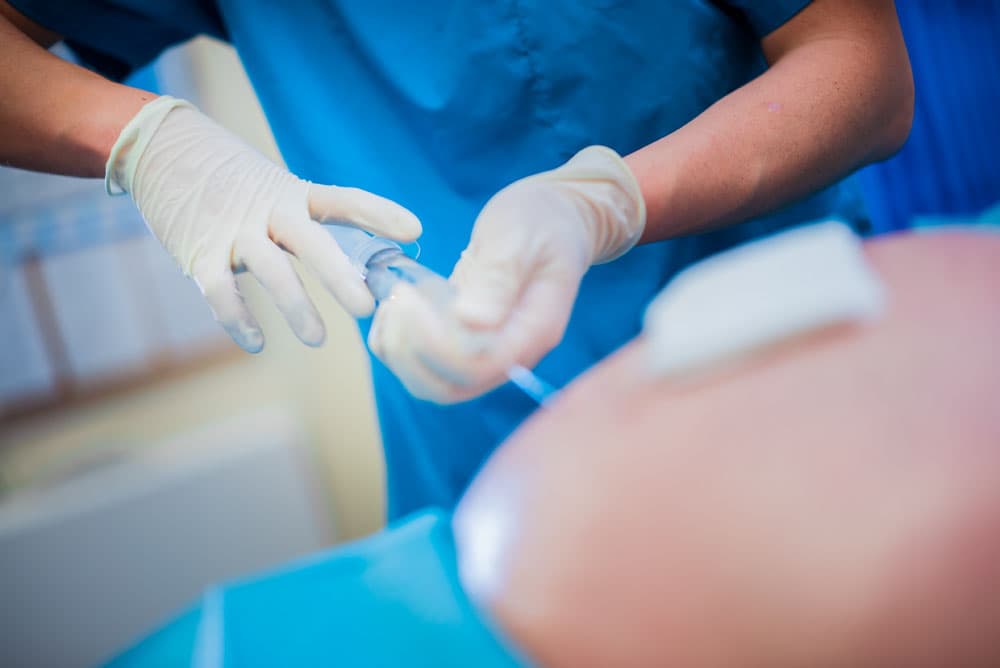


Sterile injection preparation in a blue clinical setting

Lipogems

From £5,800
View Price List

Guide price only. Final cost is confirmed after assessment.

Lipogems are a revolutionary new treatment in the world of regenerative medicine for treating orthopaedic conditions. It works by taking fat tissue from your body and processing it into a unique substance with your natural repair cells. This is then injected into the affected area to enhance healing and provide support within the joint. Book a consultation with one of our specialists to discuss Lipogems for your specific needs.

How Lipogems works from harvest to injection

Lipogems is an outpatient regenerative procedure that uses your own adipose tissue to create an injectable biological product for painful joints.

  • Fat tissue is harvested under local anaesthetic.
  • Processing removes unwanted components while preserving regenerative elements.
  • Prepared Lipogems is injected into the target area using image guidance.

Because the treatment is autologous, biocompatibility is typically high and recovery is usually quicker than many surgical alternatives.

Benefits of Lipogems at London Cartilage Clinic

Lipogems is often selected by patients who want a minimally invasive pathway for osteoarthritis or soft-tissue related joint pain.

  • Single-session outpatient treatment in most cases.
  • Local anaesthetic approach with limited procedural downtime.
  • Supports natural repair signalling from your own biological tissue.
  • May delay or reduce need for more invasive surgery in selected patients.

At London Cartilage Clinic, every Lipogems plan is customised using specialist assessment to ensure the treatment matches your diagnosis, symptom pattern, and activity goals.

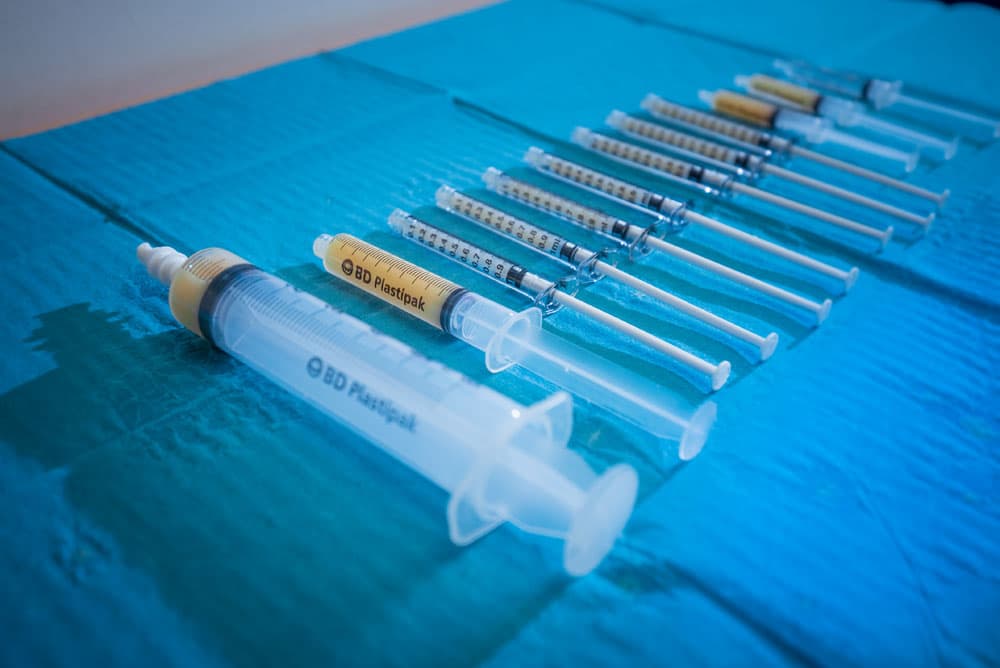
Syringes arranged on sterile blue drape
consulting-in-office-with-pen

Frequently Asked Questions

Who is suitable for Lipogems?

Lipogems can be a highly beneficial treatment for individuals who are suffering with osteoarthritis, have had a sports-related injury, or have other issues that are affecting their ligaments, tendons, and muscles. Lipogems for knees is particularly common with impressive results being generated from the use of Lipogems to treat knee injuries and conditions.

What is the aftercare like for Lipogems?

It’s normal to experience some swelling and soreness following your Lipogem injection. This should subside fairly quickly but can be managed with painkillers and rest in the meantime. You should start to see improvements to your symptoms between two and eight weeks, but exact results will vary depending on the severity of the injury or condition being treated and how the patient’s body responds.

Are there alternative treatments to Lipogems?

There are other treatment options available for joint pain, conditions and injuries including alternative injections like PRP injections, stem cell therapy, and Arthrosamid. These minimally invasive procedures are some of the best ways to avoid more serious surgeries like a full knee or hip replacement.

What is in a Lipogem injection?

Lipogems are created from fat tissue which is extracted from the patient having the injection. Unwanted elements are then removed from the fat to allow the substance to facilitate healing.

Are Lipogems safe?

Yes. In fact, these injections have an extremely low chance of causing complication as they are formulated cells from the patient’s own body. There can be a possibility of an allergic reaction to the local anaesthetic issued during the procedure.

What can Lipogems be used to treat?

There are a wide range of conditions and injuries that can be treated using Lipogems injections. This includes joint pain, arthritis, carpal tunnel, rotator cuff injuries, and other degenerative bone diseases.

Still have more specific concerns?

Free Discovery Call

London Cartilage Clinic

Latest Insights

Clinical updates, cartilage treatment guidance, and recovery-focused articles from our specialist team.

Nutrition Strategies for Strengthening Knee Cartilage
John Davies

Nutrition Strategies for Strengthening Knee Cartilage

Discover how nutrition supports knee cartilage health, as explained by Professor Paul Lee of the London Cartilage Clinic. Learn which foods—like fatty fish, turmeric, and vitamin C-rich fruits—can strengthen cartilage and reduce inflammation. Avoid processed sugars and trans fats that harm joints. Practical meal tips help incorporate these nutrients into daily life. While diet aids joint comfort and resilience, it works best combined with exercise and medical advice. Embrace balanced eating and expert guidance for healthier, more comfortable knees.

ChondroFiller Minimally Invasive Cartilage Repair Benefits and Patient Suitability
John Davies

ChondroFiller Minimally Invasive Cartilage Repair Benefits and Patient Suitability

ChondroFiller is a minimally invasive, keyhole surgery technique that repairs cartilage damage by injecting a collagen gel directly into the affected area. Suitable for patients with small to medium cartilage lesions, it promotes natural cartilage regeneration with less pain and faster recovery compared to traditional surgeries. The procedure involves arthroscopic guidance for precise gel placement, minimizing tissue damage and complications. Clinical studies report high patient satisfaction, improved joint function, and lasting benefits. Recovery typically includes tailored rehabilitation with reduced pain and a quicker return to activity. ChondroFiller offers a safe, effective alternative for cartilage repair, emphasizing simplicity and rapid healing. Consultation with healthcare professionals is essential to determine candidacy and ensure optimal outcomes.

The Link Between Segond Fracture and ACL Tears in Diagnosis and Treatment
John Davies

The Link Between Segond Fracture and ACL Tears in Diagnosis and Treatment

Explore the critical connection between Segond fractures and anterior cruciate ligament (ACL) tears, common yet often intertwined knee injuries especially among athletes. This article highlights how the Segond fracture—a small tibial bone break—serves as a key indicator of ACL damage. Advances in MRI and CT imaging aid in early and accurate diagnosis, leading to more comprehensive treatment strategies that address both bone and ligament injuries. Understanding this relationship improves patient outcomes, enhancing knee stability and function. Future research aims to refine detection and develop minimally invasive surgical techniques, helping patients recover faster and return to active lifestyles confidently.