





Introduction
Meniscus tears are among the most common knee injuries and can affect people of all ages — especially those who are active in sports or experience gradual wear and tear. These injuries might happen suddenly or develop slowly over time, and if left untreated, they can worsen, leading to more serious knee problems. Many people understandably worry when they notice symptoms like increased joint pain, swelling, or the knee locking up. This article is designed to help you understand the key warning signs that your meniscus tear might be getting worse, so you can take timely, effective action to protect your knee health.
Recognising the Key Symptoms of a Worsening Meniscus Tear
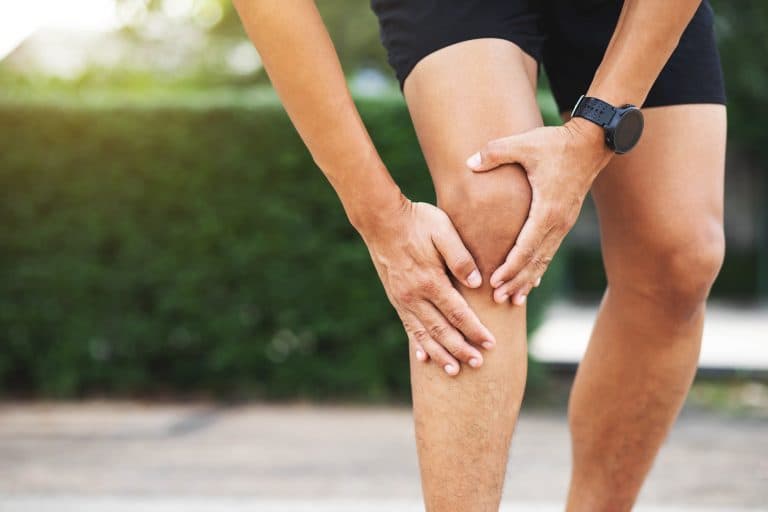
It’s important to keep a close eye on any changes in your symptoms. Persistent or increasing pain — whether during activity or even while resting — is often a sign that the injury is progressing, particularly in cases of progressive knee pain meniscus issues. Swelling and stiffness that come and go, or gradually worsen, also suggest ongoing inflammation or damage. One key symptom to watch out for is a feeling of your knee locking, catching, or giving way — sometimes called knee locking torn meniscus. This can seriously limit your movement and day-to-day activities. Additionally, any noticeable reduction in how far you can bend or straighten your knee, or visible changes in the knee’s shape, should not be ignored. Keeping track of these changes can help you spot when the injury may be worsening.
Why Early Recognition Matters — Risks of Ignoring or Overusing a Torn Meniscus
If a meniscus tear is ignored or your knee is overused, the damage can quickly get worse. Activities like too much walking, running, or not resting enough can aggravate the injury. Over time, this can lead to persistent pain, limited movement, and even damage to the cartilage, which increases the risk of developing osteoarthritis. One recent study found that “patients with degenerative meniscal tears who undergo either IACI or APM treatment exhibit more pronounced progression of knee osteoarthritis compared to those in the non-treatment group” (Zhang et al., 2025). Another factor to consider is limb alignment — “Preoperative MME is a risk factor for varus progression” (Yoon et al., 2024), which can further strain the joint. Moreover, “preoperative SIFK in patients with an MMPRT was associated with knee OA progression” (Chen et al., 2023). Recognising these warning signs early and tracking symptoms carefully allows you to adjust your activity and seek care before serious complications develop.
Home Monitoring and When Rest Is Not Enough
At home, managing a meniscus tear usually starts with rest and modifying activities that cause pain or swelling. Using ice, elevating the leg, and avoiding aggravating movements can help ease symptoms. Keeping a diary of your pain levels, swelling episodes, and how well your knee moves can be very useful. However, rest alone won’t always be enough. If pain or swelling gets worse, or you start struggling with everyday tasks like walking or bending your knee, it’s time to see a healthcare professional. Encouragingly, one study reports “no differences in patient-reported outcomes were observed at 2-year follow-up, even in the group with greater varus progression” (Yoon et al., 2024). Still, ongoing monitoring and medical advice remain important.
When to Seek Professional Help — Clear Signs That You Need Medical Evaluation
You should seek medical advice if your symptoms persist or suddenly worsen, or if you notice your knee feels unstable, locks frequently, or you can’t bear weight on it. Significant or recurring swelling is another red flag. Orthopaedic specialists are experts at diagnosing meniscus tears and often use imaging like MRI scans to get a clear picture of your injury. Professor Paul Lee, a respected orthopaedic surgeon at the London Cartilage Clinic, highlights the importance of early professional assessment, which can improve recovery outcomes. His clinic provides a supportive, professional setting with honest advice tailored to your specific needs — all without unrealistic promises.
Conclusion and Preventive Strategies
To sum up, warning signs that your meniscus tear may be worsening include increasing pain, swelling, knee locking, and reduced movement. Being aware of these symptoms and acting promptly can help protect your joint from long-term damage. Research also points out that body weight plays a crucial role, with “this form of deterioration mainly driven by BMI” (Zhang et al., 2025). Additionally, bony injuries such as subchondral insufficiency fractures “are positively correlated with knee OA progression” (Chen et al., 2023). Protect your knee by pacing your activities, following guided strengthening exercises, and listening carefully to your body. Regular self-monitoring supports early detection of issues, while professional care offers the best chance of a successful recovery. For personalised medical advice, always consult a qualified healthcare professional.
References
- Zhang, H., Zhao, Z., Zhou, F., & Liu, X. (2025). Evaluation of radiographic knee OA progression after arthroscopic meniscectomy compared with IACI for degenerative meniscus tear. Scientific Reports. https://doi.org/10.1038/s41598-025-95649-9
- Yoon, K., Bae, B. S., Ahn, J., & Hwang, S. (2024). More than 3 mm of preoperative medial meniscal extrusion is identified as a key risk factor for varus progression in limb alignment after arthroscopic repair of medial meniscus posterior root tear. Knee Surgery & Related Research. https://doi.org/10.1002/ksa.12232
- Chen, B.-K., Lin, Y.-C., Liu, Y.-H., Weng, P.-W., Chen, K.-H., Chiang, C.-J., & Wong, C.-C. (2023). Correlation between Subchondral Insufficiency Fracture of the Knee and Osteoarthritis Progression in Patients with Medial Meniscus Posterior Root Tear. Diagnostics, 13(23), 3532. https://doi.org/10.3390/diagnostics13233532
Frequently Asked Questions
- Symptoms to watch for include increasing pain, swelling, knee locking, instability, and reduced range of movement. If these signs develop or worsen, seeking early assessment at a specialist clinic like London Cartilage Clinic can be highly beneficial.
- Early professional evaluation by experienced surgeons, such as Professor Paul Lee at London Cartilage Clinic, enables precise diagnosis and tailored advice. Immediate care can help prevent further complications and supports more positive long-term joint health outcomes for patients.
- London Cartilage Clinic, led by Cartilage Expert Professor Paul Lee, provides personal, honest assessments and advanced treatment strategies. Professor Lee’s extensive surgical expertise and ambassadorial roles ensure patients receive professional, up-to-date care in a supportive environment.
- Track your pain levels, swelling, and knee movement daily. Use rest and ice, but if symptoms worsen or daily activities become difficult, timely consultation with a specialist, like those at London Cartilage Clinic, is recommended for individualised guidance.
- Carrying excess body weight, repeated overuse, and ignoring worsening symptoms can accelerate knee damage. Early intervention and specialist advice, such as from Professor Paul Lee, help manage risks and protect long-term knee health.
Next steps
Where to go from here
These routes are selected from the topic and purpose of this article. They are guidance, not a diagnosis or treatment recommendation.
Learn more
Explore a meniscus tear
Read the reviewed a meniscus tear pathway, including who it may help and what happens next.
Talk to the team
Book a free discovery call
A non-medical call with the team to understand services and choose the right booking route.
Legal & Medical Disclaimer
This article is published by London Cartilage Clinic for general information and education only. It does not constitute medical advice, diagnosis, or treatment.
Always seek personalised advice from a qualified healthcare professional before making decisions about your health. London Cartilage Clinic accepts no responsibility for errors, omissions, third-party content, or any loss, damage, or injury arising from reliance on this material.
If you believe this article contains inaccurate or infringing content, please contact us at [email protected].


