



Understanding and Managing Lower Back Pain Above the Right Hip in Women: A Targeted Diagnostic and Therapeutic Perspective
Introduction
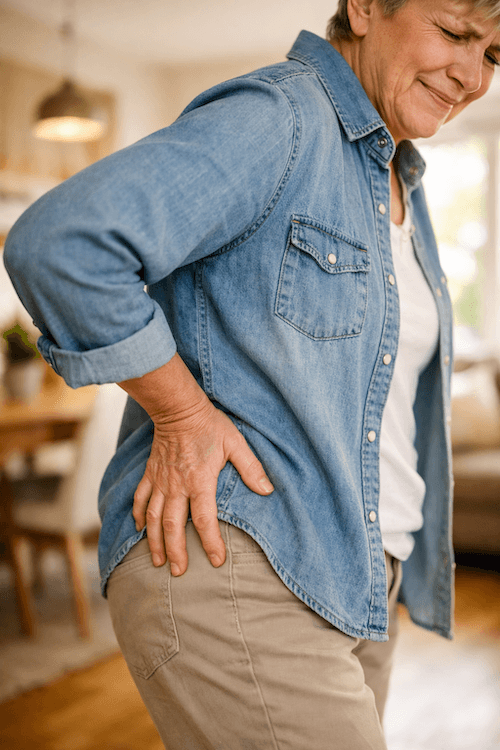
Lower back pain is a common complaint, but when it’s felt specifically above the right hip—especially in women—it can signal unique underlying issues that often require a more focused approach. In this article, we’ll take an in-depth look at this type of pain, exploring the relevant anatomy, how doctors figure out what's going on, and what treatment options are most effective. Often, pain in this precise area results from muscle imbalances or injuries that differ from more generalized back pain. Drawing on recent research and clinical experience, this guide aims to offer clear, practical advice for women dealing with this discomfort, as well as for healthcare professionals looking to better understand and treat it.
Anatomy and Common Causes
To understand pain above the right hip, it helps to get familiar with the structures in the lower back and hip region. The lumbar spine—the lower part of your back—carries much of your body’s weight. It’s supported by various muscles and ligaments, especially around the hip. Two key muscles here are the quadratus lumborum and the iliopsoas. These muscles help stabilize your lower back and pelvis, making them frequent sources of pain when they become tight, weak, or unbalanced.
Women may be particularly susceptible to this type of pain due to repetitive movements , less-than-ideal posture, or muscle imbalances connected to daily routines or work tasks. Hormonal differences also affect ligament flexibility, which may contribute to discomfort. Research suggests that problems like uneven pelvic alignment or altered walking patterns are often involved. Being aware of these factors is the first step toward effective prevention and treatment.
Diagnosis: How Doctors Get to the Root of the Problem
Diagnosing lower back pain above the right hip requires a careful and individualized approach. Your healthcare provider will start by asking about the pain—when it began, how severe it is, and what makes it better or worse. A physical exam comes next, checking your posture, muscle strength, flexibility, and movement to pinpoint the pain’s origin.
Imaging tests, such as MRIs or X-rays, might be ordered to rule out serious issues like slipped discs, arthritis, or fractures. These scans provide detailed images of the bones and soft tissues, helping doctors make a more precise diagnosis . Notably, studies highlight the importance of certain physical findings: differences in hip movement , such as a reduced range of motion during specific types of rotation, may offer important clues during diagnosis (Amoako-Tuffour & Gundogan, 2016; Shori & Raghava, 2022). By combining a thorough clinical assessment with appropriate imaging, doctors can tailor treatment more effectively for each individual.
Treatment and Management
Once the cause of the pain has been identified, several treatment options can help manage and relieve discomfort above the right hip. Common recommendations include anti-inflammatory medications to lessen pain and swelling, and physiotherapy that focuses on strengthening the core and hip muscles , as well as improving posture. Specific exercises targeting the affected muscles can make a significant difference, helping to restore balance and movement .
Some women find additional relief through complementary therapies like acupuncture or chiropractic care, which can supplement standard approaches. Making key changes to your daily routine—such as improving your workspace ergonomics , maintaining good posture throughout the day, and managing stress—can also play a crucial role in recovery. Recent research suggests that targeted exercises, like the right sidelying respiratory left adductor pull back, can be especially effective for those with a tendency to put more weight on the right side (Shori & Raghava, 2022). A well-rounded, individualized approach that combines these strategies tends to provide the best outcomes for women with this specific type of lower back pain .
Conclusion
Lower back pain above the right hip in women is a distinctive problem that calls for a personalized, comprehensive approach. By understanding the specific underlying causes, pursuing a thorough diagnosis , and engaging in a well-structured management plan, it is possible to achieve real relief and improved function. Both patients and healthcare professionals benefit from focusing on what makes this kind of pain unique and working together to address it. Ongoing research continues to enhance our understanding and treatment options, offering hope for even better outcomes in the future. With the right care, women experiencing this pain can look forward to greater comfort, mobility, and quality of life.
References
Amoako-Tuffour, Y., & Gundogan, M. (2016). A 12-year-old girl with right-sided hip pain. Dalhousie Medical Journal, 42(2), 12-14. https://doi.org/10.15273/dmj.vol42no2.6677
Kishi, S., & Morikita, I. (2009). Range of Motion of Hip Joints of Male University Kendo Practitioners with Lower Back Pain. Journal of Physical Therapy Science, 21(3), 253-256. https://doi.org/10.1589/jpts.21.253
Shori, G., & Raghava, S. (2022). Effects of right sidelying respiratory left adductor pull back exercise on improving hip biomechanics in participants with a tendency to stand on right side. Iranian Rehabilitation Journal, 20(2), 171-184. https://doi.org/10.32598/irj.20.2.1258.1
Frequently Asked Questions
- Lower back pain above the right hip often involves specific muscle imbalances or alignment issues, which can particularly affect women due to daily routines and hormonal influences. At the London Cartilage Clinic, Prof Lee offers a thorough evaluation to pinpoint individual causes and create highly personalised management plans for effective relief.
- Diagnosis at London Cartilage Clinic begins with a detailed history, physical examination, and, when appropriate, imaging like MRI or X-ray. Prof Lee uses advanced assessment techniques to detect subtle issues in movement and posture, ensuring each patient receives a bespoke diagnosis and tailored recommendations based on the latest evidence and clinical expertise.
- At London Cartilage Clinic, treatment may involve anti-inflammatory medications, targeted physiotherapy, postural advice, and exercise programmes designed by Prof Lee and his team. These evidence-based strategies are complemented by additional therapies where suitable, providing a comprehensive approach aimed at improving both comfort and mobility for each individual patient.
- Prof Lee brings extensive training and clinical experience to treating lower back and hip pain. The London Cartilage Clinic is renowned for its specialist, patient-centred approach, offering advanced diagnostics and customised rehabilitation programmes that focus on long-term recovery and enhanced quality of life for female patients experiencing pain above the right hip.
- A personalised care plan at London Cartilage Clinic means your lifestyle, underlying causes, and specific symptoms are all individually considered. Prof Lee’s tailored approach ensures each patient receives interventions and practical guidance that are most likely to deliver meaningful improvements in function and day-to-day comfort, supporting a quick return to normal activities.
Next steps
Where to go from here
These routes are selected from the topic and purpose of this article. They are guidance, not a diagnosis or treatment recommendation.
Learn more
Explore treatment options
Use a structured overview to narrow down the most useful next step for your situation.
Talk to the team
Book a free discovery call
A non-medical call with the team to understand services and choose the right booking route.
Legal & Medical Disclaimer
This article is published by London Cartilage Clinic for general information and education only. It does not constitute medical advice, diagnosis, or treatment.
Always seek personalised advice from a qualified healthcare professional before making decisions about your health. London Cartilage Clinic accepts no responsibility for errors, omissions, third-party content, or any loss, damage, or injury arising from reliance on this material.
If you believe this article contains inaccurate or infringing content, please contact us at [email protected].


