




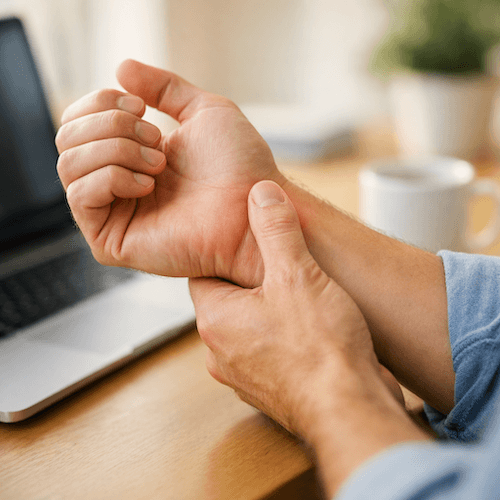




The Path to Natural Recovery: Non-Surgical Strategies for Repairing Ankle Cartilage Damage with Professional Clinical Support
Understanding Ankle Cartilage Damage
Ankle cartilage damage is a common but often underestimated problem that can seriously affect your ability to move and your overall quality of life. Whether caused by an injury, repetitive strain, or wear and tear over the years, damage to the cartilage in the ankle joint can lead to persistent pain, stiffness, and difficulty moving. These symptoms can make everyday activities challenging, so finding effective treatment is essential.
Cartilage is a smooth, flexible tissue that cushions the bones in your ankle, allowing the joint to move smoothly and without pain. When this cartilage is damaged, it can lead to discomfort, swelling, and reduced function. To properly assess the extent of injury, doctors often use MRI scans to examine the ankle. These scans also help distinguish ankle cartilage damage from issues in other joints, such as knee cartilage damage, which can cause similar symptoms but require different treatments.
In addition to MRI scans, X-rays can provide useful information. Research shows that “radiographic grading has been used to assess and select between treatment options for ankle osteoarthritis,” and including certain features like talar tilting (a tilt in a specific ankle bone) can improve the evaluation of cartilage damage. Experts have also described cartilage damage as a gradual process, pointing out that “cartilage defects in the ankle tend to increase over time if not addressed.” This underlines the importance of catching issues early and monitoring them carefully.
This article explores non-surgical ways to help ankle cartilage repair itself naturally. We will look at the roles of supplements, lifestyle adjustments, and professional clinical support — particularly the expert care provided by Professor Paul Lee and the London Cartilage Clinic. Together, these approaches offer a path to improved recovery without the need for surgery.
The Challenge of Cartilage Healing and the Importance of Natural Recovery
Cartilage is one of the few tissues in the body with very limited ability to heal itself. Unlike skin or muscle, cartilage doesn’t have a direct blood supply, which makes natural repair difficult and slow. Because of this, people with ankle cartilage injuries often experience lengthy recovery times and sometimes ongoing symptoms.
Despite these challenges, there’s growing interest in natural, non-surgical methods that can help the body heal cartilage as much as possible. This involves using supplements known to support cartilage health, targeted exercises, and dietary changes, rather than rushing to surgery. Learning how to repair cartilage naturally can provide a hopeful alternative, or an effective complement, to more invasive treatments.
Experts emphasise the importance of early treatment. In fact, it’s been noted that “if left untreated, minor cartilage lesions may progress to more extensive ankle joint damage.” This highlights why holistic care and timely intervention are crucial to slowing down the gradual but damaging process.
Natural Recovery: Supplements, Nutrition, and Exercises for Cartilage Repair
A well-rounded approach to natural ankle cartilage repair usually involves carefully chosen supplements, good nutrition, and specific exercises that support joint health.
Supplements such as glucosamine, chondroitin, and collagen have been studied for their potential to encourage cartilage repair and reduce inflammation. These may help rebuild cartilage tissue and maintain joint lubrication. While much of the research focuses on knee cartilage, the same benefits often apply to the ankle.
Diet is also very important. Eating foods rich in antioxidants, omega-3 fatty acids, and vitamins C and D helps create an environment that supports healing and reduces inflammation. Keeping a healthy weight is vital too, as excess weight puts extra pressure on the ankle joint and cartilage.
Exercise plays a central role in recovery. Low-impact activities like swimming or cycling, along with gentle ankle mobility and strengthening exercises, improve joint function without risking further injury. These exercises are similar to those used for knee cartilage rehabilitation but adapted to suit the ankle. They maintain muscle strength and joint flexibility, preventing stiffness and helping the cartilage heal.
Research has highlighted just how much ankle cartilage damage can affect function, observing that “all biomechanical variables of the ankle joint were significantly lowered in the [cartilage damaged] group compared with both the control subjects and” those without damage. This means that cartilage injuries can strongly reduce how well the joint works, underscoring the importance of protective and rehabilitative strategies.
Next steps
Where to go from here
These routes are selected from the topic and purpose of this article. They are guidance, not a diagnosis or treatment recommendation.
Recovery route
Explore cartilage damage recovery
Talk to the team
Book a free discovery call
The Role of Professional Guidance and Expert Clinical Support
While natural treatments can be very helpful, safely and effectively navigating them requires professional guidance. Orthopaedic specialists have the expertise to diagnose the severity of cartilage damage accurately and develop personalised treatment plans.
One such expert is Professor Paul Lee, who brings extensive clinical experience in orthopaedics and rehabilitation. He serves as a Regional Surgical Ambassador and Advisor to the Royal College of Surgeons of Edinburgh, ensuring that his patients benefit from the latest medical knowledge combined with individualised care.
At the London Cartilage Clinic, patients receive comprehensive support focused on non-surgical and minimally invasive options. The clinic takes a multidisciplinary approach that prioritises safety, patient education, and supervised rehabilitation, helping people maximise their recovery through tailored treatments such as supplements and exercise.
It’s important to be realistic — no treatment or supplement can guarantee full cartilage repair or complete symptom relief. Nevertheless, expert oversight significantly increases safety and the chance of positive outcomes, especially when considering the treatment costs and potential risks involved in managing cartilage damage in the foot.
Limitations and When Surgical Intervention May Be Necessary
Despite the promise of non-surgical methods, there are limits to what these can achieve. Severe cartilage damage, or symptoms continuing despite thorough conservative care, may require surgical treatment to restore function and ease pain.
Accurate diagnosis is vital in deciding when surgery is appropriate. Studies have shown that “the positive predictive value of cartilage damage increased from 77% ... to 98% for medial joint space narrowing with talar tilting,” emphasising the importance of detailed imaging and expert assessment. Moreover, cartilage damage often worsens if minor lesions go untreated, so early professional support is crucial.
Self-treatment or relying solely on over-the-counter supplements without medical advice can be risky. It may delay proper care and worsen outcomes.
If pain, swelling, or reduced mobility persist or worsen, it’s essential to seek prompt medical reassessment. Early specialist intervention can help prevent further joint deterioration and support better long-term health.
Conclusion and Responsible Advice
Natural strategies — including supplements, good nutrition, targeted exercise, and expert clinical support — offer valuable ways to encourage ankle cartilage healing without surgery. Combining these approaches with professional care, especially from recognised specialists like Professor Paul Lee and the London Cartilage Clinic, increases the chances of meaningful improvement.
Healing often takes time and patience, but informed decisions made with the guidance of healthcare professionals empower you to protect your joint health and improve your quality of life.
For personalised medical advice, please consult a qualified healthcare professional.
References
Moon, J.-S., Shim, J. C., Suh, J.-S., & Lee, W.-C. (2010). Radiographic Predictability of Cartilage Damage in Medial Ankle Osteoarthritis. Clinical Orthopaedics and Related Research, 468(8), 2188–2197. https://doi.org/10.1007/s11999-010-1352-2
Dahmen, J., Karlsson, J., Stufkens, S. A. S., & Kerkhoffs, G. M. M. J. (2021). The ankle cartilage cascade: incremental cartilage damage in the ankle joint. Knee Surgery Sports Traumatology Arthroscopy, 29(11), 3503–3507. https://doi.org/10.1007/s00167-021-06755-w
Eerdekens, M., Peerlinck, K., Staes, F., Pialat, J.-B., Hermans, C., Lobet, S., Scheys, L., & Deschamps, K. (2020). Blood‐induced cartilage damage alters the ankle joint load during walking. Journal of Orthopaedic Research, 38(11), 2419–2428. https://doi.org/10.1002/jor.24715
Frequently Asked Questions
- Common symptoms include persistent pain, swelling, stiffness and decreased mobility in the ankle. These issues can make everyday activities difficult. Early recognition of these symptoms enables faster access to expert assessment and tailored treatment at London Cartilage Clinic.
- London Cartilage Clinic focuses on non-surgical recovery, using specialist advice, evidence-based supplements, diet, and targeted exercises. Under the expert care of Professor Paul Lee, patients receive comprehensive support and multidisciplinary plans prioritising individual needs and long-term joint health.
- Professor Paul Lee is a Cartilage Expert, Regional Surgical Ambassador, and Advisor at the Royal College of Surgeons of Edinburgh. His extensive clinical experience and cutting-edge knowledge in orthopaedics ensure patients receive world-class, personalised care at London Cartilage Clinic.
- At London Cartilage Clinic, patients benefit from precise diagnosis, thorough risk assessment, and customised rehabilitation plans. The Clinic’s emphasis on patient education, safety, and supervised progress maximises recovery potential and supports long-term joint health, all guided by Professor Lee’s expertise.
- If patients experience persistent or worsening pain, swelling, or reduced ankle mobility, prompt specialist reassessment is crucial. Early intervention by London Cartilage Clinic and Professor Lee can help prevent deterioration and offer the best chance for maintaining or improving joint function.
Next steps
Where to go from here
These routes are selected from the topic and purpose of this article. They are guidance, not a diagnosis or treatment recommendation.
Recovery route
Explore cartilage damage recovery
Continue with practical recovery and patient-journey information.
Talk to the team
Book a free discovery call
A non-medical call with the team to understand services and choose the right booking route.
Legal & Medical Disclaimer
This article is published by London Cartilage Clinic for general information and education only. It does not constitute medical advice, diagnosis, or treatment.
Always seek personalised advice from a qualified healthcare professional before making decisions about your health. London Cartilage Clinic accepts no responsibility for errors, omissions, third-party content, or any loss, damage, or injury arising from reliance on this material.
If you believe this article contains inaccurate or infringing content, please contact us at [email protected].


