Introduction
The figure four stretch is a popular exercise embraced by yoga practitioners, physiotherapists, and fitness enthusiasts alike for its impressive ability to improve hip mobility and ease tension. It is particularly beneficial for those who suffer from hip tightness or lower back discomfort, or anyone looking to enhance their flexibility. Renowned expert Professor Paul Lee, a cartilage specialist and Ambassador for the Royal College of Surgeons of Edinburgh, along with the dedicated team at the London Cartilage Clinic, endorse the stretch as a safe and effective way to support hip health when performed correctly.
What Is the Figure Four Stretch?
At its core, the figure four stretch is a straightforward yet powerful move designed to target the muscles around the hips and lower back. You can do it lying on your back or while seated. The key is crossing one ankle over the opposite thigh, shaping a figure resembling the number “4.” This stretch has its beginnings in yoga, where it is well known as the “figure four stretch yoga” pose, but it has since been adopted widely in fitness and rehabilitation for its accessibility and benefits.
The primary muscles engaged include the piriformis and gluteus maximus, as well as several deeper hip rotators—together often referred to as the “figure four stretch muscles.” These muscles are vital for hip movement and stability. The stretch gently lengthens these areas, helping to reduce tightness and boost flexibility. Because the position is easy to visualise and replicate, it suits a broad range of people, offering a safe and effective way to maintain hip health.
Key Benefits and Applications
Making the figure four stretch a regular part of your routine can offer several notable benefits. Most importantly, it enhances flexibility in your hips and lower back, relieving muscle tightness and counteracting stiffness that often arises from sitting for prolonged periods or intense physical activity. This makes it particularly helpful for office workers, athletes, and anyone experiencing uncomfortable lower back tension caused by restricted hip muscles.
Moreover, the stretch holds promise for those with sciatica. While it’s not a cure, the figure four stretch may help by easing pressure on the sciatic nerve and reducing some associated symptoms—a topic often discussed under “figure 4 stretch sciatica.” It supports general musculoskeletal health by encouraging muscle release and improving circulation, which in turn can reduce injury risk during daily life or sports. Recent research shows, “Data acquired from the proposed sensor illustrated the significant difference between activated and non-activated muscle groups in each specific exercise,” highlighting how targeted movements like this are valuable for muscle engagement monitoring (Nguyen et al., 2023).
Free non-medical discussion
Not sure what to do next?
Information only · No medical advice or diagnosis.
How to Perform the Figure Four Stretch Safely
To try the supine figure four stretch, lie on your back with your knees bent and feet flat on the floor. Cross your right ankle over your left thigh just above the knee to create that distinctive figure four shape. Gently pull your left leg towards your chest, holding behind the thigh to deepen the stretch. You should feel a pleasant lengthening in your right hip and glute area. Hold for 20 to 30 seconds, breathing evenly, then swap sides.
For the seated version, sit upright on a sturdy chair with both feet flat on the floor. Cross your right ankle over your left thigh and lean forward slightly from the hips, keeping your back straight until you feel a stretch in your hip. Hold for the same length of time before switching sides.
Remember not to force the stretch or let your bent knee hang unsupported, as this can cause strain. If you have limited mobility, you can modify the move using a resistance band or towel to assist you gently. Some mild sensation of stretch or discomfort is normal, but sharp pain is a clear sign to stop and consult a healthcare professional.
Expert Opinion: Guidance from Professor Paul Lee and London Cartilage Clinic
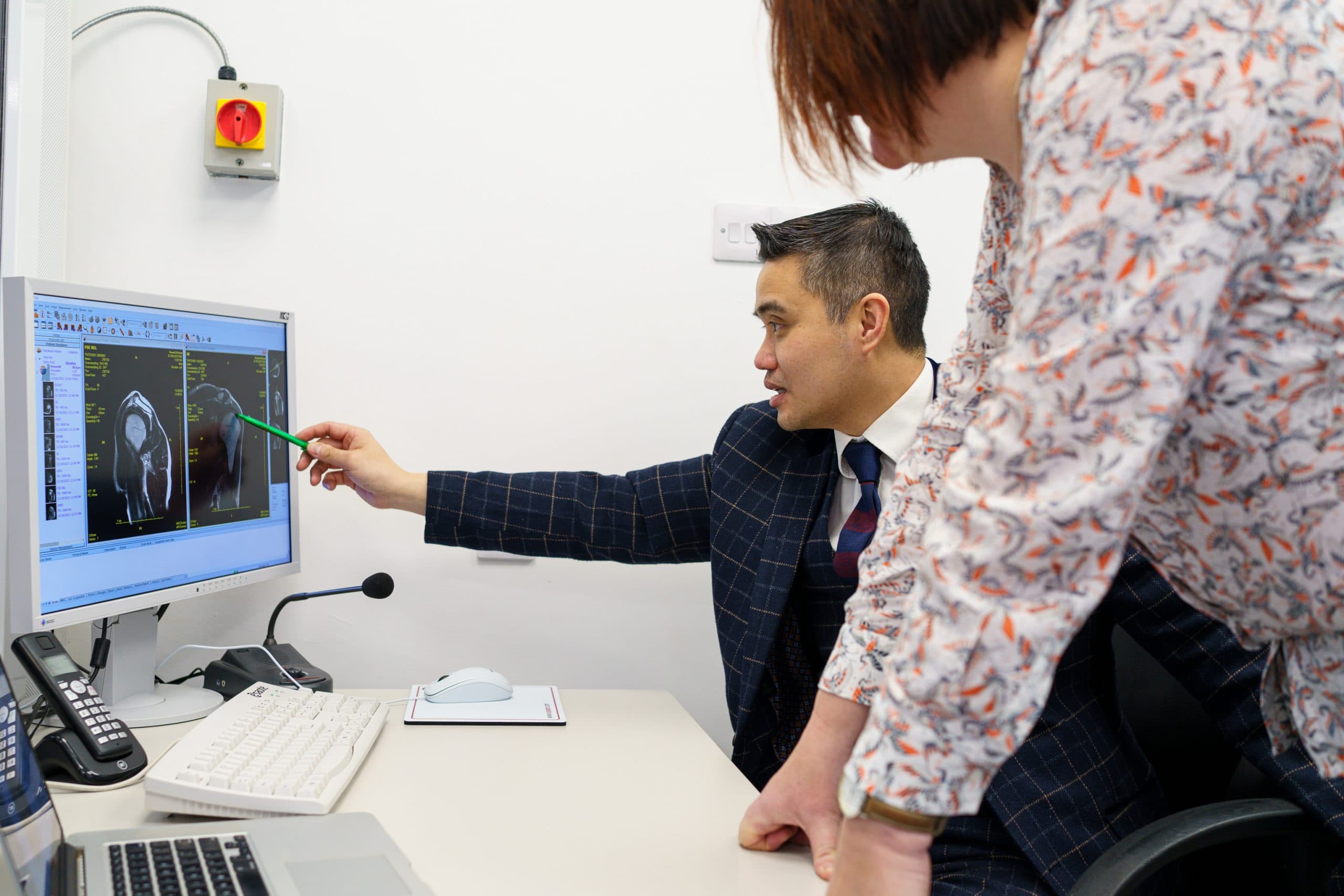
Professor Paul Lee is a highly respected figure in musculoskeletal health, with a specialism in cartilage repair and rehabilitation. His roles as Cartilage Expert, Regional Surgical Ambassador, and advisor to the Royal College of Surgeons of Edinburgh highlight his extensive clinical experience. He stresses the importance of combining expert guidance with suitable exercises—such as the figure four stretch—to support recovery and reduce injury risk.
The London Cartilage Clinic embodies this careful and professional approach. Their teams provide patients with personalised rehabilitation plans that include stretches like the figure four, ensuring patients progress safely and effectively. The clinic’s focus on evidence-based care and education underscores that while this stretch is beneficial, individual treatment and advice remain key. They emphasise patient safety above all else and avoid making promises of guaranteed cures or outcomes.
Conclusion
The figure four stretch is a straightforward and effective way to improve hip flexibility, relax tight muscles, and maintain musculoskeletal health. With origins in yoga and common use in physiotherapy, it offers benefits to a broad audience—from office workers to athletes. Supported by the expert views of Professor Paul Lee and the team at the London Cartilage Clinic, practising this stretch safely can enhance your hip health and help prevent injury.
As always, introduce new exercises gradually, and seek advice from healthcare professionals tailored to your unique needs.
For individual medical advice, please consult a qualified healthcare professional.
References
- Nguyen, T., Chun, S., & Kim, J. (2023). Utilization of deep learning to classify resistance training exercises by the fabricated resistive stretch sensor. Journal of Intelligent Material Systems and Structures. https://doi.org/10.1177/15280837231193450
Frequently Asked Questions
- The figure four stretch improves hip mobility, eases tension, and relieves muscle tightness, especially for those with stiff hips or lower back. London Cartilage Clinic, led by Prof Paul Lee, recommends it for enhancing flexibility and supporting musculoskeletal health when performed properly.
- Professor Paul Lee is a renowned cartilage specialist and Royal College of Surgeons of Edinburgh Advisor. His experience ensures patients receive expert, evidence-based advice and personalised rehabilitation plans, making London Cartilage Clinic a leading centre for hip and cartilage care.
- Yes, the figure four stretch may help ease tension in the hips and lower back, potentially reducing mild sciatica symptoms by relieving pressure on the sciatic nerve. However, the London Cartilage Clinic encourages individual assessment by specialist clinicians for best results.
- Do not force the stretch or allow your knee to hang unsupported, as this may cause strain. The London Cartilage Clinic and Professor Lee emphasise safety, advising patients to seek professional guidance if they experience sharp pain or have mobility concerns.
- The London Cartilage Clinic, under Professor Lee’s leadership, provides personalised, evidence-based rehabilitation plans including safe exercises like the figure four stretch. They focus on expert guidance, patient safety, and avoiding generic promises, creating tailored care for each individual’s needs.
London Cartilage Clinic
Ready to explore your options?
Our consultant-led team specialises in cartilage repair, regeneration and replacement — tailored to your diagnosis and long-term goals.
Legal & Medical Disclaimer
This article is written by an independent contributor and reflects their own views and experience, not necessarily those of London Cartilage Clinic. It is provided for general information and education only and does not constitute medical advice, diagnosis, or treatment.
Always seek personalised advice from a qualified healthcare professional before making decisions about your health. London Cartilage Clinic accepts no responsibility for errors, omissions, third-party content, or any loss, damage, or injury arising from reliance on this material.
If you believe this article contains inaccurate or infringing content, please contact us at [email protected].