



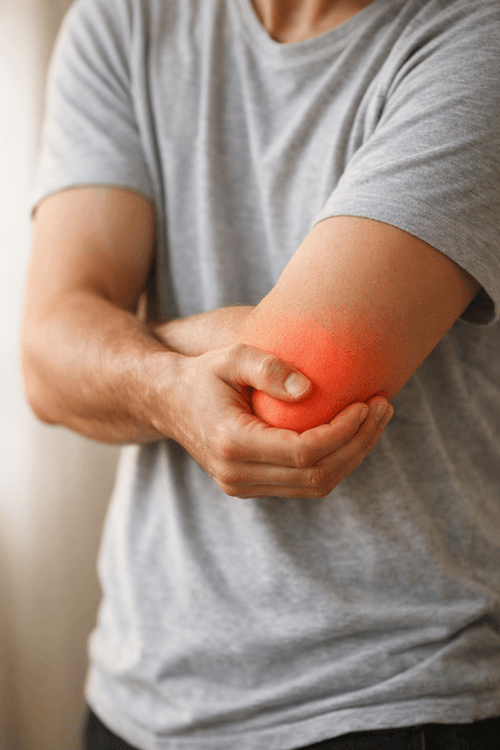

Exploring the Link Between Endometriosis and Hip Pain: Scientific Insights and Patient Stories
Introduction
Endometriosis is a chronic condition impacting millions of women around the world. It occurs when tissue similar to the lining of the uterus grows in places it shouldn’t, usually within the pelvis. While many people connect endometriosis with pelvic pain, it can also cause discomfort in more unexpected areas—such as the hips. This article explores how and why endometriosis can trigger hip pain, combining the latest scientific findings with the real-life experiences of women who live with this challenging symptom.
We'll look at what causes endometriosis -related hip pain, why it's hard to diagnose, and what it means for everyday life. Along the way, we’ll clarify important concepts like “ endometriosis hip pain ,” “diagnosing endometriosis,” and “managing hip pain.” By sharing both research and patient stories, we aim to broaden understanding and offer support to those affected.
How Endometriosis Can Cause Hip Pain
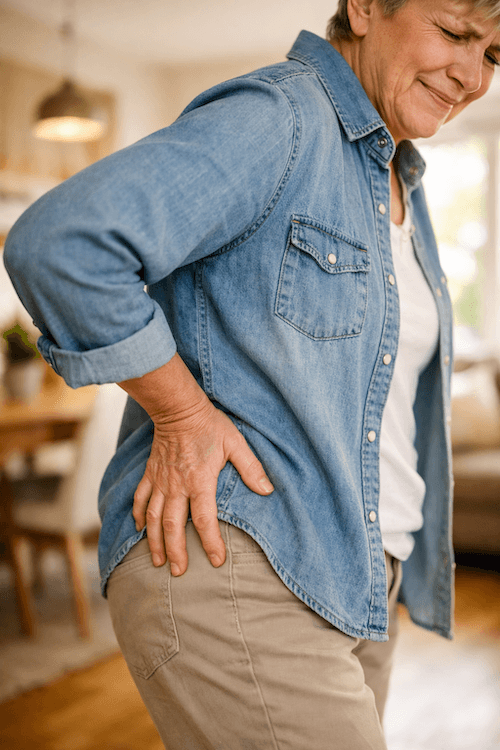
Endometriosis happens when cells similar to the uterine lining grow outside the uterus, most commonly around pelvic organs. But this tissue can also attach to areas near the hips, such as the pelvic sidewall, sacroiliac joints (where the spine meets the pelvis), and even the sciatic nerve, which runs down through the legs. When these abnormal patches of tissue grow and bleed, they can cause inflammation and scarring, irritating nearby nerves and muscles—and this irritation may be felt as hip pain .
Scientific studies show that inflammation related to endometriosis releases chemicals that can affect nerves far beyond the pelvis, spreading pain to the hips and even the legs. Scar tissue (called adhesions) can limit movement and put extra strain on the muscles supporting the hips. While not everyone with endometriosis will develop hip pain, for those who do, it can be a confusing and distressing experience. Understanding these biological links helps doctors better care for patients who are struggling with hip symptoms—reminding us that endometriosis can cause a variety of symptoms, extending beyond the reproductive system to include musculoskeletal pain like that in the hip.
Why Hip Pain from Endometriosis Can Be Hard to Diagnose
One of the biggest challenges with endometriosis- related hip pain is that it can easily be mistaken for other, more common problems. Hip pain is frequently attributed to joint issues , muscle strain, or nerve conditions such as sciatica. As a result, many women undergo tests and treatments for these causes, sometimes for years, before endometriosis is even considered as a possible culprit. This leads to frustrating delays in getting the right diagnosis and care.
Because hip pain is a less typical symptom of endometriosis, doctors may overlook its connection to the disease—unless they’re specifically looking for it, especially in women with other signs of endometriosis. Advances in imaging and minimally invasive surgery (such as laparoscopy) have improved the chances of detecting endometriosis in unusual locations. Many experts now recommend a team-based approach, involving gynecologists, neurologists, and orthopedic specialists to better diagnose and treat complex cases.
Recognizing hip pain alongside other symptoms—such as painful periods, pelvic pain, or fertility struggles—can help guide doctors toward a more accurate and timely diagnosis . Raising awareness among healthcare professionals is essential for ensuring that patients get the care they need, and that misdiagnoses become less common. Management of endometriosis -related pain often requires an individualized approach, tailored to the unique circumstances and needs of each patient.
Living with Endometriosis-Related Hip Pain: Patient Experiences
For many women, hip pain isn’t just a physical symptom—it deeply affects daily life and emotional wellbeing. One woman described how ongoing hip pain made it nearly impossible to walk or sit for long periods, forcing her to miss out on favorite activities and social events. Another shared her emotional exhaustion after visiting numerous specialists for years before finally being diagnosed with endometriosis as the source of her pain.
These stories reveal just how much endometriosis hip pain can limit mobility, work, and social life. Because the symptoms of endometriosis are often invisible, women may feel misunderstood or dismissed—even by family, friends, and some healthcare providers. By combining the voices of people living with endometriosis hip pain and insights from medical research, we gain a clearer, more empathetic understanding of their unique challenges. It also highlights the need for holistic treatment, addressing not only the physical but also the emotional effects of the disease.
Conclusion
Endometriosis is far more complicated than simply pelvic pain. Hip pain, although less frequent, is a significant symptom that deserves greater awareness and understanding from both medical professionals and the wider public. Research helps explain how inflammation and nerve involvement can trigger pain in unexpected places, and emphasizes the diagnostic obstacles patients often face.
Hearing directly from women coping with endometriosis hip pain adds an essential perspective—underscoring the importance of compassionate, comprehensive care. With ongoing advances in diagnosis and treatment, there is reason to feel hopeful for better outcomes. Recognizing and validating symptoms like hip pain is a key step toward improving quality of life for those affected by this often misunderstood condition.
References
- Alsomali, O. H., Alharbi, A., Al Aloula, A. S., Alazmiy, B. S., Alanazi, A., Alanazi, S. A., Al-Arej, I. M., Alsayegh, A. S., Alanazi, A. R., Alduaybi, M. A., & Al Owias, M. I. Z. (2017). Endometriosis: symptoms, diagnosis, and treatment. International Journal of Health Sciences, 1(S1), 228-238.
- Ishrat, S., Deeba, F., & Fatima, P. (2020). Gastrointestinal Symptoms in Endometriosis. Bangladesh Journal of Obstetrics & Gynaecology, 33(2), 140-142. https://doi.org/10.3329/bjog.v33i2.43568
- Maroun, P., Cooper, M., Reid, G., & Keirse, M. J. N. C. (2009). Relevance of gastrointestinal symptoms in endometriosis. Australian and New Zealand Journal of Obstetrics and Gynaecology, 49(4), 411-414. https://doi.org/10.1111/j.1479-828x.2009.01030.x
Next steps
Where to go from here
These routes are selected from the topic and purpose of this article. They are guidance, not a diagnosis or treatment recommendation.
Learn more
Explore treatment options
Use a structured overview to narrow down the most useful next step for your situation.
Talk to the team
Book a free discovery call
A non-medical call with the team to understand services and choose the right booking route.
Legal & Medical Disclaimer
This article is published by London Cartilage Clinic for general information and education only. It does not constitute medical advice, diagnosis, or treatment.
Always seek personalised advice from a qualified healthcare professional before making decisions about your health. London Cartilage Clinic accepts no responsibility for errors, omissions, third-party content, or any loss, damage, or injury arising from reliance on this material.
If you believe this article contains inaccurate or infringing content, please contact us at [email protected].


