






Advancing Labrum Tear Treatment: How Modern Orthopedic Surgery Speeds Recovery
Insights

Advancing Labrum Tear Treatment: How Modern Orthopedic Surgery Speeds Recovery

John Davies

Introduction: Why Labrum Tears Matter

Labrum tear s are a common cause of shoulder pain , weakness, and instability. These injuries can disrupt simple daily activities like lifting your arm, carrying groceries, or even getting a good night's sleep. For patients, a labrum tear can drastically interfere with life. For orthopedic surgeons, these injuries pose a unique challenge: how to repair the shoulder while preserving its natural movement and strength . The good news is that groundbreaking surgical techniques and updated recovery strategies are changing how labrum tears are treated. In this article, we’ll explore how these modern approaches are helping patients recover faster and regain their quality of life.

Orthopedic surgeons are not just focused on surgical skill—they are also leading the way in responsible pain management after surgery. From varying practice patterns to ongoing research, orthopedics is a field where academic innovation and day-to-day patient care go hand in hand. Professionalism, leadership, and continuous improvement deeply shape patient outcomes.

What Is a Labrum Tear? Understanding the Basics

The labrum is a ring of tough, flexible cartilage that lines the edge of the shoulder socket. Think of it as a rubbery seal that helps keep the ball of the shoulder joint in place, providing stability and cushioning with every movement. When the labrum is torn—whether from a traumatic injury , repetitive overhead motions (like pitching or swimming), or everyday wear and tear—it can cause pain, weakness, and a sense that the shoulder might slip out of place.

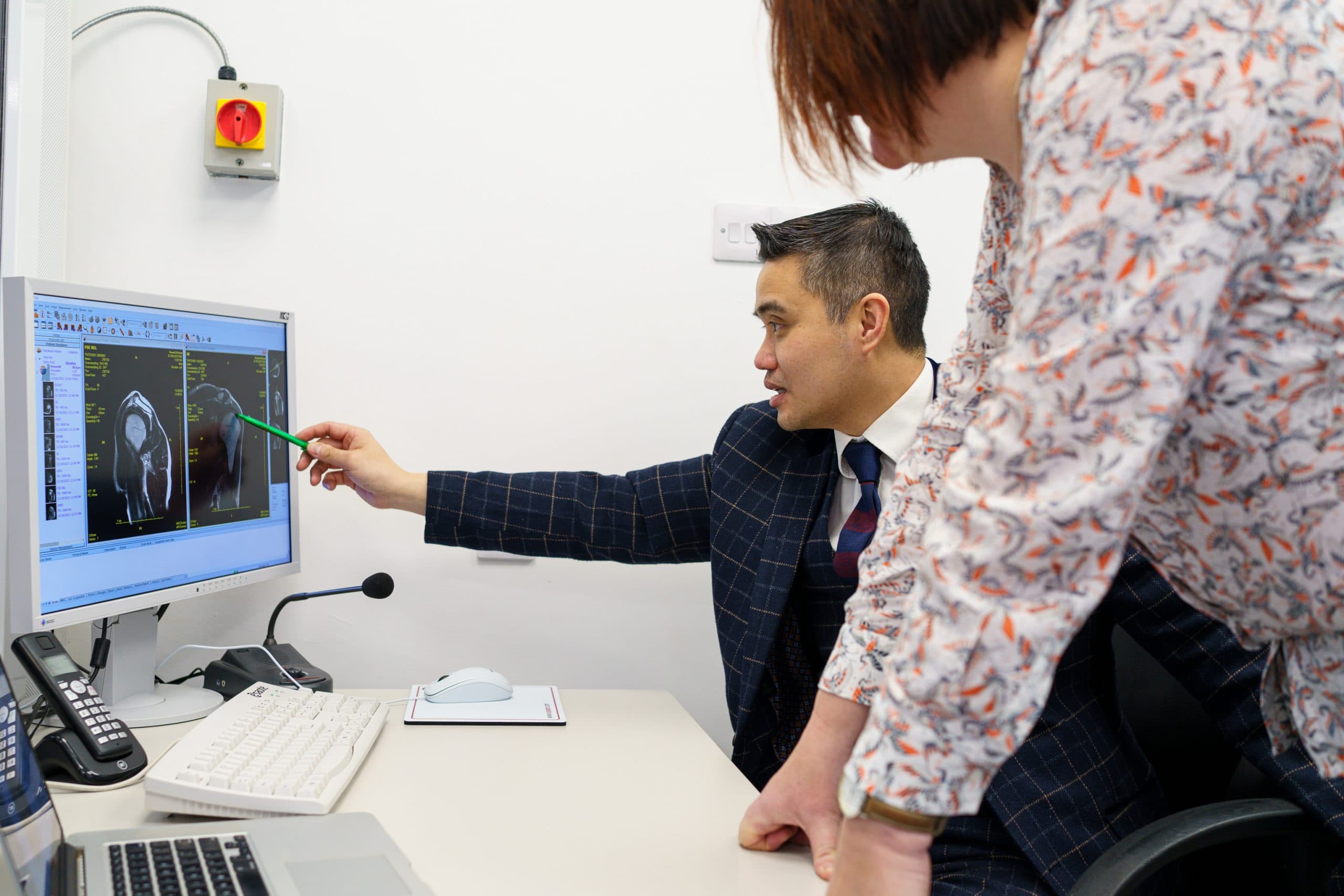
Diagnosing a labrum tear can be tricky because its symptoms often overlap with other shoulder injuries. Doctors rely on a combination of physical exams and imaging, such as MRI scans, to get a clear diagnosis.

You might come across terms like “ SLAP lesion ” or “Bankart lesion.” A SLAP lesion is a tear at the top front part of the labrum, while a Bankart lesion affects the lower front area. Identifying the specific type of tear helps surgeons choose the most effective repair strategy.

For orthopedic surgeons, the primary goal is to restore shoulder stability without limiting movement. Achieving this balance is critical to preventing chronic issues like recurring dislocations or arthritis down the road.

Free non-medical discussion

Not sure what to do next?

Book a Discovery Call

Information only · No medical advice or diagnosis.

New Surgical Techniques That Are Changing Treatment

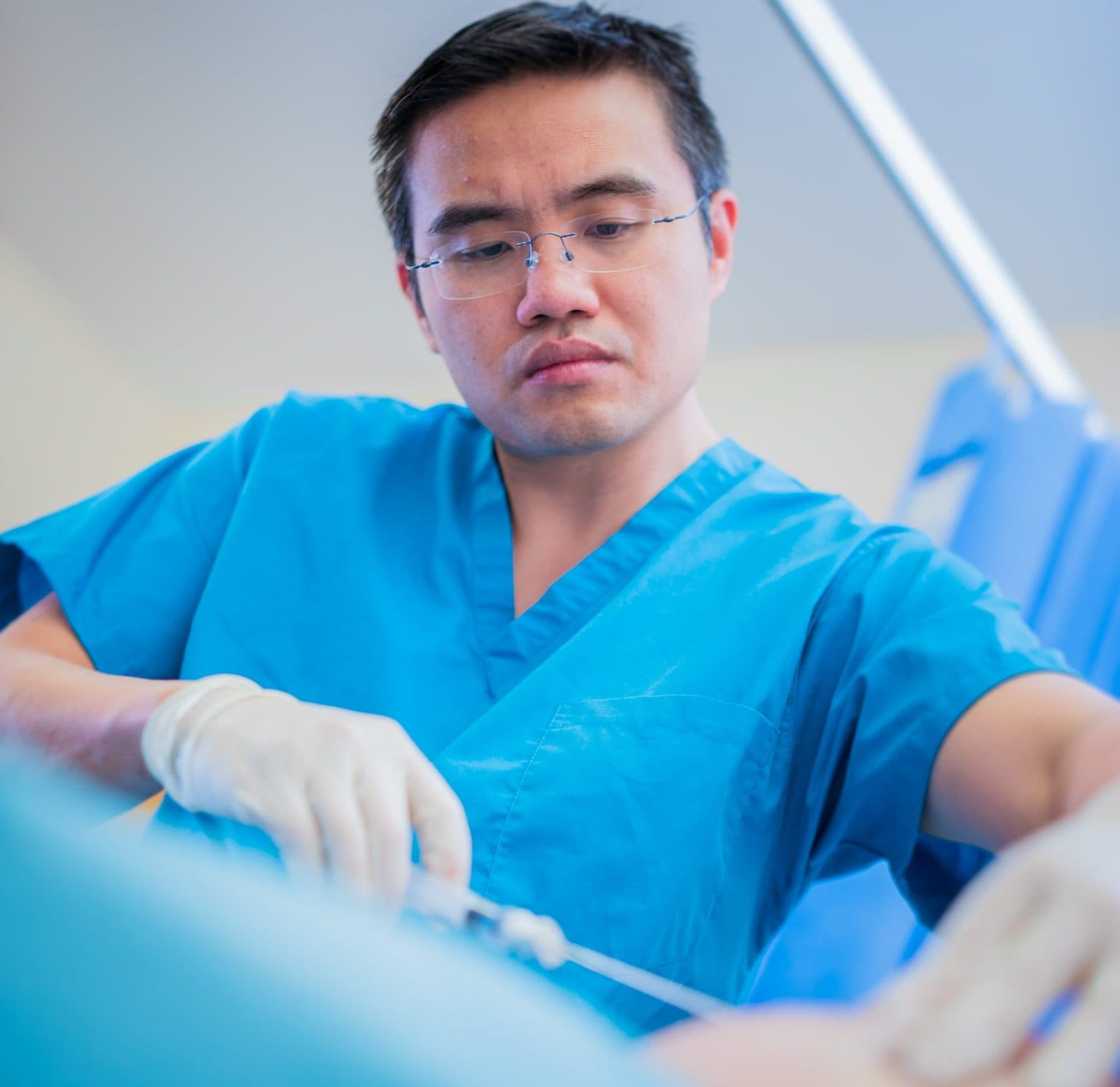
Recent advancements have made labrum tear surgery less invasive and more successful. One of the biggest breakthroughs is arthroscopic labral repair using suture anchors. Instead of making large incisions, surgeons use tiny cuts and a small camera (called an arthroscope) to see inside the shoulder . Then, they use miniature anchors and stitches to secure the torn labrum . This minimally invasive approach leads to less pain, protects healthy tissue, and speeds up recovery compared to traditional open surgery.

Biologic treatments are another exciting development. Platelet-rich plasma (PRP) therapy, for example, uses a patient's own blood to create a concentrated mix of healing factors. When combined with surgery, PRP can enhance healing and may help reduce inflammation and rehab time.

Modern imaging technology is also transforming care. High-resolution 3D MRI scans give surgeons a much clearer, more detailed view of the shoulder. With this information, surgeries can be tailored to each patient for better, longer-lasting results.

Another major area of innovation is pain management. Research shows a clear shift toward shorter, more carefully managed pain medication prescriptions after orthopedic surgeries. This is helping minimize risks while ensuring patients can heal comfortably and safely.

None of these innovations would be possible without ongoing research and education. Orthopedic surgeons continually study the latest techniques and therapies, driving steady improvements in patient outcomes.

Together, these advancements have moved labrum tear care far beyond traditional methods, which often required long immobilization and carried higher risks of stiffness or incomplete healing.

Real-Life Success Stories: Bringing Innovation to Patients

The true value of these surgical advances shines through in patient outcomes. Take the case of a young athlete with a SLAP tear: after arthroscopic repair and PRP therapy, he was back on the field much sooner than expected, with less pain and a faster rehabilitation.

In another story, a middle-aged patient with a Bankart lesion benefited from advanced imaging and suture anchor repair. With the help of a coordinated rehab plan, this patient regained shoulder stability and returned to normal activities quickly and painlessly.

These stories show how orthopedic surgeons do much more than perform surgery—they guide patients through every step of recovery. By partnering with physical therapists and sports medicine specialists, surgeons ensure each patient receives a personalized rehabilitation program that supports healing and helps prevent future injuries.

Looking Ahead: The Future of Labrum Tear Treatment

Today’s treatment options for labrum tear s—such as arthroscopic suture anchor repair and biologic therapies—offer patients faster recovery, fewer complications, and more reliable long-term results.

And the future looks even brighter. Ongoing research is driving new regenerative therapies and personalized surgical tools that promise to make labrum repairs even more effective.

For both patients and surgeons, staying up to date with these rapidly evolving treatment options is crucial. Ultimately, these medical innovations are about more than just healing a joint—they help people regain confidence and return to the activities they love, pain-free.

References

Alsoof, D., Balmaceno-Criss, M., Kovoor, M., Casey, J., Johnson, K., McDonald, C. L., Diebo, B. G., Kuris, E. O., & Daniels, A. H. (2022). Does research training lead to academic success in orthopedic surgery? An analysis of U.S. academic orthopedic surgeons. Orthopedic Reviews, 14(4). https://doi.org/10.52965/001c.38655

Boylan, M. R., Suchman, K., Slover, J., & Bosco, J. A. (2018). Patterns of narcotic prescribing by orthopedic surgeons for Medicare patients. American Journal of Medical Quality, 33(6), 637-641. https://doi.org/10.1177/1062860618771190

Yayac, M., Trojan, J. D., Brown, S. M., & Mulcahey, M. K. (2019). Formal leadership training for orthopedic surgeons: Limited opportunities amongst growing demand. Orthopedic Reviews, 11(4). https://doi.org/10.4081/or.2019.8151

Legal & Medical Disclaimer

This article is written by an independent contributor and reflects their own views and experience, not necessarily those of London Cartilage Clinic. It is provided for general information and education only and does not constitute medical advice, diagnosis, or treatment.

Always seek personalised advice from a qualified healthcare professional before making decisions about your health. London Cartilage Clinic accepts no responsibility for errors, omissions, third-party content, or any loss, damage, or injury arising from reliance on this material.

If you believe this article contains inaccurate or infringing content, please contact us at [email protected].

Last reviewed: 2026For urgent medical concerns, contact your local emergency services.

London Cartilage Clinic

Modern treatments, designed for lasting knee outcomes

Every treatment plan is selected to help you return to the quality of life you deserve. Our team combines up-to-date techniques with consultant-led decision making across cartilage repair, regeneration and replacement.

What your journey can look like

Step 01

Consultant-Led Assessment

Symptoms, imaging and goals reviewed in one structured appointment.

Step 02

Personalised Treatment Plan

A clear route chosen from repair, regeneration or replacement options.

Step 03

Precision Delivery

Modern techniques and specialist equipment matched to your diagnosis.

Step 04

Long-Term Knee Health

Follow-up guidance focused on durable function and quality of life.

London Cartilage Clinic

Latest Insights

Clinical updates, cartilage treatment guidance, and recovery-focused articles from our specialist team.

Nutrition Strategies for Strengthening Knee Cartilage
John Davies

Nutrition Strategies for Strengthening Knee Cartilage

Discover how nutrition supports knee cartilage health, as explained by Professor Paul Lee of the London Cartilage Clinic. Learn which foods—like fatty fish, turmeric, and vitamin C-rich fruits—can strengthen cartilage and reduce inflammation. Avoid processed sugars and trans fats that harm joints. Practical meal tips help incorporate these nutrients into daily life. While diet aids joint comfort and resilience, it works best combined with exercise and medical advice. Embrace balanced eating and expert guidance for healthier, more comfortable knees.

ChondroFiller Minimally Invasive Cartilage Repair Benefits and Patient Suitability
John Davies

ChondroFiller Minimally Invasive Cartilage Repair Benefits and Patient Suitability

ChondroFiller is a minimally invasive, keyhole surgery technique that repairs cartilage damage by injecting a collagen gel directly into the affected area. Suitable for patients with small to medium cartilage lesions, it promotes natural cartilage regeneration with less pain and faster recovery compared to traditional surgeries. The procedure involves arthroscopic guidance for precise gel placement, minimizing tissue damage and complications. Clinical studies report high patient satisfaction, improved joint function, and lasting benefits. Recovery typically includes tailored rehabilitation with reduced pain and a quicker return to activity. ChondroFiller offers a safe, effective alternative for cartilage repair, emphasizing simplicity and rapid healing. Consultation with healthcare professionals is essential to determine candidacy and ensure optimal outcomes.

The Link Between Segond Fracture and ACL Tears in Diagnosis and Treatment
John Davies

The Link Between Segond Fracture and ACL Tears in Diagnosis and Treatment

Explore the critical connection between Segond fractures and anterior cruciate ligament (ACL) tears, common yet often intertwined knee injuries especially among athletes. This article highlights how the Segond fracture—a small tibial bone break—serves as a key indicator of ACL damage. Advances in MRI and CT imaging aid in early and accurate diagnosis, leading to more comprehensive treatment strategies that address both bone and ligament injuries. Understanding this relationship improves patient outcomes, enhancing knee stability and function. Future research aims to refine detection and develop minimally invasive surgical techniques, helping patients recover faster and return to active lifestyles confidently.