


Scientific Approaches to Regrowing Cartilage Without Surgery: Evidence-Based Methods and Expert Insights
Introduction
In recent years, there has been growing interest in exploring non-surgical ways to encourage cartilage regrowth and maintain healthy joints. Cartilage problems are particularly tricky because this vital tissue has a very limited ability to heal itself. Unlike many other parts of the body, cartilage lacks blood vessels and a dense cellular network, which makes repairing damage naturally a real challenge. This article shares practical, science-backed advice on how to support cartilage health without surgery, drawing on expert insights and the latest research for those hoping to avoid invasive procedures.
Understanding Cartilage Regeneration
Cartilage is a tough yet flexible tissue that cushions our joints and allows smooth, pain-free movement. Its unique structure means it receives no direct blood supply, which greatly limits its ability to repair itself after injury or wear. Although complete self-healing is rare, scientists have uncovered some ways to protect and partially regenerate cartilage using natural processes and medical support.
One leading expert, Professor Paul Lee, brings a wealth of experience in orthopaedics and rehabilitation. At the London Cartilage Clinic, patients benefit from professional assessments and personalised care based on the latest evidence — helping them make informed choices about how to manage damaged cartilage without immediately resorting to surgery.
The Importance of Physical Therapy and Joint-Friendly Exercise
Keeping joints moving through regular, gentle exercise is a cornerstone of maintaining cartilage health. Low-impact activities such as swimming and cycling help boost your fitness and strengthen muscles without putting too much pressure on delicate cartilage surfaces. Tailored strength training supervised by a professional can also improve joint stability and reduce the risk of further damage.
The key is to increase exercise intensity gradually, use proper technique, and follow an individualised plan developed with a healthcare expert. Such careful physical activity helps create a healthier joint environment by lowering inflammation and encouraging the maintenance of cartilage tissue.
Free non-medical discussion
Not sure what to do next?
Information only · No medical advice or diagnosis.
Supporting Joint Health Through Lifestyle and Nutrition
Your day-to-day habits can make a significant difference to your joints. Maintaining a healthy weight is crucial since excess body mass places extra stress on cartilage, speeding up its breakdown. What you eat matters too — nutrients like omega-3 fatty acids, vitamin D, and collagen-rich foods have shown promising benefits for cartilage health.
While supplements might seem appealing, it’s wise to approach them cautiously. Avoid falling for miracle cures or heavily marketed products with little scientific backing. Instead, aim for a balanced diet packed with vital nutrients, and always seek professional advice before adding supplements to your routine to ensure they’re safe and effective.

Medical Therapies and Innovative Alternatives
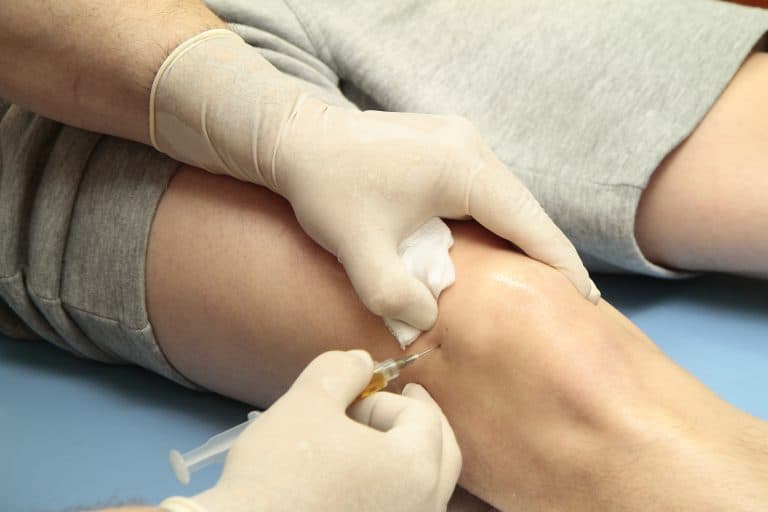
Various non-surgical treatments show promise in supporting cartilage health, especially in the knee. For example, hyaluronic acid injections help by lubricating and cushioning joints, easing movement and discomfort. Platelet-rich plasma (PRP) therapy uses growth factors from your own blood to encourage tissue repair.
On the more advanced side, new techniques involve injectable agents and scaffolds like cell-free collagen matrices. One clinical study highlights that “the ChondroFiller liquid method is a safe and simple workable method… all defects could be filled successfully.” The researchers observed “an impressive maturation of the reconstructed cartilage” with “perfect integration to the adjacent cartilage right from the beginning.” However, they also noted that “further prospective randomised studies with higher case numbers and longer follow-up… are needed to truly evaluate this treatment’s effectiveness.”
Another recent study explained that “The acellular matrix ChondroFiller Liquid® is a resorbable filler… used to form a protective layer around the cartilage defect while stimulating growth of cartilage cells and encouraging regeneration.” Patients treated with this method experienced “improvement in pain symptoms, along with greater strength in pinch and grip tests.” MRI scans even revealed positive changes in joint condition, including “reduced bone swelling and fluid build-up around the joint.”
Emerging approaches such as regenerative medicine and stem cell therapy are under active investigation but are not yet widely accessible or proven as standard care. Throughout, experts like Professor Paul Lee and the London Cartilage Clinic continue to provide reliable guidance rooted in the latest scientific evidence, helping patients navigate their treatment options wisely.
Making Informed Choices About Cartilage Care
If you’re considering alternatives to surgery, it’s essential to have open, detailed conversations with your healthcare provider. Ask specific questions about which non-surgical options might suit your particular condition, what results you can expect, any risks involved, and how progress will be monitored.
Success often depends on dedication to lifestyle changes, tailored rehabilitation exercises, and ongoing professional support. Being aware of the realistic benefits and limits of available treatments helps you stay in control of your joint health journey.
Conclusion and Important Note
Promising non-surgical methods exist to support cartilage preservation and even partial regrowth, but outcomes can vary widely depending on the extent of damage and individual health factors. Always seek personalised advice from qualified healthcare professionals before making decisions about your care.
Specialists such as Professor Paul Lee and centres like the London Cartilage Clinic offer evidence-based, patient-focused care to help you manage your joints with confidence. For any medical concerns, please consult a qualified healthcare professional.
References
Perez-Carro, L., Rosi Mendoza Alejo, P., Gutierrez Castanedo, G., Menendez Solana, G., Fernandez Divar, J. A., Galindo Rubin, P., & Alfonso Fernandez, A. (2021). Hip chondral defects: Arthroscopic treatment with the needle and curette technique and ChondroFiller. Arthroscopy Techniques, 10(6), e1375–e1382. https://doi.org/10.1016/j.eats.2021.03.011
Schneider, U. (2016). Controlled, randomized multicenter study to compare compatibility and safety of ChondroFiller liquid (cell free 2-component collagen gel) with microfracturing of patients with focal cartilage defects of the knee joint.
Corain, M., Zanotti, F., Giardini, M., Gasperotti, L., Invernizzi, E., Biasi, V., & Lavagnolo, U. (2023). The use of an acellular collagen matrix ChondroFiller® Liquid for trapeziometacarpal osteoarthritis.
Frequently Asked Questions
- London Cartilage Clinic offers comprehensive, science-backed treatments, with expert assessments from Professor Paul Lee. Patients benefit from personalised care, latest research, and a holistic approach that avoids unnecessary surgery, tailored to support long-term joint and cartilage health.
- Professor Paul Lee is a renowned cartilage expert, Regional Surgical Ambassador, and advisor to the Royal College of Surgeons of Edinburgh. He brings deep experience in orthopaedics and rehabilitation to provide patients with trusted, individualised treatment strategies.
- Tailored physical therapy programmes at London Cartilage Clinic use joint-friendly exercises and professional supervision to improve joint stability, reduce risk of further damage, and create optimal conditions for cartilage maintenance, all under the care of experienced specialists.
- Innovative therapies include hyaluronic acid injections, platelet-rich plasma, and advanced injectable agents like cell-free collagen matrices. These are delivered by Professor Lee, using evidence-led techniques, to help patients explore options that promote joint health and mobility.
- Professional advice ensures treatments are appropriate for your individual condition and health needs. London Cartilage Clinic, led by Professor Lee, offers evidence-based, patient-centred care, guiding you safely through your cartilage health journey without resorting to unnecessary procedures.
Legal & Medical Disclaimer
This article is written by an independent contributor and reflects their own views and experience, not necessarily those of London Cartilage Clinic. It is provided for general information and education only and does not constitute medical advice, diagnosis, or treatment.
Always seek personalised advice from a qualified healthcare professional before making decisions about your health. London Cartilage Clinic accepts no responsibility for errors, omissions, third-party content, or any loss, damage, or injury arising from reliance on this material.
If you believe this article contains inaccurate or infringing content, please contact us at [email protected].
London Cartilage Clinic
Modern treatments, designed for lasting knee outcomes
Every treatment plan is selected to help you return to the quality of life you deserve. Our team combines up-to-date techniques with consultant-led decision making across cartilage repair, regeneration and replacement.
What your journey can look like
Step 01
Consultant-Led Assessment
Symptoms, imaging and goals reviewed in one structured appointment.
Step 02
Personalised Treatment Plan
A clear route chosen from repair, regeneration or replacement options.
Step 03
Precision Delivery
Modern techniques and specialist equipment matched to your diagnosis.
Step 04
Long-Term Knee Health
Follow-up guidance focused on durable function and quality of life.
Will the Arthrosamid work for me
PAAG-8+ Questionnaire
A bright, structured entry point for patients exploring Arthrosamid. The questionnaire helps frame suitability, expectations, and 24-month clinical benefit discussion before a fuller consultant-led review.
Designed for shared decision-making. It does not replace specialist consultation, examination, imaging review, or formal medical advice.