











Doctor discussing knee symptoms with elderly patient

nStride Therapy

From £1,200
View Price List

Guide price only. Final cost is confirmed after assessment.

nStride is an innovative knee treatment available at the UK's leading Knee Treatment Clinic, offering a approach to managing knee osteoarthritis. This autologous protein solution (APS) therapy is designed to improve joint health and reduce the symptoms of osteoarthritis. nStride is an alternative to more invasive procedures, offering patients a chance to regain mobility and improve their quality of life. Book a consultation today to see if nStride is the right solution for your knee health needs.

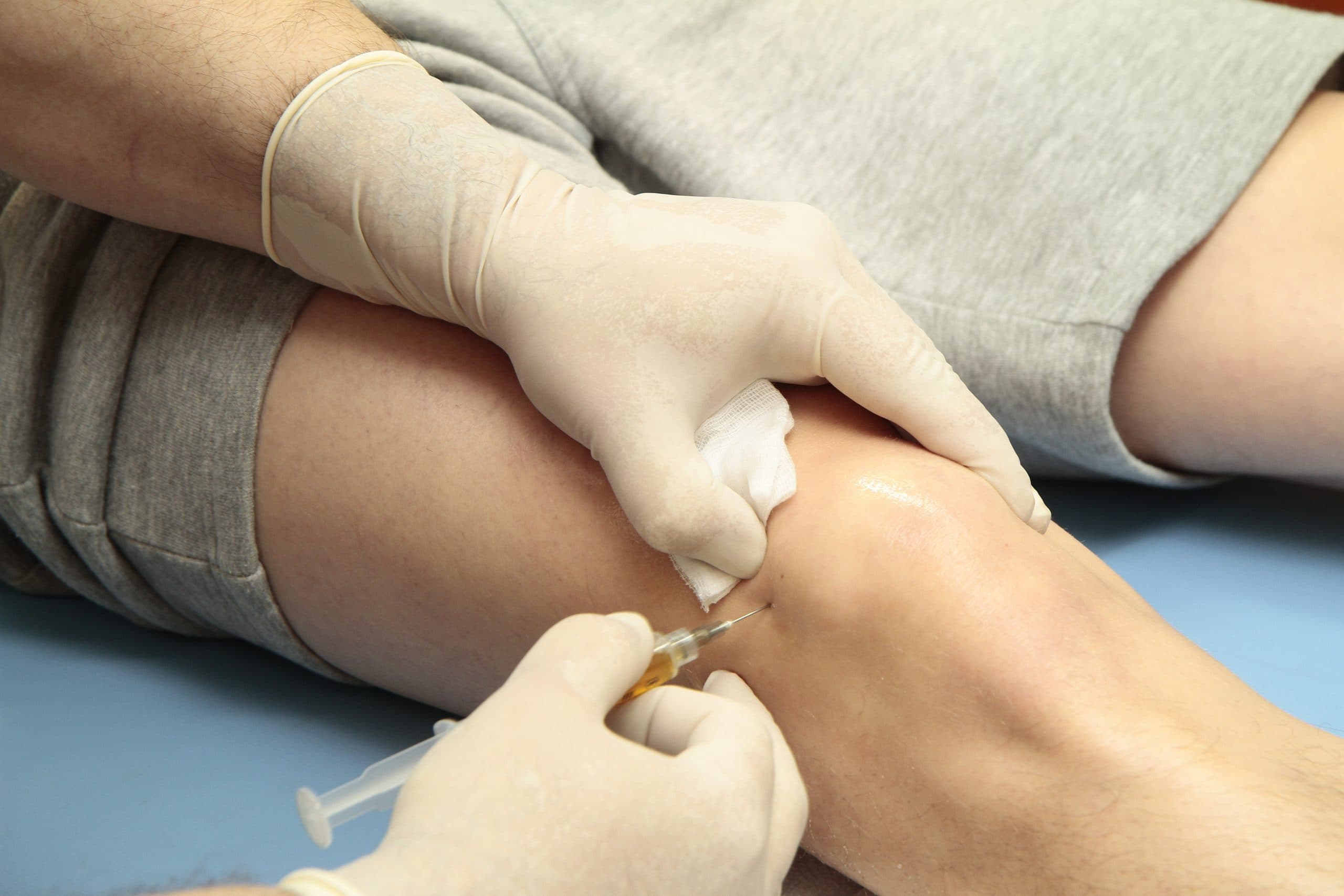
Close-up knee injection with gloved hands

What nStride therapy does for osteoarthritic knees

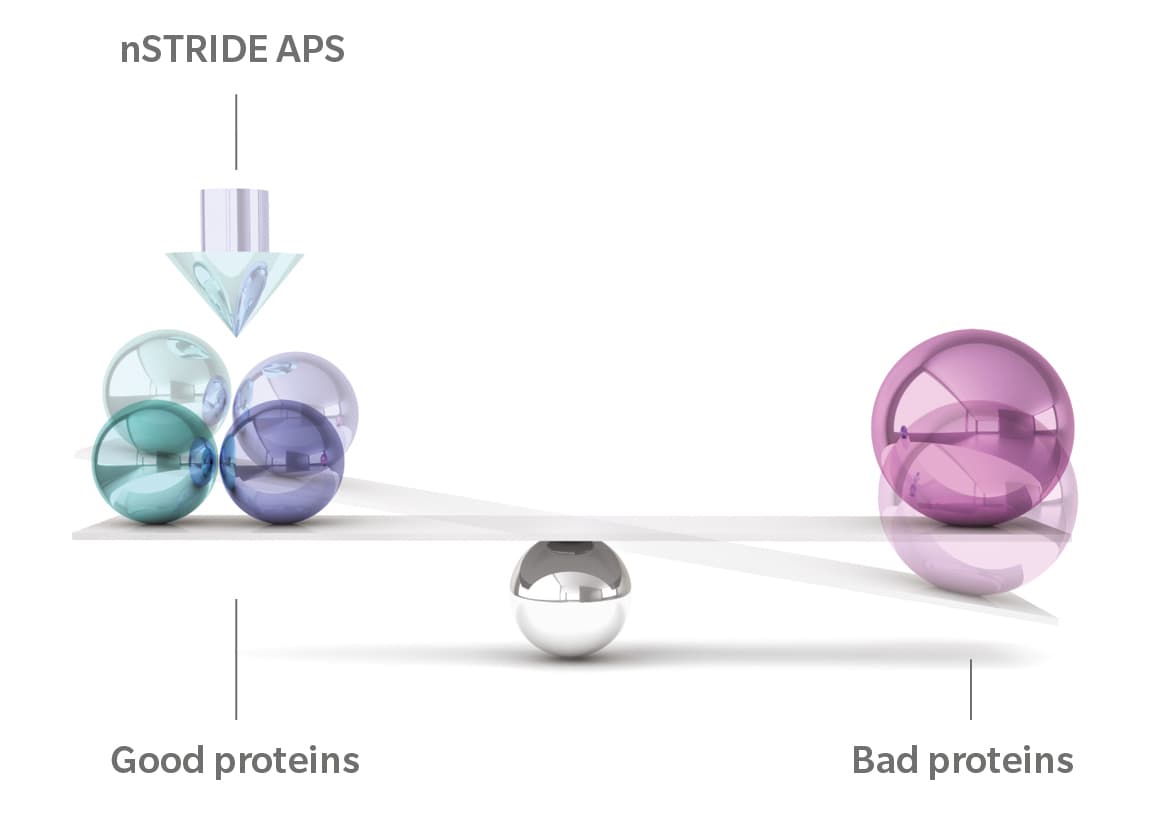
nStride uses an autologous protein solution derived from your blood to deliver a concentrated anti-inflammatory and regenerative signal to the knee joint.

  • Designed to reduce pain and improve functional movement.
  • Targets inflammatory pathways linked to osteoarthritis symptoms.
  • Provides a minimally invasive option before major surgery.

nStride is particularly relevant for patients with ongoing knee OA pain who need a structured non-surgical strategy.

How nStride is delivered and why patients choose it

The treatment pathway includes blood collection, protein concentration processing, and precise intra-articular injection in an outpatient setting.

  • No graft harvest or large-incision surgery is required.
  • Typically low procedural downtime with staged follow-up.
  • Can be integrated with rehabilitation and weight-management plans.

At London Cartilage Clinic, candidate selection and treatment timing are specialist-led to maximise benefit and align therapy with your severity profile and goals.

nStride APS graphic balancing good and bad proteins
consulting-in-office-with-pen

Frequently Asked Questions

What are the benefits of nStride over traditional treatments?

nStride offers several advantages over traditional osteoarthritis treatments. It’s a minimally invasive procedure, reducing the risks associated with surgery. Patients often experience significant pain relief and improved joint function. Additionally, nStride is designed to be a long-term solution, potentially slowing the progression of osteoarthritis.

Who is a good candidate for nStride Therapy?

Ideal candidates for nStride are individuals experiencing knee pain due to osteoarthritis who have not found relief with traditional treatments. However, the suitability of nStride varies depending on individual circumstances, so a consultation with one of our specialists is essential.

What can I expect after the nStride treatment?

Post-treatment, patients may experience temporary discomfort or swelling at the injection site. Most individuals notice an improvement in joint pain and mobility within weeks of the treatment. We recommend a follow-up appointment to monitor progress and determine the need for additional treatments.

Still have more specific concerns?

Free Discovery Call

London Cartilage Clinic

Latest Insights

Clinical updates, cartilage treatment guidance, and recovery-focused articles from our specialist team.

Nutrition Strategies for Strengthening Knee Cartilage
John Davies

Nutrition Strategies for Strengthening Knee Cartilage

Discover how nutrition supports knee cartilage health, as explained by Professor Paul Lee of the London Cartilage Clinic. Learn which foods—like fatty fish, turmeric, and vitamin C-rich fruits—can strengthen cartilage and reduce inflammation. Avoid processed sugars and trans fats that harm joints. Practical meal tips help incorporate these nutrients into daily life. While diet aids joint comfort and resilience, it works best combined with exercise and medical advice. Embrace balanced eating and expert guidance for healthier, more comfortable knees.

ChondroFiller Minimally Invasive Cartilage Repair Benefits and Patient Suitability
John Davies

ChondroFiller Minimally Invasive Cartilage Repair Benefits and Patient Suitability

ChondroFiller is a minimally invasive, keyhole surgery technique that repairs cartilage damage by injecting a collagen gel directly into the affected area. Suitable for patients with small to medium cartilage lesions, it promotes natural cartilage regeneration with less pain and faster recovery compared to traditional surgeries. The procedure involves arthroscopic guidance for precise gel placement, minimizing tissue damage and complications. Clinical studies report high patient satisfaction, improved joint function, and lasting benefits. Recovery typically includes tailored rehabilitation with reduced pain and a quicker return to activity. ChondroFiller offers a safe, effective alternative for cartilage repair, emphasizing simplicity and rapid healing. Consultation with healthcare professionals is essential to determine candidacy and ensure optimal outcomes.

The Link Between Segond Fracture and ACL Tears in Diagnosis and Treatment
John Davies

The Link Between Segond Fracture and ACL Tears in Diagnosis and Treatment

Explore the critical connection between Segond fractures and anterior cruciate ligament (ACL) tears, common yet often intertwined knee injuries especially among athletes. This article highlights how the Segond fracture—a small tibial bone break—serves as a key indicator of ACL damage. Advances in MRI and CT imaging aid in early and accurate diagnosis, leading to more comprehensive treatment strategies that address both bone and ligament injuries. Understanding this relationship improves patient outcomes, enhancing knee stability and function. Future research aims to refine detection and develop minimally invasive surgical techniques, helping patients recover faster and return to active lifestyles confidently.